Removing the proposal to explicitly recognize Sejong as the administrative capital from the constitutional amendment talks that Speaker Woo Won‑sik recently proposed has drawn criticism that lawmakers are pandering to the Seoul metropolitan area. The move has been labeled a \"half‑finished\" amendment, given that enshrining Sejong as the administrative capital was already listed as a national task under the Lee Jae‑myung administration and had attracted cross‑party support.
Speaker Woo identified three priorities for the amendment discussions: preventing illegal declarations of martial law, enshrining the spirit of the 5·18 Gwangju uprising, and constitutionally recognizing balanced national development. Controversy flared when an initially considered clause to enshrine Sejong as the administrative capital was omitted from the final proposal.
Some local observers interpret the omission as a political calculation ahead of local elections—an effort to avoid alienating voters in the Seoul metropolitan area.
Local politicians and civic groups criticized excluding completion of Sejong’s administrative capital status from amendment talks as evidence of weak commitment to balanced national development. They argue that, to counter the threat of provincial decline under Seoul’s one‑centered system, Sejong must be completed as the undisputed administrative capital.
With plans advancing to build a National Assembly hall in Sejong and to establish a presidential office there, many argue that turning Sejong into an administrative capital requires more than declarations; it needs formal institutional confirmation. Omitting the issue from amendment talks could be interpreted as a lack of political will for balanced national development.
Woo’s office said it reviewed whether to include the Sejong clause but removed it because the matter is contentious and the discussion timeline was tight. Observers remain unconvinced, however, noting that both ruling and opposition parties have expressed agreement on completing the administrative capital.
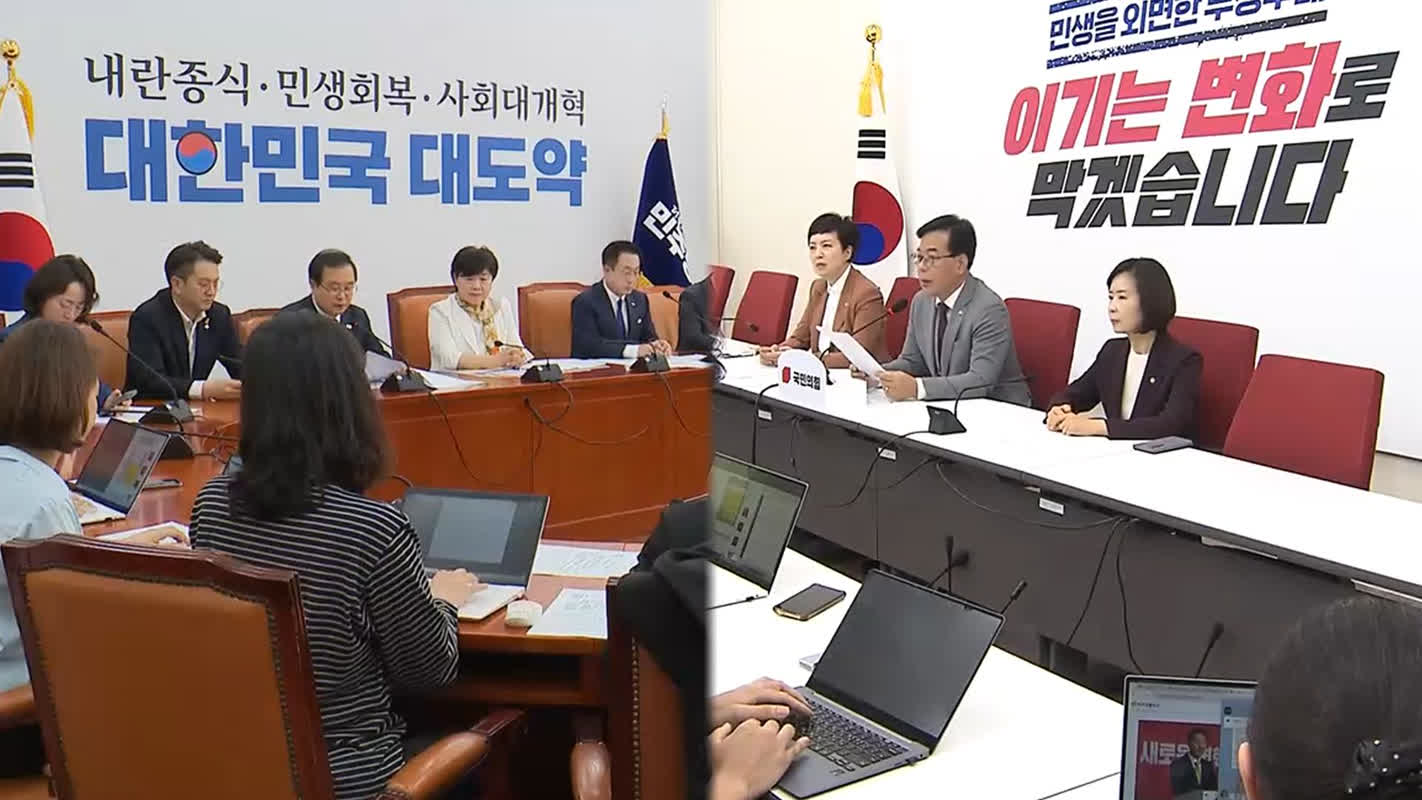
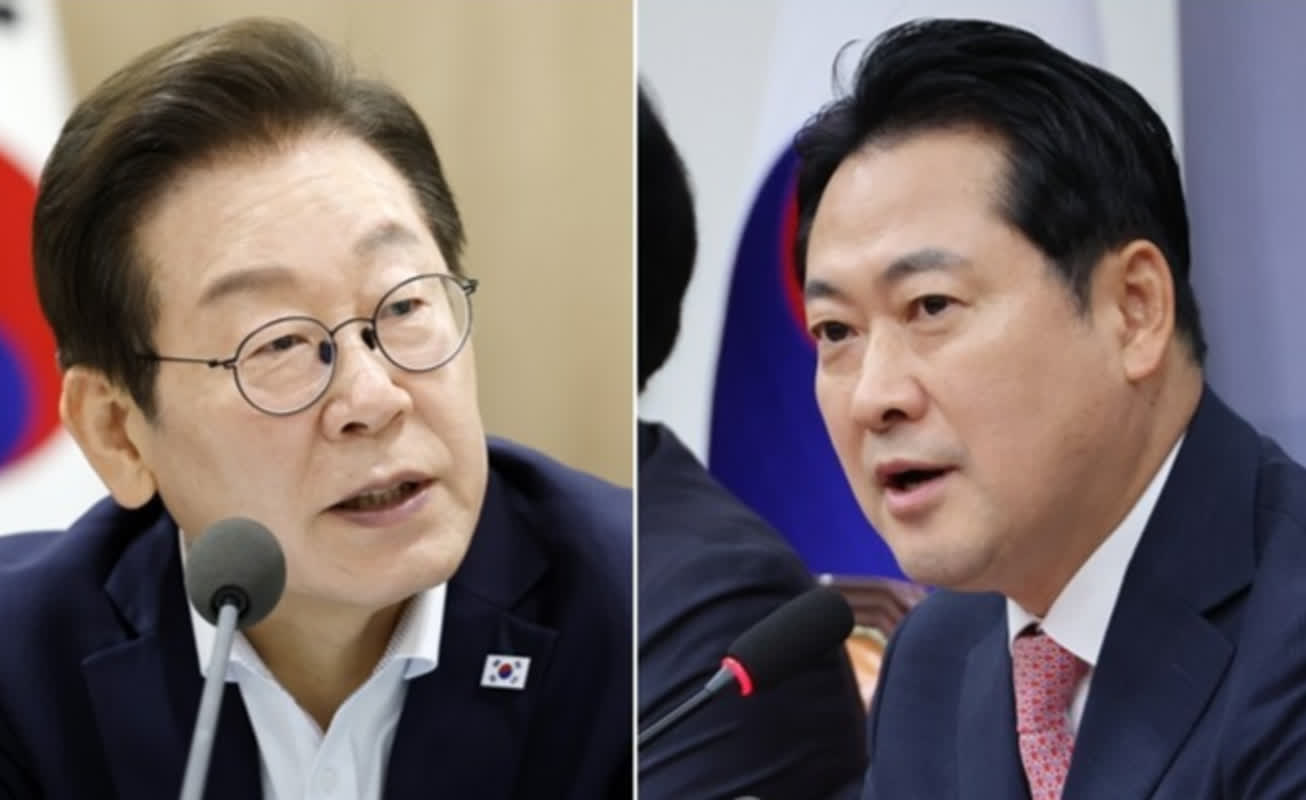
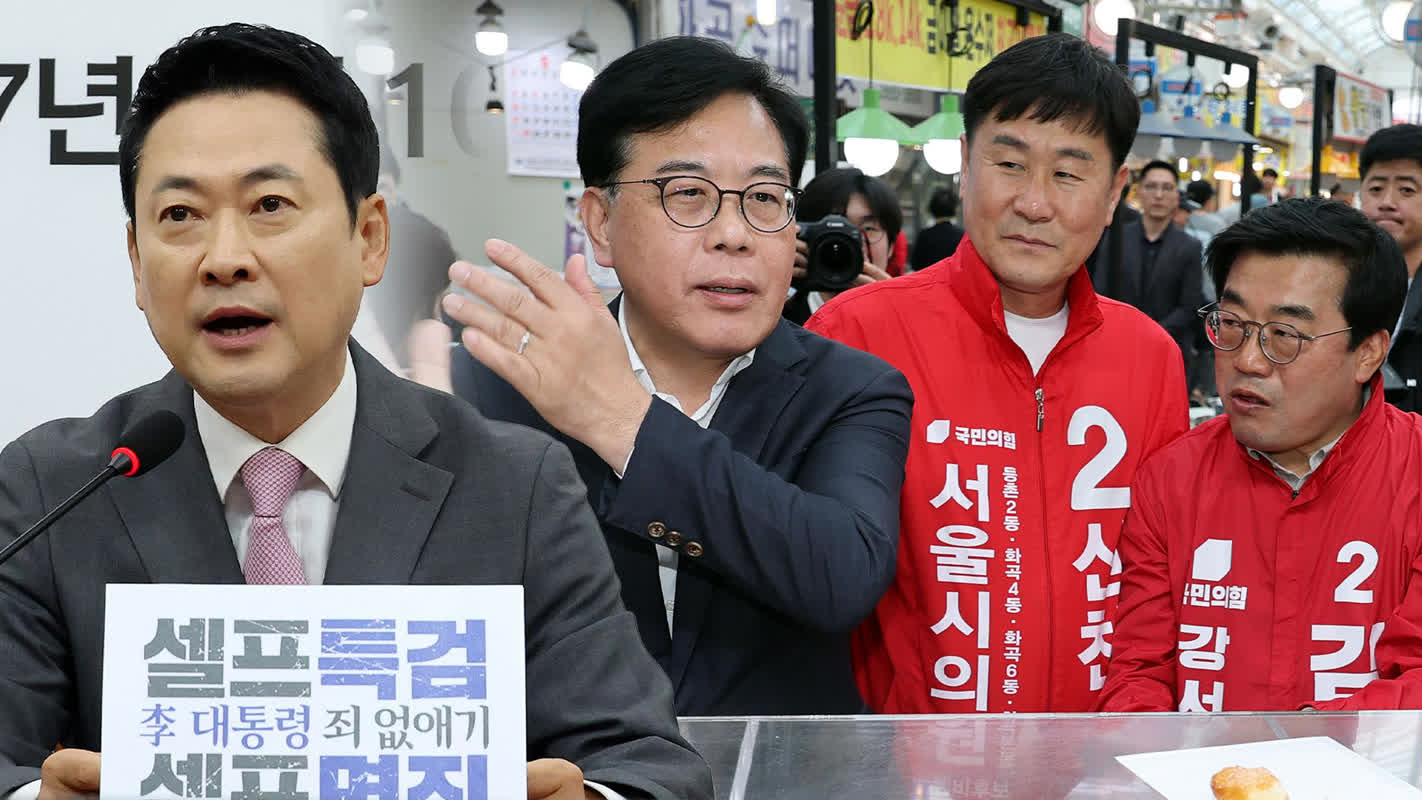
The Lee Jae‑myung administration included enshrining Sejong as the administrative capital on its national agenda and has said, subject to social consensus, it will pursue completion of Sejong through the full relocation of the National Assembly and the presidential office. The main opposition People Power Party has also engaged in the debate. Party leader Jang Dong‑hyuk described completing Sejong as an urgent national task and proposed pursuing a constitutional amendment and a special law in parallel. Floor Leader Song Eon‑seok urged lawmakers to accelerate passage of a Sejong administrative capital special law, saying it faces no substantive partisan opposition.
Some legal experts and lawmakers argue that Sejong’s status could be established through a special law separate from a constitutional amendment. Given procedural uncertainties, including the need for a referendum, they contend that pursuing a special law is a viable alternative.
Still, many in the local community insist that constitutional enshrinement remains essential. To avoid disputes over customary constitutional interpretation, they propose adding a clause that the capital shall be determined by law and then specifying Sejong as the administrative capital in the special law currently before the National Assembly.
Observers note that, to hold a constitutional amendment referendum on local election day, lawmakers must submit an amendment proposal by the 7th of next month, which requires prompt political decision‑making. Speaker Woo has asked both parties to form the parliamentary constitutional amendment special committee by the 17th, and attention now focuses on whether lawmakers will reinstate language to enshrine Sejong as the administrative capital during upcoming discussions.
Sejong Mayor Choi Min‑ho criticized the omission, saying, \"Leaving out the administrative capital from the amendment is nothing more than insincere political rhetoric aimed at winning votes in the Seoul region.\"
A local political official said, \"Excluding Sejong’s enshrinement from the amendment talks amounts to admitting a lack of will for balanced national development,\" and added that the omission contradicts the Lee administration’s stated goals of national balance and completing the administrative capital.