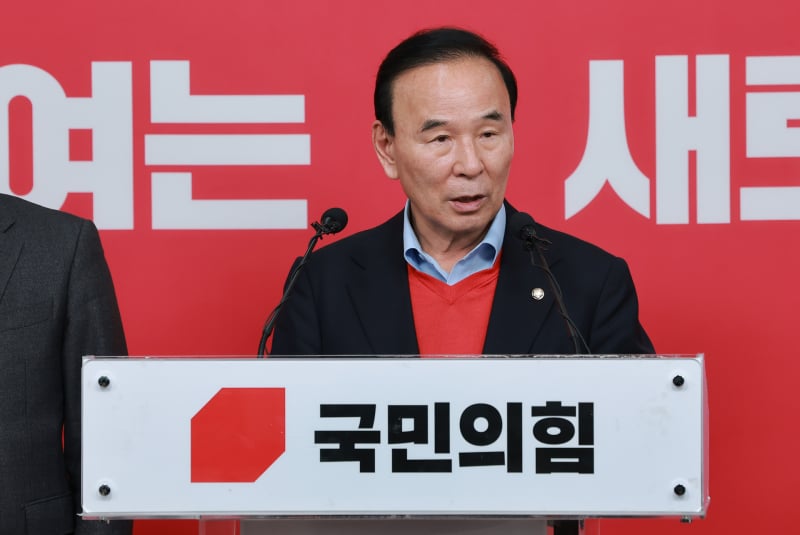
As the June 3 local elections — together with as many as 17 parliamentary by-elections — expand into what amounts to a “mini-general election,” the People Power Party has begun shoring up its line-up by confirming three candidates in difficult districts. The party moved quickly to fill seats where its chances are slim, aiming both to avoid criticism for not fielding candidates and to at least gauge grassroots sentiment on the ground.
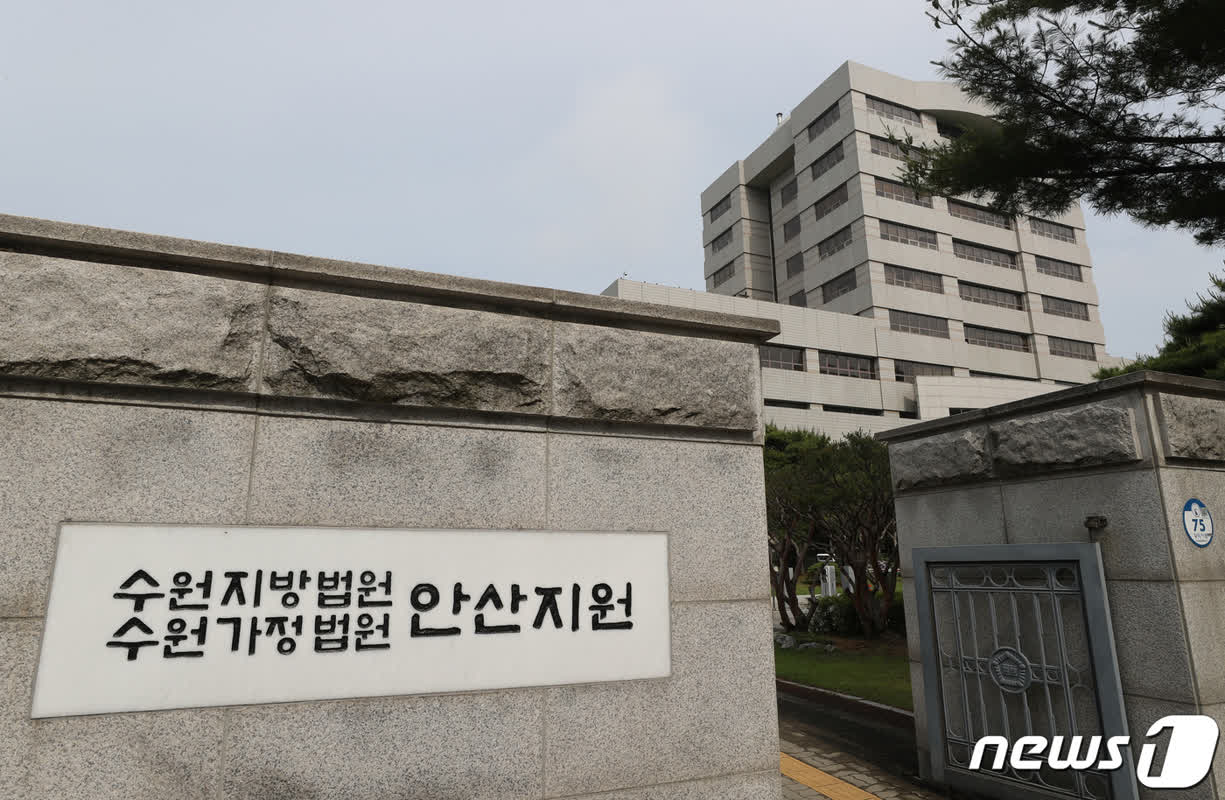
On April 22, the party’s Candidate Selection Committee recommended single candidates for three districts: Asan in South Chungcheong (Kim Min-kyung, former publicity commissioner of the National Unity Committee), Ansan Gap in Gyeonggi Province (Kim Seok-hoon, chief spokesperson for the Gyeonggi Provincial Party), and Gunsan·Gimje·Buan Gap in North Jeolla (Oh Ji-seong, former party branch chair). These are Democratic Party strongholds and present tough challenges for the People Power Party.
Political commentator Kim Sang-il said the party often finalizes candidates first in districts with low winning prospects and minimal internal controversy. “They want to name candidates quickly so those nominees can at least mount a basic defense on the ground,” he said. With the party’s support hovering in the low-20 percent range, the strategy is also meant to save time and money on primaries and to prevent a sweeping defeat by getting candidates into the field early.
By contrast, the nomination in Pyeongtaek, Gyeonggi — now a major battleground because of the Cho Kuk factor — was abruptly postponed. Although four candidates, including former lawmaker Yoo Ui-dong, completed interviews, Cho Kuk’s entry into the race upended the dynamics and prompted the committee to pause. Committee chair Park Deok-heum said, “We’ll hold off another day or two,” signaling that the panel has yet to find a candidate who can blunt Cho’s symbolic appeal.
That day, the party also announced nominations for regional executive posts: former lawmaker Lee Jung-hyun as the unified candidate for Jeonnam–Gwangju mayor, and Yang Jung-moo, a former party branch chair, for North Jeolla governor. Like the by-election districts, these races are considered extremely difficult terrain for the ruling party. Kim Sang-il said the placements reflect an effort to position figures aligned with the Jang Dong-hyuk leadership.
Remaining by-election nominations are also likely to be completed as a rapid round of single-candidate recommendations rather than through a prolonged search for highly competitive figures.
Meanwhile, the party’s traditional stronghold of Daegu has been roiled by internal conflict. The Democratic Party moved early to nominate former Prime Minister Kim Boo-kyum as its mayoral candidate in Daegu. Inside the People Power Party, MPs Choo Kyung-ho and Yoo Young-ha are competing in the main primary, but questions have arisen about whether ousted MP Joo Ho-young and former commissioner Lee Jin-sook might run as independents. In short, nomination disputes are not confined to difficult by-election districts; they are spreading even in the party’s historic bastions.