Wi Seong-gon Beats Moon Dae-rim in Runoff, Advances to General Election
People Power’s Seoul Mayoral Nominee: Oh Se-hoon…Will Face Jeong Won-o
People Power Left With Daegu, North Chungcheong Primaries and By-elections Remaining
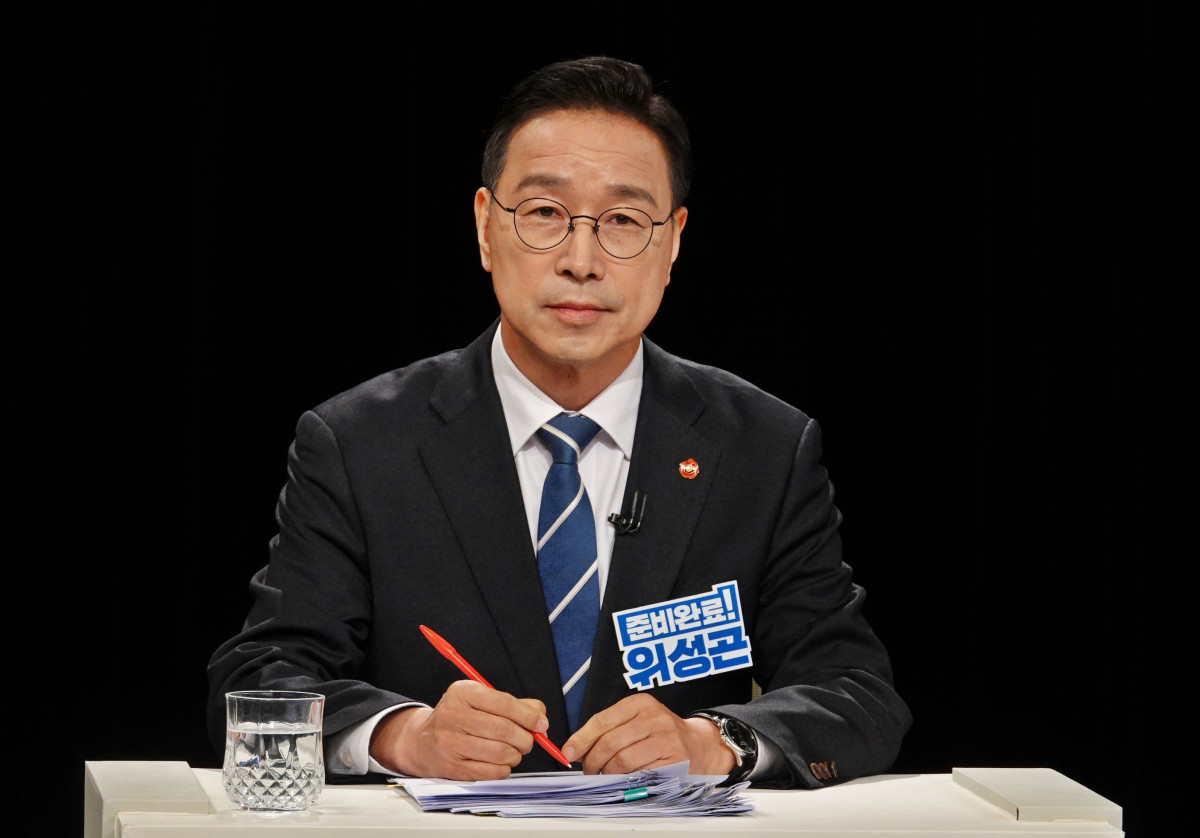
The Democratic Party’s Jeju gubernatorial primary proceeded to a runoff, which Rep. Wi Seong-gon won. The party closed out a roughly 50-day campaign to nominate regional heads — which began Feb. 27 with the uncontested nomination of Gangwon’s Woo Sang-ho — by naming candidates for all 16 jurisdictions. On the same day, the People Power Party confirmed incumbent Mayor Oh Se-hoon as its Seoul nominee, completing the metropolitan matchups for the June 3 local elections.
On the evening of the 18th, the Democratic Party’s central election committee announced the runoff tally at its Yeouido headquarters in Seoul and formally confirmed Wi’s advancement to the general election. Committee Chair So Byung-hoon spoke at the event. The runoff, held over three days starting the 16th, combined 50% registered party-member votes with 50% results from a secure-number public opinion poll of local voters. Under party rules, individual candidates’ vote shares were not disclosed.
Immediately after the result, Wi said, "This victory is not mine but a precious win born of residents’ desire for a better Jeju and party comrades’ wish for change and unity." He pledged, "I will join forces with candidates Moon Dae-rim and Oh Young-hoon to secure the Democratic Party’s victory in the governor’s race." Moon conceded at his campaign office, acknowledging concerns about the 25% deduction rule and saying he would devote his full efforts to help Wi’s campaign.
Wi, who served as student body president at Jeju University in 1991, is one of the three activist figures who entered the Jeju Provincial Assembly in 2006 alongside Moon and Governor Oh. After the 20th general election, he served three consecutive terms representing Seogwipo. In the general election he will face People Power’s Moon Seong-yu, former CEO of Korea Asset Management Corporation; Progressive Party candidate Kim Myeong-ho; and independent Yang Yun-nyung. If Wi resigns his parliamentary seat, a by-election will be triggered in Seogwipo.
Despite concluding the race within two months under a "four no’s" pledge — no unfair cutoffs, no moral failings, no parachute candidates, and no corruption — the Democratic Party still faces fallout. Shortly after Lee Won-taek’s confirmation in the North Jeolla primary, Rep. Ahn Ho-young began a hunger strike in front of the National Assembly main building on the 11th, alleging inadequate scrutiny of alleged paid meal expenses. The party’s reexamination committee rejected Ahn’s appeal on the 14th, but he continues the hunger strike and is demanding a reinvestigation by the ethics oversight unit. Police also searched Lee’s constituency office and other locations on the 15th and opened a formal investigation. The primaries produced notable upsets: five incumbent governors and mayors — including Governor Oh, Gyeonggi Governor Kim Dong-yeon, Jeonnam Governor Kim Young-rok, Gwangju Mayor Kang Ki-jung, and North Jeolla Governor Kim Kwan-young — failed to make the general election ballot.
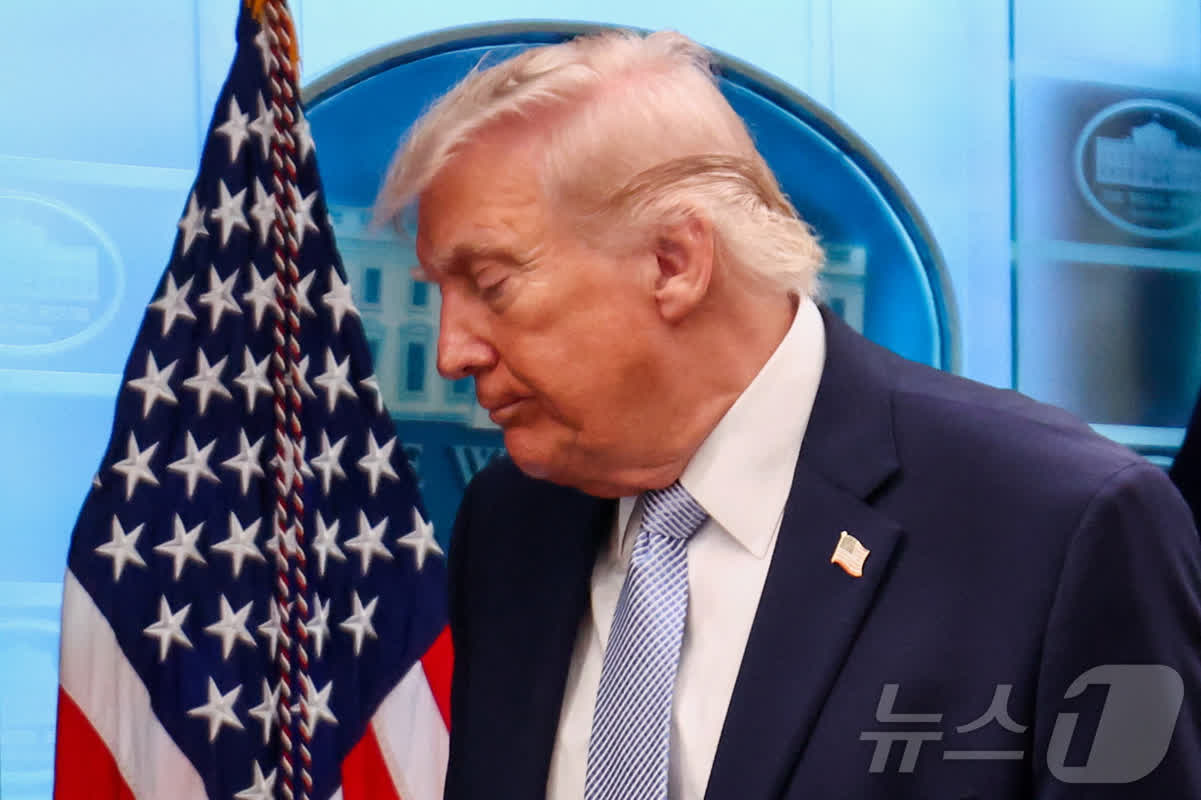
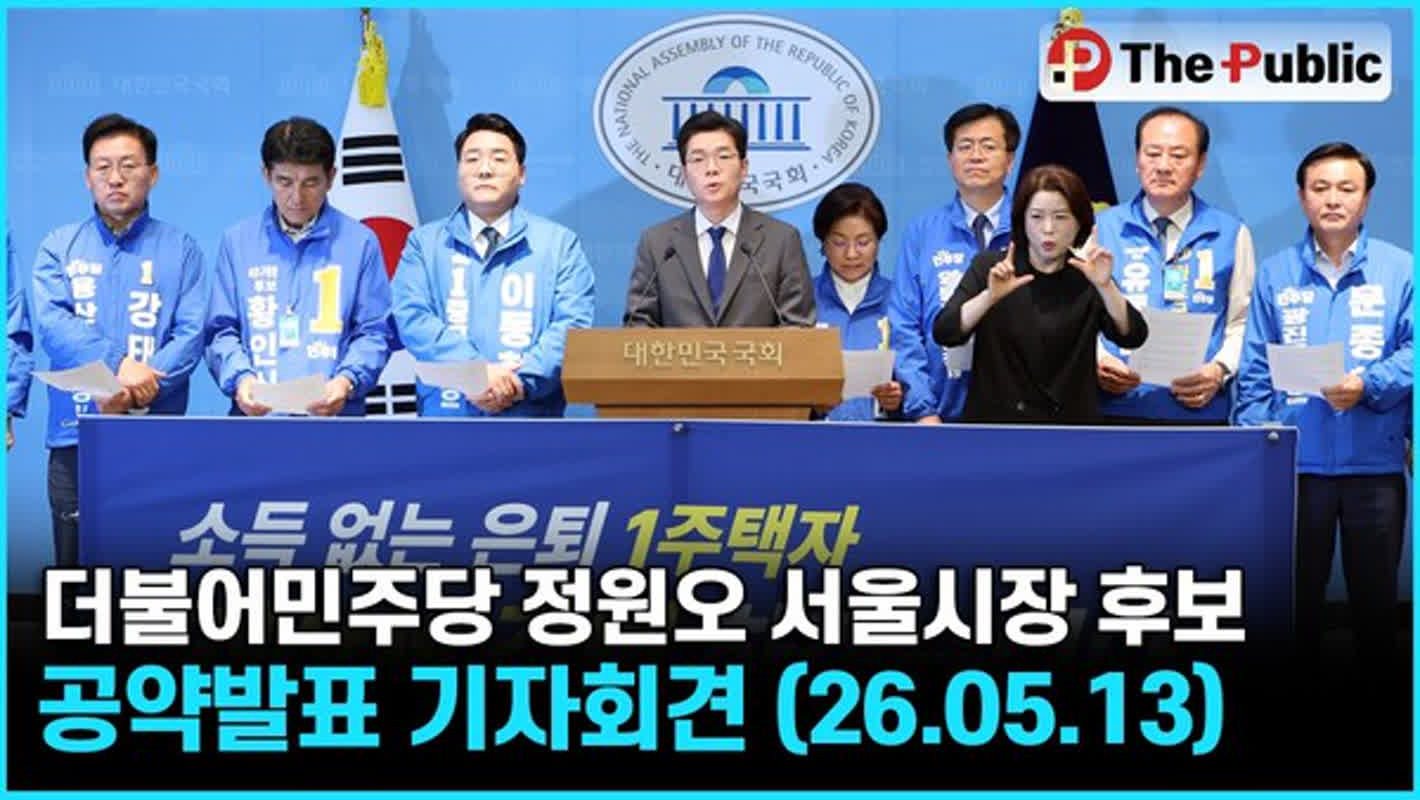
The People Power Party confirmed Mayor Oh Se-hoon as its final candidate the same day, setting up a metropolitan contest against former Seongdong District Mayor Jeong Won-o (Democratic Party). Park Deok-heum, chair of the party’s nomination committee, announced at the Yeouido headquarters that Oh defeated Rep. Park Su-min (first-term, Seoul Gangnam-eul) and former lawmaker Yoon Hee-sook. The primary combined 50% votes from registered party members and 50% public opinion polling conducted on the 16th–17th. Born in 1961, Oh would become the first popularly elected five-term Seoul mayor (and the first to serve three consecutive terms) if he wins. At a press conference immediately after his confirmation, Oh warned, "If we cede Seoul, the last brake on this administration’s overreach will disappear and Korea’s democracy will face mortal danger," framing this election not as a routine four-year vote but as a decisive battle to restore the rule of law and rebalance democratic institutions.
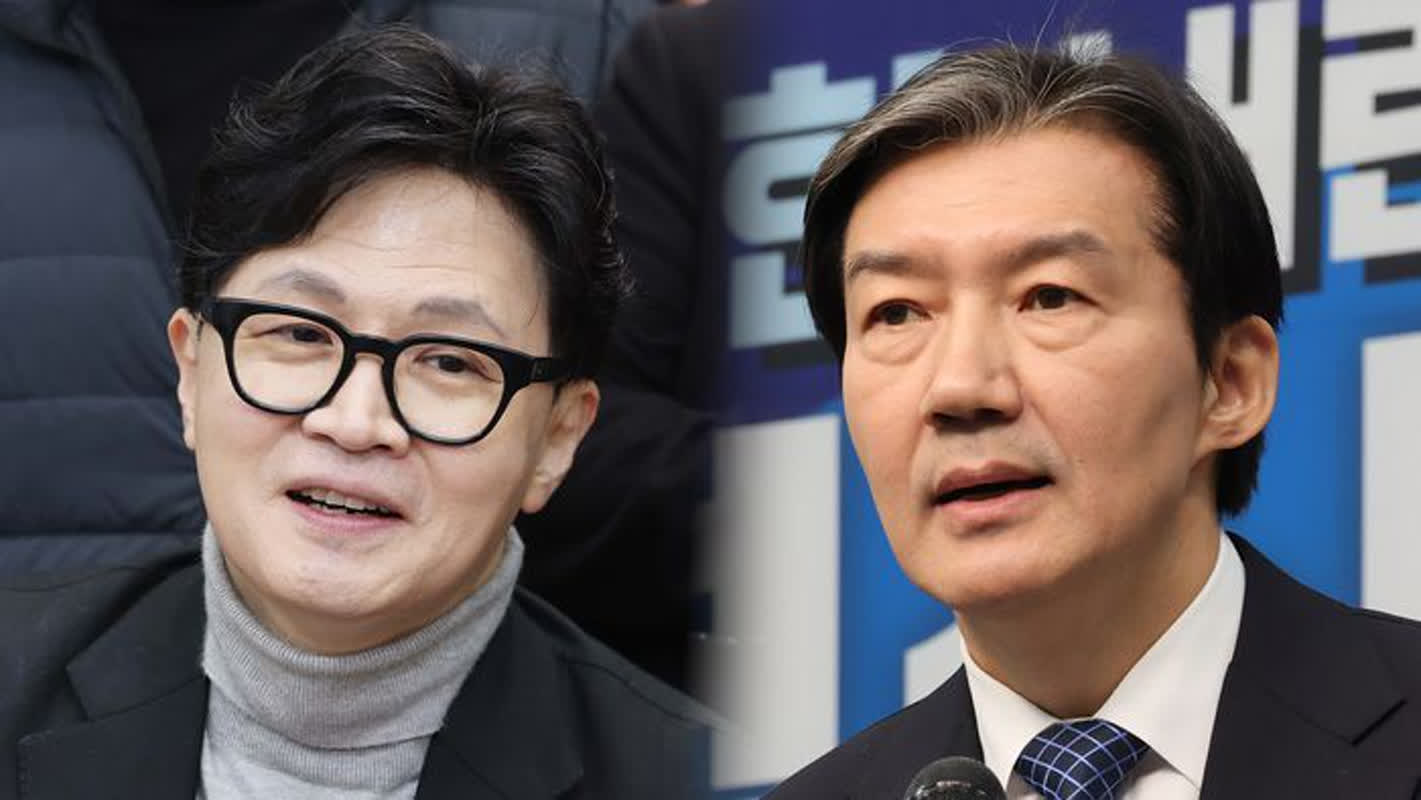
The People Power Party still has primaries left for the Daegu mayoral and North Chungcheong gubernatorial races. In Daegu, preliminary results on the 17th advanced Reps. Yoo Young-ha and Chu Kyung-ho to the main primary; after votes on the 24th–25th, the final nominee will be decided on the 26th. For North Chungcheong, former Daegu High Prosecutors' Office chief Yoon Gap-geun, who cleared the preliminaries, will face Governor Kim Young-hwan on the 25th–26th, with the final nominee chosen on the 27th. Expelled former party leader Han Dong-hoon has registered residency in Mandeok, Buk-gu, Busan and has effectively signaled a bid in the Busan Buk-gu-gap parliamentary by-election. Reports indicate cut-off figures such as National Assembly Deputy Speaker Joo Ho-young and former KCC chair Lee Jin-sook are considering independent runs, so criticism of a noisy, contentious nomination process is likely to persist through the end of the month.
With regional nominations complete, the Democratic Party has shifted fully into by-election mode. On the 17th, the leadership announced the first recruit for the by-elections: Ulsan-born attorney Jeon Tae-jin, whom the party will field strategically in Ulsan Nam-gu-gap, the seat held by Rep. Kim Sang-wook. Starting next week, the party will activate a strategic nomination committee to discuss candidacies for 13–17 confirmed or expected by-election districts. However, negotiations over an electoral alliance have stalled after Cho Kuk, leader of the Innovation Party, announced on the 14th that he would run in Pyeongtaek, putting his call for strategic nominations across all by-elections at odds with the Democratic Party and setting the stage for an intra-opposition tug-of-war over the early contours of what could become a "mini-general election" by-election landscape.