Kia PV5 Open Bed and WAV stake their claim as top-value commercial EVs
Within Kia’s commercial EV lineup, the PV5 Open Bed and WAV are the models drawing the most attention. As fleets worldwide accelerate the shift to electric, Kia is positioning these two vehicles at the center of the value segment. Both were engineered for a broad range of business uses and optimized to deliver the environmental benefits and operating-cost savings that make electrification attractive to fleet operators. Calling them the peak of value for their class is no overstatement.
Why Kia developed the PV5 Open Bed and WAV
The PV5 Open Bed and WAV respond directly to growing commercial EV demand. With operators moving away from internal-combustion platforms, Kia focused on practical, purpose-built designs. The PV5 Open Bed uses an open-bed layout tailored for cargo hauling and urban delivery routes. The WAV emphasizes passenger transport and multipurpose flexibility. Both models aim to provide measurable operational value, not just expand EV options on paper.
Design and practicality: where value becomes tangible
Kia prioritized usability across exterior packaging, cabin layout, loading efficiency and access. The PV5 Open Bed delivers a low load floor and a broad cargo area that simplifies moving tools and materials on worksites. The WAV offers a roomy interior and configurable seating to support shuttles, rentals and other multiuse roles, with easy boarding and alighting. Those design choices convert directly into performance per dollar, with every detail tuned to lower operating costs in real-world service.
Technical advantage from an EV-first platform
Both models ride on a dedicated electrified architecture that places the battery under the floor, lowering the center of gravity and improving stability. The modular platform allows multiple body variants while maximizing interior volume and cargo efficiency versus comparable rivals. The electric powertrain also delivers strong low-end torque—an advantage in stop-and-go urban driving and loaded runs—while low NVH (noise, vibration, harshness) reduces driver fatigue and supports longer, more productive shifts.
Battery efficiency and range: the core of real-world value
For commercial buyers, range and charging speed are decisive. Kia equips the PV5 Open Bed and WAV with high-density battery packs that enable up to roughly 400 km (about 249 miles) on a single charge—suitable for most urban and short regional routes. Fast-charging capability restores more than 80% charge in roughly 30 minutes, minimizing downtime. Improved battery durability and longer service intervals cut lifecycle maintenance costs, helping these models lead their segment on total cost of ownership (TCO).
Driver-focused safety and convenience
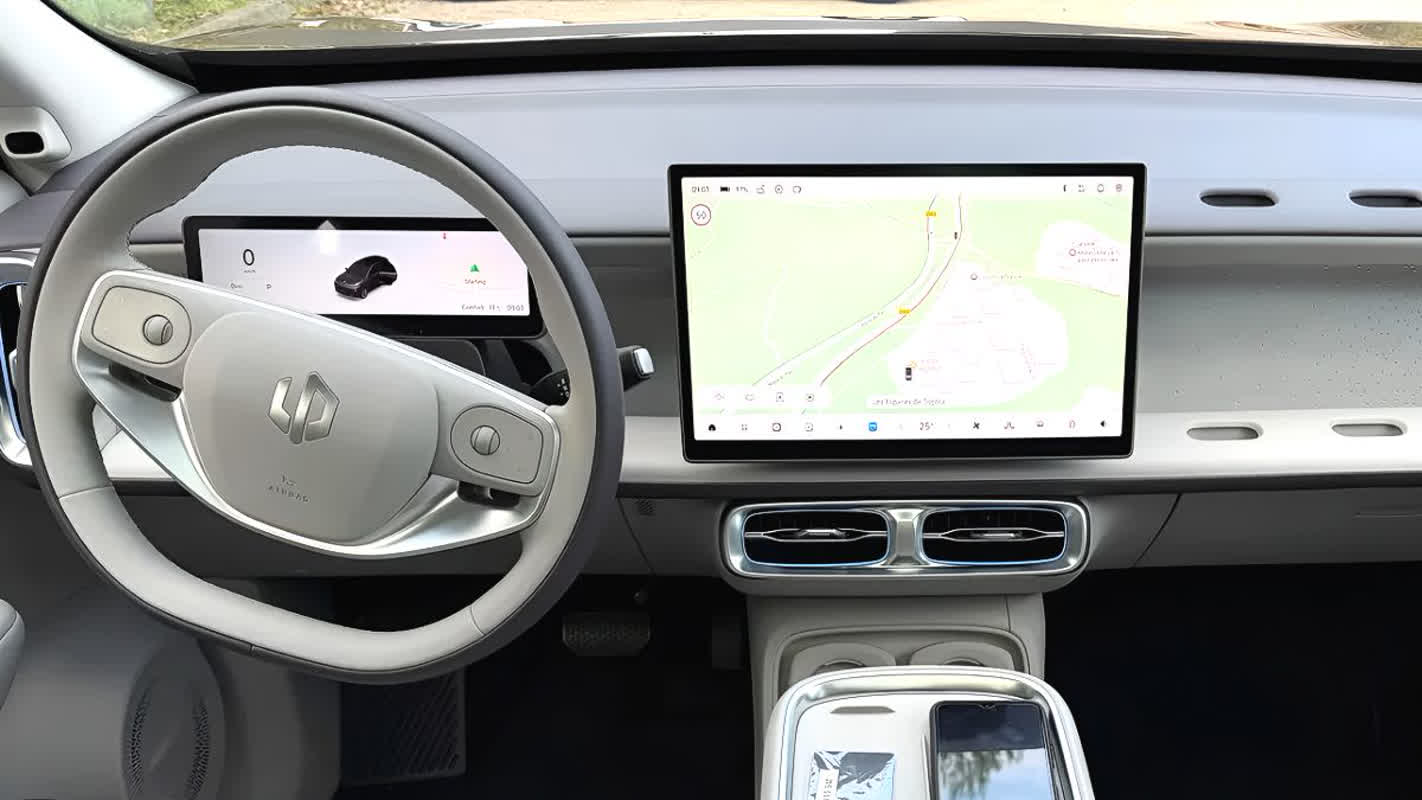
Despite their commercial focus, the PV5 Open Bed and WAV include a broad suite of ADAS and comfort features. Front-collision mitigation, lane-keep assist, adaptive cruise control and 360-degree surround-view systems are available as standard or optional equipment, helping drivers stay safe in dense urban traffic and long shifts. Inside, large digital clusters and touchscreen infotainment systems modernize the cabin, while wireless smartphone charging and connected-car services enhance operator convenience. Offering those features at competitive price points strengthens the vehicles’ value proposition.
Broader lineup and tailored solutions for fleets
Kia offers multiple variants so businesses can match vehicles to mission profiles. The Open Bed is available in standard, long-bed and specialty configurations for logistics, construction, delivery and service fleets. The WAV offers seating layouts such as 7- and 9-passenger options, making it suitable for shuttles, rental operators and multipurpose fleets. That breadth of choice helps fleet managers optimize utilization and cost-efficiency.
Environmental benefits and strategic value
Beyond fuel savings, electric commercial vehicles reduce carbon emissions and improve urban air quality. The PV5 Open Bed and WAV enable zero-emission operation for urban delivery and public-service roles, aligning with fleet sustainability goals and ESG commitments. Government incentives and local subsidies further lower purchase costs. As emissions regulations tighten, these models offer both environmental and financial advantages for corporate operators.
Operational data that backs the value claim
Real-world fleet data reinforce the models’ economics. Operators in logistics, parcel delivery, rental and government fleets report average daily distances around 200–300 km (about 124–186 miles). Compared with diesel counterparts, fuel-cost savings approach roughly 60%, while extended maintenance intervals and longer battery replacement cycles reduce lifecycle expenses. Interviews with drivers and fleet managers consistently cite higher efficiency, improved comfort and meaningful cost savings—evidence that the PV5 Open Bed and WAV deliver value in operation.
How they compare with rivals
Several competitors target the commercial EV market, but Kia’s offering stands out for cargo volume, competitive range, safety and convenience features, and pragmatic pricing. Kia’s global service network and parts availability also support long-term ownership and resale, important considerations for fleet economics. Those combined strengths explain why the PV5 Open Bed and WAV rate highly on value against comparable models.
Market reception and outlook
Since launch, both models have attracted strong interest. Preorders and corporate purchases from large and small businesses are rising, and export momentum is growing. Analysts expect commercial EV adoption to accelerate, and Kia’s share in the segment should expand as fleets switch to electric powertrains. Future enhancements—autonomy, deeper connectivity and integrated energy management—could further boost their competitive position. Current market feedback indicates businesses see the PV5 Open Bed and WAV as practical, cost-effective choices.
Conclusion: PV5 Open Bed and WAV shaping the future of commercial electrification
In sum, the Kia PV5 Open Bed and WAV blend cost efficiency, practicality, environmental benefits and forward-looking capability. They present compelling options for operators evaluating electric commercial vehicles, and real-world performance and customer feedback place them among the top value choices in their class. As fleet electrification progresses, these models are poised to influence how commercial operators measure value in the electric era.