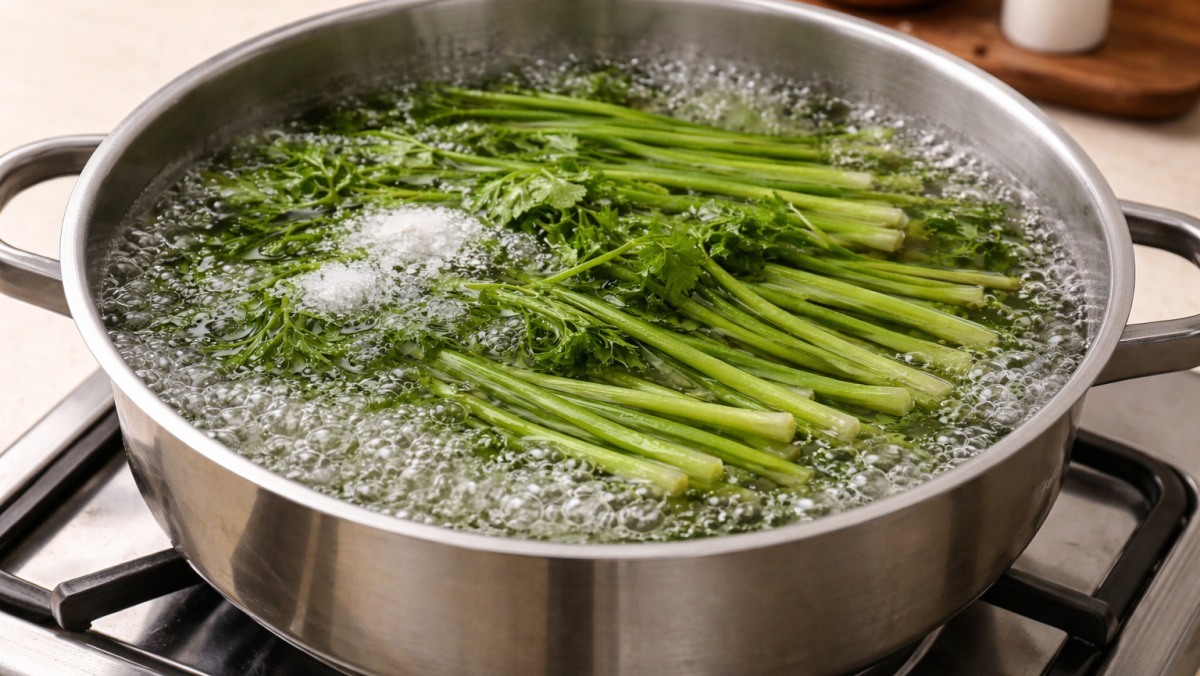
Few ingredients perk you up and sharpen the appetite during seasonal shifts like minari, the Korean water herb. With its fresh, green aroma and satisfyingly crisp bite, minari has long been celebrated as a natural detox that helps the body flush out waste.
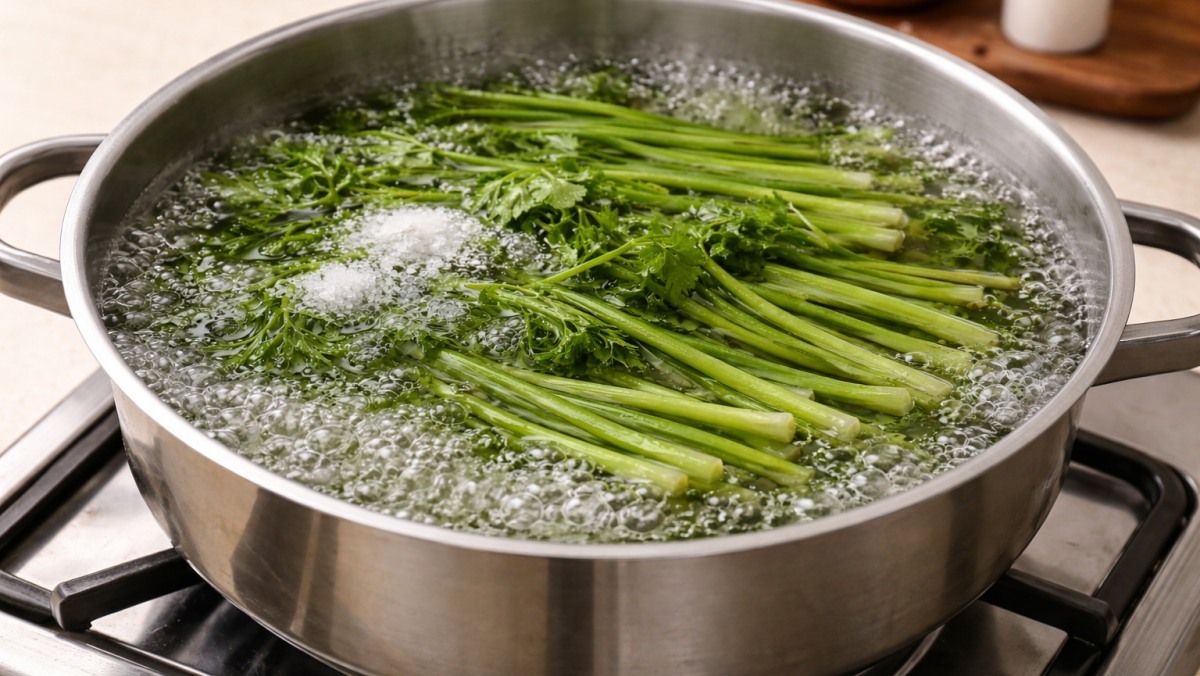
Today’s quick win is a simple homemade minari salad you can toss together in no time.
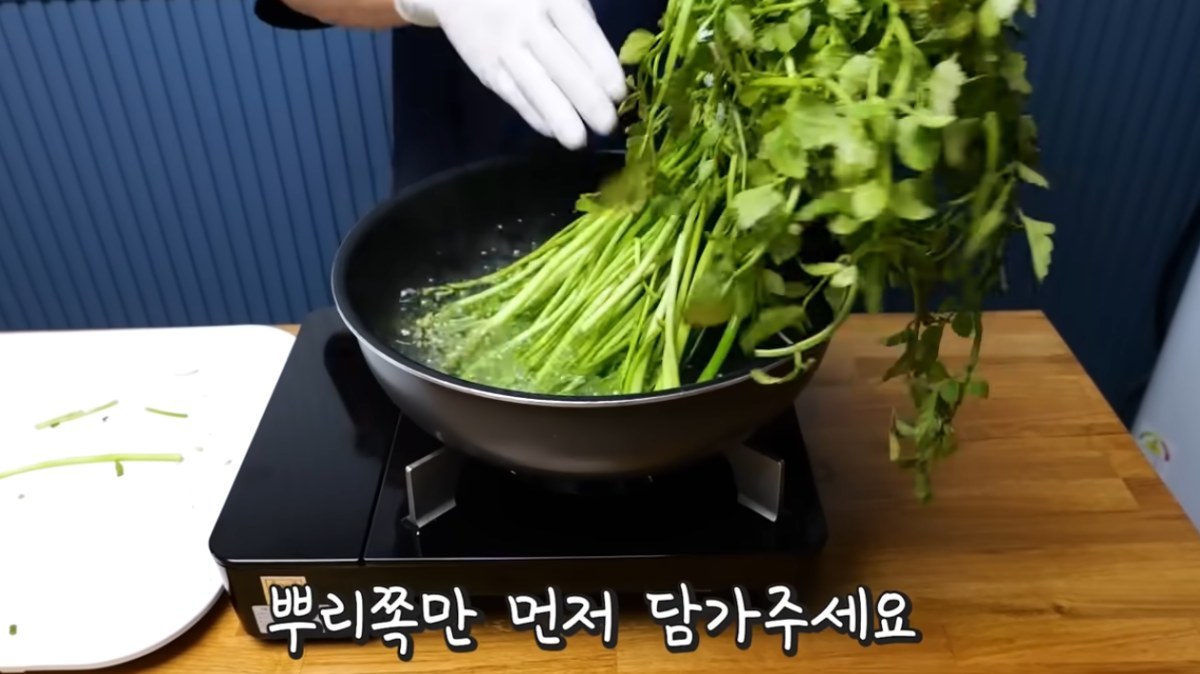
Next, blanch the stalks from the root up for about 1 minute. Don’t let them go longer—overcooking makes them tough. After blanching, rinse immediately in cold water to stop the cooking. Rinse until the stalks lose their shine, then squeeze out the excess water.
Lay the drained minari on a cutting board and cut into 4–5 cm pieces (about 1.5–2 inches). Slice each piece once down the middle and transfer them to a mixing bowl.
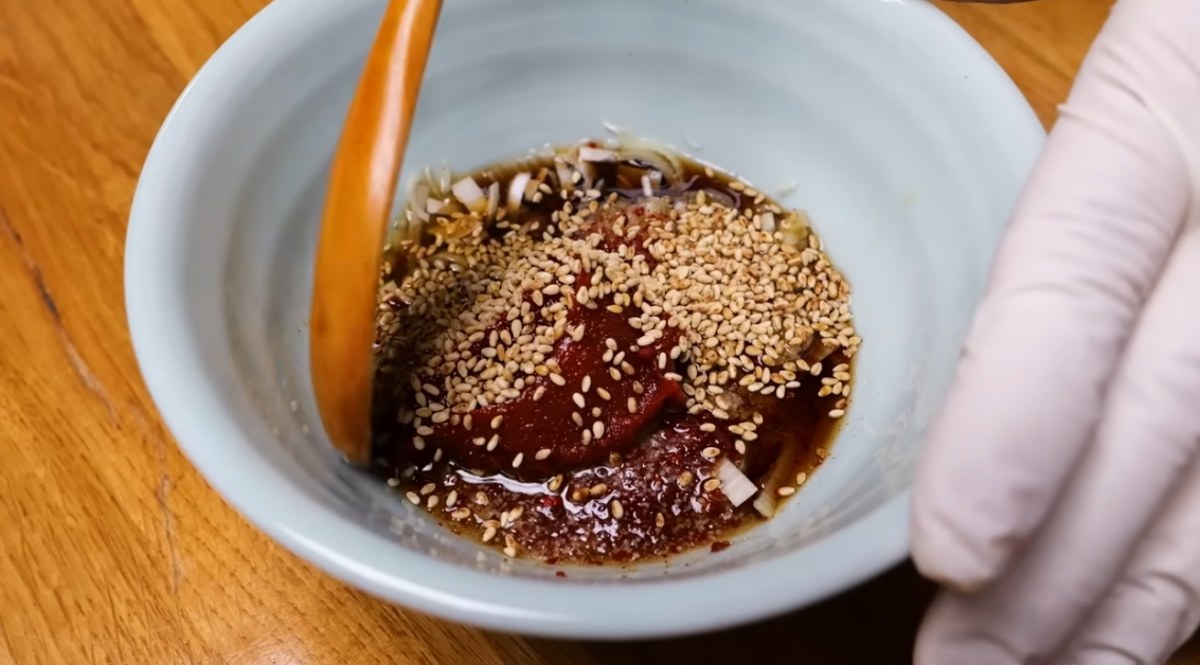
Use only 1/2 tablespoon of sesame oil to avoid any bitter aftertaste. Finish by stirring in 1 tablespoon gochujang (red chili paste) and 1 tablespoon toasted sesame seeds. Toss the dressing with the minari, gently massaging to coat each stalk. You’ll end up with a bright, tangy salad with a pleasant kick.
Ingredients that pair well with minari

Traditionally, it’s served with pufferfish (fugu). In Korea, minari often accompanies pufferfish dishes because it’s believed to help neutralize the toxin tetrodotoxin.
It also pairs beautifully with pork. As an alkaline food, minari can help the body clear heavy metals associated with acidic meats, and its fragrant greens help mask any lingering gaminess.
Garland chrysanthemum (ssukgat) is another nice companion. Tossed together in a salad or added to stews, the combo can enhance beta-carotene absorption and support blood-pressure regulation.
And that splash of vinegar in the salad isn’t just for tang. Vinegar helps preserve vitamin C in the minari and can stimulate metabolism, which may help relieve fatigue.
Tips for using leftovers and long-term storage
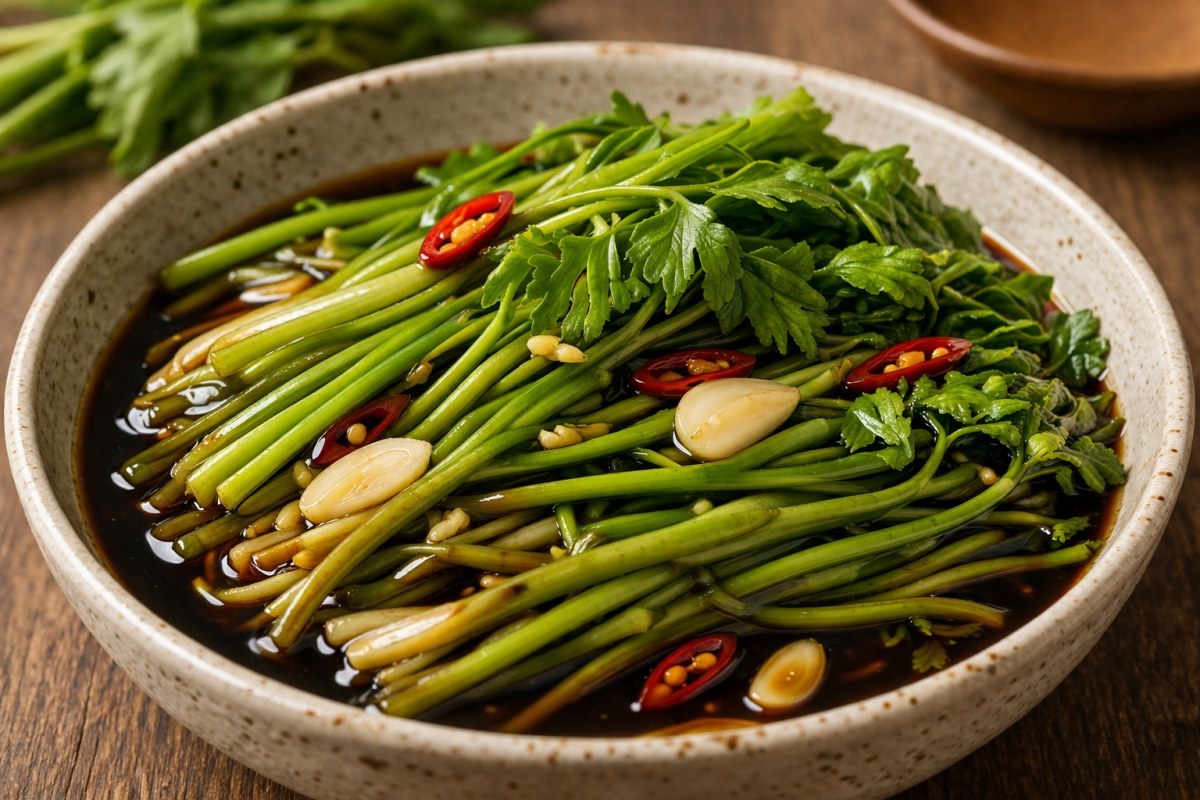
There are other great ways to enjoy it. For minari pancakes, use minimal batter and pack the greens densely so the pancake cooks up crisp; adding dried shrimp or squid amps the umami. To make pickled minari (jangajji), boil soy sauce, sugar, and vinegar in a 1:1:1 ratio, cool the liquid, and pour it over raw minari. The pickling lets the herb’s aroma infuse the sauce, making it a perfect side for meat dishes.
Health benefits of minari

The vegetable’s high fiber content helps bind and remove harmful substances from the gut. Through blood-purifying effects, it may also help reduce risks associated with vascular conditions such as hypertension and atherosclerosis. To keep these benefits intact, stick to the quick-blanch method to minimize vitamin loss.