The herald of spring on your table is back—the season for dallae (Korean wild chives) has arrived. When you spot those bright green stalks at the market, your mind likely drifts to dallaejang. A generous spoonful stirred into hot white rice can beat out fanciest dishes. But homemade versions often miss the mark, tasting like plain salty soy sauce and leaving you underwhelmed.
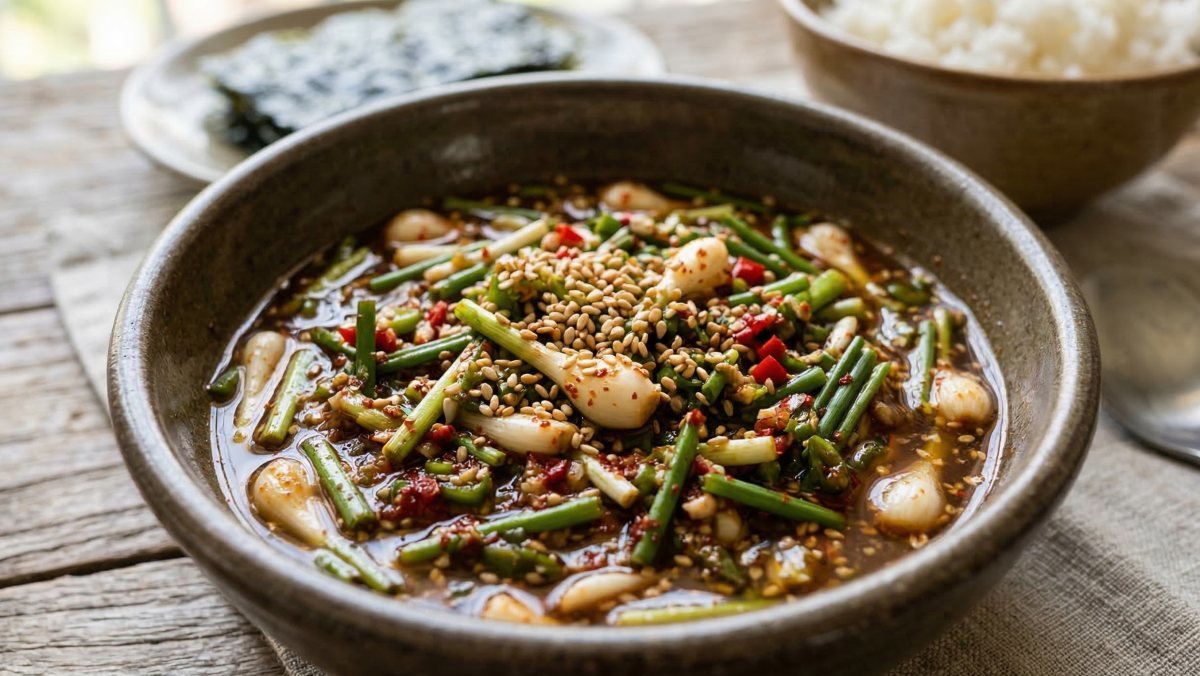
The biggest mistake people make is leaning entirely on soy sauce. Real dallaejang isn’t about soy sauce’s saltiness—it’s about showcasing the delicate aroma of dallae and lifting that scent with proper umami. This recipe ditches one-note soy sauce by bringing fish sauce into play to magnify dallae’s flavor.
Many home cooks reach only for dark or brewed soy sauce. But soy alone can taste sharp and flat. Add fish sauce—anchovy or sand lance—and the depth changes completely.
Aim for a golden ratio of 4 parts soy sauce to 3 parts fish sauce. If the fish sauce aroma feels intense, try 5 parts soy to 2 parts fish sauce. Fish sauce contributes a fermented, savory richness soy alone can’t, so when you mix it with rice it blossoms into a full, satisfying flavor. That’s the little trick that makes this recipe stand out.
While garlic is a cornerstone of Korean cooking, dallaejang is the exception. Dallae is in the lily family and already has a sharp, garlicky bite. Adding minced garlic can smother its subtle aroma—so skip it.
Let dallae be the star. If you want heat, use one cheongyang chili (ttaengcho) instead of garlic. Its clean, bright spice complements the dallae without competing and leaves the finish refreshingly balanced.
1. Ingredients (stick to the basics)
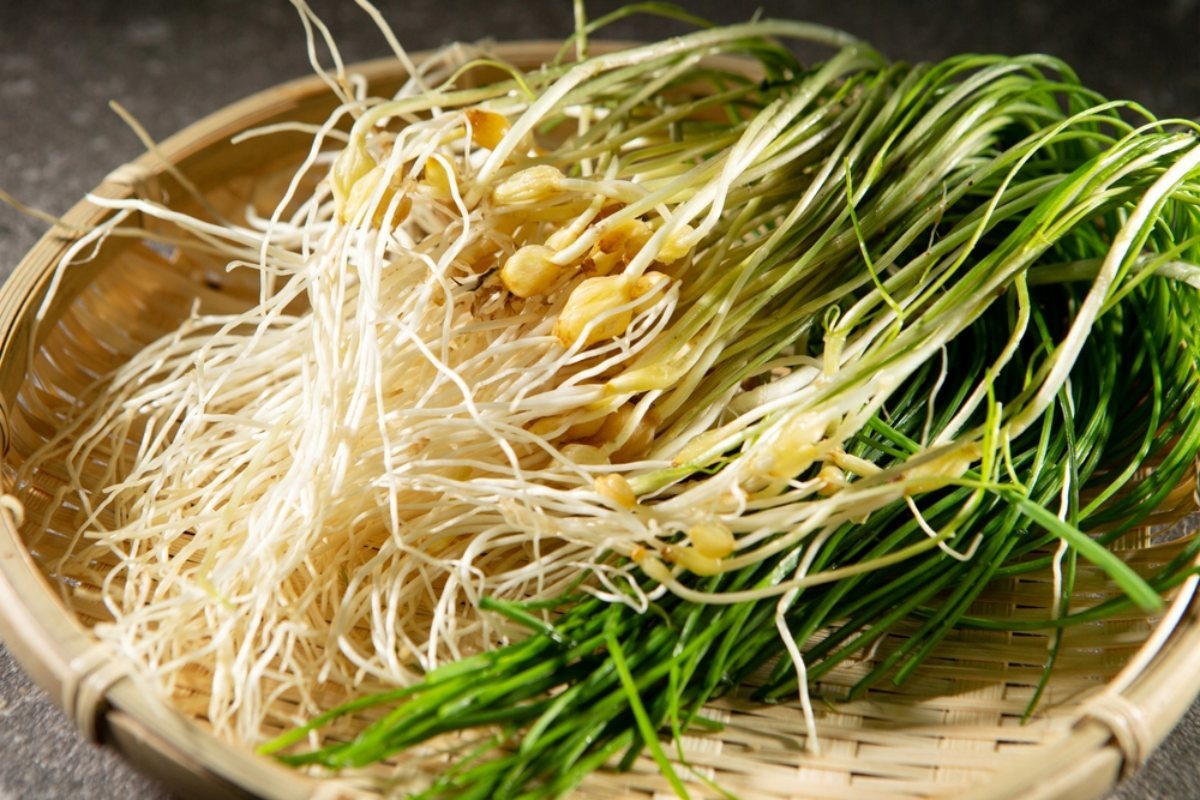
Start with half a bunch of dallae. When prepping, peel back a bit at the base, rinse thoroughly, and squeeze out all the water—too much moisture makes the seasoning sit on top. Add half a red chili for color and one cheongyang pepper for heat. Chop the cheongyang finely so the spice distributes evenly when you mix it with rice.
2. Seasoning mix (tablespoon measurements)
7 tablespoons soy sauce: as noted above, combine 4 parts soy sauce with 3 parts fish sauce (anchovy or sand lance).
4–6 tablespoons water: undiluted soy sauce can be too salty and makes it hard to enjoy lots of dallae. Water cuts the salt so you can pile on more. For mixing with plain rice, 5–6 tablespoons gives a looser, more forgiving texture.
2 tablespoons maesil syrup (plum syrup): adds a subtle sweet-tart note for balance—no cloying sweetness.
About 0.3 tablespoon ginger syrup: optional, but a whisper of ginger refines the dallae’s sharpness.
1 tablespoon gochugaru (Korean red pepper flakes): one tablespoon is enough—more can get heavy.
1 tablespoon sesame oil, 1 tablespoon toasted sesame seeds: finish with a nutty, glossy touch.
First, for kids or picky eaters: if they lean toward sweet rather than deep savory flavors, add 1/2 tablespoon corn syrup. It gives a glossy, approachable sweetness that helps win over little palates.
Second, when serving with bean-sprout rice or rice bowls: swap regular soy for Japanese Kikkoman Tsuyu. Tsuyu’s bonito-like, slightly sweet notes pair beautifully with crunchy bean sprouts, giving you an elevated, Japanese-style dallae topping.
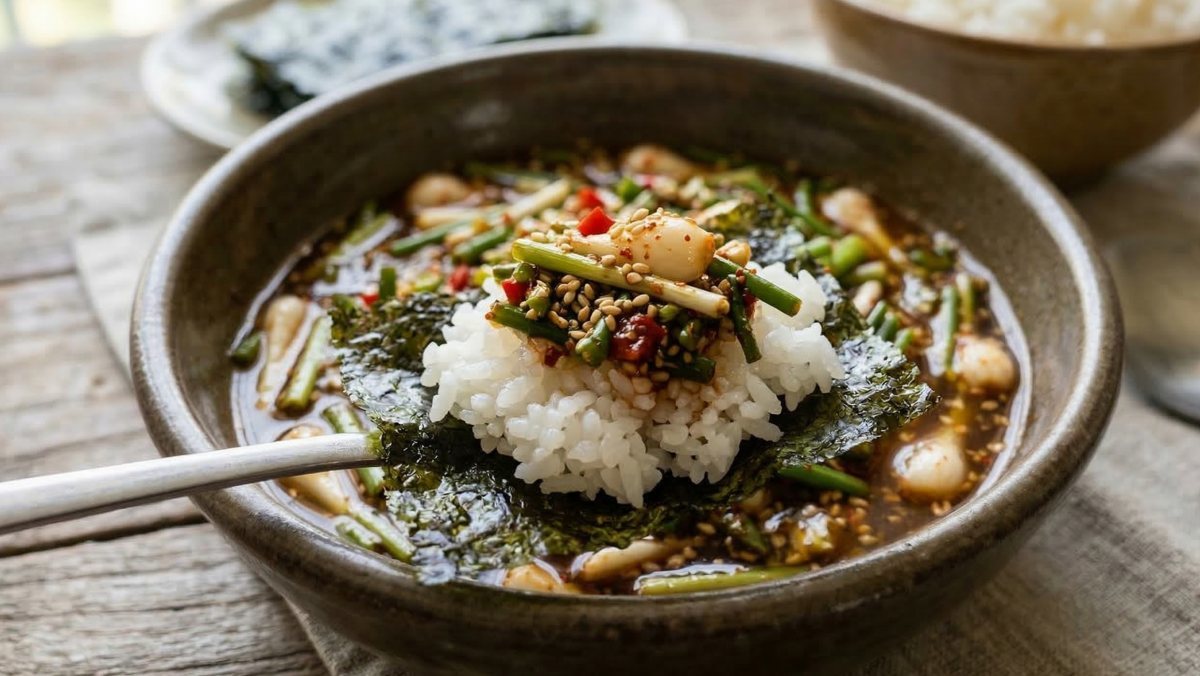
You can eat dallaejang right away, but letting it rest for about 30 minutes helps the flavors meld and the dallae absorb the seasoning. Serve with freshly steamed rice, or heap rice onto a slightly toasted sheet of gopchang gim (crispy roasted seaweed) and pile on the dallae for an especially satisfying bite.
Because this recipe balances fish sauce and water, it won’t taste overly salty—so don’t be shy with the dallae on each spoonful of rice. Remember: this is about eating dallae soaked in the sauce, not about eating the sauce itself.
Spring is short and dallae season flies by. This year, set aside the usual jar of soy and the minced garlic for a moment and trust the magic of a spoonful of fish sauce. The sharp, fragrant burst of dallae will make your spring meals feel richer and more memorable.
Your daily personal horoscope report! How’s your day looking?