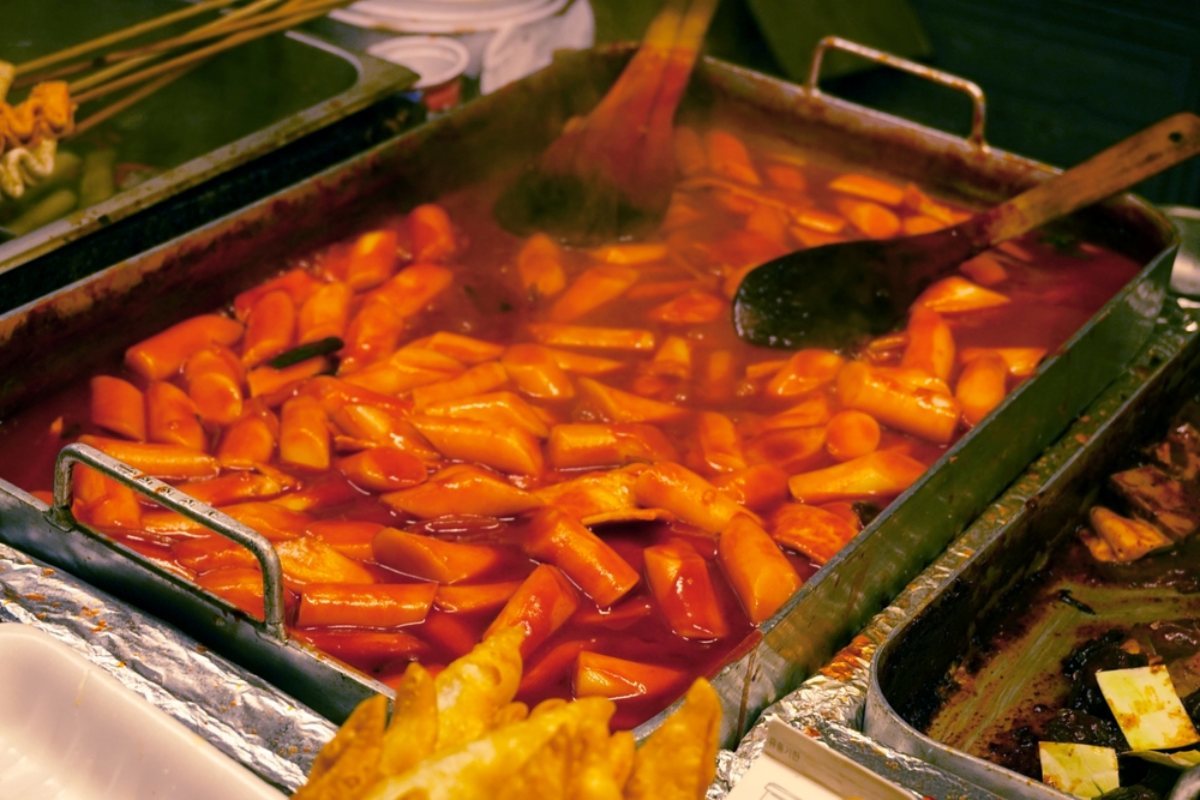
On a mid-afternoon snack craving, tteokbokki is the first thing that comes to mind. Chewy rice cakes bathed in a sweet-and-spicy sauce are one of Korea’s ultimate comfort foods. Yet lots of home cooks complain their versions always fall short. Even when they follow a famous spot’s recipe and splurge on fancy seasonings, they can’t quite capture that warm, deeply rounded flavor you get from buying it on the street.
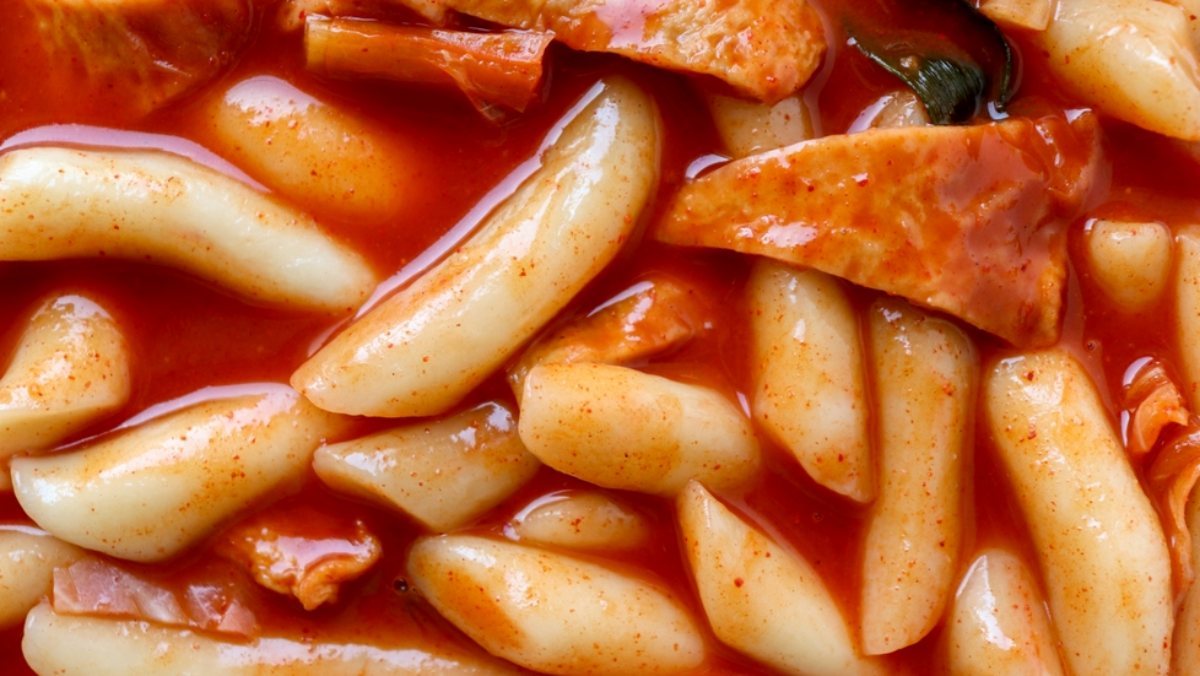
Many chefs and food lovers say the missing 2% in homemade tteokbokki is how the sauce soaks into the rice cakes. Street vendors simmer it on huge iron griddles for a long time, letting the seasoning sink deep into the tteok. At home, quick cooking often leaves the cake and sauce out of sync: the rice cakes taste bland while the broth ends up too sharp.
You can recreate that shop-quality taste at home without fancy tools or secret expensive sauces. The trick is the order you add ingredients—and the unexpected role sugar plays.
Most home cooks wait for the water to boil, dump in gochujang and gochugaru, then add the rice cakes. An F&B reporter suggests a different move: put the rice cakes into the water and add two tablespoons of sugar first, then bring it to a simmer.
There’s a simple, practical reason for this. Simmering the rice cakes in sugar water lets sweetness settle into them first. As the cakes soften, salty seasonings like gochujang and soy sauce you add later can penetrate more deeply and more quickly. When the tteok itself tastes good, the whole dish instantly feels more complete.
Keep the ingredient list minimal. Instead of piling in extras, focus on getting the core ratios right.
Main ingredients: tteok (rice cakes) 250g, fish cakes 180g (use plenty of fish cake—that’s where a lot of the umami comes from)
Seasonings (tablespoon measurements): water 300ml, gochujang 2 tbsp, gochugaru (red pepper powder) 2 tbsp, sugar 2 tbsp (for boiling the rice cakes), soy sauce 1 tbsp, corn syrup or rice syrup 1 tbsp, black pepper to taste
Optional: green onion, to taste
The key detail is the water amount. Too much and it turns into soupy tteokbokki; too little and the sauce can scorch. About 300ml—roughly 1¼ US cups—is the sweet spot for two servings.
The best part of this recipe is there’s no need to mix a separate sauce. This one-pan method reduces cleanup while boosting flavor.
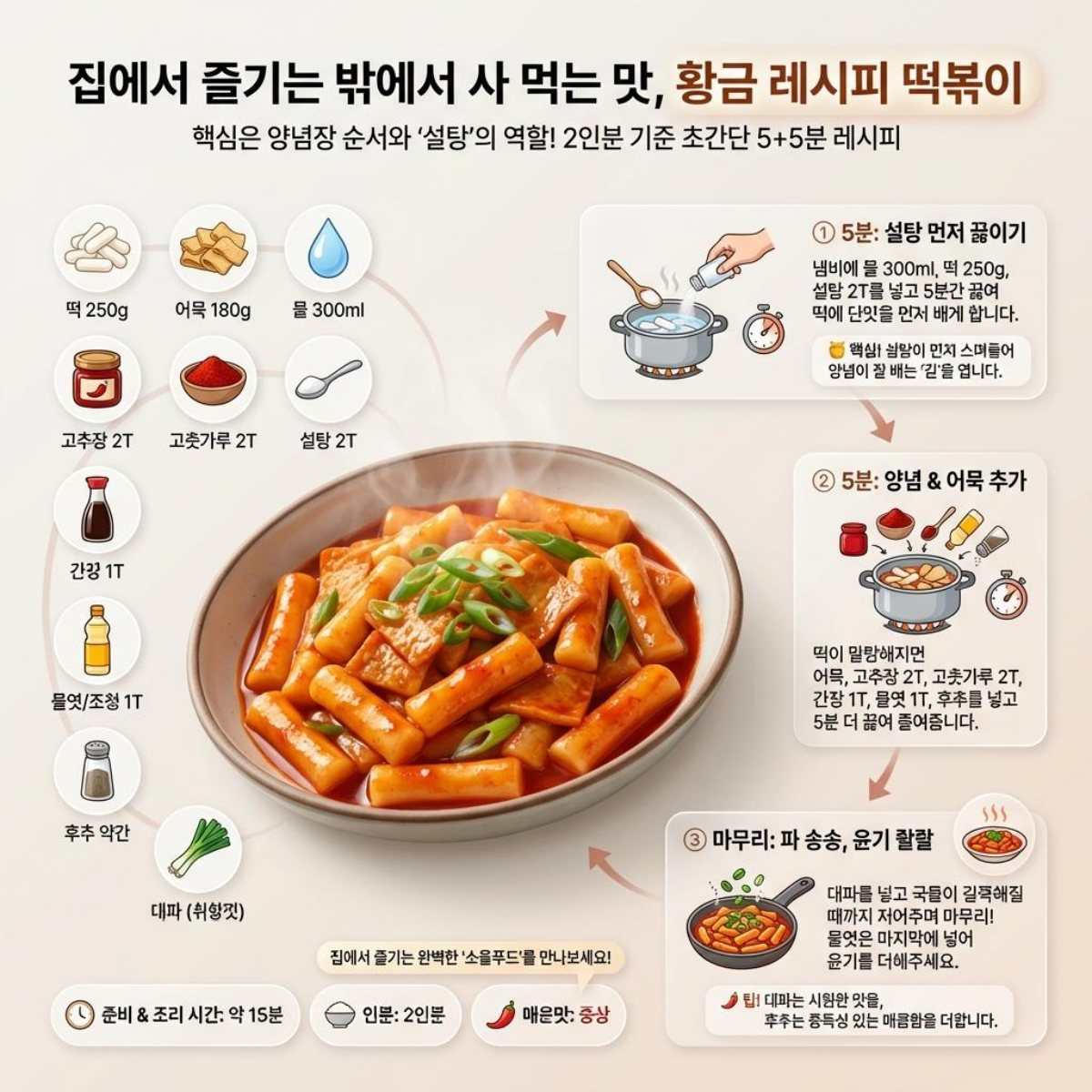
Put 300ml of water and 250g of rice cakes into a pot. Boldly add the two tablespoons of sugar first. Turn on the heat and, once the water starts boiling, simmer for about 5 minutes. During this time the rice cakes will soften and the sugar will seep in, priming them to absorb savory flavors.
When the rice cakes are tender, add the fish cakes. Then add 2 tbsp gochujang, 2 tbsp gochugaru, 1 tbsp soy sauce, and 1 tbsp corn syrup (or rice syrup) directly into the pot, in that order. There’s no need to mix the seasonings in a separate bowl—just add them straight in. Finish with a sprinkle of black pepper, then simmer for another 5 minutes, keeping the heat moderate so the sauce reduces and clings to the tteok.
If you like green onion, slice it on the diagonal and add it when you add the seasonings—the fresh bite helps cut the heaviness of the gochujang and leaves a cleaner finish. When the broth thickens into a glossy glaze and the rice cakes have soaked up the color, turn off the heat.
The honest secret here is patience and order. Home cooks often rush and reduce the sauce before the rice cakes fully soften. Giving the tteok those first five minutes in sugar water changes everything.
Also, add the corn syrup or rice syrup toward the end so the tteokbokki gets that tempting sheen. And if you’ve got black pepper at home, don’t skip it—the pepper’s aroma is a big part of the addictive, spicy finish you find in street-style tteokbokki.
Check your daily horoscope! How will your day go?