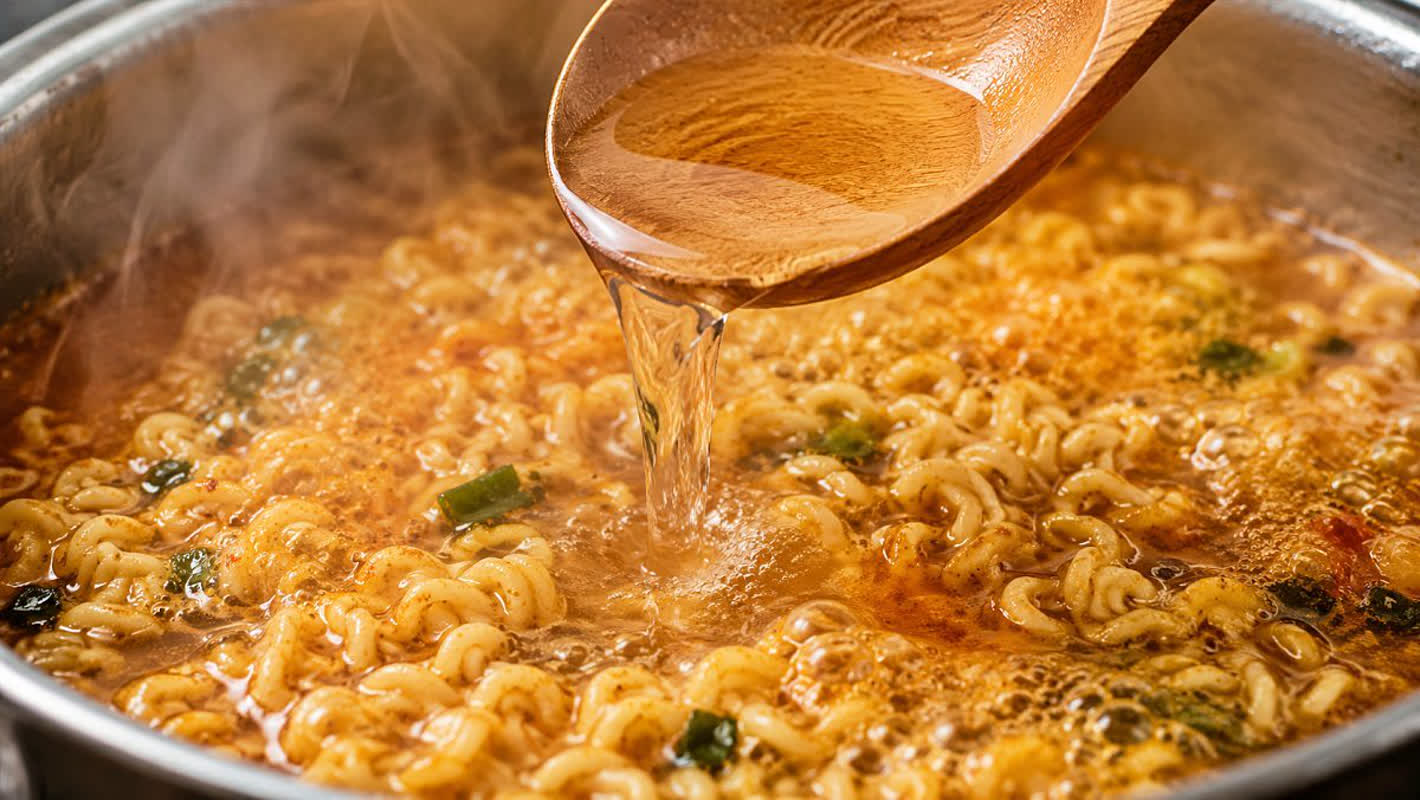
A splash of tuna extract in a wild chive dressing delivers deep, meaty umami—no actual meat required.
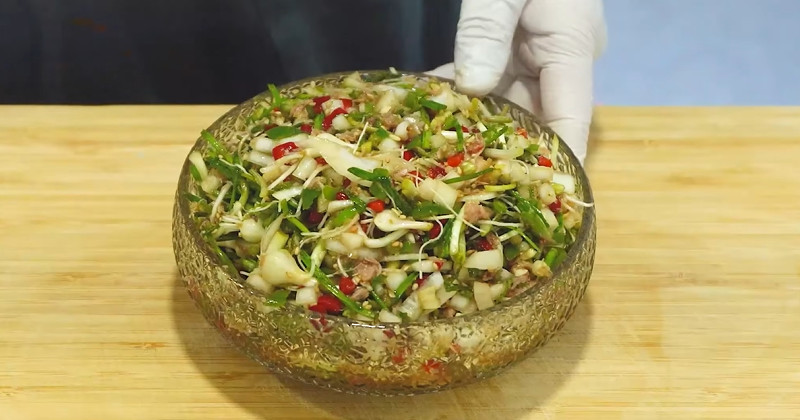
Wild chives are a springtime staple. Their sharp aroma and subtle sweetness can make a plain bowl of rice disappear when tossed with a flavorful dressing. The usual mix—soy sauce, gochugaru (Korean red pepper flakes), garlic, and sesame oil—is already addictive, but a touch of tuna extract takes the flavor to another level. Even without meat, the sauce develops a satisfying, almost beefy depth.
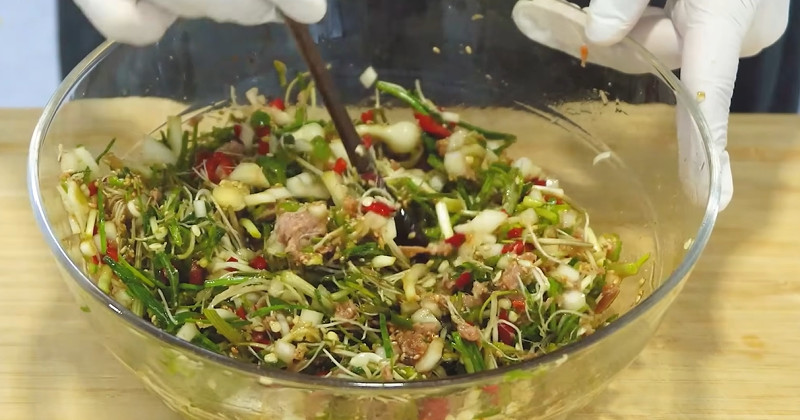
Tuna extract is a liquid seasoning made by fermenting or concentrating tuna. It’s often used to boost umami in soups and stews, but it’s equally handy in seasoned greens and dressings. With bold aromatics like wild chives, it lifts both flavors and creates a more layered, rounded profile. Importantly, it doesn’t just add saltiness—it builds depth across the whole dish.
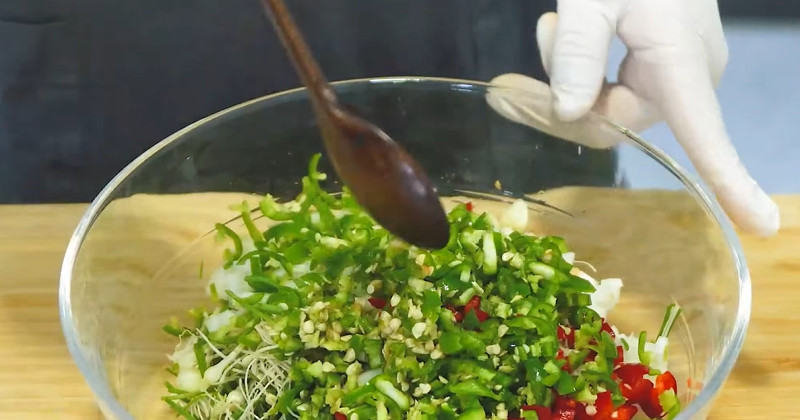
For a basic wild chive dressing, start with 2 tablespoons soy sauce, 1 tablespoon gochugaru, a little minced garlic, 1 tablespoon sesame oil, and some toasted sesame seeds. Stir in about 1 teaspoon tuna extract. Use it sparingly: the extract is concentrated, so a little goes a long way. Too much can taste fishy, so measure carefully.
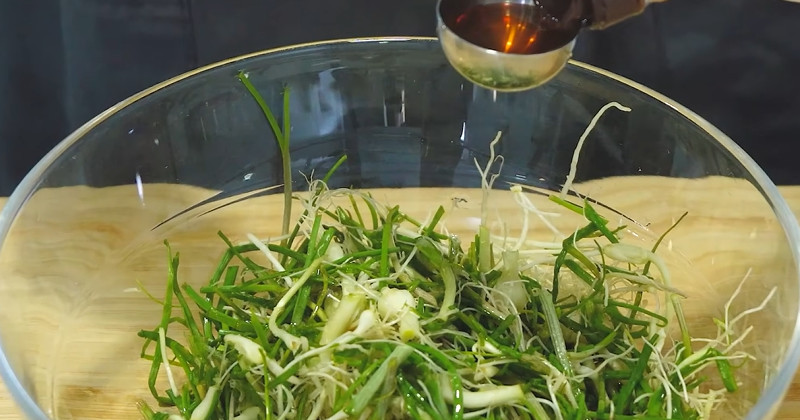
Spoon the dressing over warm rice and mix—instant, satisfying comfort food. It’s perfect when you don’t have many side dishes, making it a quick go-to on busy days. The fresh bite of wild chives wakes up your palate, while the tuna extract adds a deep umami that elevates the whole bowl.
Why can tuna extract mimic a “meaty” flavor? It comes down to amino acids. Meat and fish are rich in umami compounds like glutamate and inosinate, and tuna extract concentrates those same elements. That’s why you can get a meatlike savoriness without adding meat. Inosinate, in particular, contributes to the deep, characteristic taste of meat, so tuna extract naturally brings a “meaty” impression.
This trick is useful for plant-forward diets. It’s not fully vegan, but if you’re trying to cut back on meat, tuna extract is a handy substitute to boost savory flavor. As more people reduce meat for health or environmental reasons, techniques like this are getting attention.
The wild chive dressing is versatile: spoon it over tofu, wrap it in seaweed, or use it with roasted vegetables or boiled meats to amp up flavor. One basic dressing can enhance many dishes, which makes it especially practical.
Store the dressing in the refrigerator for about 2–3 days. Wild chives are high in moisture and aroma, so the flavor can change if you keep the sauce too long. Make only what you’ll eat and enjoy it fresh—the chive scent fades and the balance can shift over time.
Adding tuna extract to wild chive dressing is an easy hack to deepen flavor without special technique. You can achieve a rich, complex taste without complicated ingredients or long prep. If you want to make the most of spring’s wild chives, try a teaspoon of tuna extract for a delightful twist.
Your daily horoscope—what's in store for you today?