This spring, try making 'soda' water kimchi yourself — a cool, refreshing broth that clears your palate with every sip. Though it's called soda water kimchi, this recipe doesn't use a drop of actual soda; it relies on fermentation to deliver a brighter, fizzier lift than store-bought carbonated water.
According to the YouTube channel 'Lifestyle Writer,' here’s the recipe: add one cup of water to a blender, then two tablespoons of cooked rice, and blend.
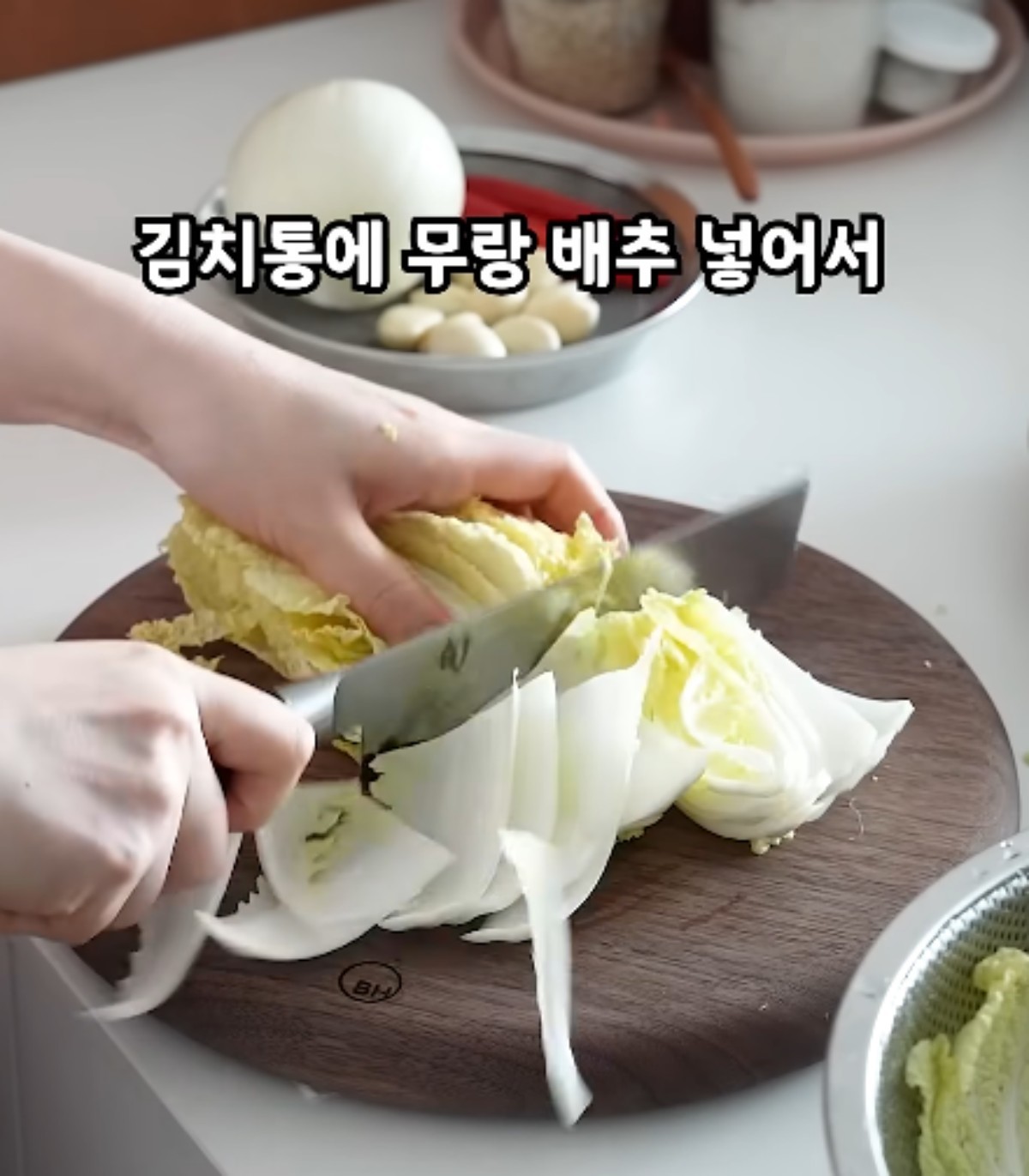
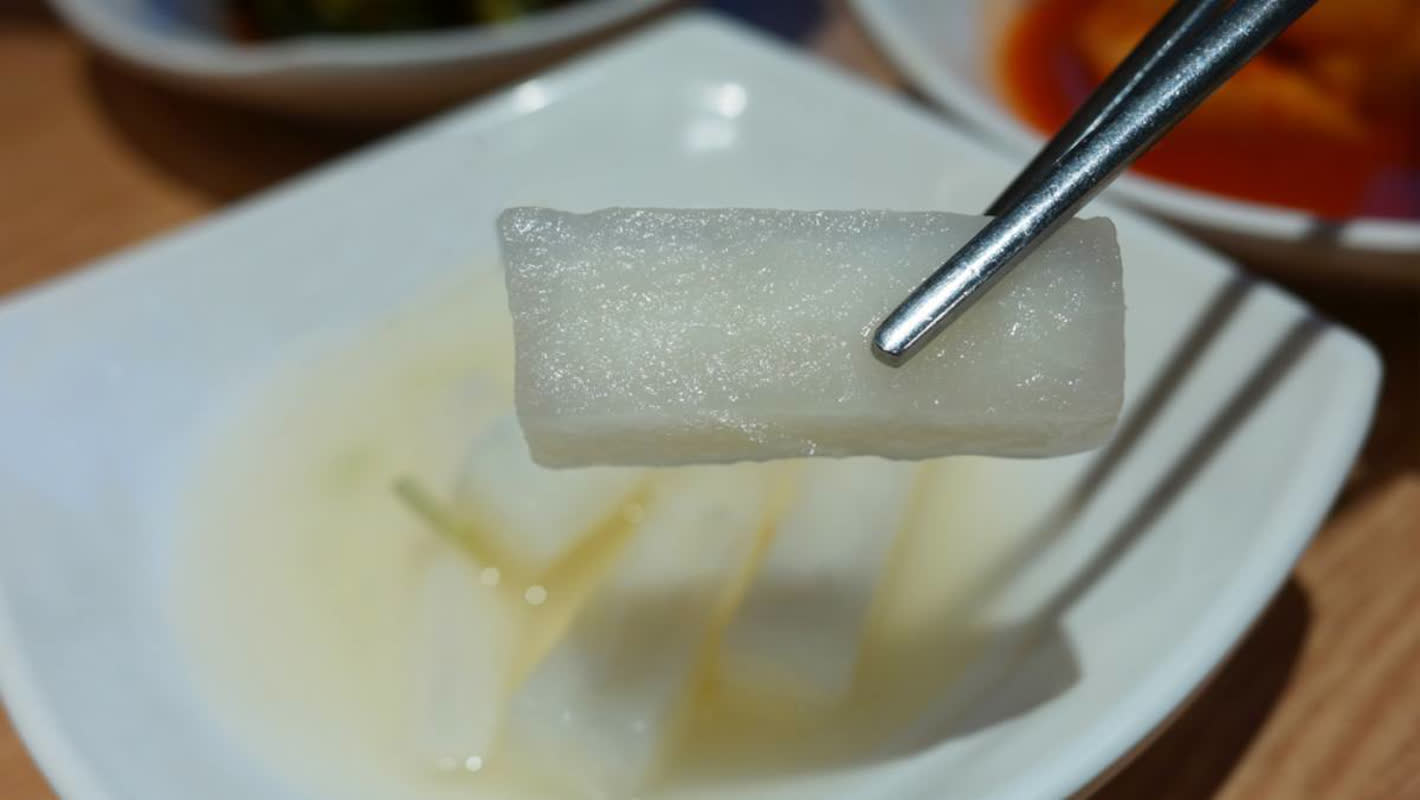
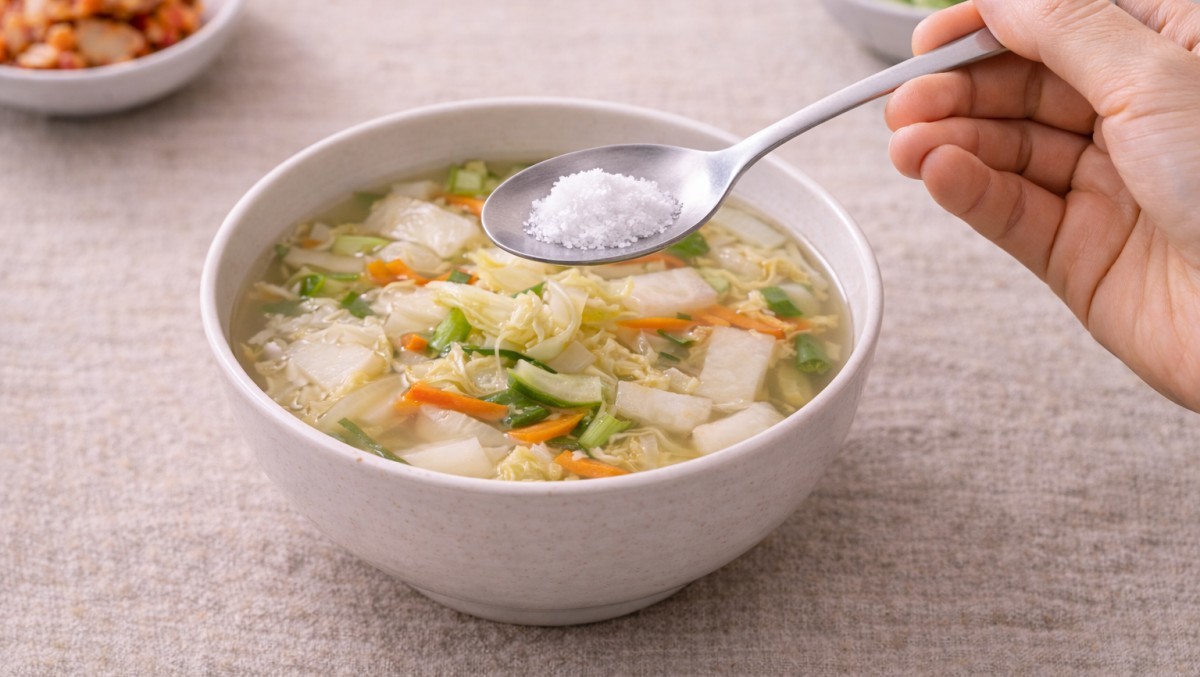
Next, cut the radish and napa cabbage into bite-size pieces. Put them into a kimchi container, sprinkle salt to taste, and mix well. Let the vegetables brine for about an hour, turning them once halfway through to ensure even seasoning.
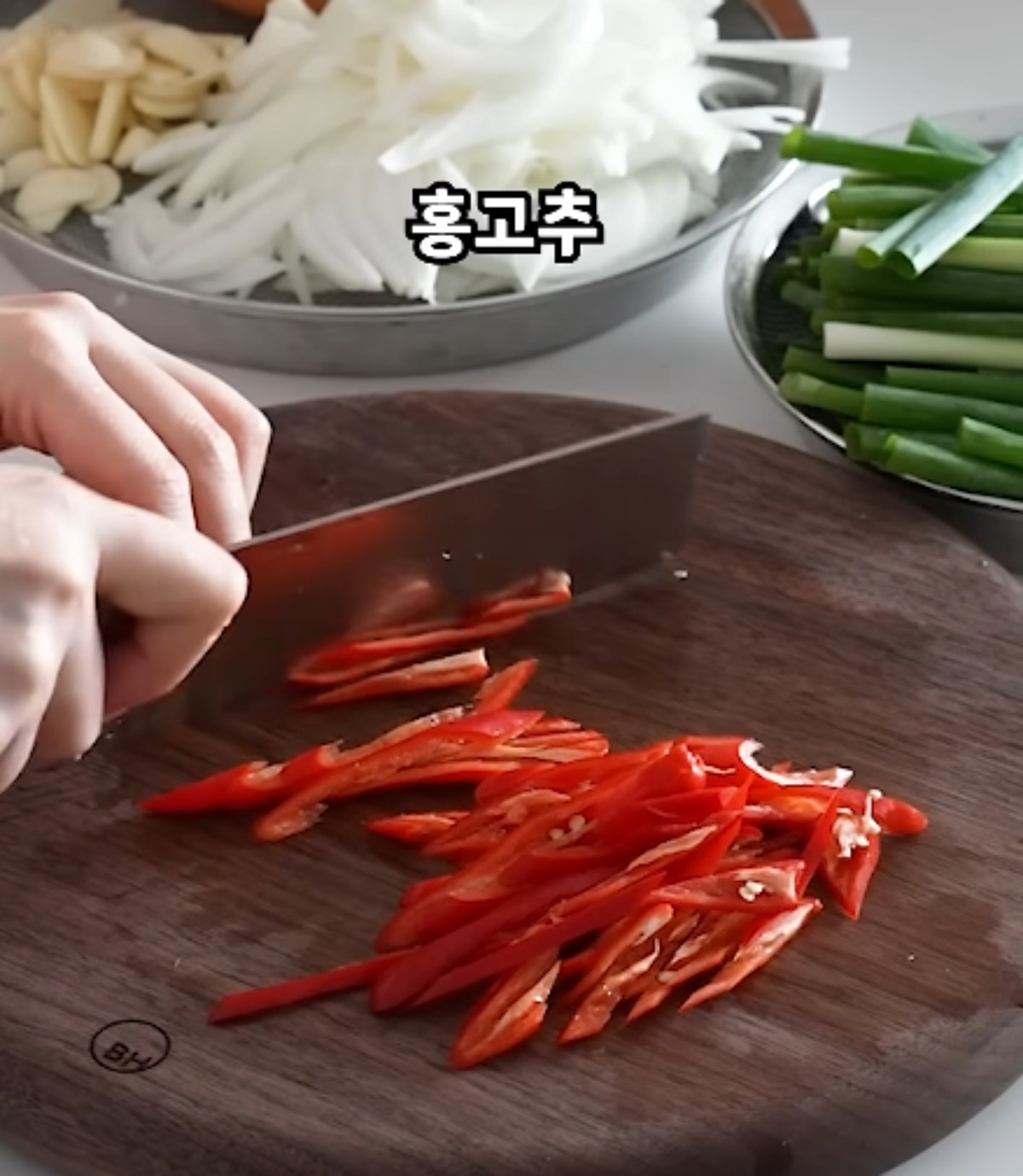
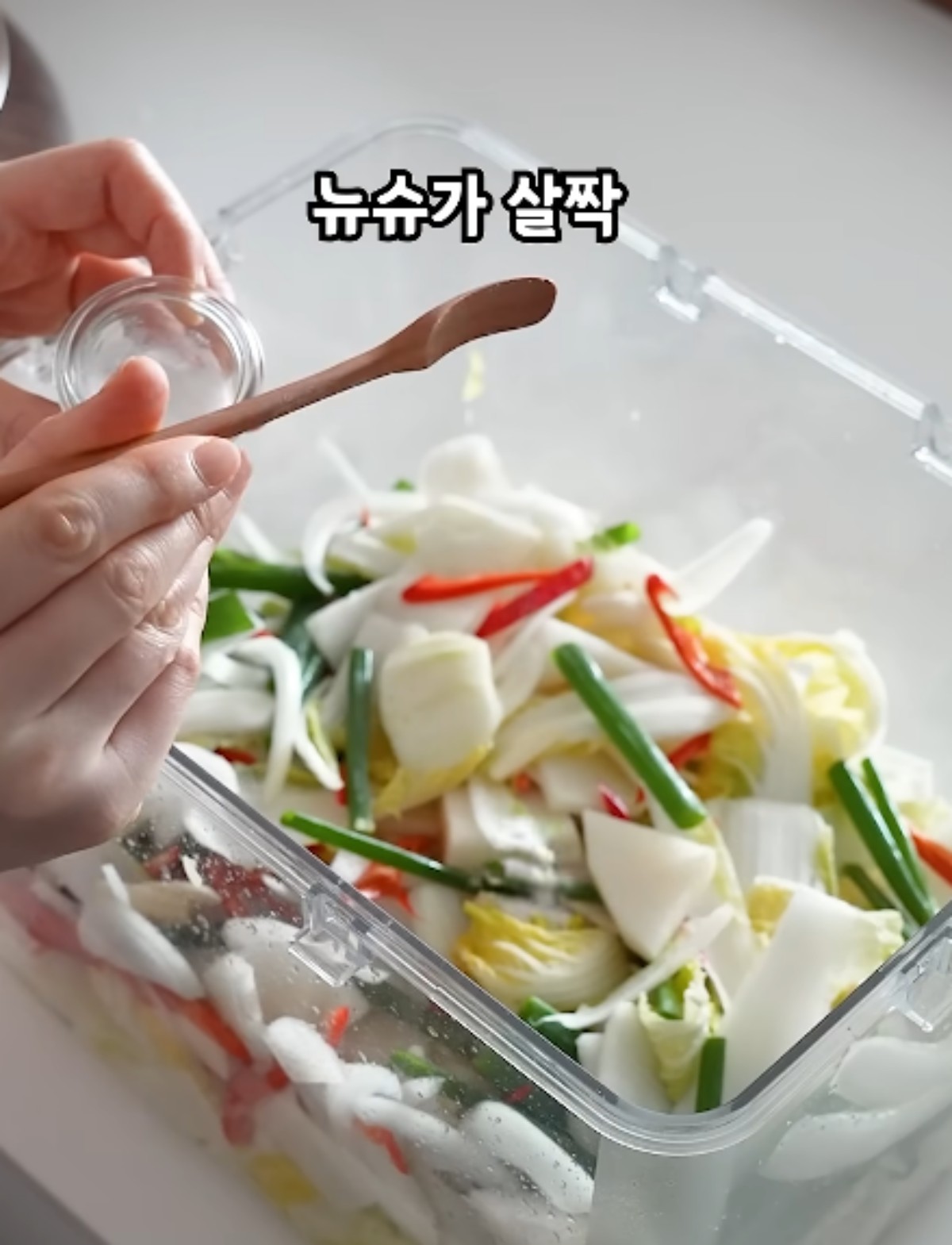
Finally, pour in the reserved rice water you blended earlier, and your soda water kimchi is ready. Let it sit at room temperature for about a day, then refrigerate and let it mature for a few more days.
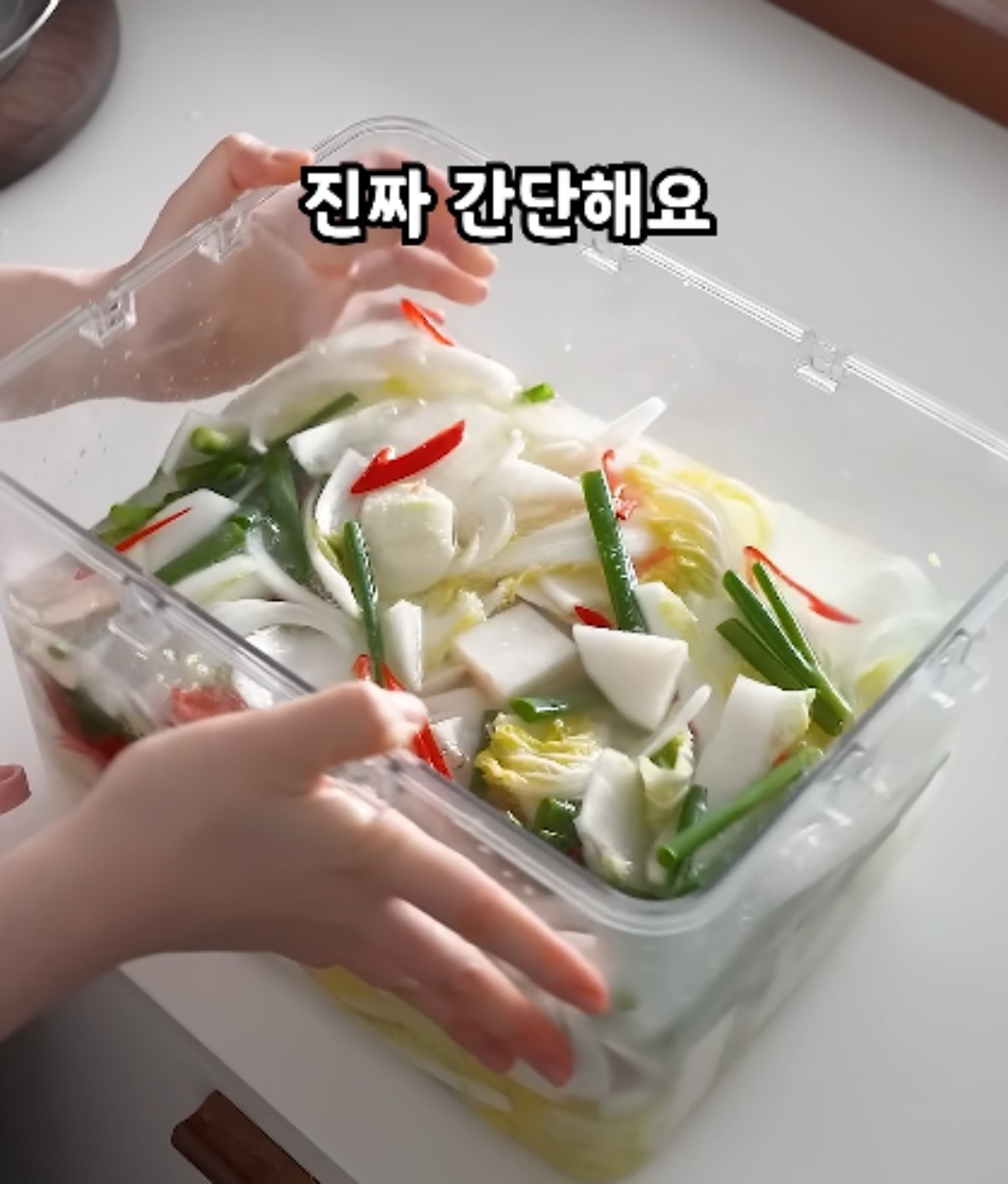
There are a few things to watch for. Temperature control is crucial: soda water kimchi tastes most effervescent when it’s near-freezing — about 0°C to 2°C (32°F to 35.6°F) with a thin ring of slush. About 30 minutes before serving, pop the container in the freezer briefly and take it out when a slight rim of slush forms at the edges. The cold firms starch particles in the rice water, giving a chewier texture that helps trap carbonation. Avoid adding ice directly to the broth — melting ice dilutes the carefully balanced seasoning of New Sugar and salt and dulls the sharp, fizzy flavor.
Also, sudden temperature swings can upset the fermentation balance and make the broth spoil or turn heavy, so storing your kimchi in a kimchi refrigerator that maintains steady temperatures is recommended.
◆Want to make your water kimchi even better?
You can boost both flavor and shelf life with ginger. Add a small amount of minced ginger or a slice of candied ginger to tame any raw odors and lend mild antimicrobial benefits that help preserve flavor over time. If the broth looks low, top it up with bottled water and then re-season with salt to taste. For an extra savory punch, cool a well-steeped kelp (dashima) stock and use that instead of plain water.
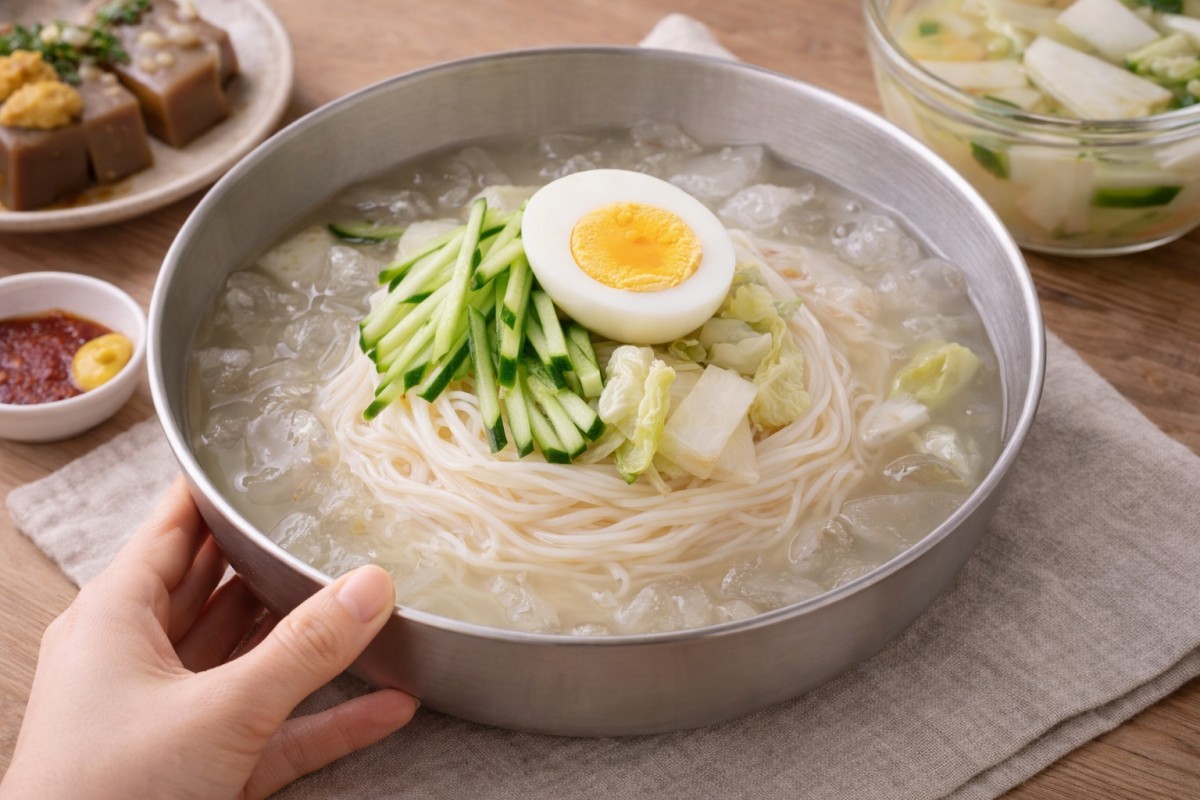
Finished water kimchi is amazingly versatile: toss boiled somen noodles in the broth for water kimchi noodles, or serve it over sliced acorn jelly for a chilled muk soup. Don’t throw away leftover broth — use it as a base for naengmyeon or as a seasoning base for bibim noodles to get deep, restaurant-quality flavor. Choosing New Sugar over regular sugar also makes this dish easier to enjoy for people watching their sugar intake.
The classic favorite is water kimchi somen: mix three cups of well-aged water kimchi broth with one tablespoon of vinegar and a touch of mustard, and you’ll have a pro-level cold noodle dish without making a separate stock. Top with pieces of radish and napa cabbage from the kimchi, add a boiled egg and julienned cucumber for crunch and silky noodles.
Water kimchi muk soup is another winner: slice store-bought acorn or buckwheat jelly, place it in a bowl, and pour chilled water kimchi broth over it. Sprinkle dried seaweed flakes, toasted sesame seeds, and a drop of sesame oil — the jelly’s gentle bitterness and the kimchi’s tang create an irresistible umami hit.
Pairing water kimchi with rich meats shows its true power: the clean, sharp broth cuts through the greasiness of fatty dishes like pork belly or ribs and refreshes the palate.
Check your daily horoscope report! What will today bring?