Why Makgeolli Suyuk Is a Game-Changer: Tender, No Gamey Smell
Anyone who’s tried making suyuk at home knows the same two problems pop up: a lingering porky smell and meat that can turn dry and tough. Even a long simmer with doenjang (Korean soybean paste) often falls short. Change the technique, though — and everything changes. The secret combo: sear + makgeolli.
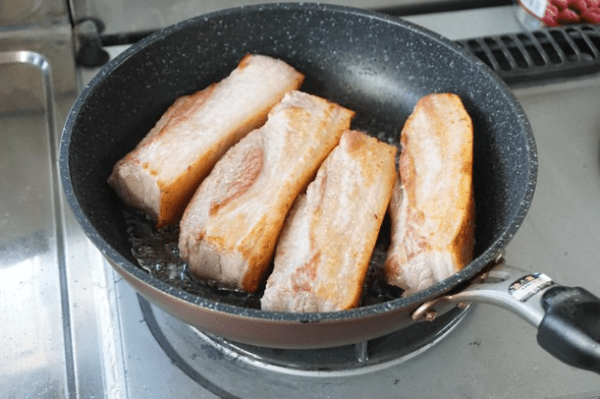
Start by searing the fat — that’s where odor control begins
Don’t toss the pork straight into the pot. First, brown the fatty edges in a skillet until they’re golden. That slight crisp removes excess fat and some of the compounds that cause off-odors.
Browning the surface also helps lock juices inside.
The result: when you later simmer the meat, the flavor comes through cleaner and more concentrated.
Do I really have to sear it first?
Yes — that one step makes a clear difference in both smell and texture.
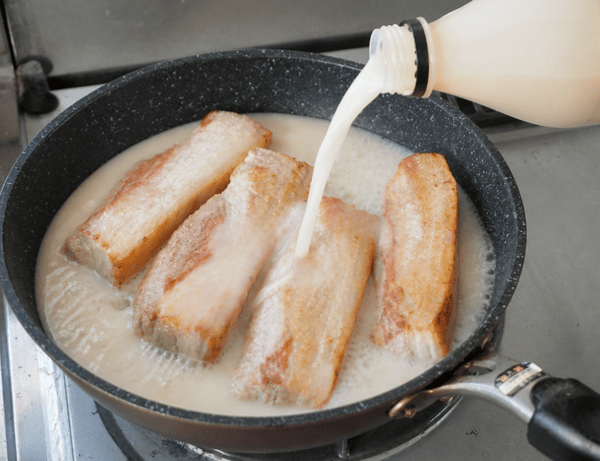
Makgeolli tames odors and tenderizes the meat
After searing, pour in one bottle of makgeolli and bring everything to a simmer — this step matters. The alcohol and fermentation byproducts in makgeolli neutralize unpleasant pork odors.
At the same time, those fermented components help loosen the meat fibers, giving you a noticeably softer bite.
This is where makgeolli really outperforms plain water or just doenjang.
Can I swap soju or wine?
You can use them, but makgeolli’s fermentation gives a unique tenderizing boost you won’t get from plain spirits.
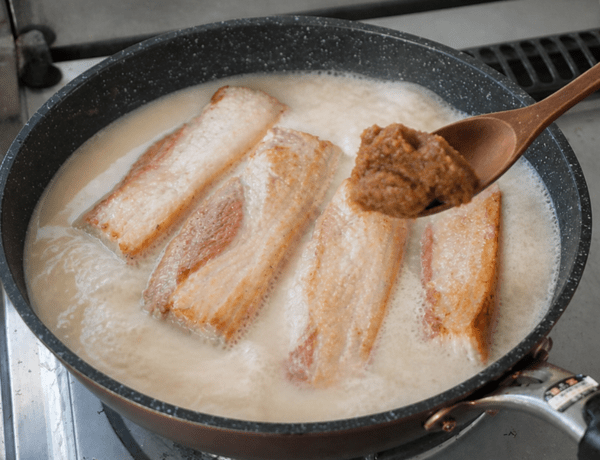
Doenjang and garlic round out the flavor
Once makgeolli has done its work, add a touch of doenjang and a little salt to season. Throw in minced garlic and whole black pepper to sweep up any remaining odors and add depth.
That combo makes the pork’s characteristic scent almost disappear.
So good, you won’t even need a heavy dipping sauce to enjoy it.
Low-and-slow on medium-low is the texture secret
Avoid high heat — simmer gently on medium-low for about an hour.
Slow, steady heat ensures the center cooks evenly, preventing toughness and yielding a tender, juicy texture.
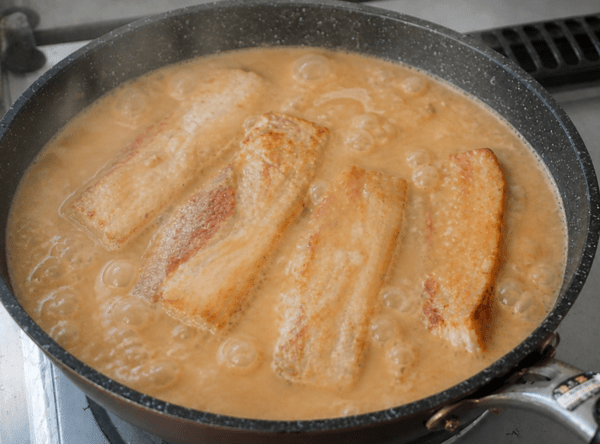
If the broth reduces, top up with a little water as needed.
Can I rush it?
Don’t. Speeding things up makes the meat chewy. This patient step is non-negotiable if you want melt-in-your-mouth results.
The payoff: no off-odor and irresistibly tender suyuk
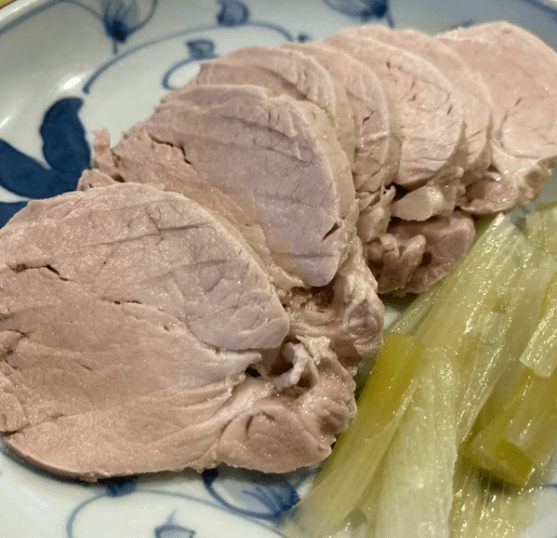
Follow this method and the pork’s usual smell fades away, leaving moist slices that gently fall apart when you bite them.
That’s why home-cooked suyuk can taste restaurant-level — less grease, more flavor, and a lighter finish.
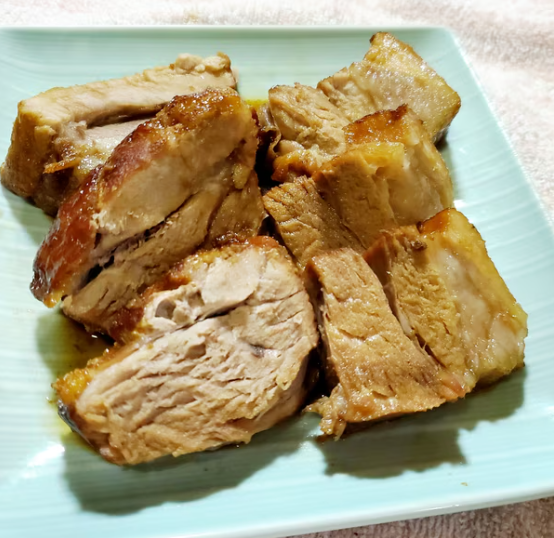
Bottom line: sear + fermented liquid + low-temp cooking
Sear first, use makgeolli to neutralize odors, then cook slowly — together, these steps transform the outcome.
It’s a very different approach than just boiling the meat.
I have to try this.
Exactly. Change the method, and you’ll get a whole new result.