Spicy bibim-myeon gets a creamy upgrade—meet “mayonnaise-and-egg bibim-myeon,” an easy, insanely satisfying late-night snack that’s been turning heads.
Stirring mayonnaise and an egg into bibim-myeon’s sweet-and-spicy sauce shifts the flavor so dramatically it can feel like a whole new dish. It’s quick to make, which makes it an ideal go-to when you want something simple but comforting after hours.
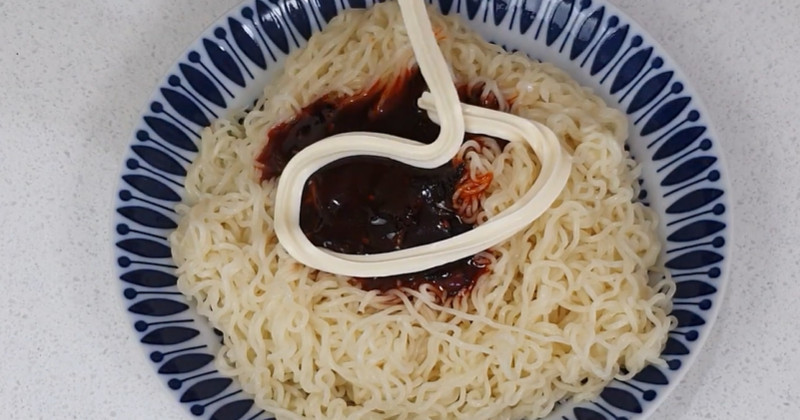
All you need is one pack of store-bought bibim-myeon, 1–2 tablespoons of mayonnaise, and 1–2 eggs. Add-ins like julienned cucumber, dried seaweed flakes (gim), or a drizzle of sesame oil will elevate the flavors. Start by boiling a pot of water and cooking the noodles—about 30 seconds less than the package recommends. Rinse the noodles several times under cold water to wash away starch, then drain thoroughly. This step is key: any leftover water will dilute the sauce and weaken the dish’s flavor.
Next, cook the eggs. Soft-boiled eggs are ideal: you want the yolk set but still slightly runny. Boil them for about 6–7 minutes in boiling water for that perfect jammy texture. If you prefer firm yolks, hard-boil them—but keep in mind you’ll lose some of that yolk-y richness that melds with the sauce.
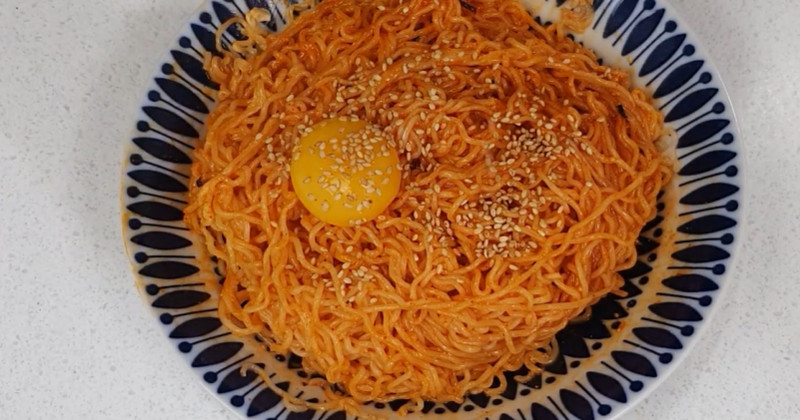
To assemble, toss the well-drained noodles with the bibim sauce first so it’s evenly coated. Add about 1 tablespoon of mayonnaise, then taste and add more if needed—go slowly, because too much mayo can make the dish overly rich. Top with the egg, break the yolk slightly, and mix everything together to finish.
Mayonnaise does more than add creaminess. It mellows the sharp heat of the bibim sauce, making the dish more approachable for anyone sensitive to spice. It also thickens the sauce so it clings to the noodles, giving you a richer, creamier mouthfeel.

The egg plays an essential part, too. The yolk’s fats blend with the sauce to deepen flavor and tame the heat, while the white adds a pleasant textural contrast. That combination makes the bowl feel more balanced and satisfying than noodles alone.
Watch out for a couple of common mistakes. The most frequent error is not draining the noodles well—if they stay wet, the mayo and sauce won’t emulsify and will separate. Add mayonnaise gradually to avoid an overly greasy result. Also, don’t overcook the eggs: overcooking dulls the yolk’s richness, so stick to the suggested timing.
A few drops of sesame oil or a sprinkle of gim brightens the flavors, and julienned cucumber adds a crisp bite that cuts through the richness. If you crave more heat, a small spoonful of gochujang or a pinch of red pepper powder will give it an extra kick.

Above all, this is a perfect late-night fix. It’s a smart alternative to instant ramen—fast to make with just one pot and a few pantry staples—so anyone can whip it up in minutes. It’s especially satisfying when you want something simple but undeniably comforting after a long day.
What makes this hack so delightful is how everyday ingredients—mayonnaise and egg—can transform familiar bibim-myeon into something new. No fancy items required; a small tweak yields a big payoff. The spicy, savory, and creamy combo delivers more than a snack—it delivers real satisfaction.
If you’re curious to remix your bibim-myeon, this pairing is worth trying. A tiny change to a familiar favorite can make mealtime noticeably more fun.
Your daily horoscope report! How will your day go?