Open a tofu container and you’ll almost always find it sitting in liquid—unlike most other ingredients.
When someone buys tofu and peels back the packaging, it’s natural to wonder why. Most foods come packaged dry, yet tofu usually arrives submerged. Are manufacturers just trying to make it look fresher, or is there something else going on?
To be clear, the liquid inside a tofu package isn’t a fancy sauce or additive. It’s mostly clean water, sometimes with a tiny bit of salt or trace residues from the coagulation process. Think of it as a kind of “preservation water” used to store and protect the tofu.
The main reason tofu sits in water is to keep it fresh. Tofu is made by grinding soybeans, boiling the mixture, and then coagulating it. Because it holds a lot of moisture and has a very soft texture, exposure to air can dry it out or cause it to spoil quickly. Keeping it submerged prevents moisture loss and helps it stay tender.
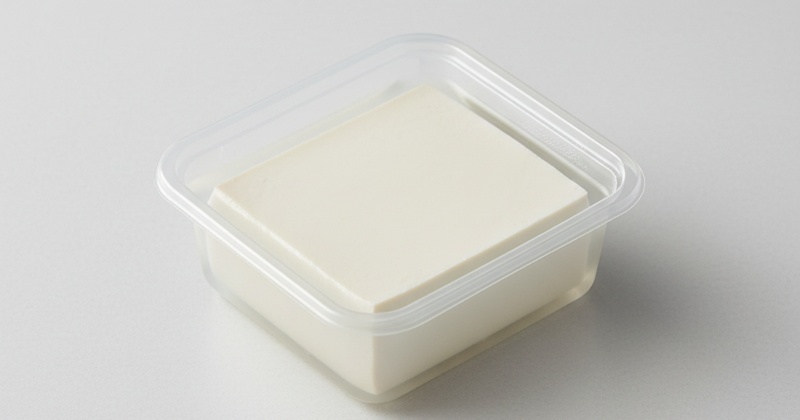
Another big reason is to protect the tofu’s shape. Tofu is fragile. Without water in the container, it can break apart during transport. Submersion cushions impacts and makes it far more likely to hold its form.
The liquid also helps slow microbial growth. Tofu is rich in protein and water—prime conditions for bacteria. Even if it’s sterilized during production, exposure to air increases contamination risk. Keeping the tofu submerged reduces air contact and helps slow bacterial growth.
The tofu-making process itself explains why water is present. Producers soak soybeans, grind them into soy milk, boil it, and add coagulants like magnesium chloride or calcium sulfate. The proteins clump and form tofu. After pressing it into molds, the finished blocks still contain a lot of moisture.
When the tofu is packaged at the factory, it’s placed in containers with clean water. Some brands use sterilized water, seal the package, and reheat it to extend shelf life. That’s why unopened tofu can stay fresh for a relatively long time.
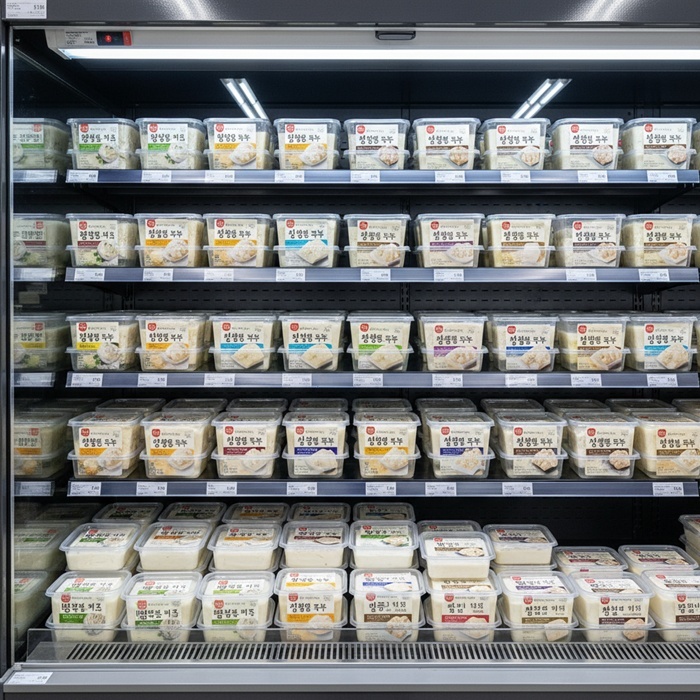
So, is that water safe to eat? In short, yes. But because the storage water can contain tiny amounts of protein or soybean particles, most people discard it and use only the tofu. Rinsing the tofu lightly before cooking can also reduce its bean-like aroma.
You can use water to store tofu after opening, too. Put leftover tofu in an airtight container, cover it with clean water, and refrigerate to prevent drying. Change the water about once a day. This simple step helps the tofu stay fresh longer.
Although tofu seems like a straightforward ingredient, it needs careful handling. Its high moisture content and delicate texture mean small changes in environment can affect its texture and flavor. That’s why manufacturers pack tofu with water—to preserve its condition until it reaches consumers.
The water people often toss out actually serves several purposes: it keeps the tofu moist, protects its shape, and helps maintain freshness. The liquid you see when you open a tofu container isn’t just filler—it's helping preserve taste and quality.
Your daily horoscope—what’s in store for you today?