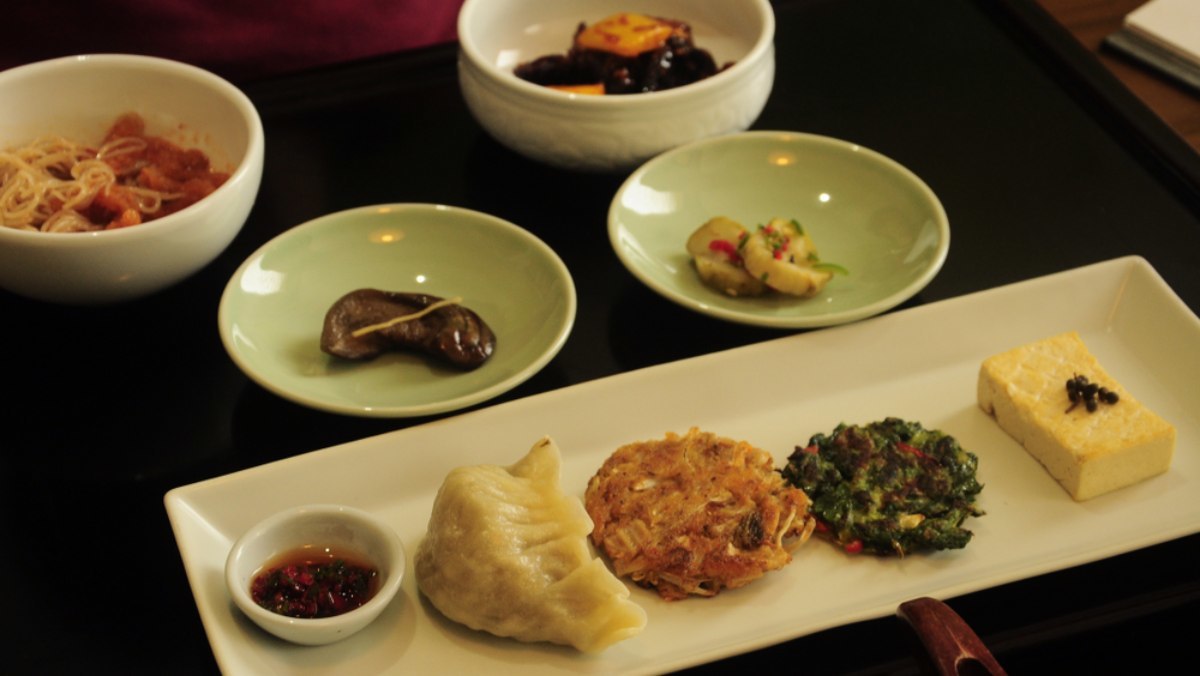
These days, the hardest reservation to snag isn’t a hotel buffet or a trendy omakase—it’s a seat for a temple meal.
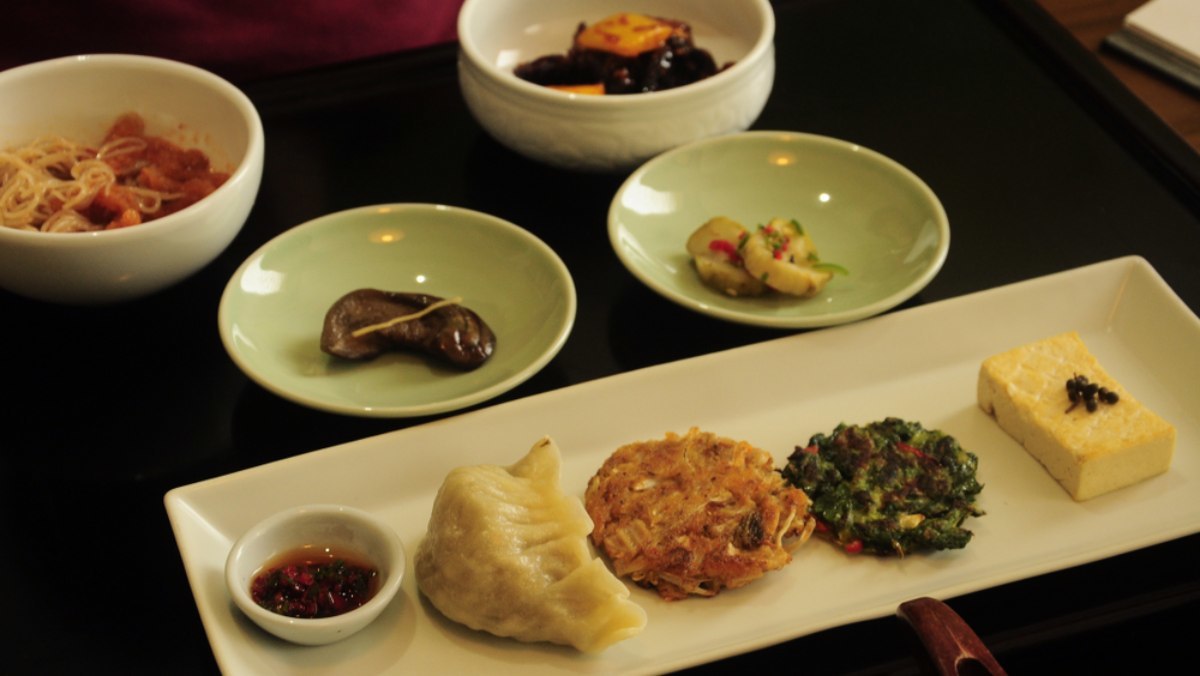
It’s the humble mountain-monastery meal known as jeolbap. In April, a temple-food demo at Woljeongsa in Odaesan, Pyeongchang crashed the registration server the moment sign-ups opened: 11,101 people vied for just 34 spots, and registration filled in 20 seconds—an eye-popping 370-to-1 ratio.
Last May, roughly 20,000 people in their twenties and thirties flocked to a temple-food festival, packing the monastery grounds. How did a cuisine once viewed strictly as Buddhist ritual fare become so magnetic for younger diners? Temple food is no longer confined to monastery gates—it’s showing up at corporate banquets and even on Netflix.
Seonjae, the Jogye Order's First Temple-Cuisine Master, Showed the 'Taste of Practice'
At the center of this wave is Seonjae, the Jogye Order’s first officially recognized master of temple cuisine. His appearance on the hit Netflix show Black-and-White Chef: Culinary Class War Season 2 turned heads—especially since he typically declines commercial offers. On the competition stage he served Seungso pine-nut noodles, made with Gapyeong pine nuts, and demonstrated a reverent, hands-on approach to ingredients.
Judges watched his process minute by minute and praised him for a method that built flavor from a profound understanding of ingredients. Seonjae said he joined the show to show that ordinary daily life itself can be a form of practice. He published Korea’s first academic study of temple cuisine in 1994, inspired a monk character in the comic Sikgaek, and has lectured at Le Cordon Bleu, helping raise the profile of Korean temple food internationally.
The 'Gongyang' Philosophy: Satisfying Meals Without Alliums or Meat
One defining feature of temple food is avoiding the o-shin-chae—pungent alliums like garlic, scallions, wild chives, and garlic chives—because Buddhism views them as overstimulating and obstructive to practice. Meat is also strictly excluded. Instead, chefs rely on seasonal vegetables, seasoned greens (namul), mushrooms, tofu, and deeply fermented doenjang and soy sauce for rich, layered flavor.
Preparations are clean and restrained, using natural seasonings such as kelp, mushroom powder, and perilla seeds instead of artificial additives. At the APEC CEO Summit banquet in Gyeongju, Seonjae presented a multi-course menu centered on soy sauce and doenjang aged more than 50 years. About 1,700 global executives—including NVIDIA CEO Jensen Huang—were reportedly surprised by the depth of flavor in the pre-meal soy-sauce “tea.” In temples, the act of preparing and eating food is itself practice; this ritual, called gongyang, is meant to purify life throughout the universe.
Designation as National Intangible Cultural Heritage and Visits from World Chefs
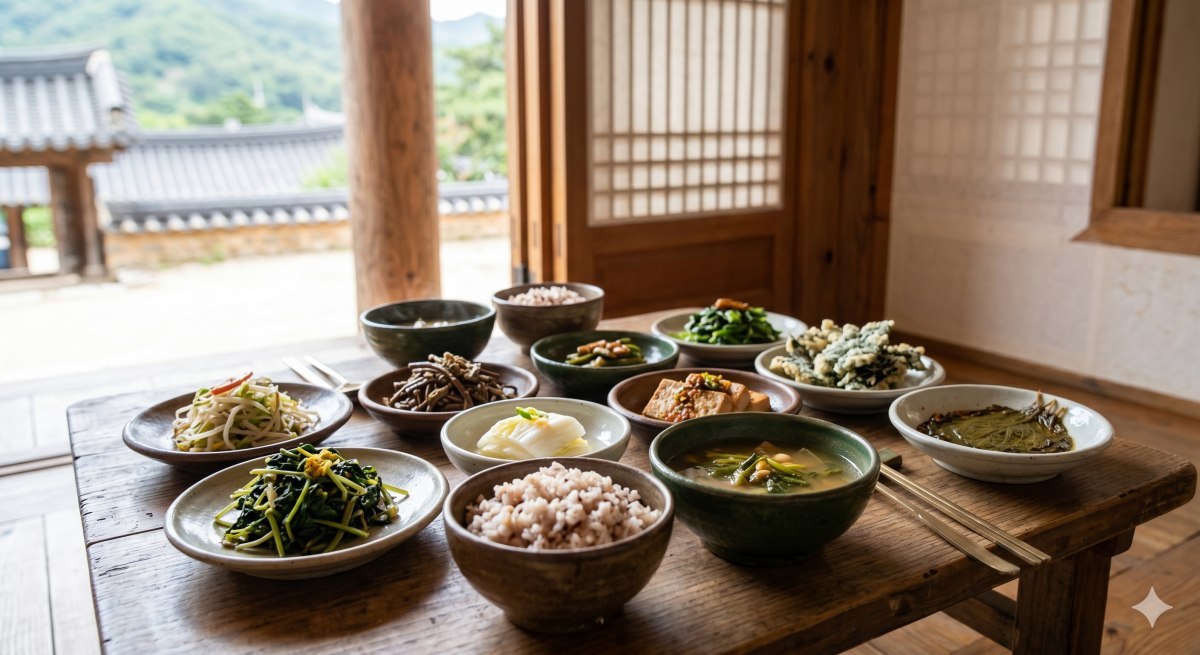
In March, about 200 chefs from the Maîtres Cuisiniers de France (MCF)—France’s top chefs’ association—visited Baekyangsa in Jangseong, Jeonnam, to experience temple cuisine firsthand. Eric Briffard, dean at Le Cordon Bleu, remarked, “Culinary history is moving toward vegetarianism,” applauding the philosophical depth of temple food and framing it as part of a global shift toward sustainable, health-forward gastronomy.
The Essence of 'Clean Eating' Meets the Vegan Craze
Temple food’s comeback aligns with the global rise of veganism and clean-eating culture. For people avoiding processed foods and chemical seasonings, temple cuisine’s principles offer an ideal model. The Michelin-starred vegan restaurant Regum in Seoul’s Gangnam—Asia’s first of its kind—illustrates this trend. Spots that weave the Buddhist concept of balancing elements (jisuhwapung) into their menus have become especially popular among younger diners.
Seonjae stresses that maintaining the essence of temple food is crucial, even as it grows trendy. He resists twisting recipes into fusion to suit local palates when he travels abroad, believing that truth doesn’t change with time. He argues that temple cuisine will endure longer if it preserves its spirit of practice rather than becoming just another tasty vegetarian option. For modern diners fatigued by over-seasoned food, a simple meal in a mountain temple can be the most effective remedy for both body and mind.