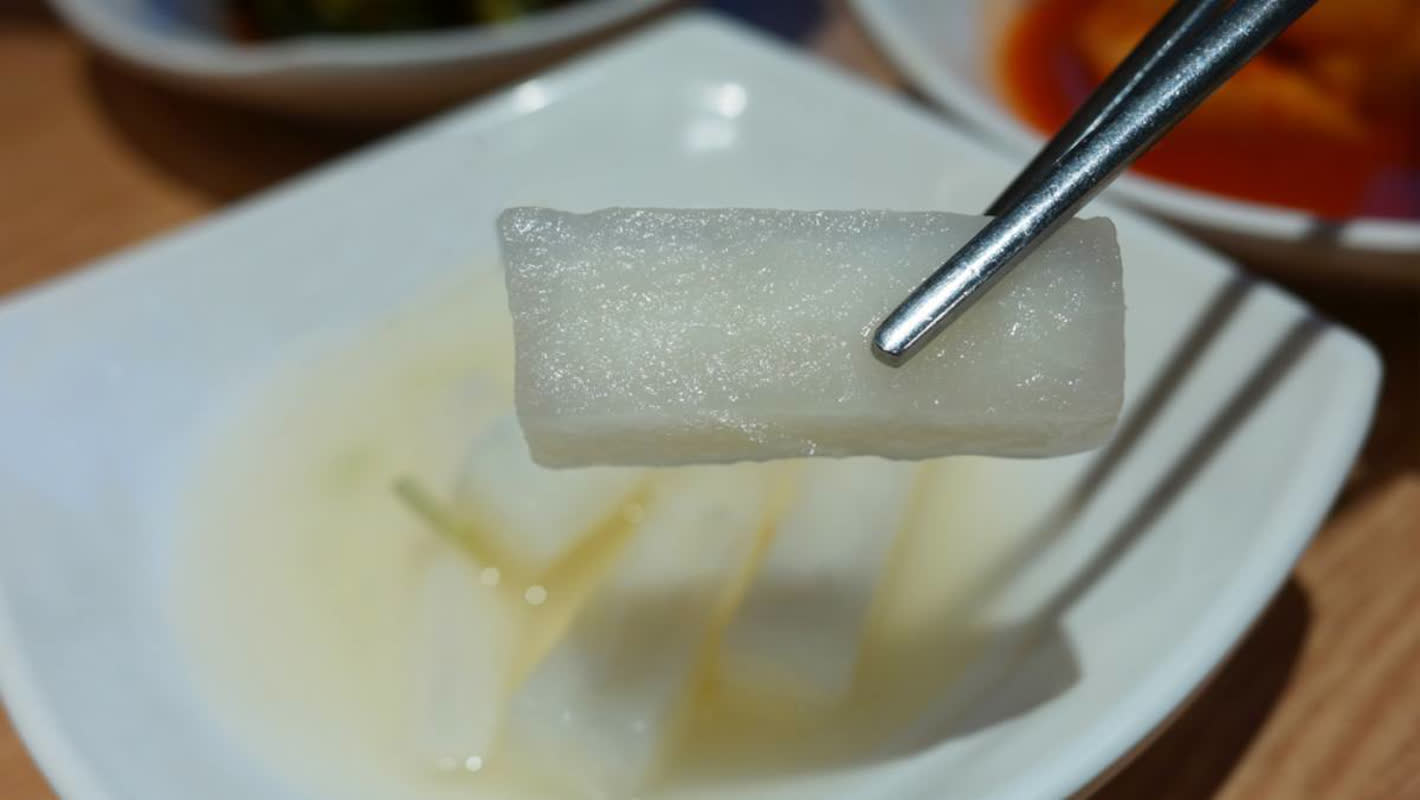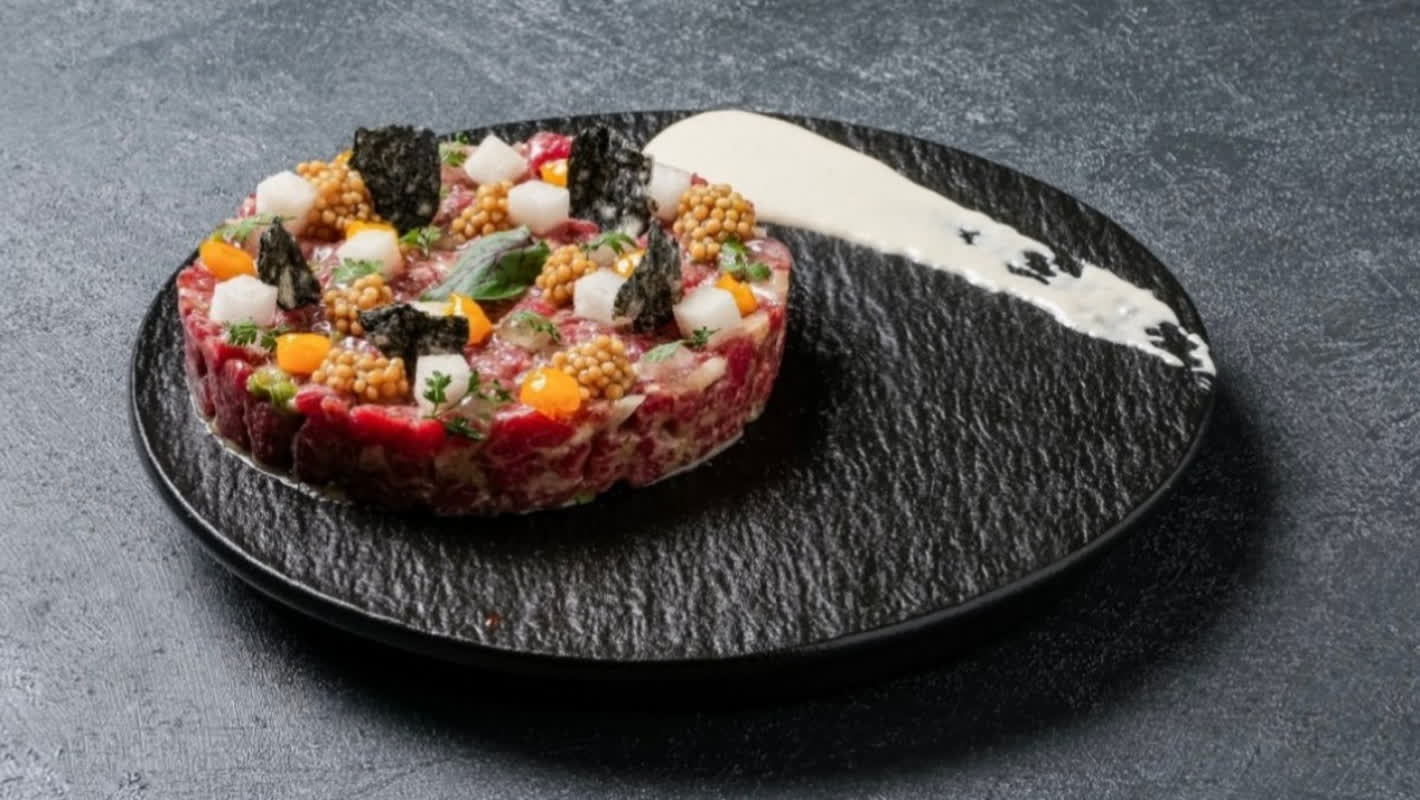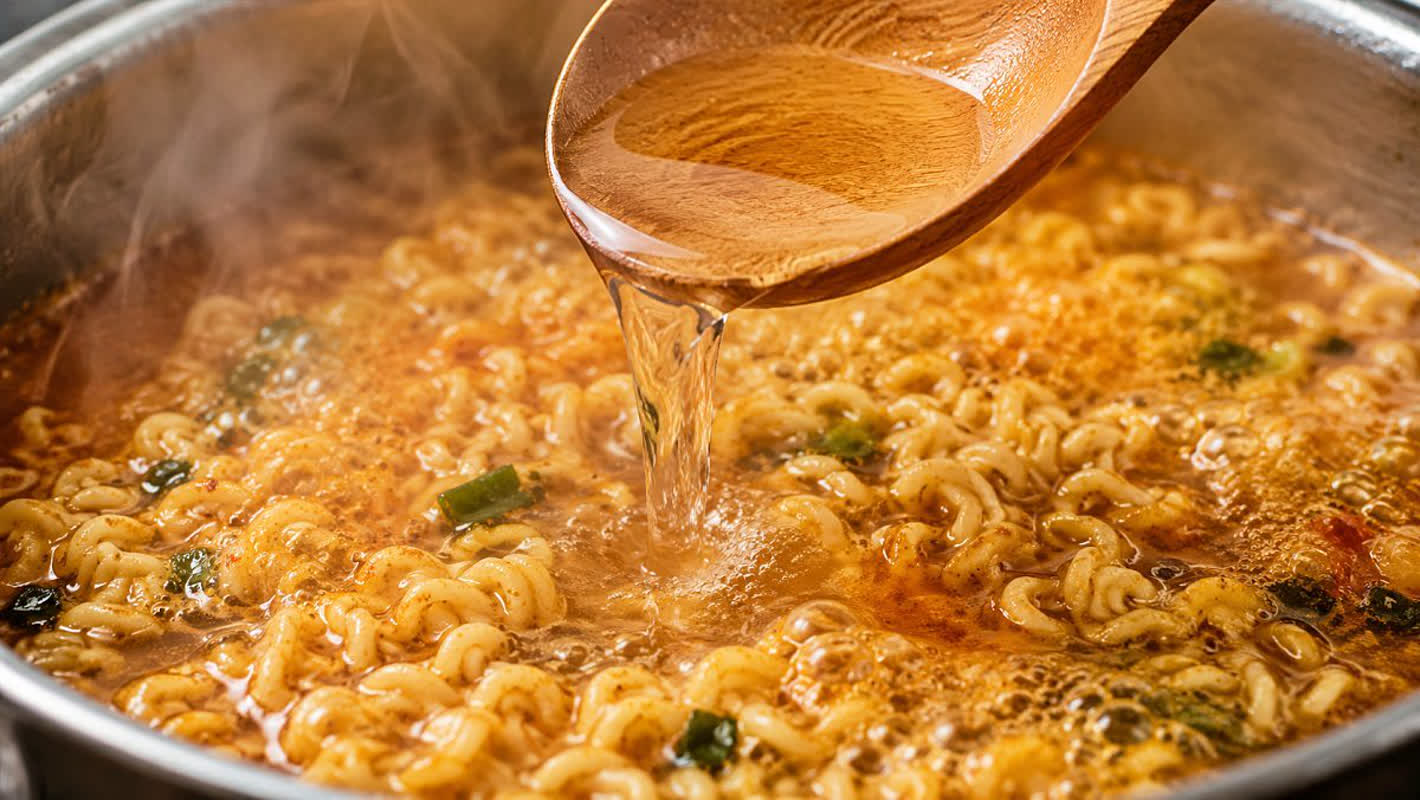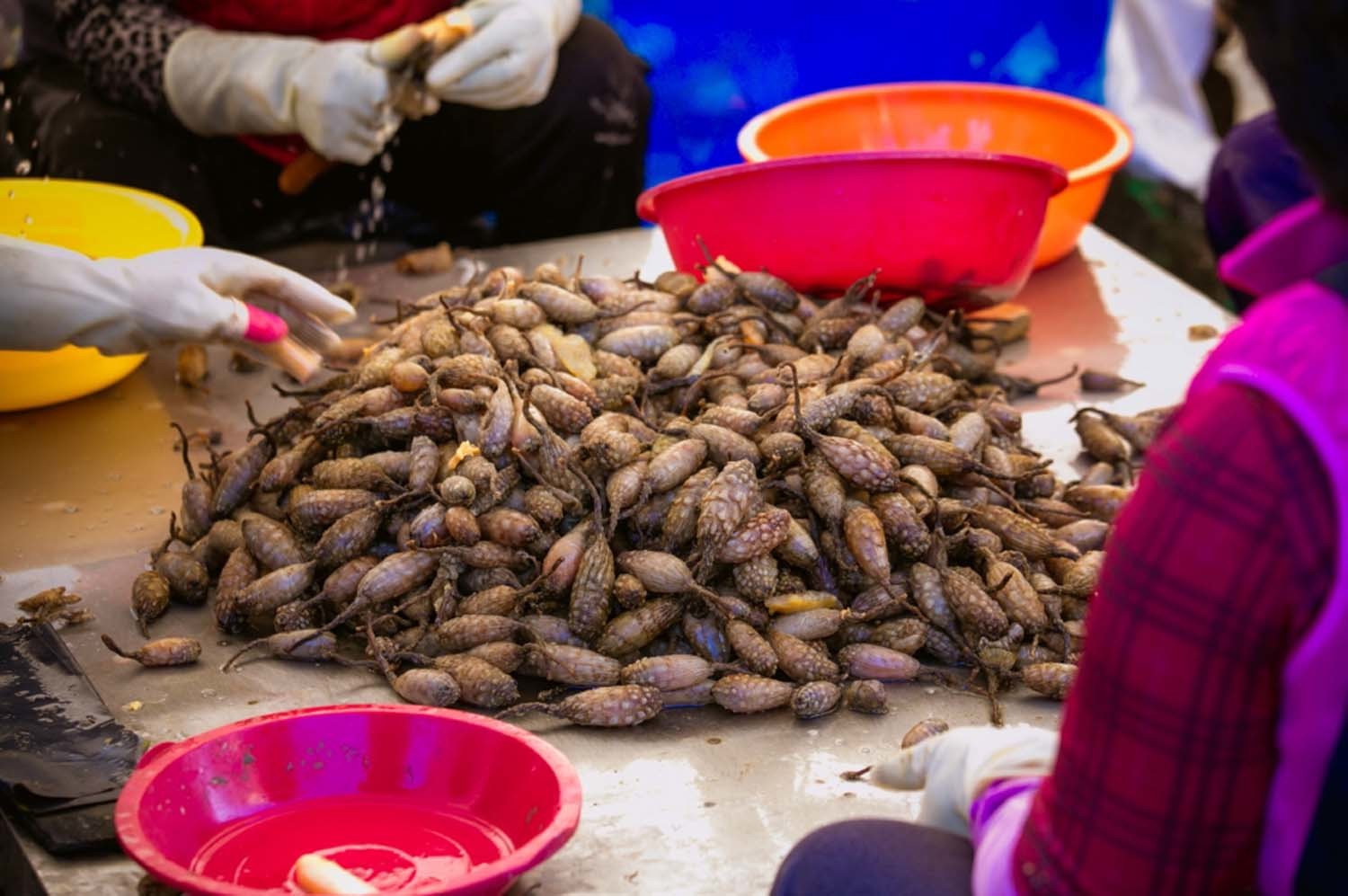
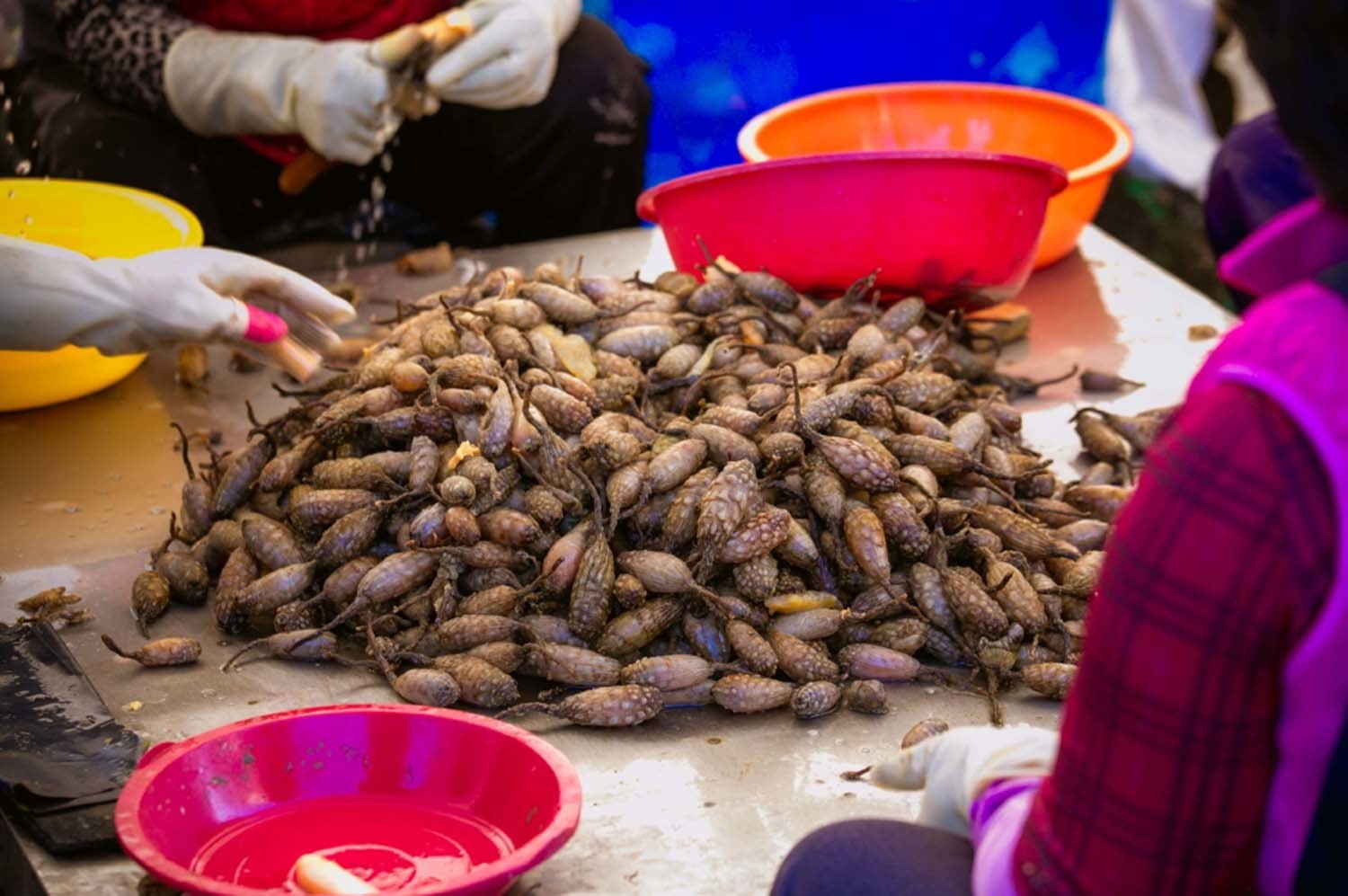
If you’re poking around a pot of seafood stew with chopsticks, you’re bound to find it sooner or later: that little sea critter that, when prodded, can send a splash of broth flying right onto your shirt. Yes—that’s mideodeok. It might seem like a supporting player in monkfish stew, but it’s actually the secret that makes the broth sing. This spring, mideodeok are having a moment. At fish farms in Changwon’s Jindong Bay, nets are hauling in nets full of them. Better farm conditions mean a much bigger, healthier harvest than last year, and producers expect even more next season. Trouble is, KNN reports consumers aren’t exactly rushing to buy. Supply is overflowing while demand lags, and that’s putting pressure on growers. Look at it another way: it’s the buyer’s moment. A bumper crop means lower prices and peak quality. Spring mideodeok—if not now, when?
What is mideodeok — literally “deodeok from the water”
The name mideodeok comes from 'mi,' an old word for water, combined with 'deodeok'—so literally, deodeok that grows in the water. It’s an ingredient most associated with Korea, and it even looks a bit like the deodeok root. Like deodeok, you usually peel its outer layer before eating. Biologically, it’s a tunicate in the Pyuridae family: a finger-sized body with a stalk that hooks onto rocks or nets. It’s most common along Korea’s southern coast, and the Jindong mideodeok from Jindong-myeon, Masanhappo-gu, Changwon is so famous it’s registered as a geographically indicated seafood.
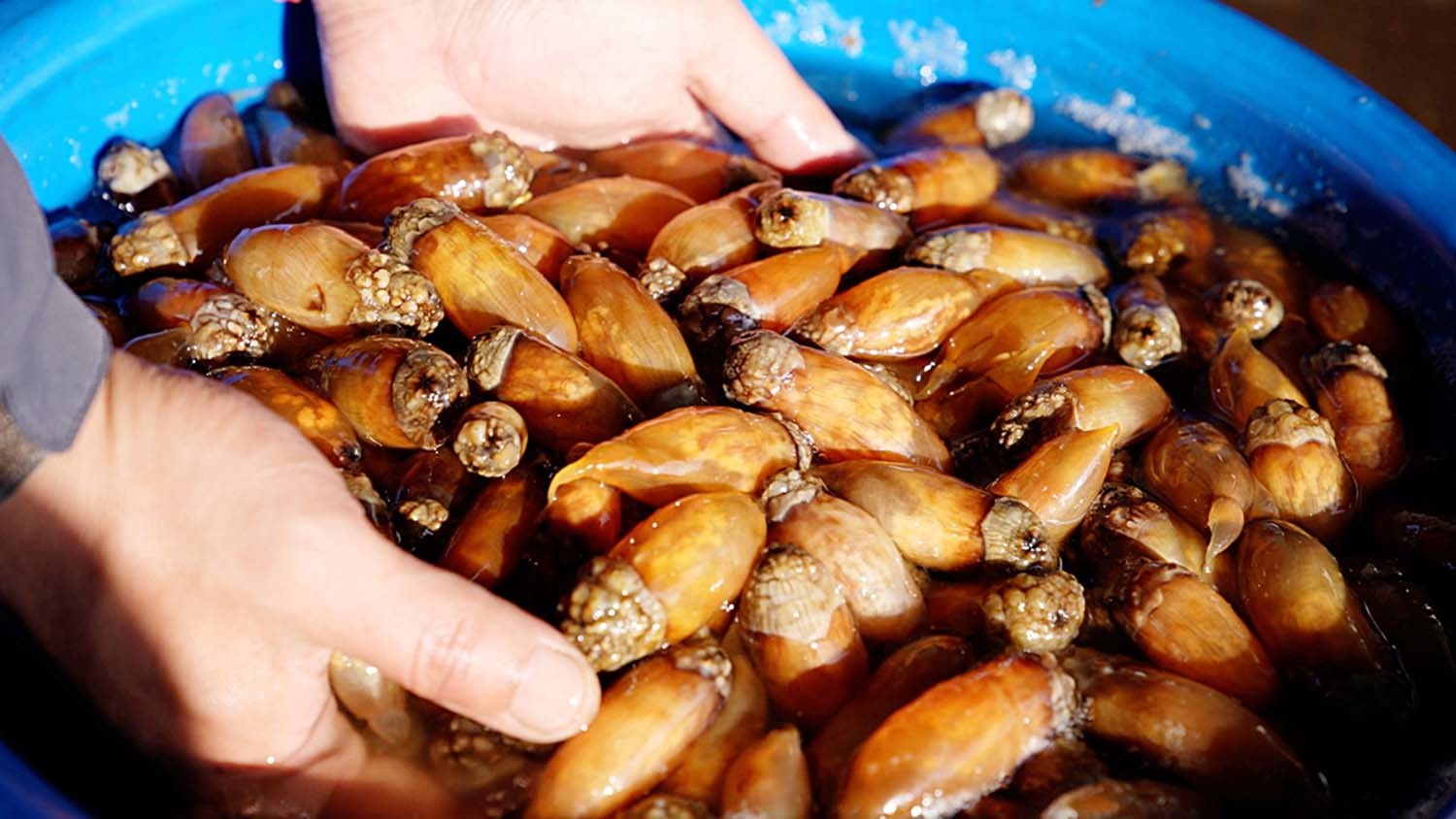
What sets mideodeok apart is its distinctive aroma, thanks to an unsaturated alcohol called shintiol. Bite into one and a bright, briny burst lifts the whole dish—especially seafood soups and monkfish broth. It’s not bitter like some sea squirts; instead, it’s mildly sweet with a pleasant tang, so it’s a friendly intro to seafood for many eaters. Peak season runs March through May, which means right now is prime time. In spring the flesh plumps up and nutrition peaks—rich in EPA and DHA, which are linked to heart and blood pressure benefits. It’s low in calories but full of folate, vitamins C and E, iron, taurine, and asparagine.
Mideodeok vs. omandungi: why they’re often mixed up
What you buy at the supermarket or get in a restaurant labeled “mideodeok” might actually be omandungi. The two look similar raw and become even harder to tell apart once cooked, so they’re often used interchangeably. There’s even talk that some school cafeterias list the cheaper omandungi as mideodeok.
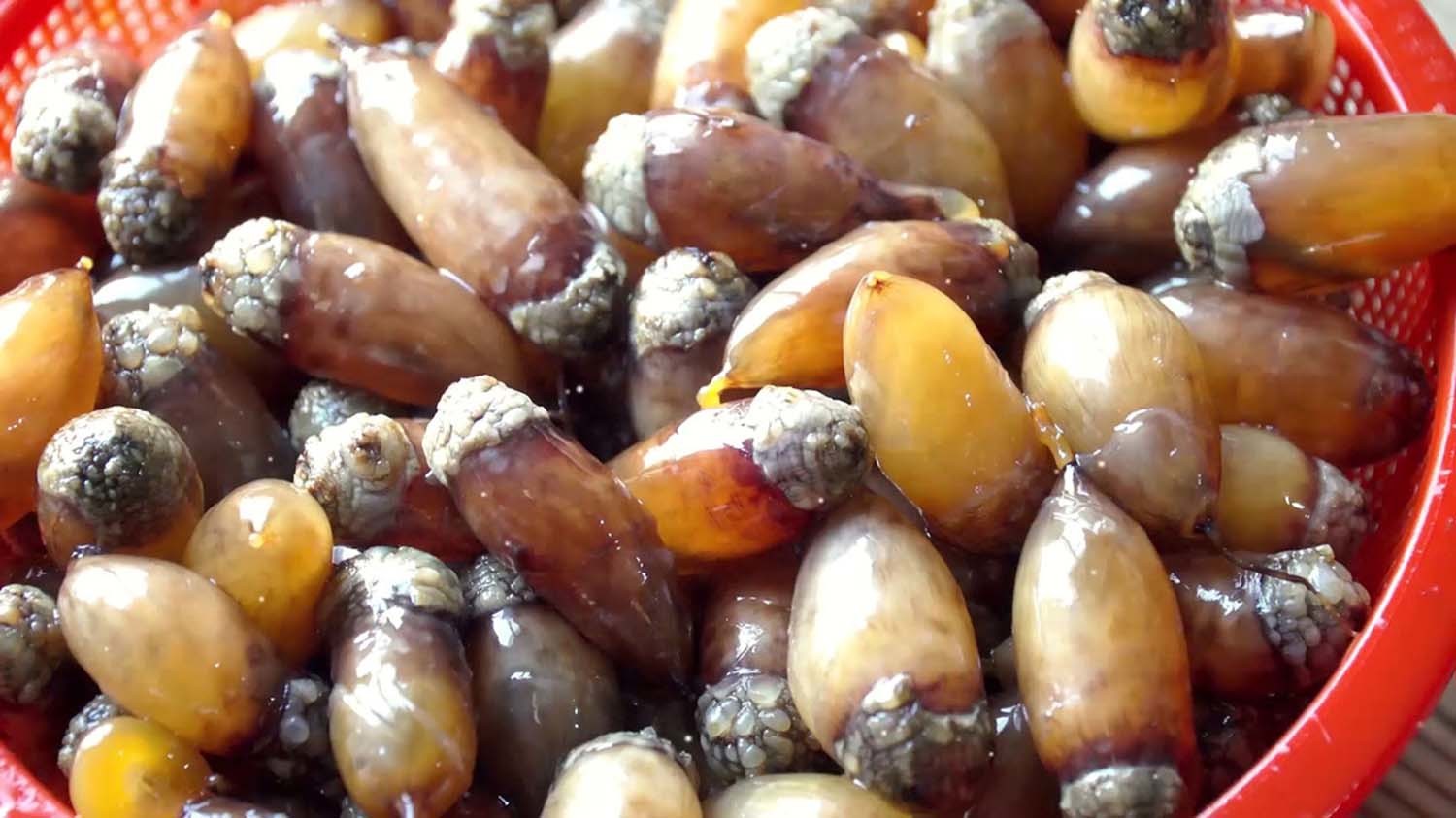
The official name for omandungi is “wrinkled mideodeok.” Locals call it by many names—omandungi, omanduki, mandi—because it sticks to so many surfaces. The easiest way to tell them apart is the stalk: true mideodeok is a long oval with a stalk on one end and is usually sold peeled in a smooth yellow-brown state. Omandungi lacks a stalk, is nearly round and bumpy, and its surface is covered in small nodules. In short: smooth equals mideodeok; bumpy equals omandungi.
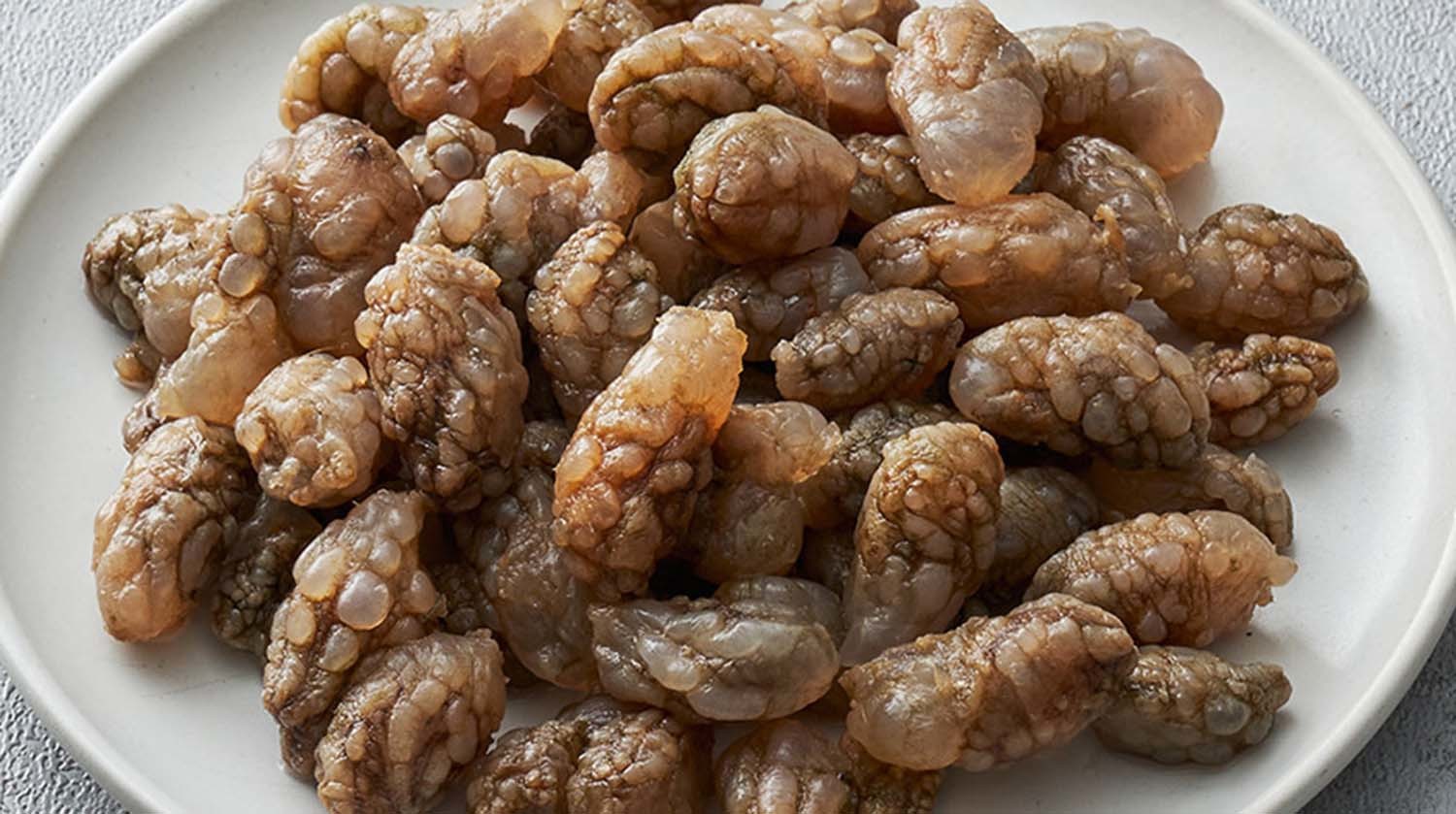
The taste difference is real. Mideodeok packs a stronger aroma and is full of liquid that bursts with flavor. Omandungi is drier, milder in aroma and taste, but cheaper and pleasantly crunchy—perfect for stews and seafood soups. Omandungi isn’t merely a cheaper substitute; it’s its own ingredient with a different flavor profile. Their seasons don’t match either: mideodeok peaks in spring (March–May), while omandungi is at its best in fall and winter (September–December). Omandungi is also easier to farm, so you can often find it year-round.
Prep is everything: how to handle mideodeok like a pro
The biggest mistake people make with mideodeok is sloppy prep. Toss it in whole and the dish can turn too salty; bite into one that’s been in hot broth and that hot juice can splash and burn.
Cleaning mideodeok is simple. Make a shallow cut along one side of the shell with a knife, remove the entrails and grit, then rinse lightly under running water. Removing the interior before adding it to stews or soups helps control salt. If you love that popping sensation, remove only the entrails and cook it in its shell. Be careful: adding whole mideodeok to piping-hot dishes can leave the internal juices scalding, so warn diners before they bite—and watch for splashes that could hit someone across the table. Omandungi is easier: rub it with plenty of salt or scrub with a brush to remove debris, then rinse three or four times in clean water.
Pick good mideodeok that are a clear yellow-brown, with plump bodies even if they’re small, and a strong aroma. For omandungi, choose ones with firm, springy shells and large roe.
Creative ways to cook mideodeok
Mideodeok is more versatile than you think. If your only move is tossing it into seafood stew or monkfish, you’re only scratching the surface.
Mideodeok doenjang stew is essentially basic fare for people on the southern coast. Make a broth from anchovies or kelp, dissolve doenjang (fermented soybean paste), add zucchini, onion, and tofu, and when they’re almost done, stir in prepped mideodeok. Finish with a quick simmer after adding chopped hot pepper and scallions. The mideodeok’s briny aroma blends with the savory soybean broth and lifts the whole soup.
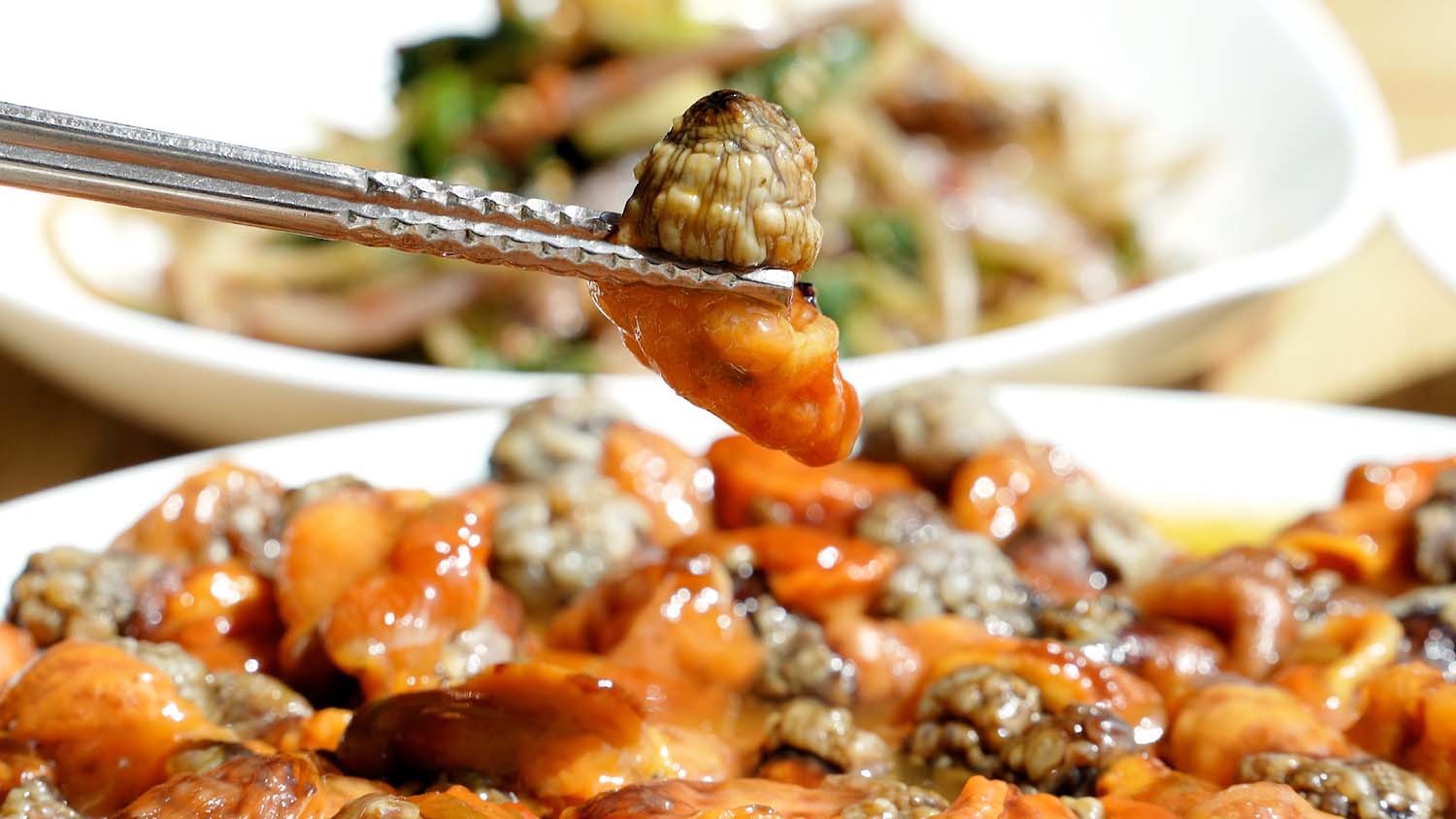
Mideodeok-jjim is a classic regional dish from Masan and Changwon. Spread bean sprouts in a pan, top with cleaned mideodeok, clams, and mushrooms, then pour over a sauce of red pepper powder, soy sauce, minced garlic, ginger, and cooking wine. Cook over high heat like a quick stir-fry, then cover and steam for about five minutes. Finish with sesame oil and toasted sesame seeds—the spicy sauce and mideodeok aroma are a perfect match.
Mideodeok bibimbap is a true local specialty you’ll only find in Masan. Finely chop fresh raw mideodeok and place it over rice with vegetables and flying fish roe, then mix. Chefs often skip gochujang or soy sauce, letting the salty, fragrant juices of mideodeok season the bowl. Because freshness is everything, it’s typically made with mideodeok harvested that very day.
Mideodeok muchim is the simplest way to enjoy it. Toss cleaned mideodeok with gochujang, vinegar, sugar, minced garlic, and sesame oil for a fantastic side dish or drinking snack. People also make jeotgal (fermented condiment) from it; jars of mideodeok jeotgal in Gyeongsang-do market delis are praised for their rich umami.
Bumper harvest, tight markets—why you should eat them now
Fishermen in Jindong Bay aren’t celebrating despite the bumper crop. KNN reports that while harvests jumped from last year, sales lagged because many consumers find the prep tricky or aren’t used to the flavor and aroma. Other southern-coast seafood like sea squirts and ark clams face the same problem. With fewer local festivals and fewer promotional channels, producers are struggling to find buyers.
Climate change adds another worry. Rising sea temperatures and low-oxygen water events have led to more mass die-offs, and experts warn that long-term mideodeok farming in domestic waters could become more difficult. This year’s good harvest came from a temporary improvement in farm conditions, but there’s no guarantee it will continue.
That uncertainty is tough for producers—but it’s a sweet spot for consumers. Oversupply in a bumper year pushes prices down. In spring the flesh is plump and the quality is peak. They’re easy to find, affordable, and at their best. This spring, give mideodeok the lead role instead of treating it as a background ingredient. A handful in doenjang stew will change the broth completely. Want to help Jindong Bay fishermen? Cooking a pot of mideodeok doenjang stew this weekend is a delicious place to start.