Even in February 2026, one brand grabbed the most consumer attention in South Korea’s packaged ramen market: Shin Ramyun. Launched in 1986, the four-decade-old favorite hit a new peak this year as the recently released Shin Ramyun Gold took off.
In February, Nongshim’s Shin Ramyun drew more online mentions and consumer interest than any other packaged ramen brand in the country. On the 10th, polling firm Data & Research, at the request of Big Data News, ran a big-data analysis across news sites, online communities, blogs, cafes and social media to gauge interest in ramen brands. The survey covered flagship products from major domestic food companies such as Nongshim, Samyang Foods, Ottogi and Paldo.
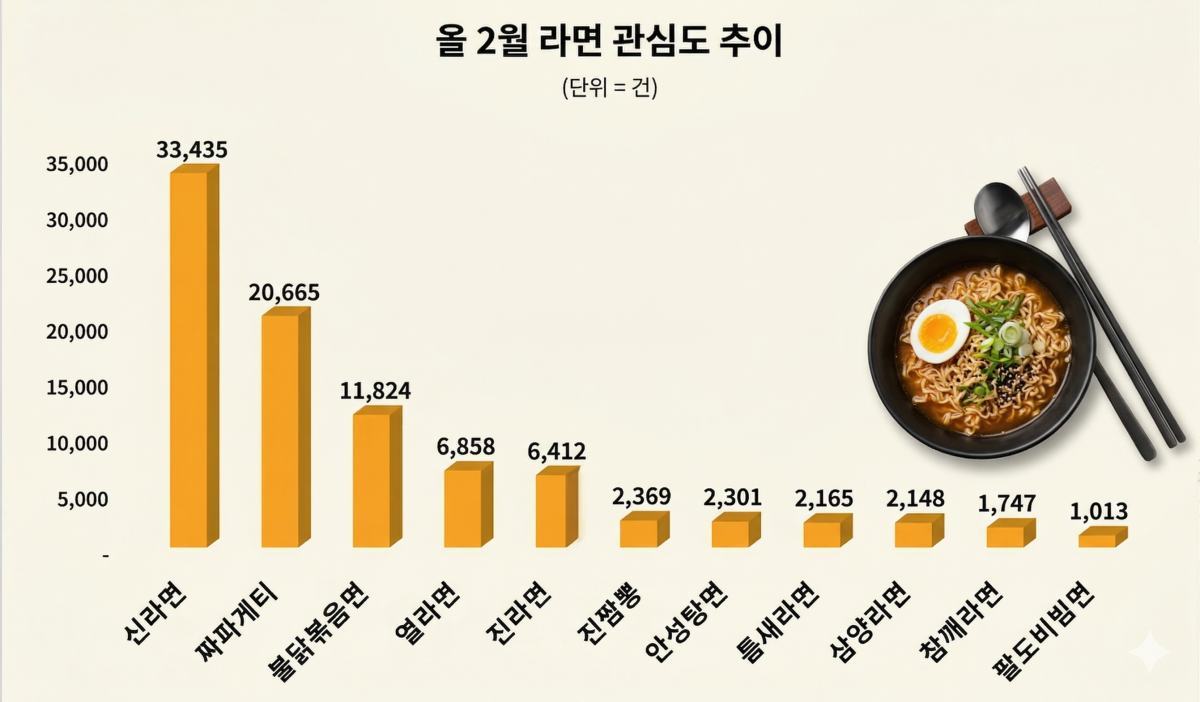
Big Data News found that Nongshim’s Shin Ramyun racked up 33,435 online mentions in February, topping the list of ramen brands. It led by a wide margin over Nongshim’s Chapagetti in second place and Samyang Foods’ Buldak Bokkeum-myeon (hot chicken stir-fried noodles) in third. Eleven products were included in the survey. The ranking in order: 1) Nongshim Shin Ramyun, 2) Nongshim Chapagetti, 3) Samyang Foods Buldak Bokkeum-myeon, 4) Ottogi Yeol Ramen, 5) Ottogi Jin Ramen, followed by Ottogi Jin Jjambbong, Nongshim Ansungtangmyun, Paldo Teumsae Ramen, Samyang Ramen, Ottogi Sesame Ramen and Paldo Bibimmyun.
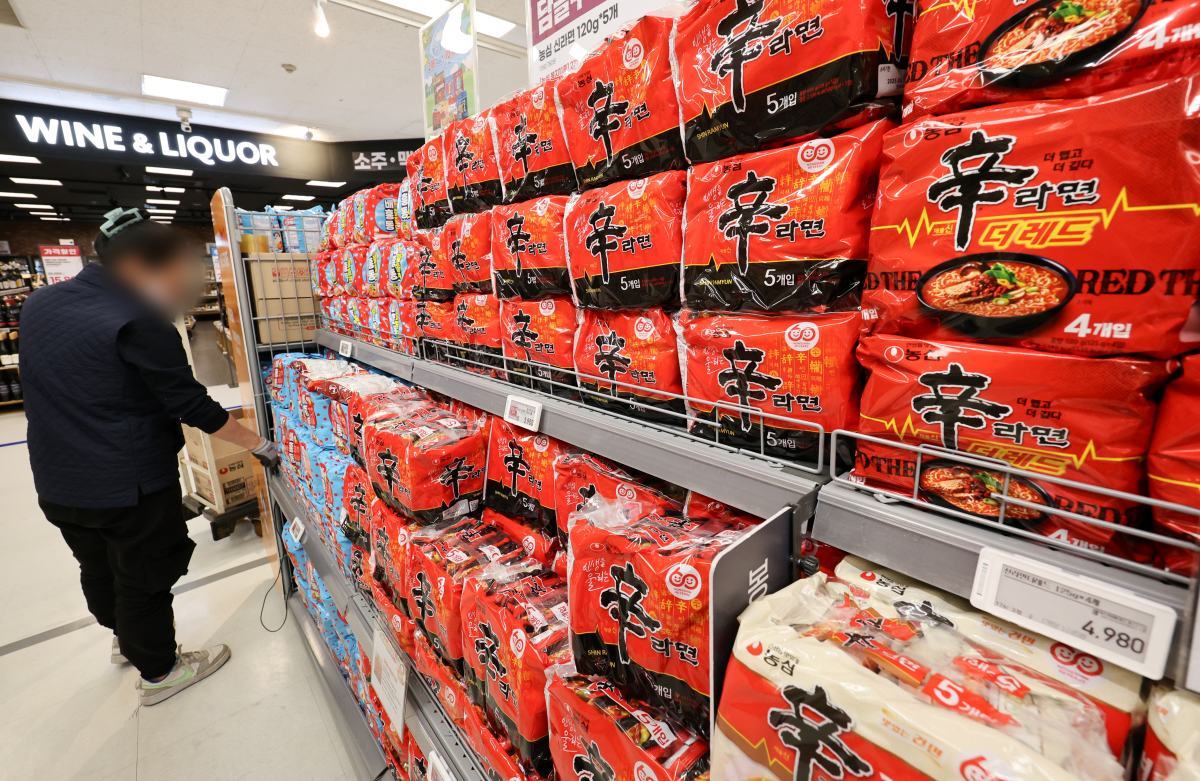
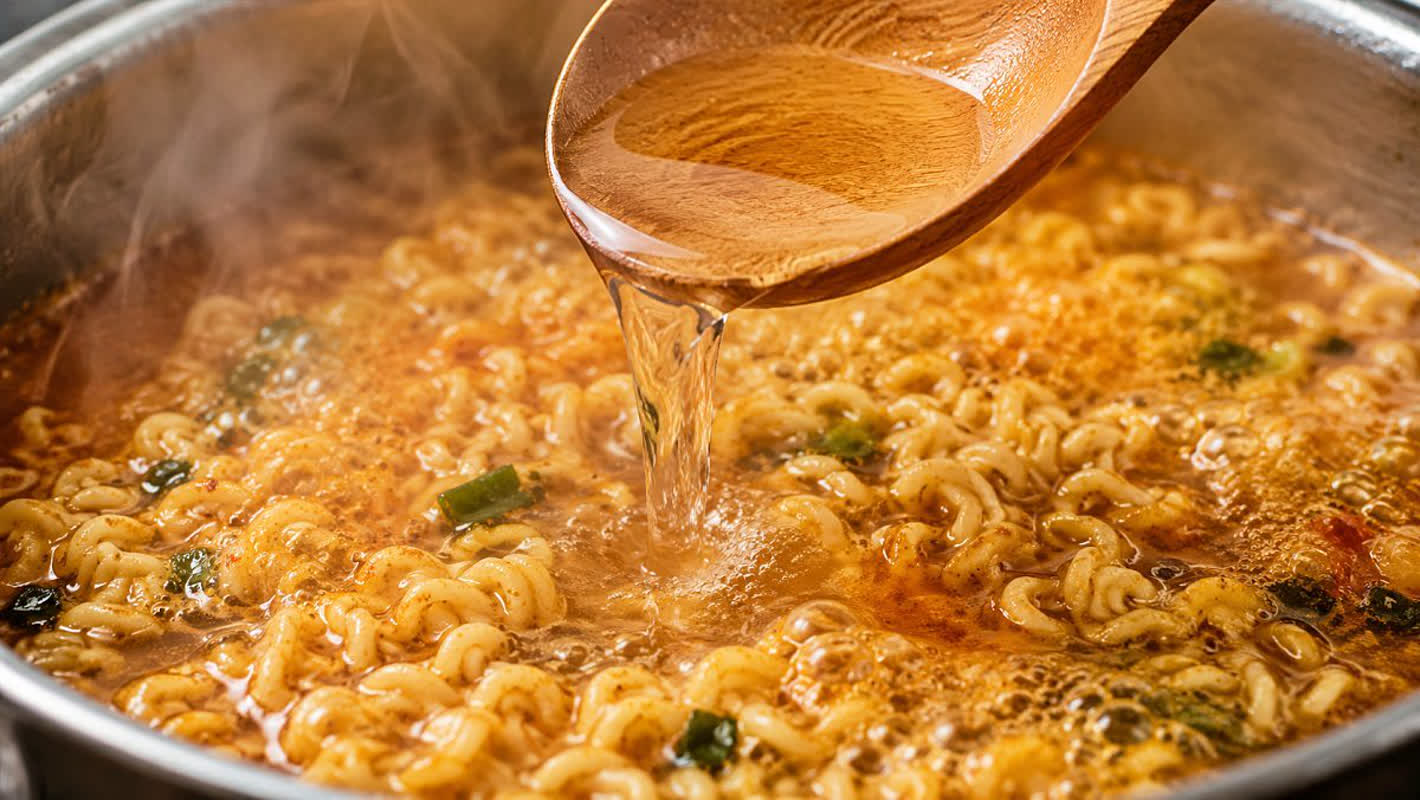
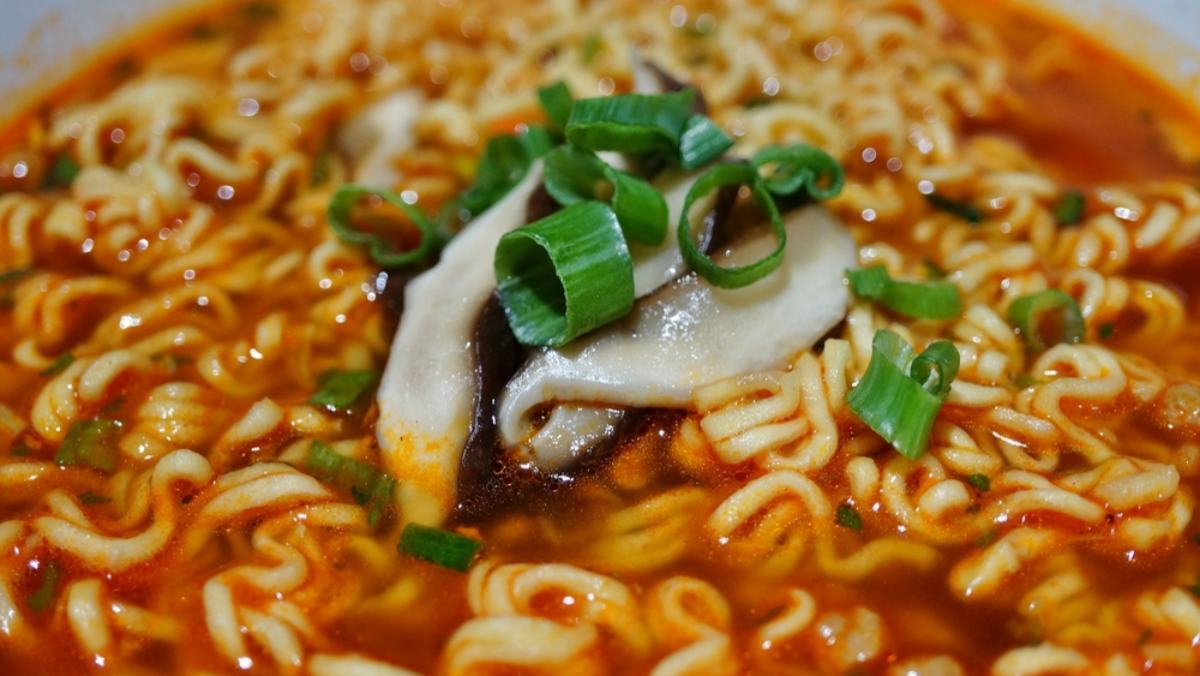
Shin Ramyun didn’t just come up a lot in conversations — it earned genuinely positive reviews. Fans were especially enthusiastic about Shin Ramyun Gold, the new release Nongshim introduced early this year to mark the brand’s 40th anniversary. Online praise surged: many consumers said the added chicken broth deepened and smoothed the soup while preserving the signature heat, and they welcomed the richer, rounder flavor. The new product’s success injected fresh energy into this long-running brand and lifted overall interest.
Shin Ramyun has stayed on top for decades by evolving without losing what made it familiar. When it debuted in October 1986, it introduced the concept of a spicy ramen and made a big splash. Its savory, spicy broth and springy noodles became the benchmark for many Koreans’ instant-ramen expectations. Nongshim has kept Shin Ramyun’s core identity intact while widening the lineup to reflect increasingly varied consumer tastes.
Today you can find several Shin Ramyun variants on shelves. Launched in 2011, Shin Ramyun Black entered the premium segment by layering in a seolleongtang-style broth for deeper richness. Shin Ramyun’s non-fried noodle version targets health-conscious eaters by avoiding fried noodles and cutting calories to about 350 kcal, appealing to those who want a cleaner taste. For spice die-hards, Shin Ramyun The Red delivers much more heat. And Shin Ramyun Tumba—based on a viral online recipe—has won over younger consumers with its spicy, creamy twist, bringing a fresh vibe to the stir-fry noodle scene.
That product diversity remains a key strategy keeping Shin Ramyun’s market share solid in 2026. Nongshim isn’t just adding SKUs — it’s also connecting with global youth by naming the idol group aespa as brand ambassadors. The company mixes nostalgia and trendiness with slogans like “Shin Ramyun that moves your life,” making the brand feel both comforting and current. While Chapagetti and Buldak Bokkeum-myeon enjoy loyal followings, Shin Ramyun hits the broadest audience by combining mainstream appeal with standout new offerings.
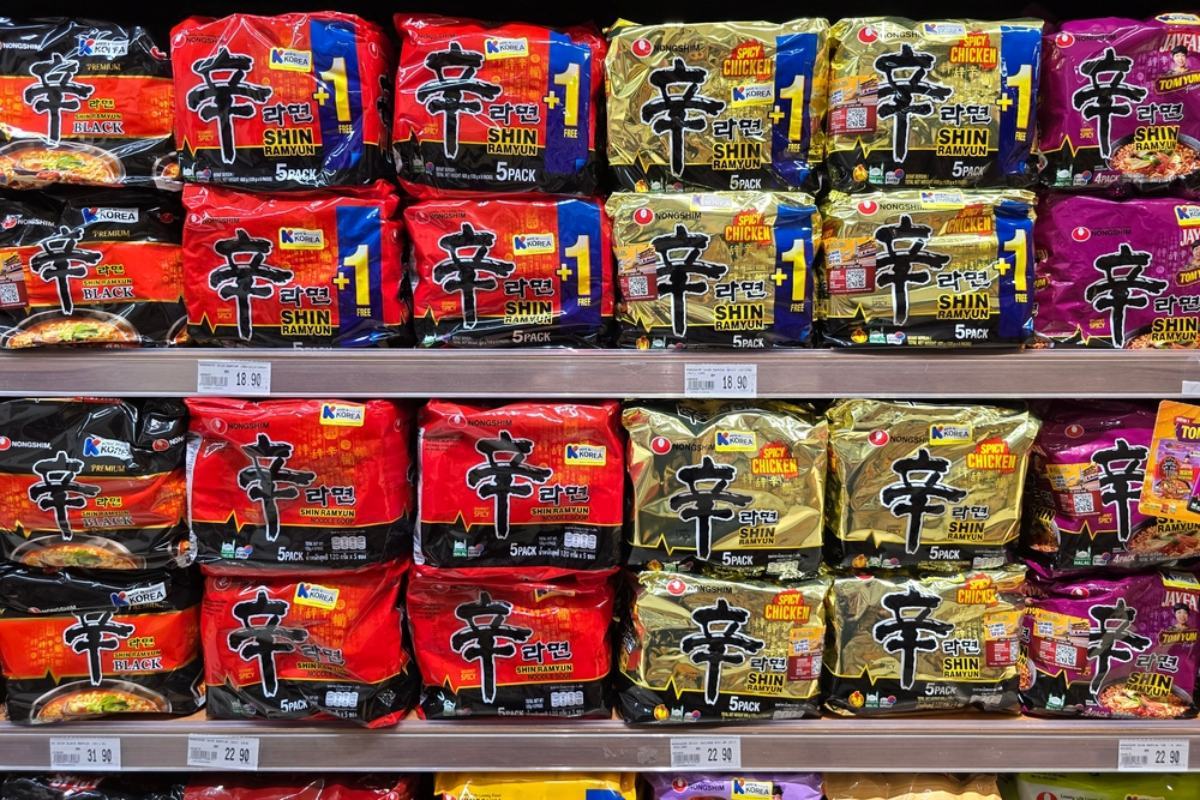
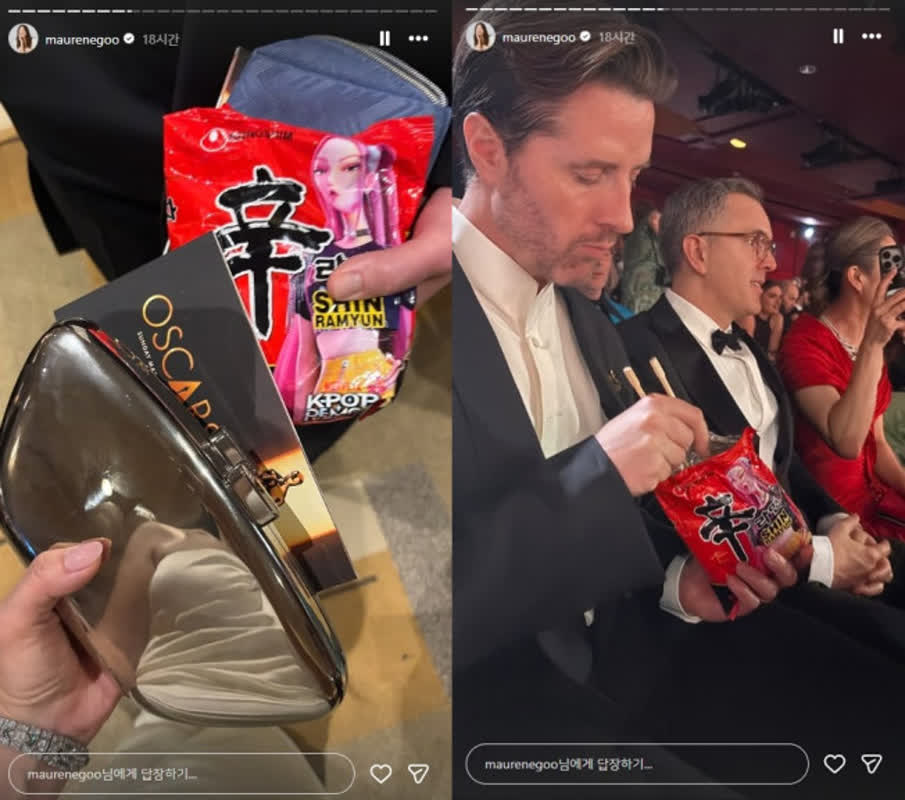
Shin Ramyun’s influence extends beyond Korea. Now exported to about 100 countries, it became the first Korean ramen to land on every U.S. Walmart store shelf, turning it into a symbol of Korean food. For many international consumers, Shin Ramyun is their first gateway to Korean spiciness. With increased local production overseas and growing export volumes, Shin Ramyun maintains top-tier recognition in the global instant-noodle market.
A Data & Research representative said that, even on its 40th anniversary in 2026, Shin Ramyun has cemented its No. 1 spot thanks to new-product momentum and strong brand recognition. When people want a reliable choice, they often reach for a familiar brand like Shin Ramyun, the representative noted. The firm added that active online chatter and curiosity about the Gold variant have translated into actual purchases and heightened interest. Looking ahead, Shin Ramyun seems poised to lead both domestic and international ramen markets by safeguarding its signature taste while continuing to experiment.
One package of Shin Ramyun contains 505 kcal and 1,790 mg of sodium. If you’re watching your intake, skip drinking the broth or add vegetables while cooking. Also, a few drops of vinegar in the cooking water can firm the noodles and give them a chewier texture — a handy tip to remember.
Here are some consumer reactions and netizen comments: I tried Shin Ramyun Gold — maybe because of the chicken broth, the soup feels much heartier. This might be the ultimate for mixing with rice. After 40 years, there’s a reason it’s still No. 1. When I see Shin Ramyun abroad, I feel reassured. It’s Korean soul food. I leave some broth because I worry about sodium, but the noodle texture is consistently the chewiest, so I love it. The Gold version has bigger garnish pieces, which adds chew. Mixing Chapagetti and Shin Ramyun is standard now, and surprisingly, the Gold plus Chapagetti combo works — the umami really comes through, others wrote.
Check your daily horoscope report! How will your day go?