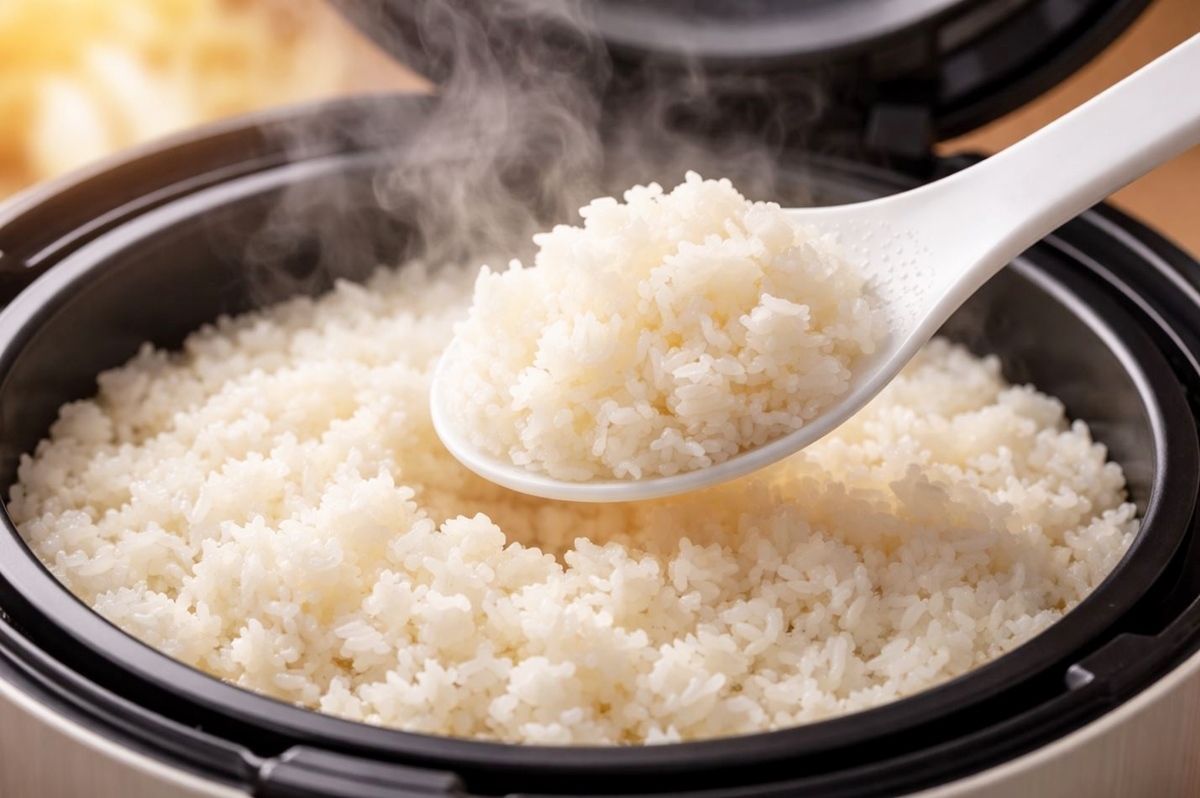
Pea rice — simply rice cooked with peas — delivers a clean, nutty flavor with a touch of natural sweetness. It’s a wholesome, easy dish that lots of people reach for when they want something both comforting and nutritious.
Peas are a springtime legume that add a tender, pop-in-your-mouth texture when cooked with rice. They brighten the color and boost the nutritional profile, so many households use them as a quick way to upgrade a meal without extra fuss.
Start by measuring your rice. For about 2 cups of rice, use roughly 1/2 to 1 cup of peas. Fresh peas give the best flavor and texture, but frozen peas work well in a pinch.
Rinse the rice several times in clean water to wash away excess starch, then soak it for 20–30 minutes. Soaking helps the grains cook up light and fluffy, so don’t skip it if you can help it.
Preparing the peas matters too. If you’re using fresh peas, shell them and rinse under running water to remove any debris. Peas are delicate, so overcooking will dull their color and turn them mushy — the easiest, tastiest approach is to cook them together with the rice. If you’re using frozen peas, thaw and give them a quick rinse before adding.
After the rice has soaked, drain it and add fresh water for cooking. Since peas release a bit of moisture as they cook, you can slightly reduce the water compared with your usual amount.
Scatter the peas evenly over the rice, then cook in a rice cooker, pressure cooker, or on the stove. When it’s done, gently fluff the rice with a paddle or fork, taking care not to crush the peas. This helps the peas settle evenly among the grains and keeps the dish visually appealing.
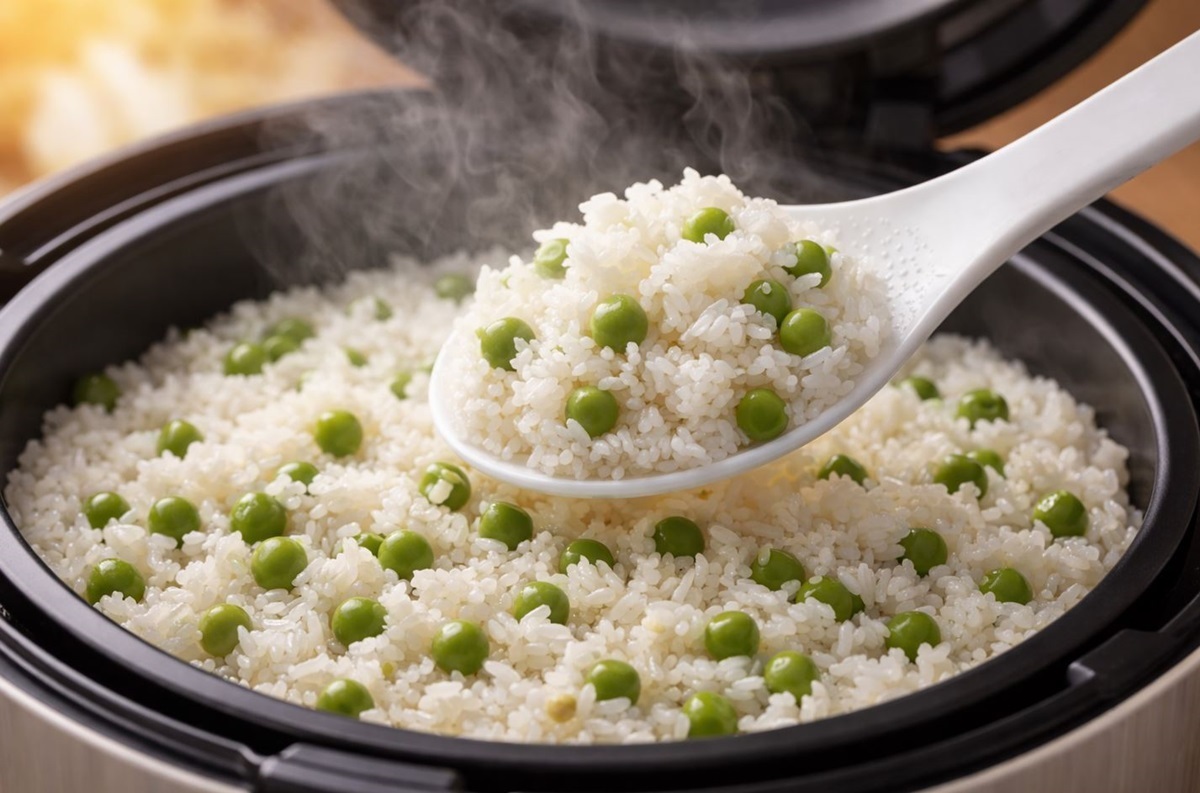
Adding peas to rice doesn’t just improve taste and texture — it delivers real nutritional benefits. Peas are rich in plant-based protein, which helps balance the carb-heavy profile of white rice. That makes pea rice a smart option for growing kids, active adults, or anyone who wants a more satisfying meal.
Peas also pack plenty of dietary fiber, which supports healthy digestion, helps prevent constipation, and increases feelings of fullness — useful for curbing overeating. Because pea rice keeps you feeling satisfied longer than plain white rice, it can be a helpful addition if you’re watching your weight. It’s also a good pick for anyone who doesn’t get enough vegetables or legumes in their diet.
Peas bring a range of vitamins and minerals to the plate, including B vitamins and vitamin C, which support metabolism and help fight fatigue. They also supply minerals like potassium and iron, which help maintain electrolyte balance and support healthy blood function. These nutrients make pea rice a sensible choice for everyday meals.
Peas contain antioxidants that help reduce free radicals, protecting cells and potentially slowing signs of aging. Some research also suggests that plant compounds in legumes can support heart health. Regularly enjoying peas is an easy way to incorporate these benefits into your diet.
Because pea rice is so simple to prepare, it’s a great go-to for busy families. No complicated steps — just add peas while you cook the rice. The peas’ tender texture and mild sweetness enhance the flavor, making it an easy win for both kids and adults.
Pea rice hits the sweet spot between flavor and nutrition. By adding peas to white rice, you boost plant protein, fiber, vitamins, and minerals while making meals more satisfying. Including pea rice in your regular rotation can help you maintain a balanced, feel-good eating routine.
Your daily personal horoscope report! How will your day go?