South Korea’s dairy industry is seeing a surge in RTD coffee exports
Brands expanding into Greater China, Russia and Southeast Asia
Coffee preparations rank fourth among agricultural-food exports
[Asia Times=Kim Min-sol] South Korea has a vibrant coffee culture — people drink roughly 400 cups per person each year. Now, ready-to-drink (RTD) coffees made by local companies are emerging as a key K-food export.

Industry insiders say Korean dairy and beverage companies are aggressively expanding RTD coffee exports into overseas markets.
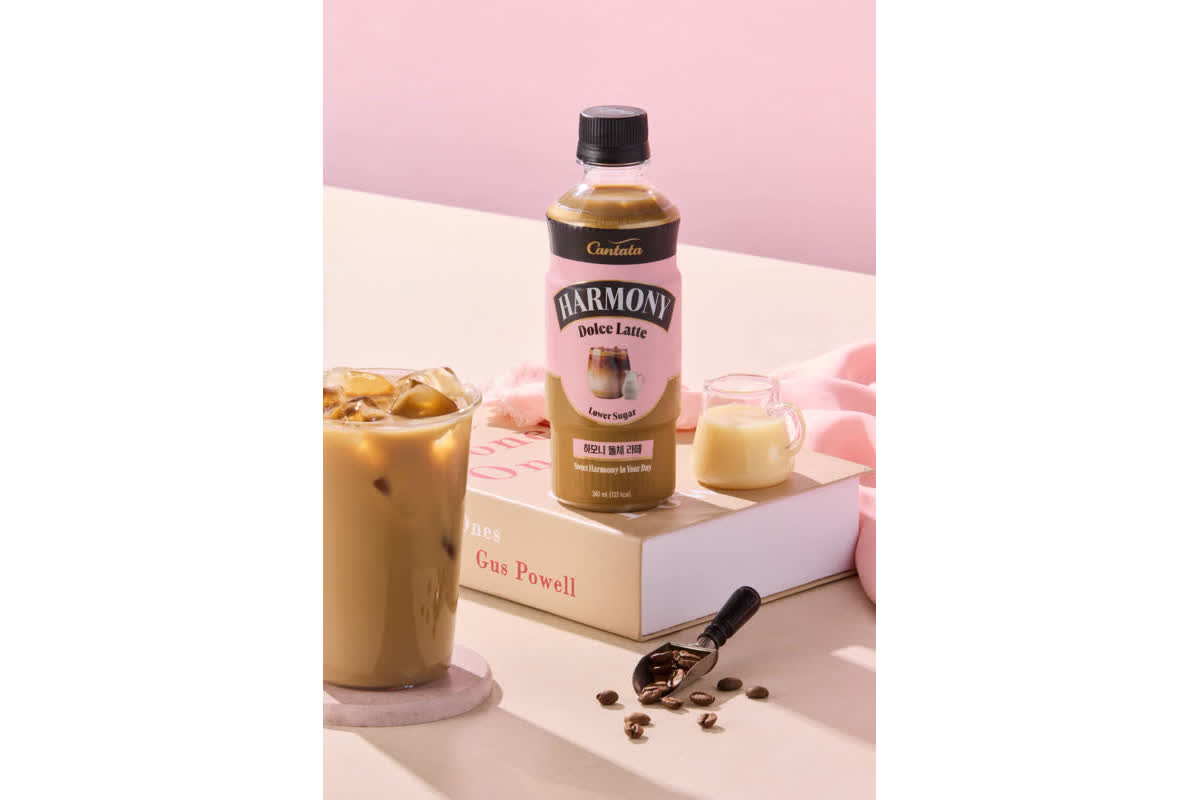
Namyang Dairy recently began exporting its cup coffee line French Cafe — Caramel Macchiato, Cappuccino and Dolce condensed-milk latte — to CU convenience stores in Kazakhstan. Namyang says Kazakhstan’s food market is growing fast because roughly half the population is under 30, and the company plans to target consumers who favor convenient options that fit busy lifestyles.
Binggrae began exporting its Acapella brand to China in 2009 and later expanded into Greater China, including Hong Kong and Macau. Maeil Dairies introduced Barista Rules to the Chinese market in 2014 and established its own sales subsidiary, Beijing Maeil Dairies Co., Ltd., in 2018.

HYBE launched the export-only RTD coffee 'HYBEru' in March 2025 and enlisted BTS as brand ambassadors, dressing the product in bespoke packaging.
Lotte Chilsung Beverage’s Let’s Be brand has also expanded overseas. Let’s Be entered the Russian market in 2009 and now reportedly controls about 90% of the local canned coffee market.
South Korea’s climate isn’t suitable for growing coffee trees, so the country imports nearly all of its raw beans. Still, strong manufacturing know-how has helped processed coffee secure a meaningful slice of K-food exports.
According to the Ministry of Agriculture, Food and Rural Affairs, coffee preparations ranked fourth among agricultural and food export items last year. After ramen, other processed foods and sauces, coffee preparations recorded annual exports of $380 million (about 506.7 billion KRW), a 12.2% increase from the previous year.