Powdered products are emerging as a major growth driver in the food and beverage (F&B) industry. Far from the old belief that powders are unhealthy, their long shelf life and flexible uses are winning over consumers. With global demand for K‑food on the rise, powdered formats are increasingly seen as poised to become a standout export category. Anytime, anywhere
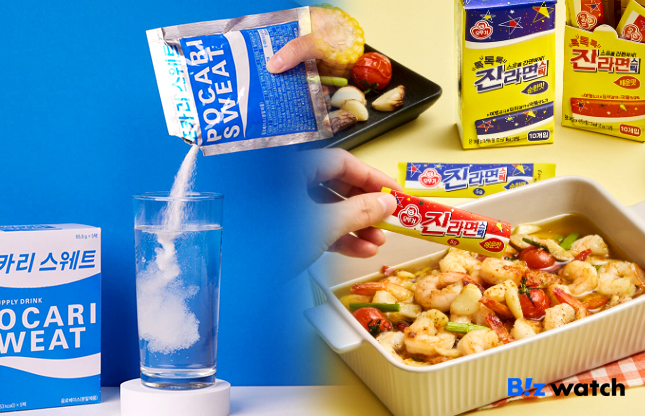
Powders are moving up on shoppers’ must-try lists. A clear example is Donga Otsuka’s Pocari Sweat powder — a product known in military PXs — which posted more than 20% year-over-year sales growth last year. Unlike bulky bottled drinks, the powder’s portability makes it an easy choice for outdoor activities and sports.
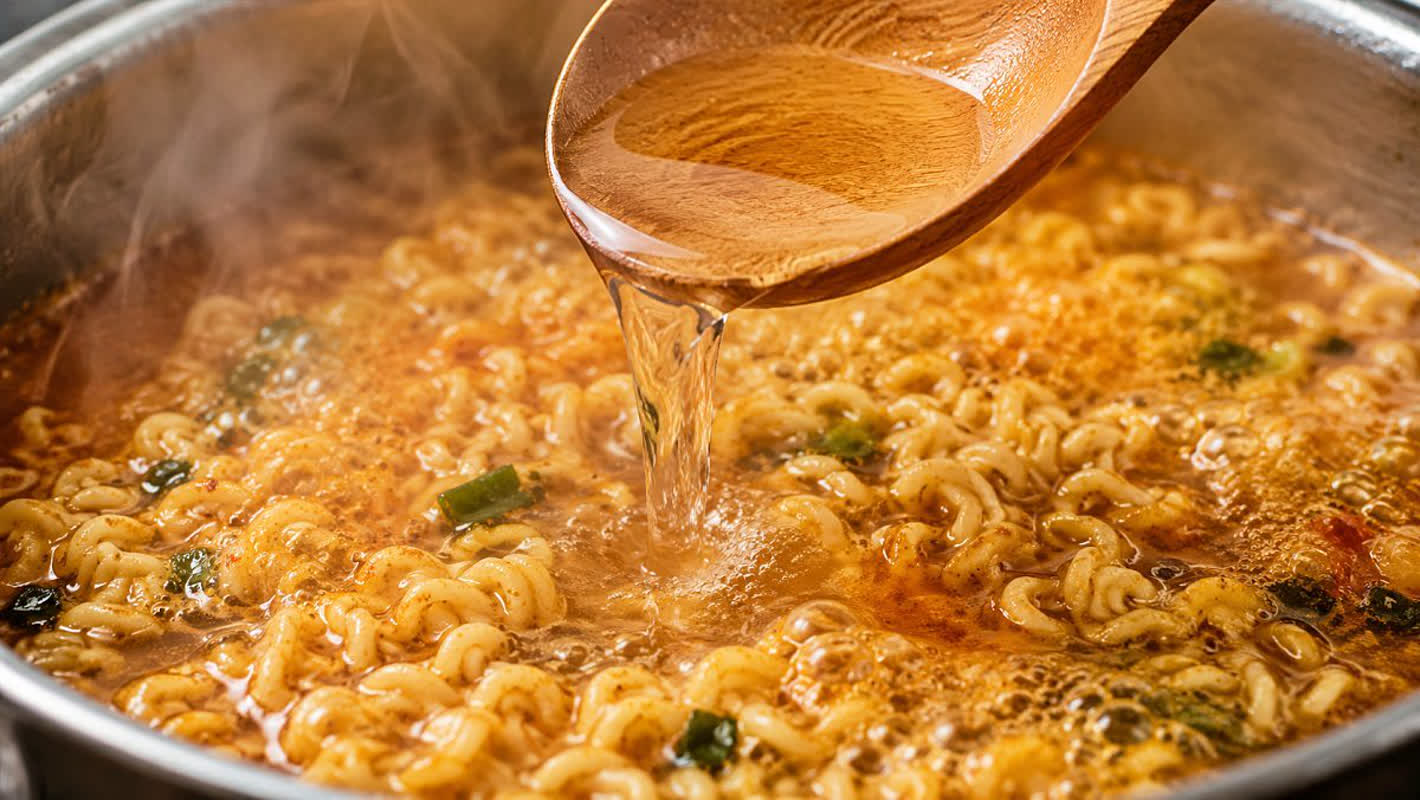
Ramen makers are also eyeing the powder space to expand their offerings. Instead of keeping soup powders locked inside instant noodle packs, companies are packaging them as standalone products. They noticed social media users sprinkling ramen powder on chips and posting creative recipes — from fried rice to stews and broths — and are packaging flavors to meet that DIY, cross-category demand.
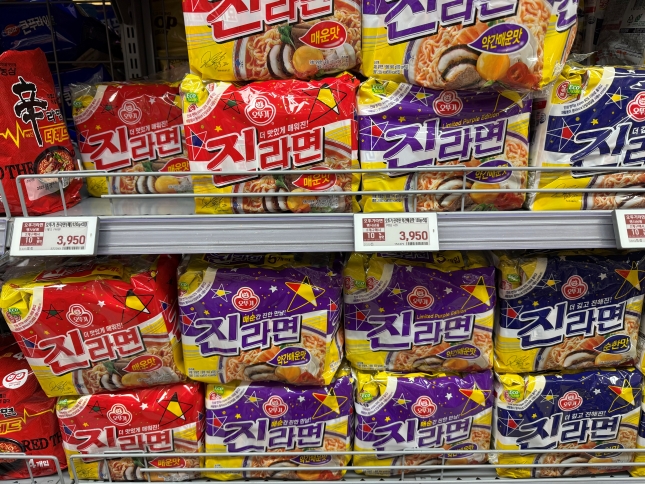
For example, Ottogi introduced TokTokTok Jin Ramen Sticks, offering its mild and spicy Jin Ramen soups in single-serve stick packs. Paldo has been expanding its lineup with launches like Wang Ramen Soup and the Tumsnae Ramen Soup. Two of Paldo’s powdered soup products have each surpassed 10 million units in cumulative sales since their 2024 and 2025 releases.
The biggest draw is convenience. Powdered products are lightweight, mix easily with water or other ingredients, and lower the barrier to experimentation. Unlike many tube sauces, powders don’t need refrigeration and allow users to control concentration and portion size to suit personal taste — making them versatile in a variety of kitchens and situations.
Next K-sauceManufacturers benefit, too. Powders are less prone to damage during transport than liquids and can reduce logistics costs. Because they ship dry, powdered items often carry longer shelf lives than liquid counterparts (which commonly run about a year), improving preservation and distribution efficiency.
Industry players see powder-format products as natural contenders to become the next “K‑sauce.” A single soup packet can convey a product’s signature flavor simply and intuitively. Samyang Foods’ Buldak liquid sauce, for example, earned strong global traction and helped create a new K‑sauce category.
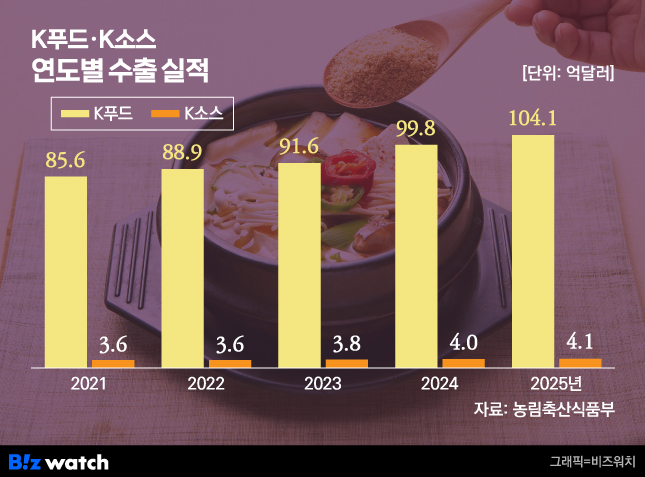
Related exports have steadily increased. According to the Ministry of Agriculture, Food and Rural Affairs, K‑food exports totaled $10.41 billion last year (about 13.88 trillion KRW). Sauce exports reached $412 million (about 549.33 billion KRW), a record high. While sauce exports are roughly one-third the value of Korea’s top export, ramen, they still posted 4.6% growth year over year.
Still, some experts warn that powdered products need differentiated development to secure a lasting place in export portfolios. Ramen soup powders, for instance, suffer from a reputation for artificial flavorings and high sodium. Many in the industry say brands must introduce low-sodium and clean-label options that reflect health trends to stay competitive.
An industry official said, "Expanding distribution both online and offline has made powdered soups much easier to buy. We expect brands to keep their existing recognition while broadening the market by positioning these powders as an all-purpose seasoning that consumers can use in many ways."