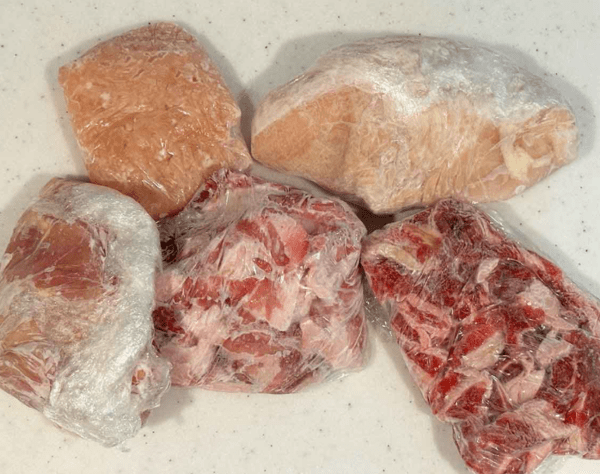
Thought freezing made food safe? For some items, it can actually increase the risk of rancidity
Many people assume that putting food in the freezer makes it last longer and guarantees safety. Freezing does help slow bacterial growth. But surprisingly, many don’t realize that rancidity can continue even while food stays frozen. Foods high in fat are especially vulnerable: oils can oxidize in the freezer, altering flavor and aroma and creating compounds that may be hard on your body.
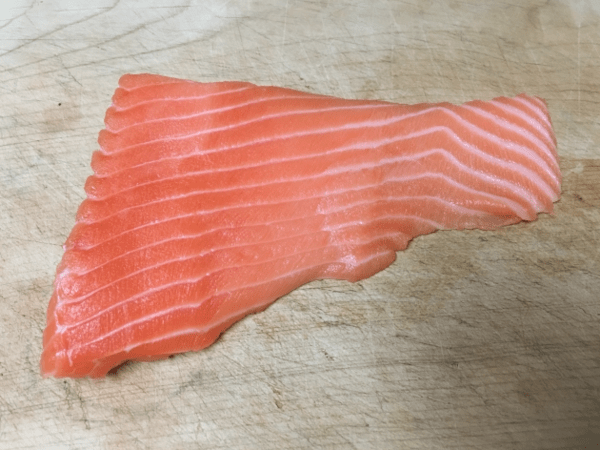
Fatty fish are rich in unsaturated fats
Fish like mackerel, salmon and tuna are loaded with omega-3s.
The issue is that these unsaturated fats are relatively sensitive to air, heat and light.
Even when frozen, oxidation can continue over time.
“So oil can go bad even when it’s frozen?”
Bacterial growth slows in the freezer, but lipid oxidation doesn’t stop completely.
Rancidity changes smell and taste
You may notice a stronger fishy smell or a strange metallic note.
Those changes often come from lipid oxidation.
And the longer something stays in the freezer, the more likely these changes become.
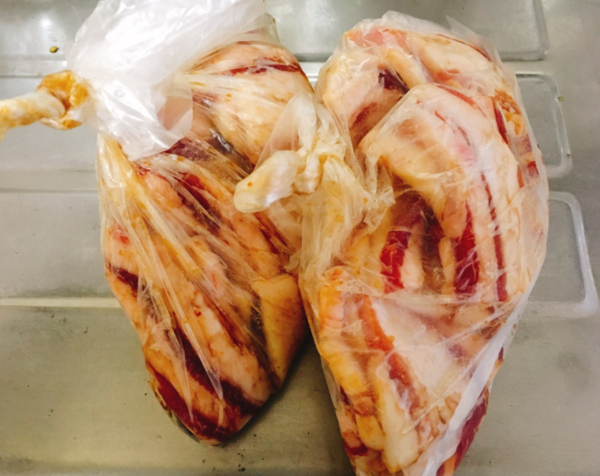
Marinated meats can be riskier
Marinated meats often contain sugar, soy sauce, garlic and oil.
The moisture and fats in those marinades can speed up oxidation and flavor breakdown.
When food gets a lot of air exposure, rancidity can accelerate.
“So that’s why frozen pork belly smells different after sitting a long time.”
It’s likely due to oil oxidation.
Meat fats can deteriorate if left too long
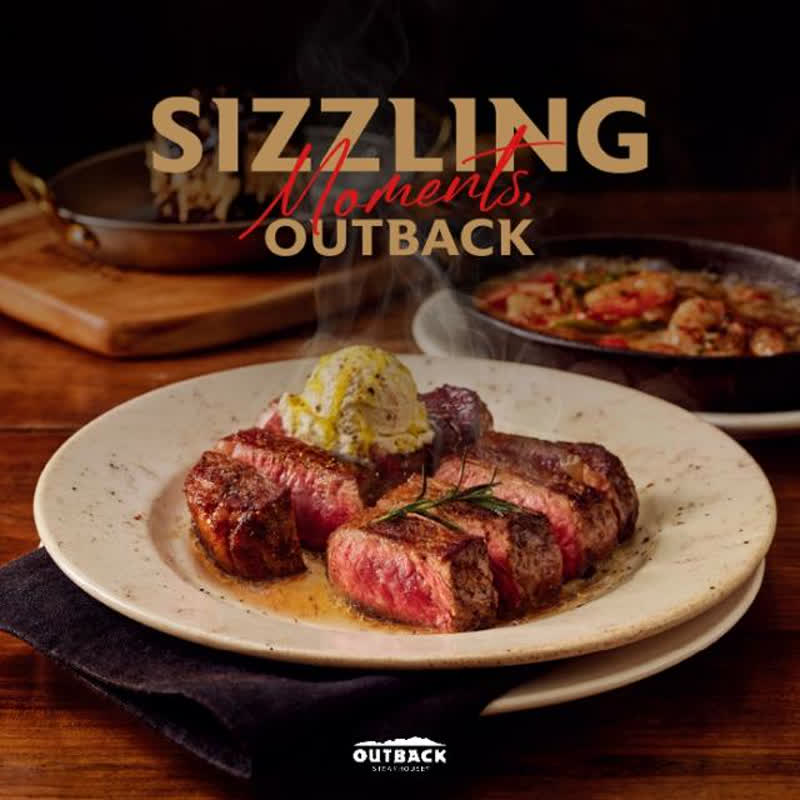
High-fat cuts like pork belly or marinated short ribs are more prone to flavor changes even in the freezer.
Opening and closing the freezer frequently causes temperature fluctuations that make the problem worse.
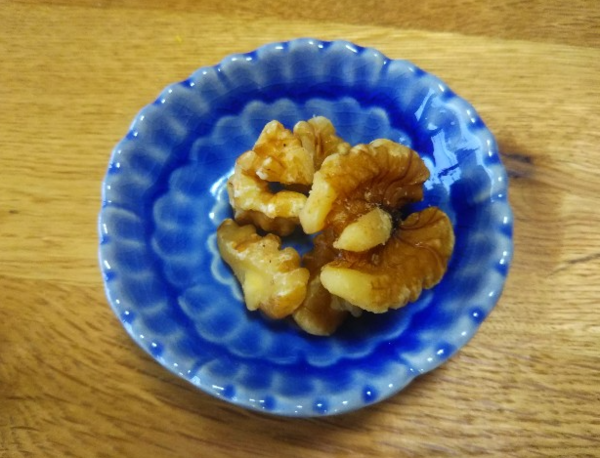
Nuts are basically little bundles of oil
Walnuts, almonds and cashews are full of healthy fats.
But those fats are also vulnerable to oxidation.
Stored too long, nuts can develop a stale, rancid smell.
I thought freezing nuts made them last forever?
Freezing helps, but it doesn’t make them immune to going bad.
Rancidity can affect your health, too
When fats oxidize, they can form byproducts like lipid peroxides.
These compounds are often mentioned in discussions about inflammation and cellular stress.
So it’s wise to avoid foods that smell like old oil.
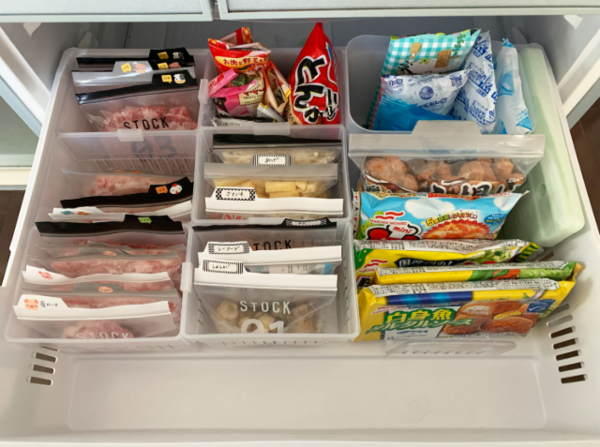
Airtight storage matters in the freezer, too
How you package food matters more than just tossing it in the freezer.
Minimizing air contact is the best way to slow oxidation.
That’s why portioning and tightly sealing items is so important.
Storage time matters more than you might think
Don’t leave things in the freezer for years.
Try to eat high-fat foods sooner rather than later.
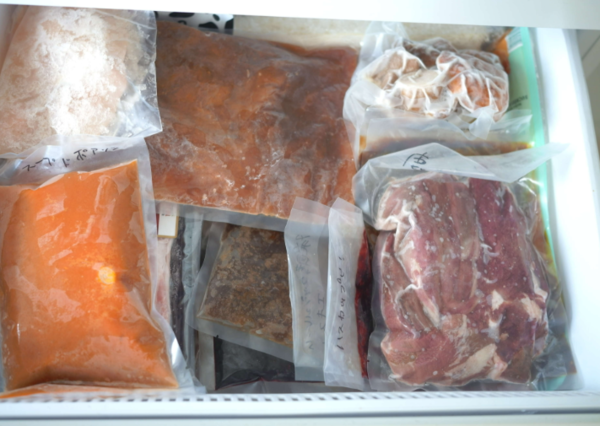
Bottom line: lipid oxidation can continue even when food is frozen
Freezing helps slow bacterial growth, but it can’t completely stop fat from going rancid.
Fatty fish, marinated meats and nuts are particularly at risk of oxidation and flavor decline over time.
I thought freezing always made food safe
That’s a common belief. Still, freezer storage demands attention to both timing and airtight packaging.