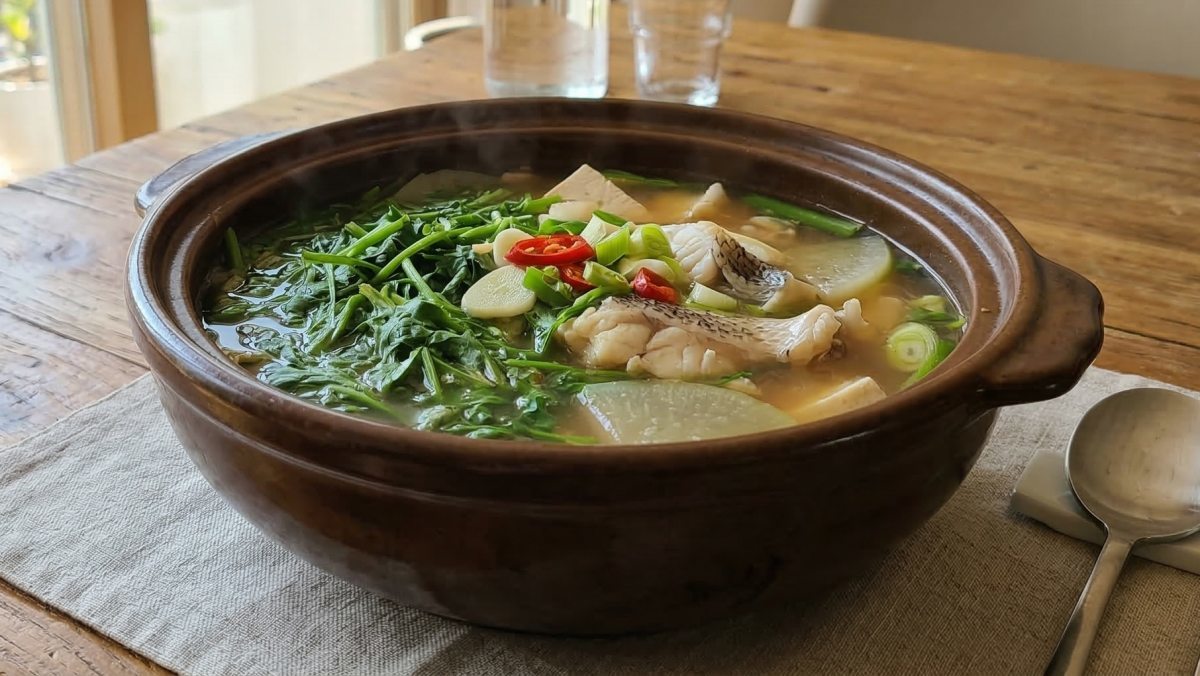
When everything wakes up and warm breezes roll in, South Korea gets swept up in a massive spring flounder craze. social media and broadcasters, as if on cue, gush over dodari saekkoshi (thinly sliced raw flounder served with bones) and dodari mugwort soup, crowning this fish the herald of spring.
But behind this annual culinary celebration lies a tangle of mixed official names, surprising contradictions in taste, and marketing so carefully designed it verges on a national con. The YouTube channel 'Fish Teacher Mr. S' digs into the truth behind this springtime obsession.
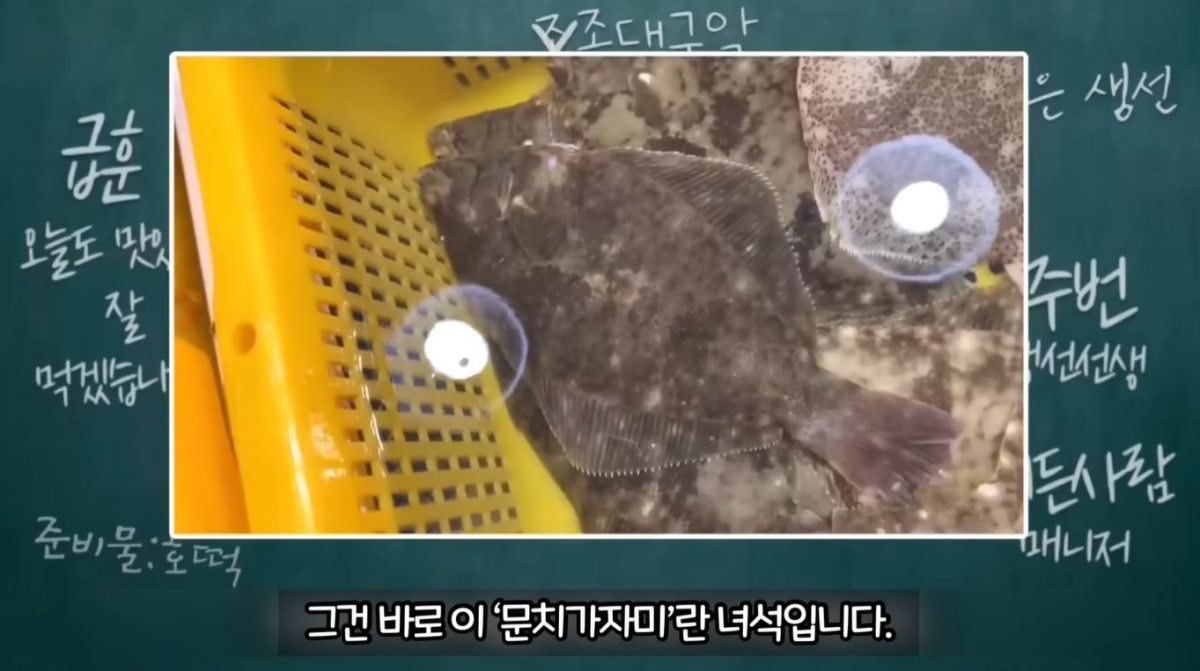
What we usually call dodari actually has the official name munchigajami. Munchigajami lives throughout Korean waters, and in its main producing region of Gyeongnam, locals have long used the dialect name dodari. As the regional dish dodari mugwort soup became famous nationwide, the fish’s local name stuck.
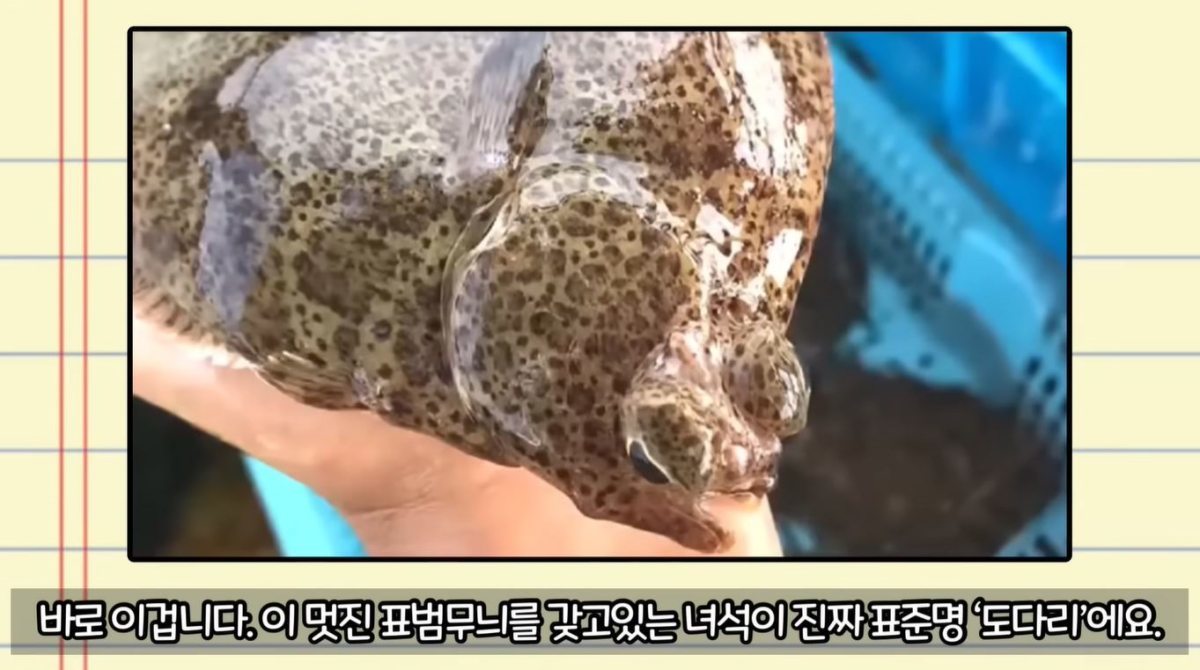
By contrast, the true official dodari is a separate species with a leopard-like pattern, and at the source it's often called 'dambaejangi' or 'tobacco dodari.' The real dodari is much rarer in catches, so even coastal communities rarely see it, and it’s been unfairly overshadowed by munchigajami stealing its name.
The idea that spring is the peak season for these fish is also questionable from a biological point of view. Munchigajami spawn from winter into spring, and during spawning they channel nutrients into their eggs, which weakens the texture and flavor of their flesh. The spring reputation actually comes down to preparation. Markets in spring flood with juvenile, non-spawning fish whose bones are tender; serving them saekkoshi-style—with bones thinly sliced—creates a rich, nutty bite. In other words, the bone texture and flavor more than the flesh itself helped build the spring dodari’s fame.
Another signature dish, dodari mugwort soup, depends more on the mugwort’s aroma than on the fish’s inherent broth quality. Munchigajami isn’t particularly broth-enhancing, but locals historically paired large spring catches—which were hard to store during spawning—with seasonal mugwort. That regional practice, amplified by savvy marketing, spread nationwide. Some call it an overblown national con that packages a mediocre fish; others say it’s brilliant marketing that created a beloved new pairing.
Even more surprising: many of the spring dodari served at city raw-fish restaurants aren’t even munchigajami. Because munchigajami isn’t commercially farmed, suppliers meet rising demand by selling farmed gangdodari from domestic or Chinese aquaculture as substitutes.
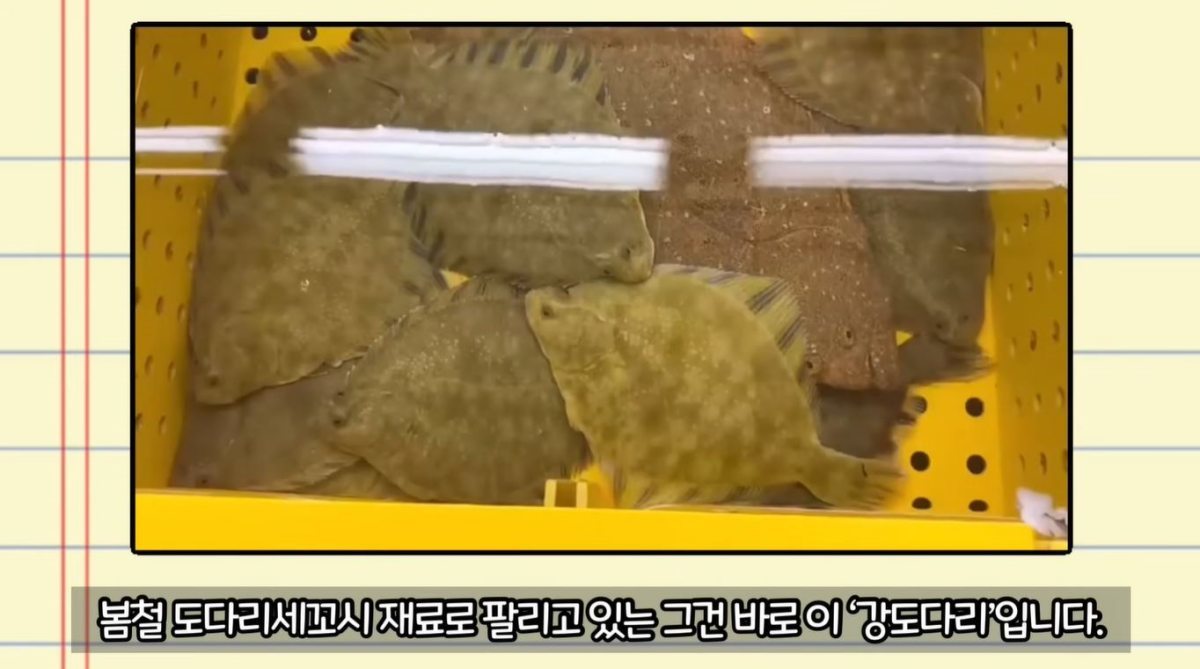
Gangdodari, which has black spots on its fins and bumps along its back, is hardy and easy to farm. Sellers take advantage of the fact that it can legally be marketed under the name dodari, so it circulates widely under that label.
This heavy marketing and demand have led to resource depletion. Authorities set a closed season for munchigajami from December through January, but catches are still allowed in March and April—the heart of spawning season. Officials say this is a compromise to protect fishermen’s incomes, but the practice ends up sweeping up egg-bearing females and juveniles, depleting stocks and driving prices up. Once so common it was even sold as other flounder, munchigajami is now a rare and costly catch, even at source.
In Japan, where sashimi culture runs deep, munchigajami (makogarei) is treated as a premium sashimi fish in season from summer through fall. In summer, when white-fleshed fish become scarcer, munchigajami firms up and its umami intensifies.
Koreans might enjoy saekkoshi and mugwort soup in spring, but experts say the true season to savor the fish’s flesh is from summer into fall. Ultimately, the spring dodari phenomenon owes more to cultural perception and marketing than to the fish’s natural peak flavor. It’s time to favor a healthier food culture that respects ecological cycles instead of unchecked consumption.
The video posted by the YouTube channel 'Fish Teacher Mr. S' surpassed 10,000 views within 3 hours and drew lots of attention. Viewers left comments like Munchigajami is an autumn fish! That's when it gets glossy and fatty. The local raw-fish places that call it spring dodari are serving gangdodari. After watching the video, I think I can tell the different flounder types a little better.
Check your daily fortune report! How will your day go?