Eosuri greens awaken your spring appetite with a delicate fragrance and a subtle, refreshing bitterness.
Spring brings a bounty of wild greens, but eosuri remains one of the quieter stars—less famous, yet undeniably charming. Its distinctive aroma and gentle bitterness make it a repeat favorite, and it has long appeared on both palace and home tables. Interest in its symbolism and history grew after viewers noticed eosuri on the humble meal served to King Danjong in the film The King and the Clown.
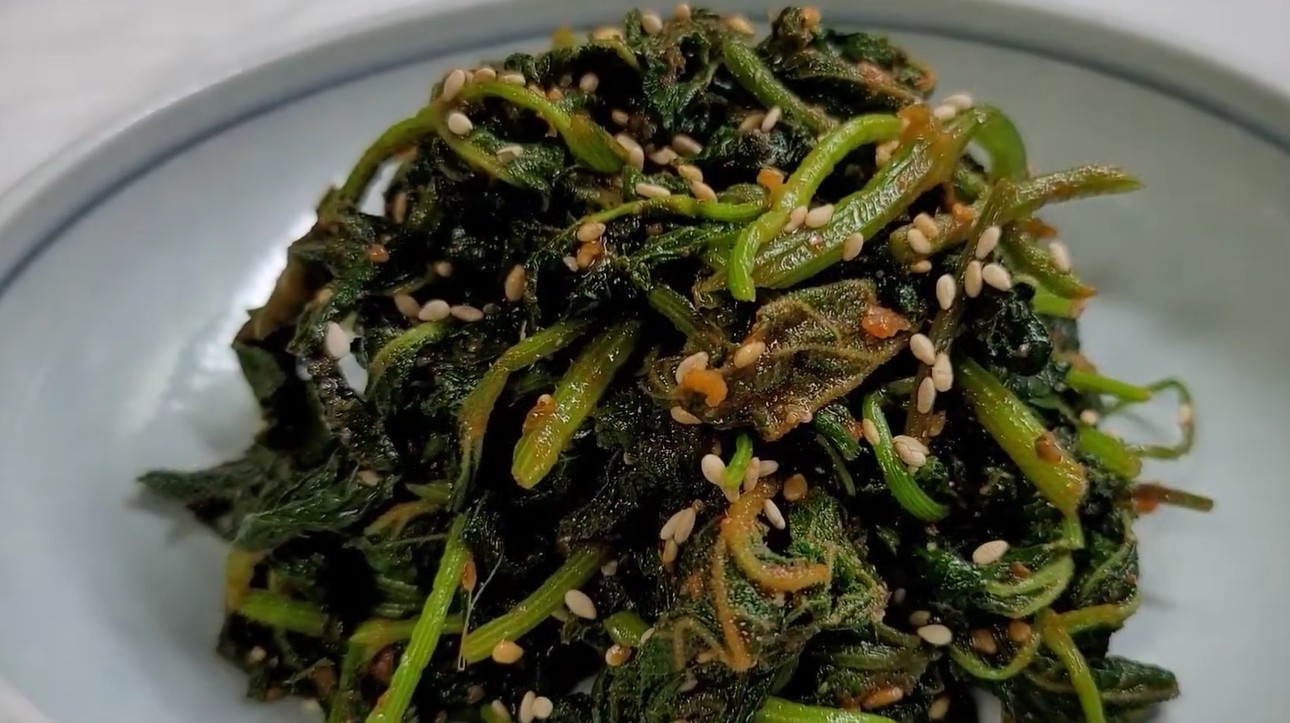
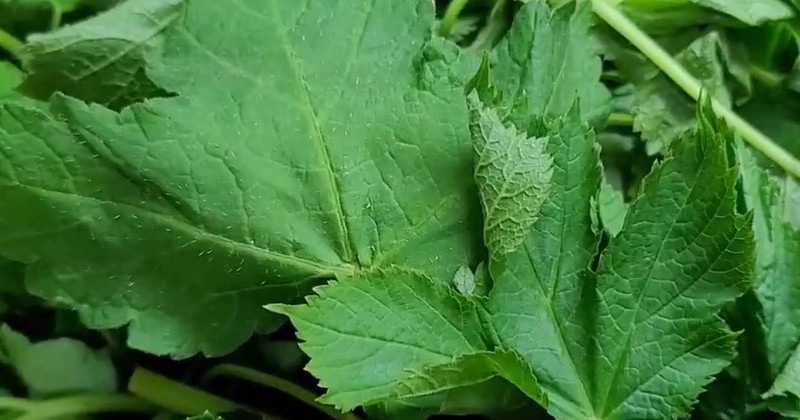
Eosuri is at its best between April and May. Young shoots are tender and have a milder aroma. Visually, it’s similar to minari or chamnamul, but the stems are thicker and the leaves broader. Most notably, its aroma sets it apart—never overwhelming, but enough to whet your appetite.
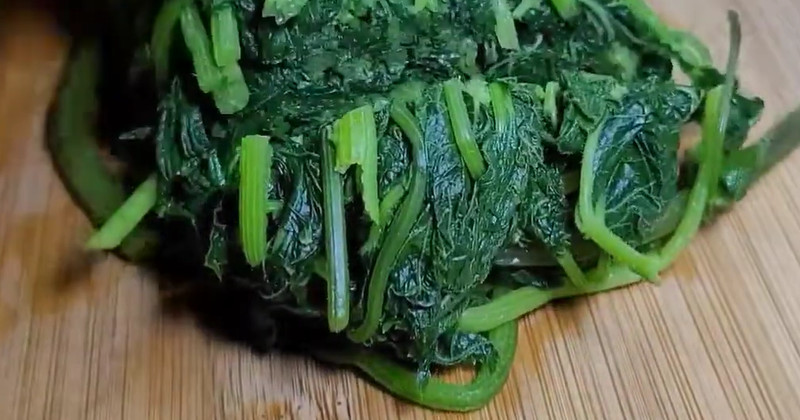
Cooking eosuri is straightforward, but cleaning and blanching are key. Rinse thoroughly under running water to remove any grit, then blanch briefly—about a minute—in boiling water with a pinch of salt. Overblanching dulls the aroma and softens the texture, so keep the time short. After blanching, rinse in cold water to lock in color and squeeze out excess moisture.
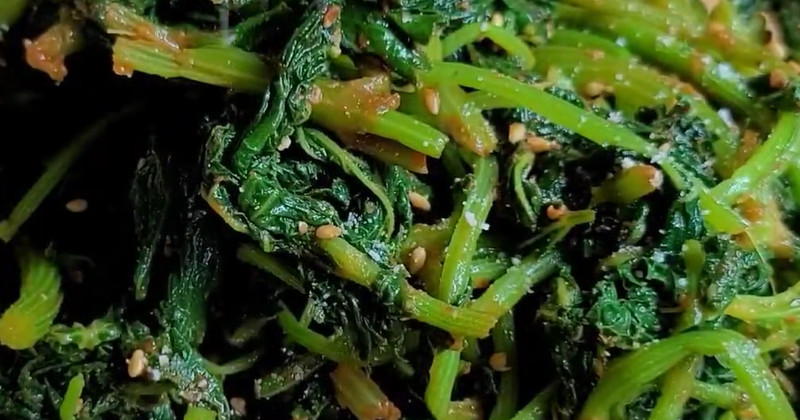
The most common way to enjoy eosuri is as a seasoned side. Gently toss the blanched greens with soy sauce, minced garlic, sesame oil, and toasted sesame seeds. For a richer, earthier note, add a touch of doenjang (fermented soybean paste)—its depth pairs beautifully with the greens’ slight bitterness. If you want heat, mix in some gochujang for a spicy kick.
Beyond flavor, eosuri is prized for its health benefits. It’s rich in dietary fiber, which supports gut health, and it provides a range of vitamins and minerals. Traditionally, people turn to it in spring to help shake off seasonal fatigue and restore appetite—hence its reputation as a “green that lightens the body.”
Interestingly, eosuri also appears in historical records. In the Joseon dynasty, palace kitchens prized seasonal greens. Rather than lavish dishes, modest side dishes that captured the season’s energy were seen as nourishing and healthful. The film reference to King Danjong’s simple meal reflects this tradition: after being pushed from power, the king’s table featured the natural flavors of seasonal greens instead of luxury ingredients, and eosuri served as one of those humble but meaningful foods. In that context, it functions as more than a prop—it signals the era’s mood and values.
Freshness matters when storing eosuri. Raw greens don’t keep long, so blanch them, drain thoroughly, and store in an airtight container in the refrigerator. They taste best within two to three days. For longer storage, blanch and freeze, but note that thawing can slightly change the texture.
With growing interest in healthy eating, traditional ingredients like eosuri are enjoying a comeback. They fit modern tables perfectly—no fuss, just pure, natural flavor. For people used to bold, spicy dishes, eosuri offers a gentle palate reset.
Eosuri isn’t flashy, but its clean, deep flavor brings a sense of calm to the table. A single plate of seasonal greens can prompt reflection on our food culture and how we live. Before spring slips away, take a moment to savor this humble mountain green.
Your daily personal horoscope report! Wonder what the day has in store?