Lately, the seas off Europe and Africa have been overrun by an enormous surge of blue crabs. Local fishermen were caught off guard as catches ballooned beyond their capacity, and governments even began pouring money into tackling the crisis.
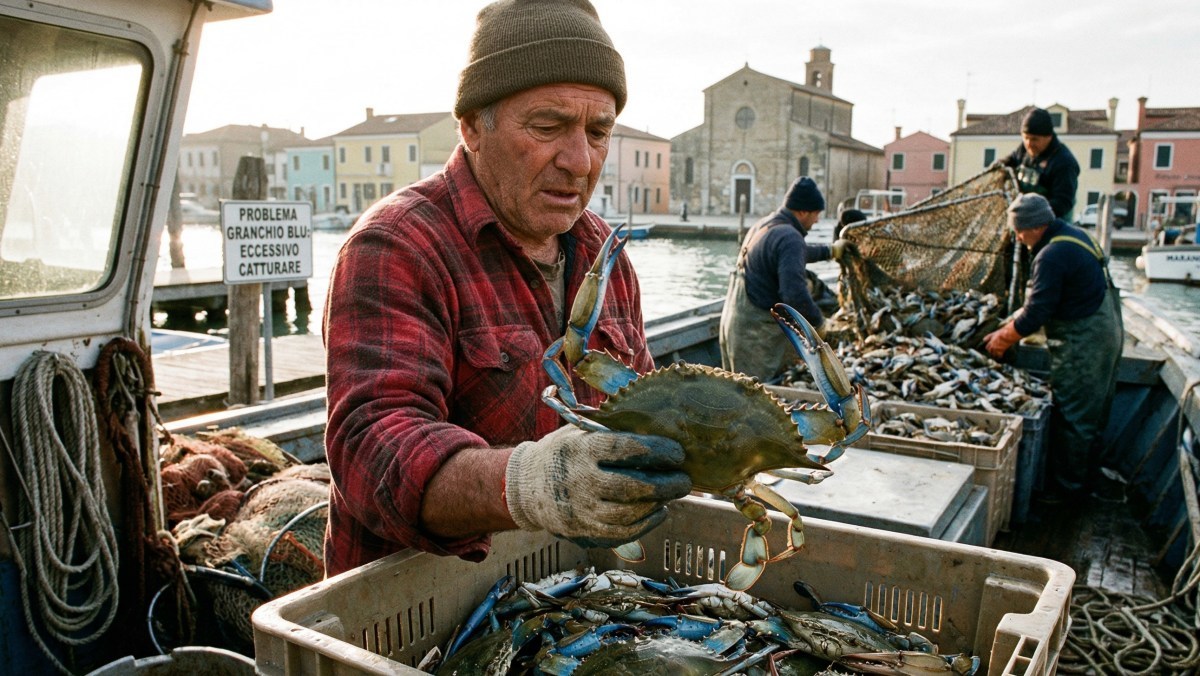
Now, these troublesome crabs are turning up in South Korea by the ton. What other countries toss aside has become a sought-after treat here. We dug into how these blue crabs made the journey and how they end up on Korean plates.
1. The 'blue crab' invasion that devastated an Italian shellfish farm
Like Korea and China, Italy grows and eats a lot of clams. The clams you often see in pasta dishes — Manila clams and the like — are farmed on a large scale, and suddenly arriving blue crabs began wrecking those farms.
These crabs originally come from the eastern U.S. and Canadian coasts. As ocean temperatures have risen with global warming, they moved into the Mediterranean. The warm water there proved ideal for breeding, and with few natural predators their numbers exploded.
The real problem was their appetite: they ate the clams Italian fishermen had painstakingly cultivated. Farms were left empty, so Italy declared a state of emergency and moved to eradicate the crabs. Officials spent tens of billions of KRW (tens of millions of USD) just on disposal. That’s when Korean importers stepped in, offering to buy the crabs instead of letting them be wasted.
2. Italian crabs in Korea — are they really a steal?
Italian blue crabs started arriving in the Korean market in earnest late last year. When word spread, many hoped for bargain-bin crab feasts. In reality, prices didn’t drop as dramatically as people expected.
Shipping and quality explain why. Italian crabs arrive frozen, not live, and long-distance transport from Europe adds cost. Current online prices hover in the low 10,000 KRW range per kilogram (about $7.50 per kg). Domestic frozen crabs usually sell for roughly 14,000–15,000 KRW per kg (about $10.50–$11.25 per kg), so imports are only somewhat cheaper—not half-price.
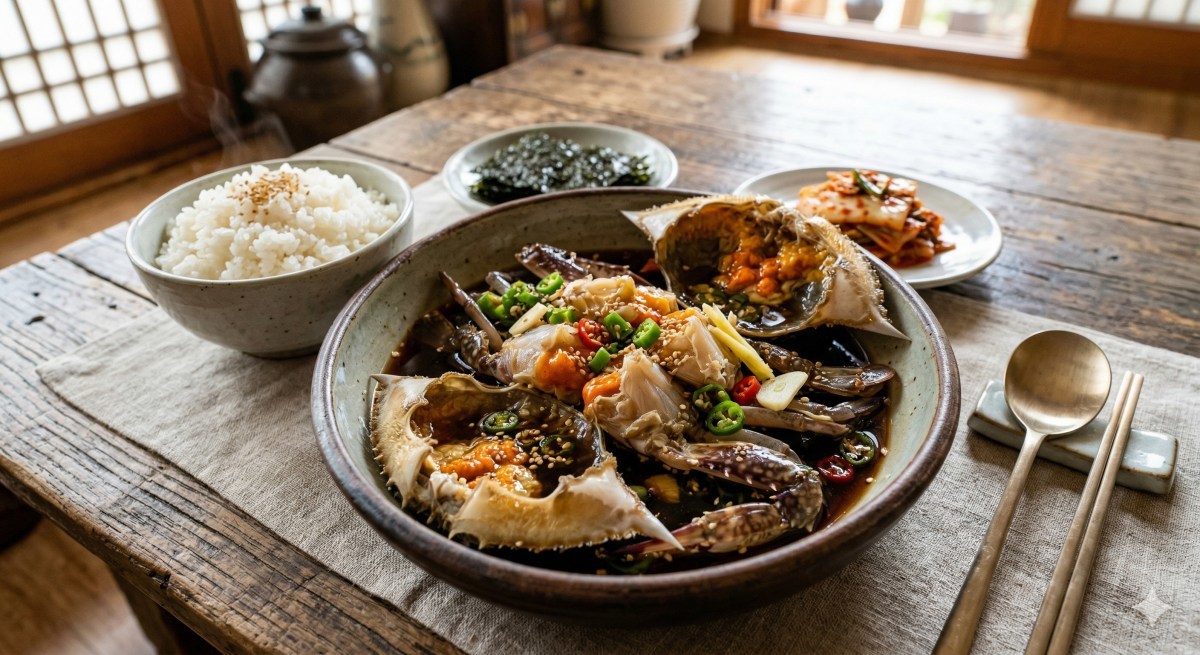
Italian blue crabs also have much harder shells than Korean varieties, which can make cracking them by hand a bit awkward. But their meat is dense and sweet, and many say they’re excellent for soy-marinated crab — the firm shell helps the meat keep its texture even after long marination.
3. Another Mediterranean headache: Tunisia’s 'blue crab'
Italy isn’t the only place struggling with invasive crabs. In North Africa, Tunisia has faced a similar invasion. The species locals call the 'blue crab' or 'Taiwan crab' originally lived in subtropical waters, but it entered the Mediterranean through canals and bred rapidly.
Tunisian fishermen who once depended on squid and sardines started hauling up nets full of blue crabs. At first they were stunned — the crabs even ate prized fish in the nets and tore the nets themselves.
Initially, people buried the captured crabs because they didn’t know what to do with them. Today, however, they’ve found a steady market in Korea. Many marinated crabs served as banchan (side dishes) in restaurants come from Tunisia or Bahrain. They look similar to domestic crabs, taste decent, and have filled a gap on Korean tables for several years.
4. Imported crabs — knowing what you’re buying makes them taste better
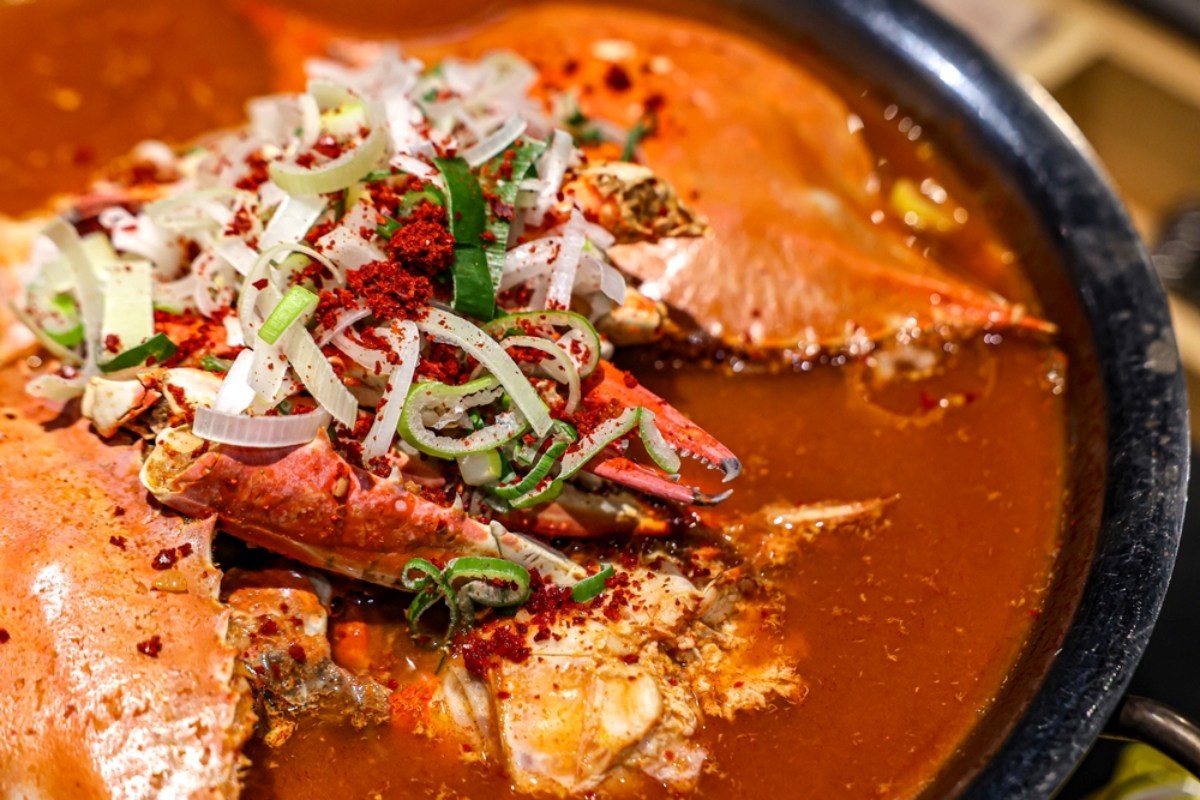
By contrast, blue crabs from Tunisia or Southeast Asia often show vivid blue markings on their legs and have relatively softer shells. These are the ones restaurants often cut up and serve as yangnyeom gejang (spicy marinated crab). Since domestic crabs are expensive, these cheaper imports let you enjoy generous crab dishes without breaking the bank.
5. How climate change is redrawing the seafood map
The reason crabs once discarded abroad are winning over Korean diners traces back to global warming. As ocean temperatures shift, marine habitats change — and where one country loses, another may gain new seafood options.
Italian fishermen once called the crabs 'sea invaders' and resented them, but Korea has turned the situation into new income. Korean consumers, meanwhile, gained more affordable ways to enjoy crab dishes instead of paying for pricey domestic varieties.
This trend will likely continue. Fish we commonly eat, from mackerel to squid, increasingly come from faraway waters. Even if origins change, we can use our cooking know-how to make these traveled blue crabs delicious. Just remember to check the product label for origin and expiration date when buying imported seafood.
Get your daily personal horoscope report! How will your day go?