Drying and grinding mugwort into a powder lets you enjoy its springtime nutrition and scent all year long.
When spring arrives, mugwort is one of the first ingredients that comes to mind. Its fragrant flavor brightens many dishes, but its short harvest window means it disappears from tables quickly.
That’s why 'mugwort powder' has been getting attention as a way to preserve mugwort. Once you make it, you can use it year‑round—super convenient and practical.
Mugwort powder is simply dried mugwort ground finely. It stores much more easily than fresh mugwort, and you can scoop out small amounts when needed, so it’s very versatile. Because it concentrates the herb’s aroma and nutrients, a little goes a long way.
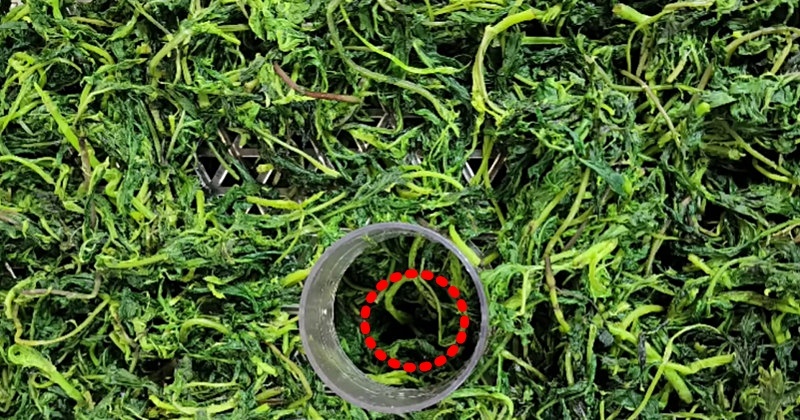
To make mugwort powder, start by picking good mugwort—young leaves that are tender and bright green work best. Skip any with tough stems or yellowed leaves; they lack flavor and a pleasant texture. Harvested mugwort often carries dirt and debris, so rinse it thoroughly under running water several times.
After cleaning, briefly blanch the mugwort in boiling water. This tames bitterness and helps preserve that vivid green. Blanch for about 30 seconds to one minute, then plunge the leaves into cold water to stop the cooking. Squeeze out excess moisture before moving on to drying.
Drying is the critical step for quality. Sun‑drying in a bright spot is ideal, but if dust or weather are concerns, use a food dehydrator or a low‑temperature oven. The goal is to remove all moisture until the leaves are completely crisp—any lingering moisture can cause mold and ruin long‑term storage.
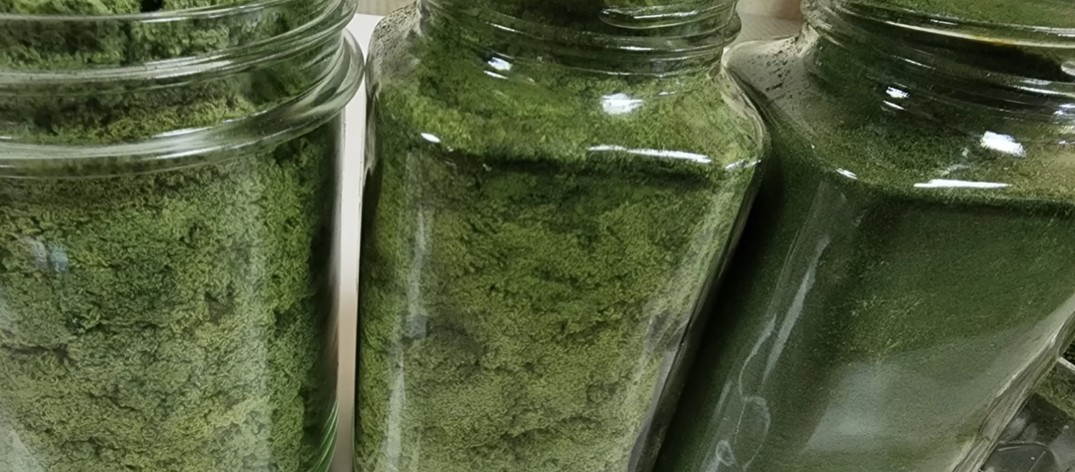
Once fully dry, grind the mugwort in a blender or spice grinder until fine. Work in small batches for an even texture. If you want an ultra‑smooth powder, sift it through a fine mesh.
Mugwort powder packs real benefits. It’s rich in antioxidants and vitamins that support immunity, and it provides fiber that’s good for gut health. The herb’s signature aroma can whet your appetite and even help ease fatigue. Some nutrients may diminish during drying, but the powder still concentrates many of mugwort’s valuable compounds.
Storage matters. Mugwort powder is very sensitive to moisture, so keep it in an airtight container to limit air exposure. Store in small portions if possible. Refrigerating or freezing slows rancidity and helps preserve color and aroma. Avoid direct sunlight and keep it in a cool place.
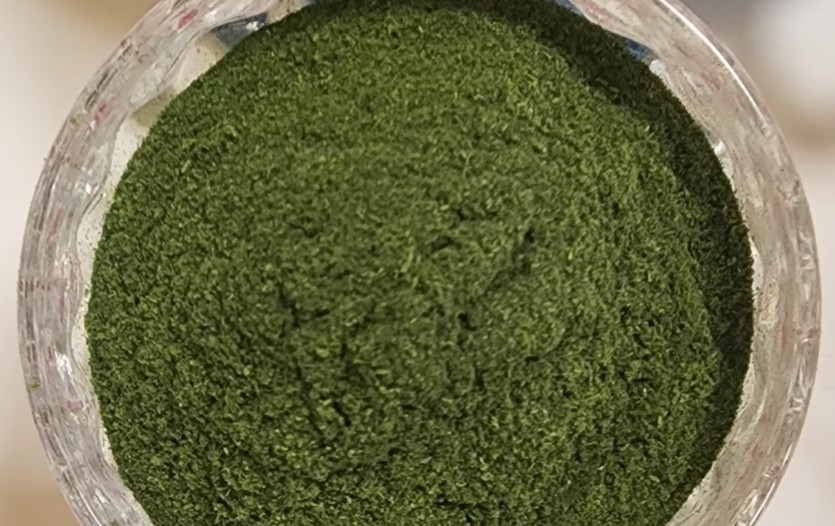
Its uses are surprisingly versatile. Stir it into rice cakes, savory pancakes, or batter to boost mugwort flavor. Add a pinch to rice while it cooks for subtly scented mugwort rice. A spoonful in smoothies or yogurt makes a nourishing boost. Bakers also use it in cakes and cookies—mugwort‑flavored treats are on trend.
You can also stir a little into soups or stews for a creative twist—used sparingly, it adds gentle depth to broths. Because mugwort powder has a strong aroma, start small and adjust to taste.
Check your daily fortune report—how will your day go?