In just five minutes, an everyday dinner table can feel like a scene from a chic restaurant. No fancy gadgets, no culinary wizardry—just your microwave. A recipe from the YouTube channel 'Rico' reveals how a single appliance can create a cloudlike, melt-in-your-mouth texture that foodies are obsessing over. It’s less about shortcuts and more about smart technique that elevates texture as much as flavor.
The secret ingredient that shapes both flavor and texture
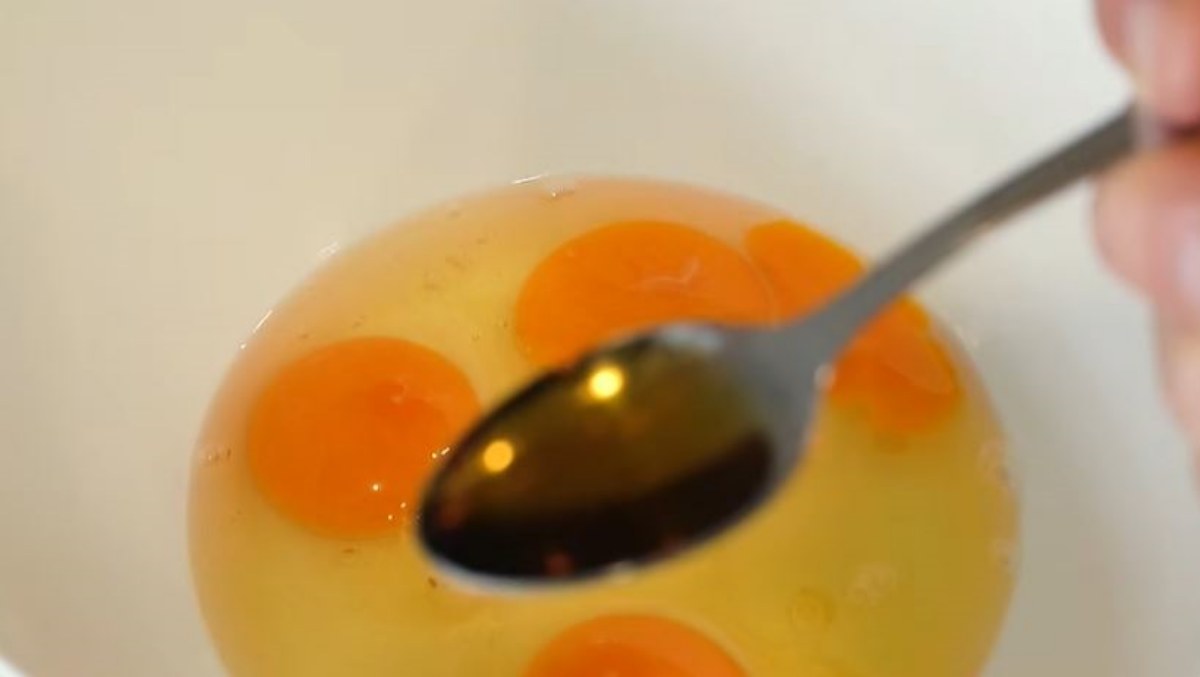
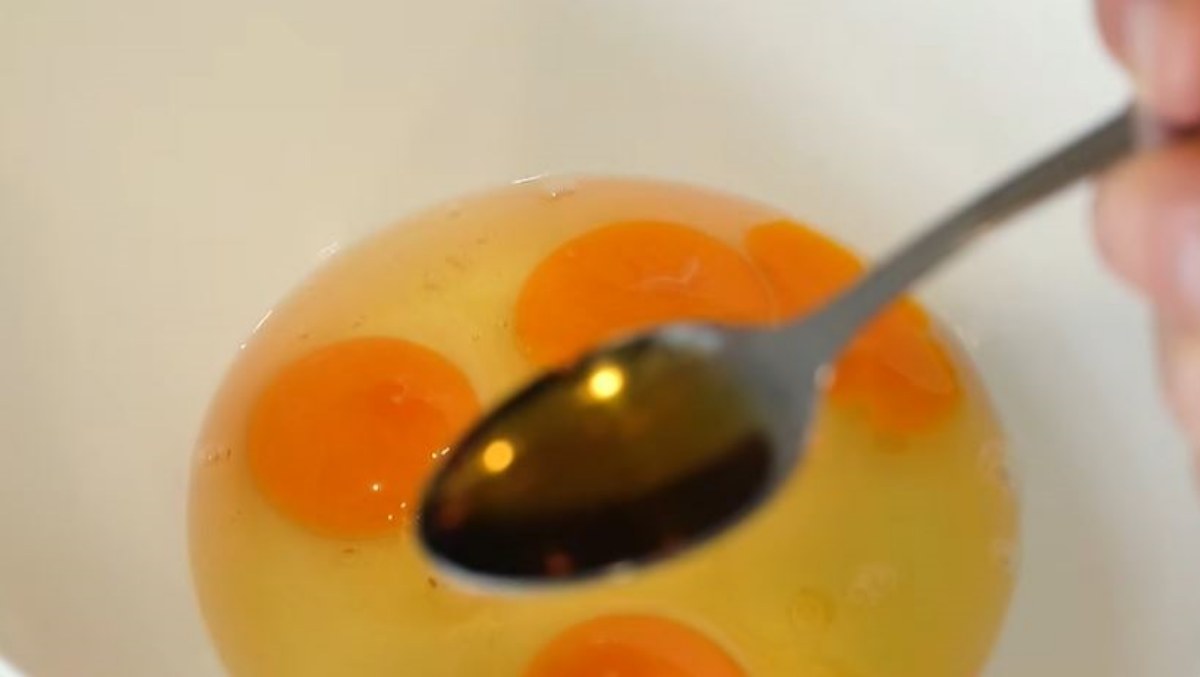
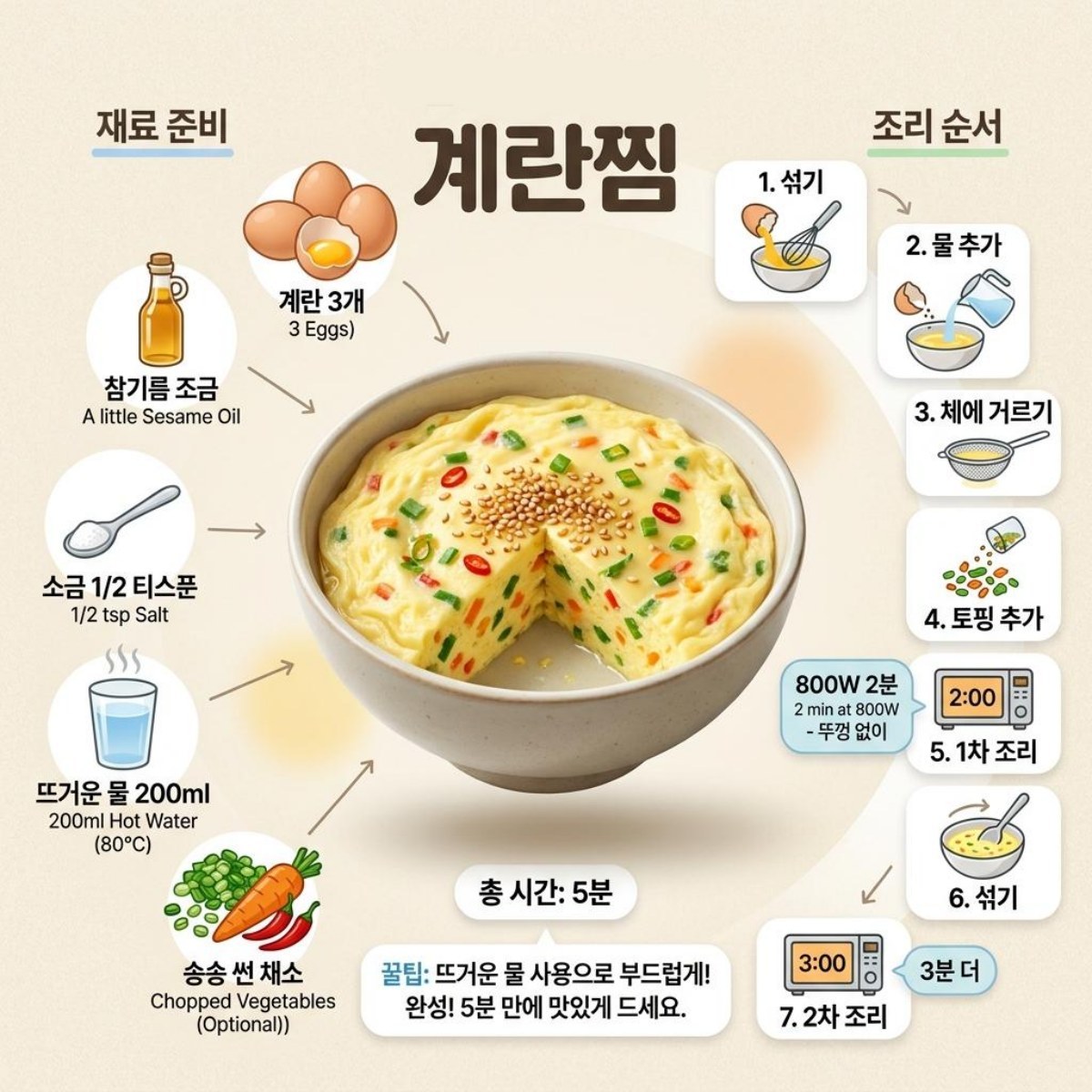
Start by cracking three fresh eggs into a bowl. The first key tip is to add just a touch of sesame oil. It’s not only about the nutty aroma—sesame oil slips between egg proteins and helps stop the custard from drying out once it’s cooked. That tiny addition acts like a protective layer, keeping the steamed egg silky and boosting depth of flavor.
Season to taste with about half a teaspoon of salt or seasoned salt, then beat the yolks and whites together until fully combined and smooth.
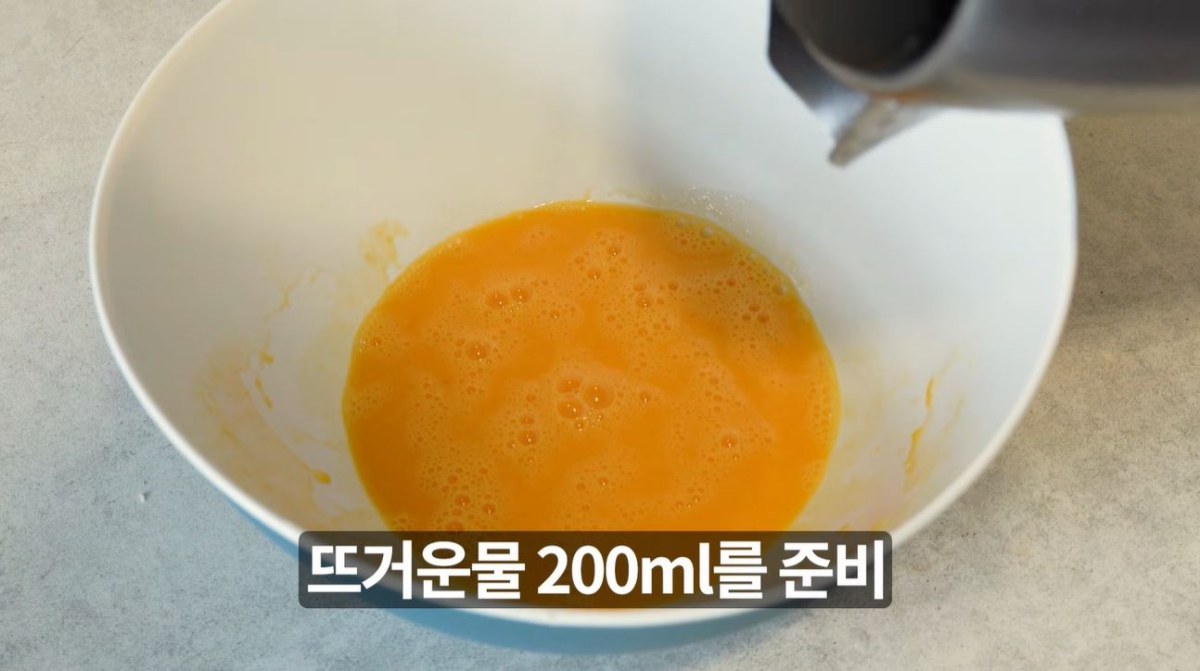
What makes this recipe stand out is the water temperature. Instead of cold water, add about 200 ml (roughly 7 fl oz) of hot water at around 80°C (about 176°F). The hot water slashes cooking time and reduces the length of heat exposure, so the proteins don’t tighten up and become dry. The result is a pillowy, moist custard. Hot water also dissolves the salt fully, making the seasoning even from top to bottom.
Small steps, big payoff
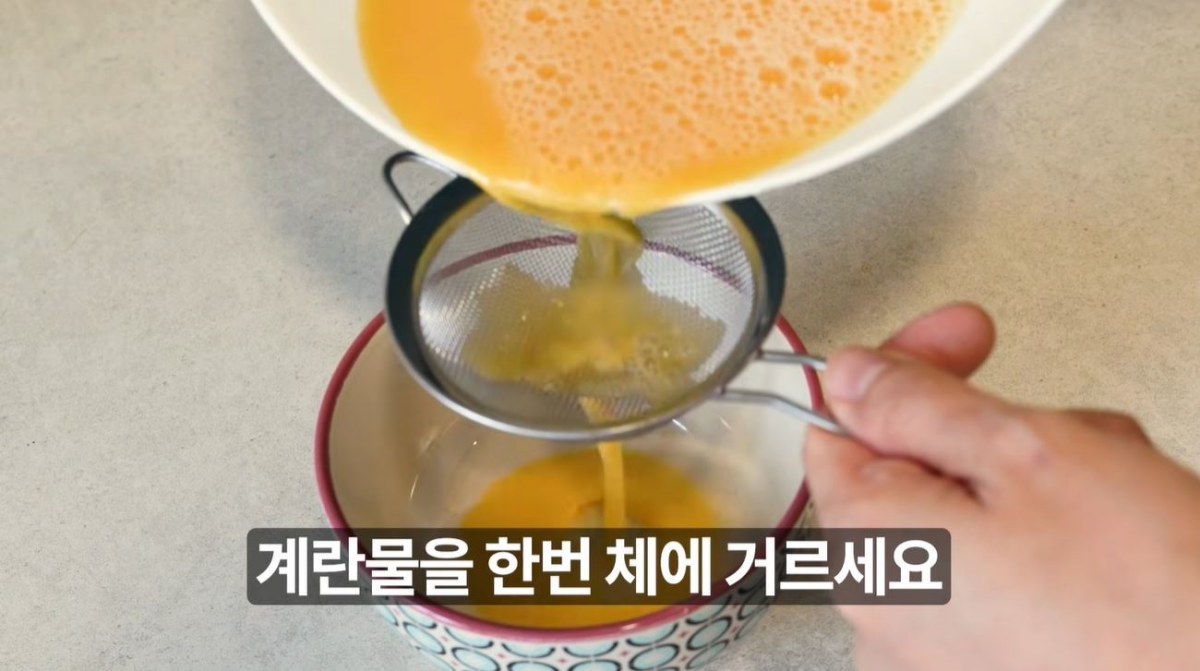
For the smoothest texture, take one more careful step: strain the egg mixture through a fine sieve before transferring it to a microwave-safe dish. Straining evens out the mixture and removes bubbles, so the finished steamed egg has a sleek, springy surface. Top it off with finely chopped scallions, carrots, or peppers for pops of color and a little crunch.
This method also challenges conventional wisdom. Don’t cover the dish with plastic wrap or a lid—place it uncovered in an 800-watt microwave and cook for 2 minutes to start. Cooking without a cover lets heat reach the surface directly, so it sets evenly and cleanly while allowing just enough moisture to escape for a pleasantly resilient bite.
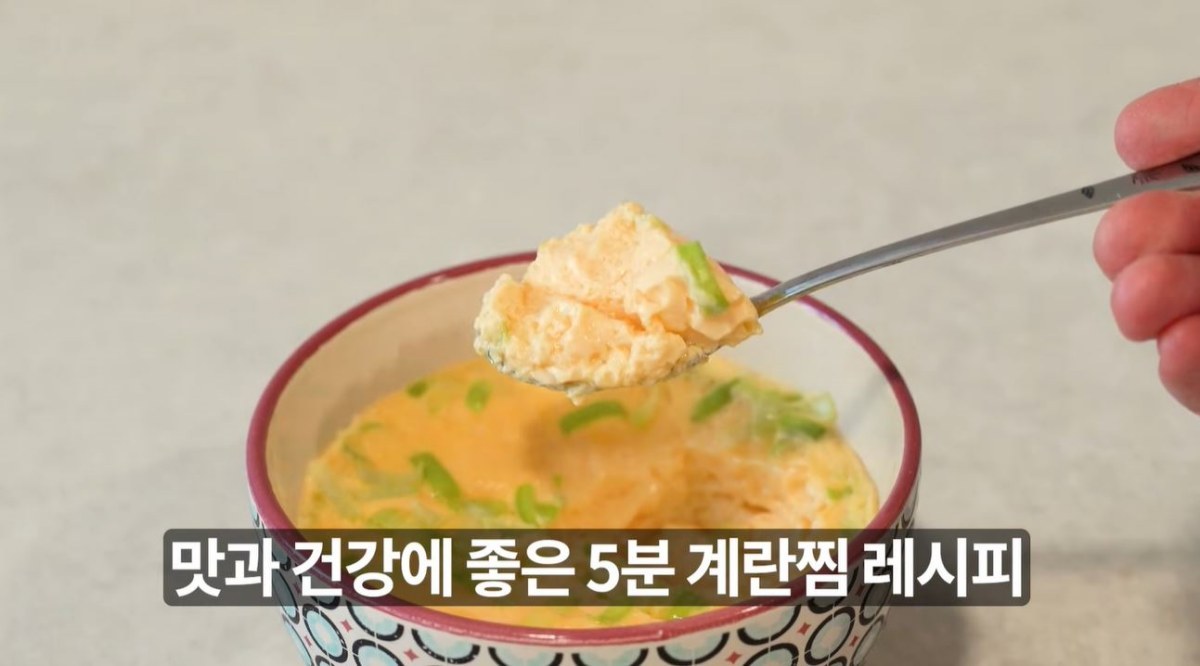
After the initial 2 minutes, pull the bowl out and gently spoon water over the surface to check and even the moisture. This mid-check helps distribute heat more uniformly.
Pop it back in for another 3 minutes, and you’ll have a fluffy, deeply savory steamed egg in a total of five minutes. It’s a quick, healthy recipe that fits hectic schedules and delivers a reliably restaurant-quality side.
The essence and charm of Korean steamed egg
Korean steamed egg isn’t just a side dish—it can complete a meal. Made by combining eggs with water or broth and steaming, it’s one of the most familiar and comforting staples on Korean tables. Its clean flavor and melt-in-your-mouth texture make it beloved by people of all ages.
Great steamed egg depends on balancing the moisture the egg proteins hold as they set. Cooks often season with salt or salted fermented shrimp, the latter acting as a natural umami booster that deepens the flavor. Broths made from anchovies or kelp neutralize any fishiness and layer in savory complexity.
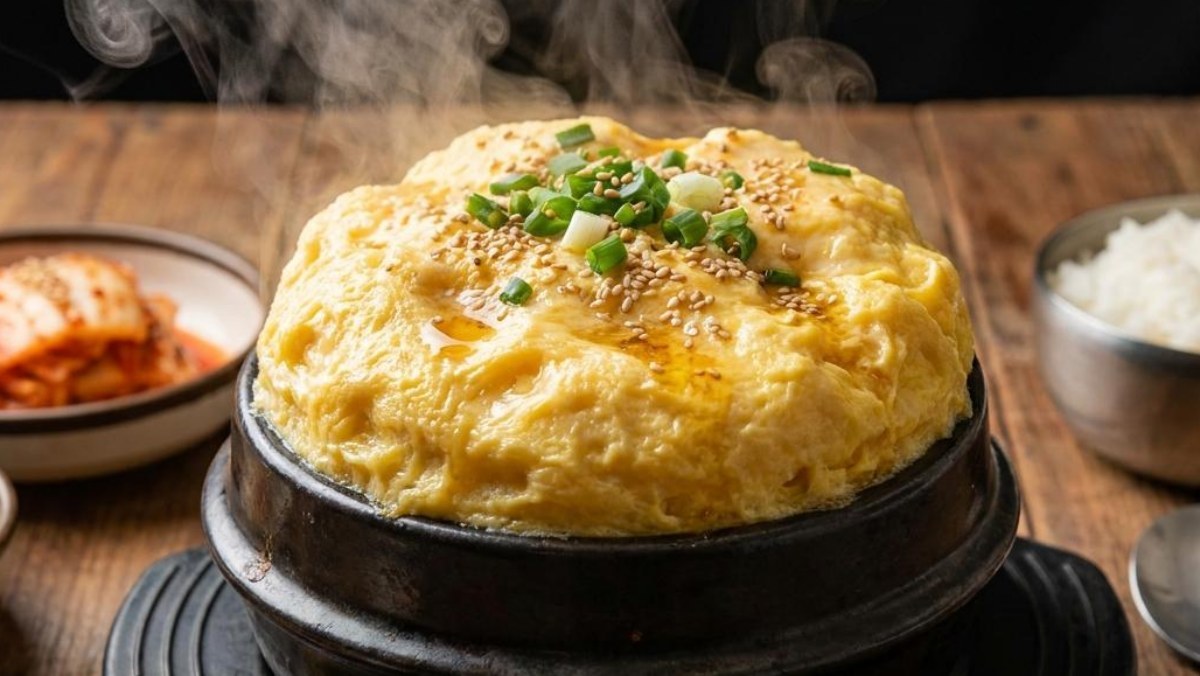
Texturally, it’s all about cloudlike fluff. A well-balanced egg mixture puffs up into a soft, springy form while staying moist. In Korean cuisine, steamed egg shines paired with spicy dishes. When bold flavors from tteokbokki, spicy chicken feet, or stir-fried octopus overwhelm the palate, the steamed egg’s mild creaminess calms and balances the heat for a perfect match.
Preparation styles vary. Some cooks use higher heat to create a domed, dramatic “bomb” steamed egg with a dense bite. Others strain the mixture and cook gently to achieve a pudding-smooth surface for a more refined presentation. Simple in concept, steamed egg hides precision in temperature, timing, and ratios—an elegant distillation of Korean culinary know-how.
Why the microwave method makes sense
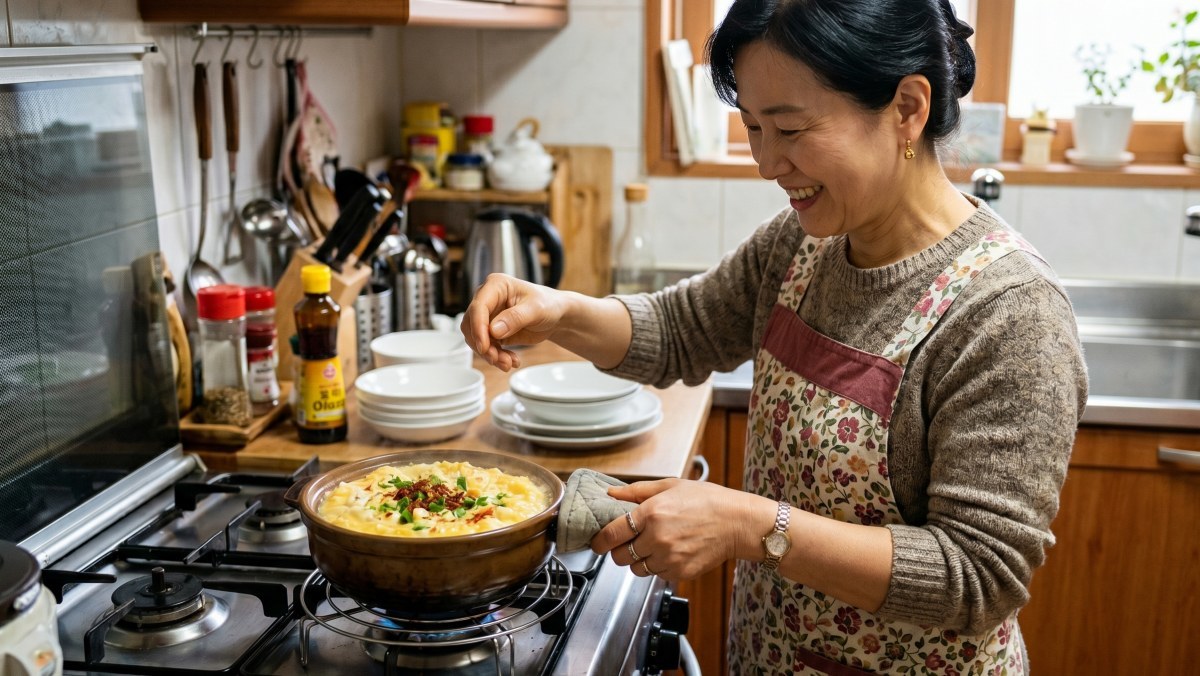
Microwaves also simplify temperature control. Direct heat can scorch cookware or overcook eggs if you misjudge the flame. Microwaves energize water molecules directly, producing heat from the inside out and giving more even warmth across the dish. They’re less likely to cause sticking or burning, which makes cleanup easier—no small advantage.
There’s also a safety and convenience win: you don’t have to babysit a pot over a gas flame or stand there to prevent spills. Set the time and the device does the work while you handle other tasks. One heatproof container is all you need—no steamer or fancy tools—so your kitchen stays uncluttered. Those benefits mean microwave steamed egg has moved beyond mere fast food to become a practical, elegant approach to cooking.