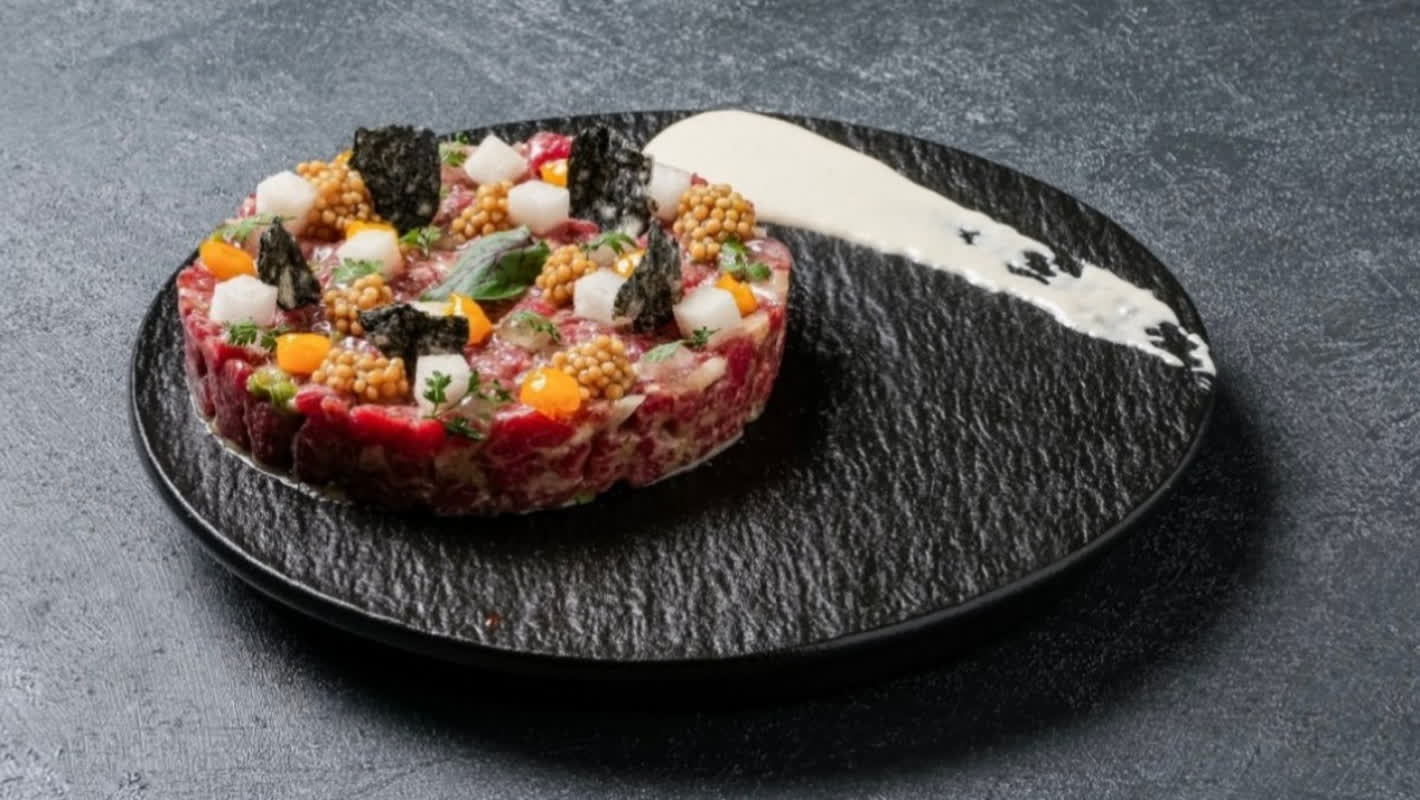
No oven or air fryer needed. Mix eggs, flour, and matcha powder, pop the batter in the microwave for just 1 minute, and you’ll have a pillowy matcha cup castella. Even with the resting time, the whole recipe comes together in about 30 minutes. Prepare to hear everyone say, “Wait, that actually works?”
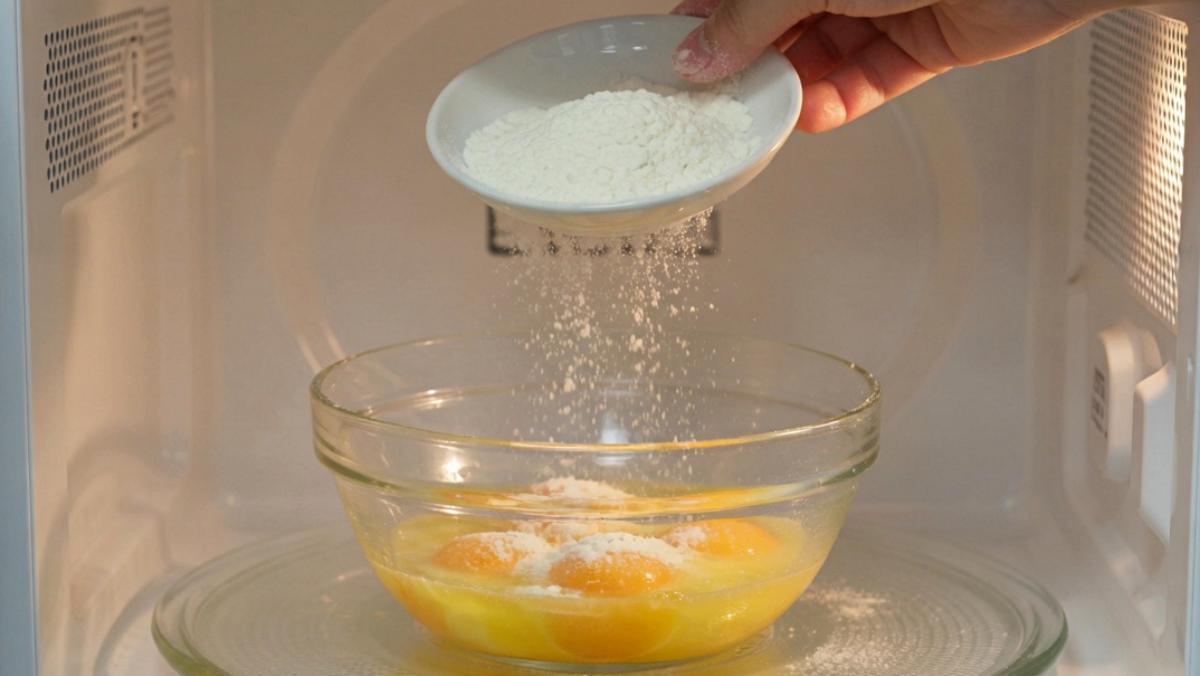
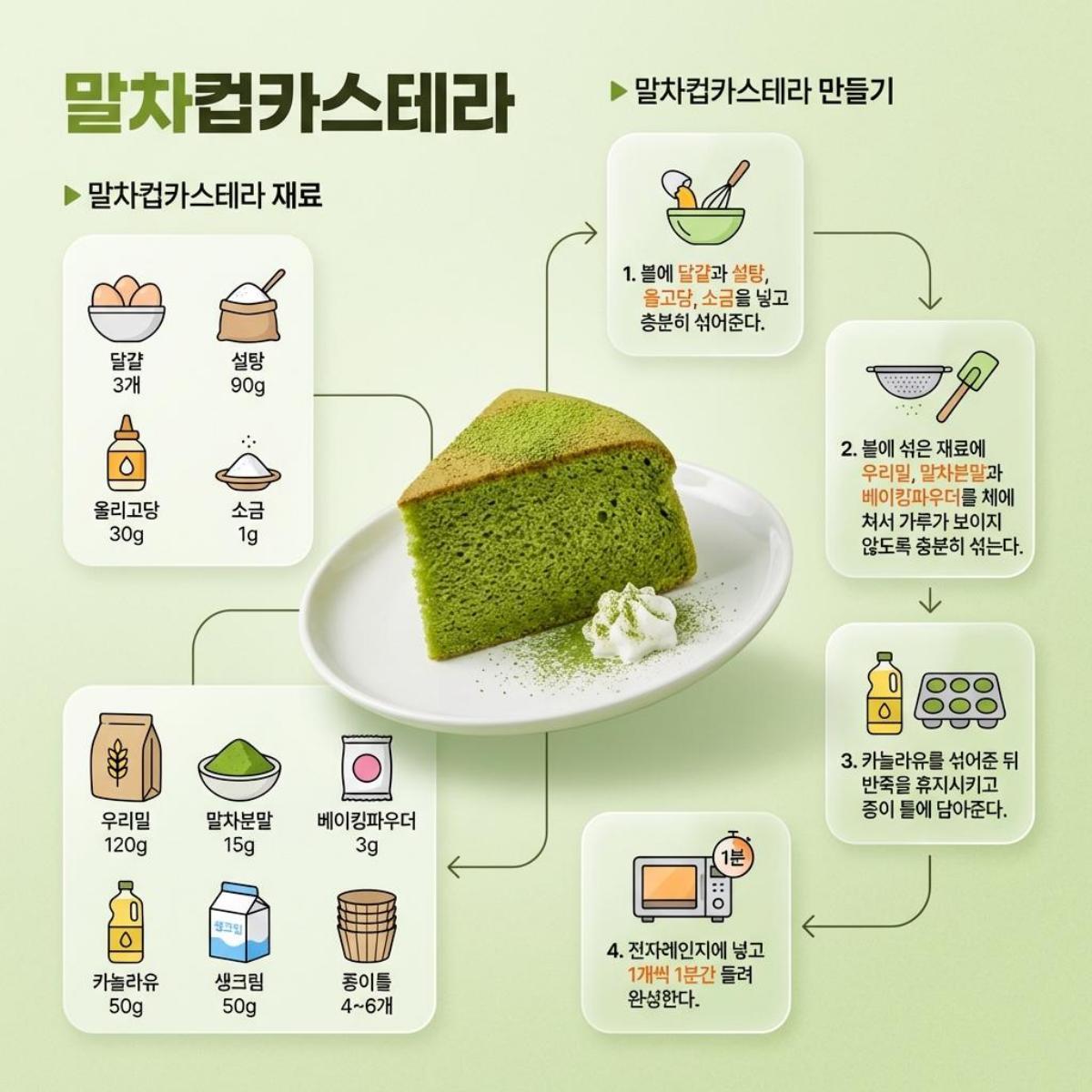
Pastry master Lee Seok-won says the basic ingredients are: eggs 200g (about 4 large), sugar 100g, oligosaccharide 100g (a syrup used to retain moisture), salt 1g, Korean pastry flour (low-gluten wheat flour), matcha powder, baking powder, canola oil, and heavy cream. Use store-bought baking cups for molds; if you don’t have them, ordinary paper cups work fine. This batch yields about eight cups with baking cups or more than 10 with paper cups.
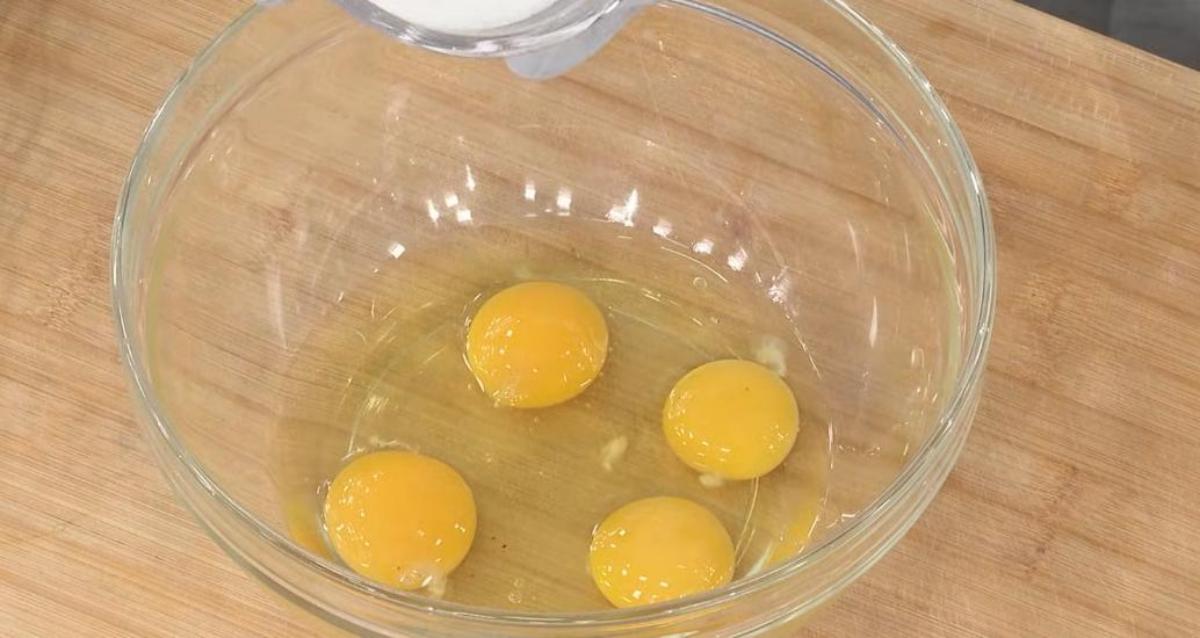
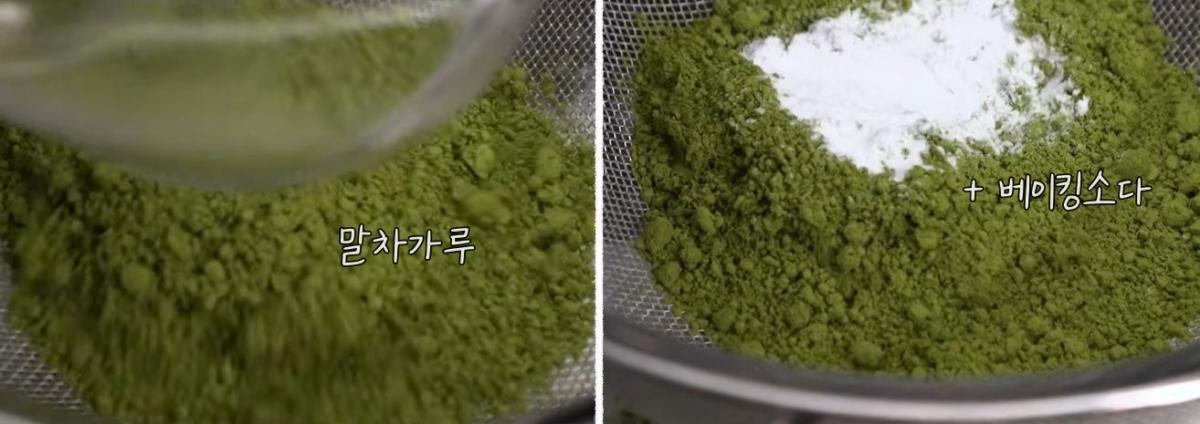
In a bowl, mix the eggs, sugar, oligosaccharide, and salt just until the sugar dissolves—you don’t need to whip it into foam. Sift the Korean pastry flour, matcha powder, and baking powder into the bowl, then mix until no dry flour remains. Because flour clumps when it meets moisture, sifting creates a finer texture and helps the batter blend evenly.
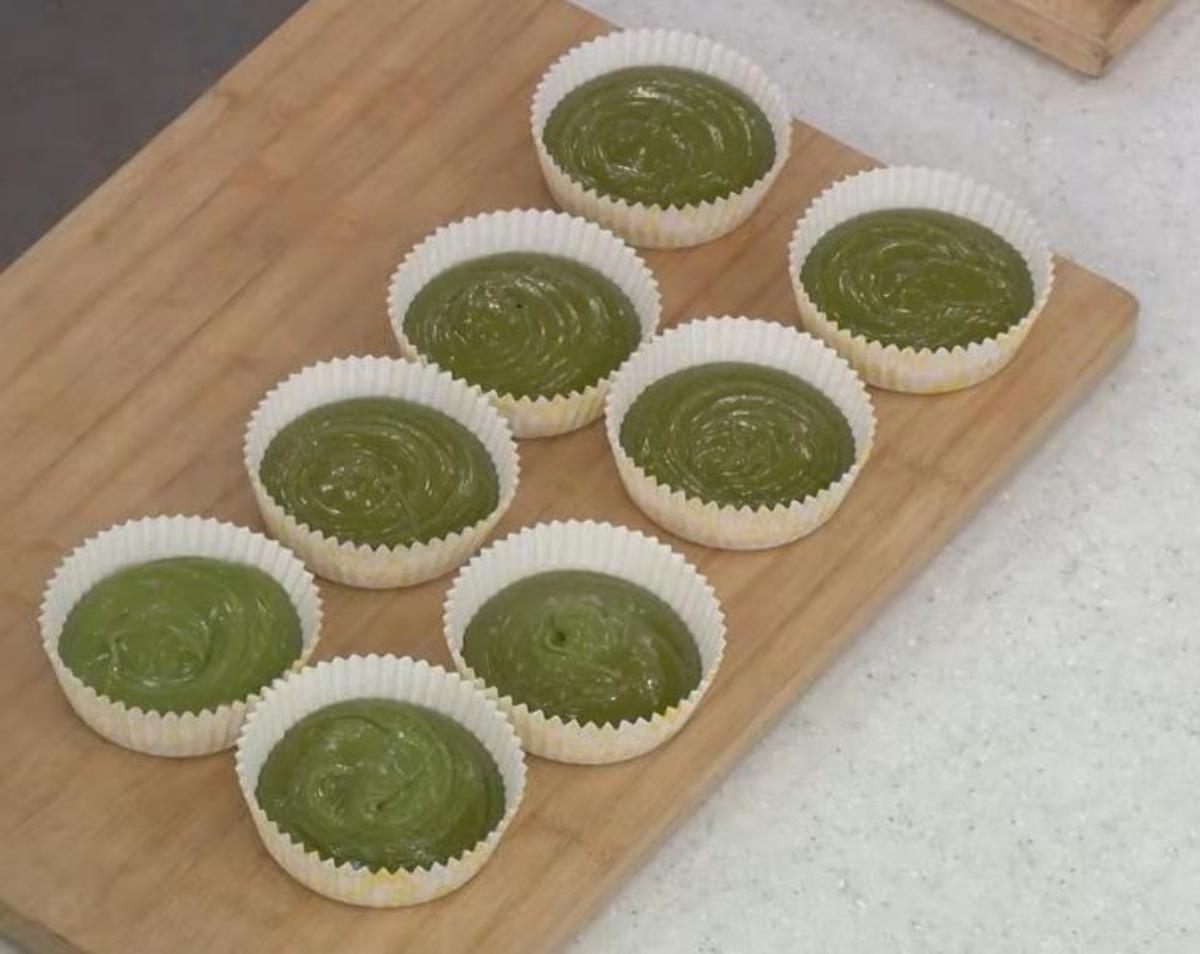
Stir in the canola oil, then let the batter rest for 20 minutes. This resting step stabilizes the batter and produces a more even crumb in the castella. Olive oil can be used as a substitute. After resting, fill each cup about halfway—don’t overfill, since the batter will rise in the microwave. If you don’t have a piping bag, a spoon works fine.
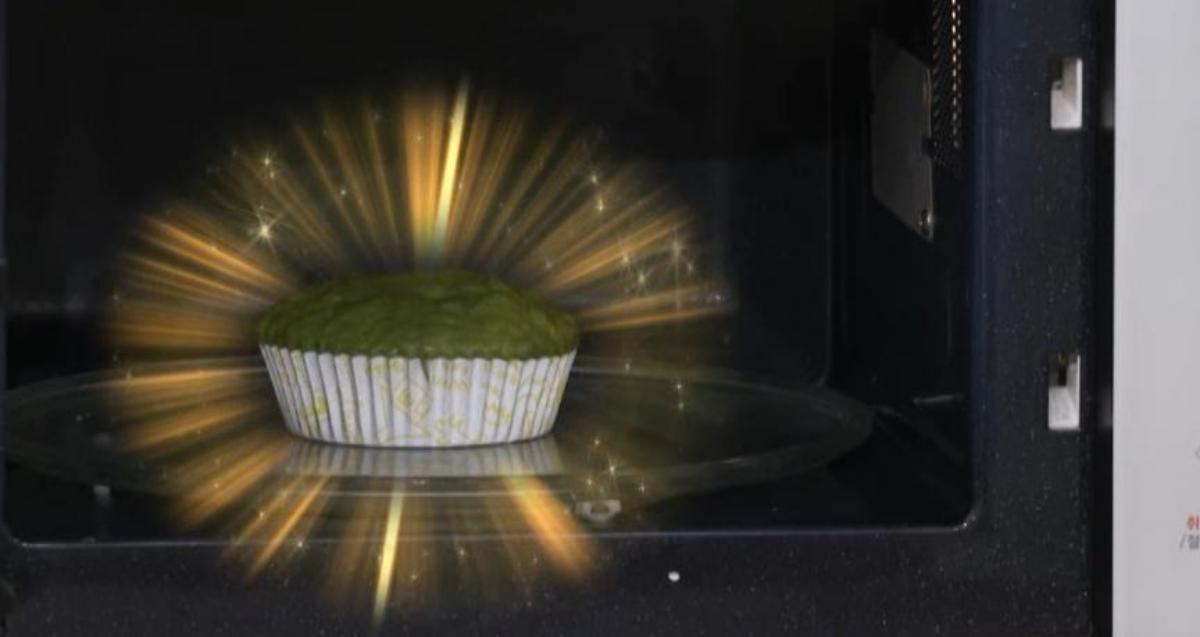
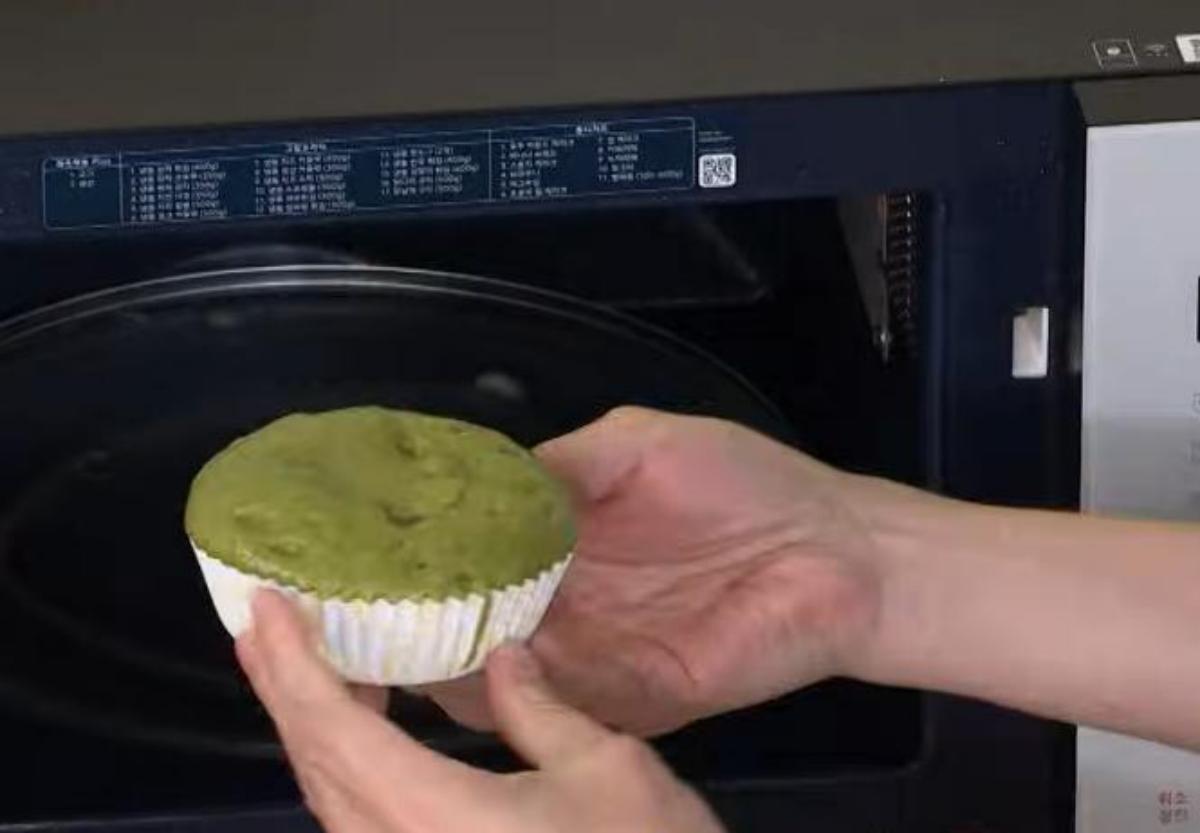
Microwave one cup at a time for 1 minute and you’re done. If you cook several at once, the heat spreads unevenly—some will be undercooked or come out misshapen. Even if you’re making eight cups, microwaving them one-by-one at 1 minute each only takes 8 minutes total.
People often ask why the recipe uses both sugar and oligosaccharide. Unlike an oven, a microwave heats from the inside out, which can cause moisture to evaporate quickly and make the castella dry. Oligosaccharide helps retain that moisture and keeps the cake soft. If you don’t have oligosaccharide, you can substitute starch syrup (mulyeot) or light corn syrup from your pantry.
Matcha is made by grinding whole tea leaves into a powder, so you ingest the entire leaf rather than steeping it like regular green tea. That means you get more of the nutrients—matcha is rich in antioxidants and vitamins and is thought to support cardiovascular health. While Japanese matcha used to dominate the market, you can now find domestically grown Korean matcha from places like Boseong and Jeju Island.
Finish the cup castella with whipped cream and sweet red bean paste for a more upscale dessert. The basic recipe is delicious on its own, but adding toppings can lift it to cafe-quality territory—something people who’ve tried it all agree on.
Matcha isn’t steeped like ordinary green tea; you consume the powdered leaf itself. Three main reasons explain the recent matcha craze.
First, it’s rich in antioxidants and vitamins, so it satisfies demand for “healthy pleasure”—indulgences that also feel good for you. Second, its vivid green color is visually striking and performs exceptionally well on social media. Third, matcha’s slight bitterness balances dessert sweetness, appealing to people who prefer a more grown-up flavor.