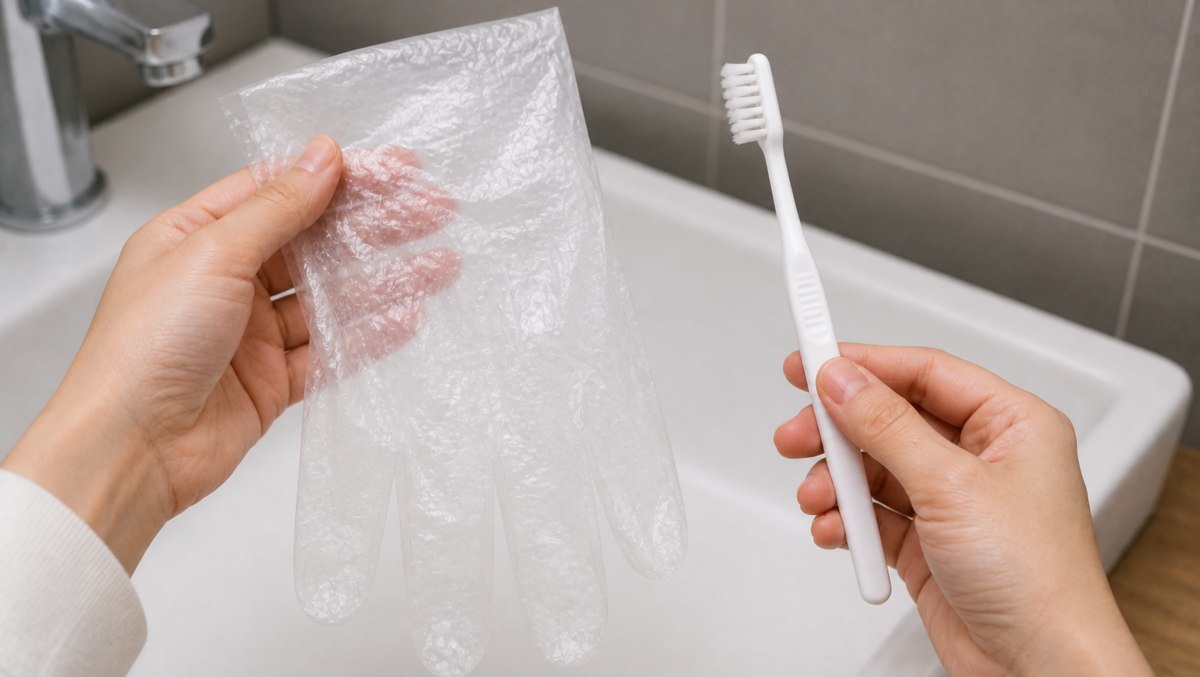
When the toothbrush that tended our teeth each morning and night finally wears out, most of us simply toss it in the trash.
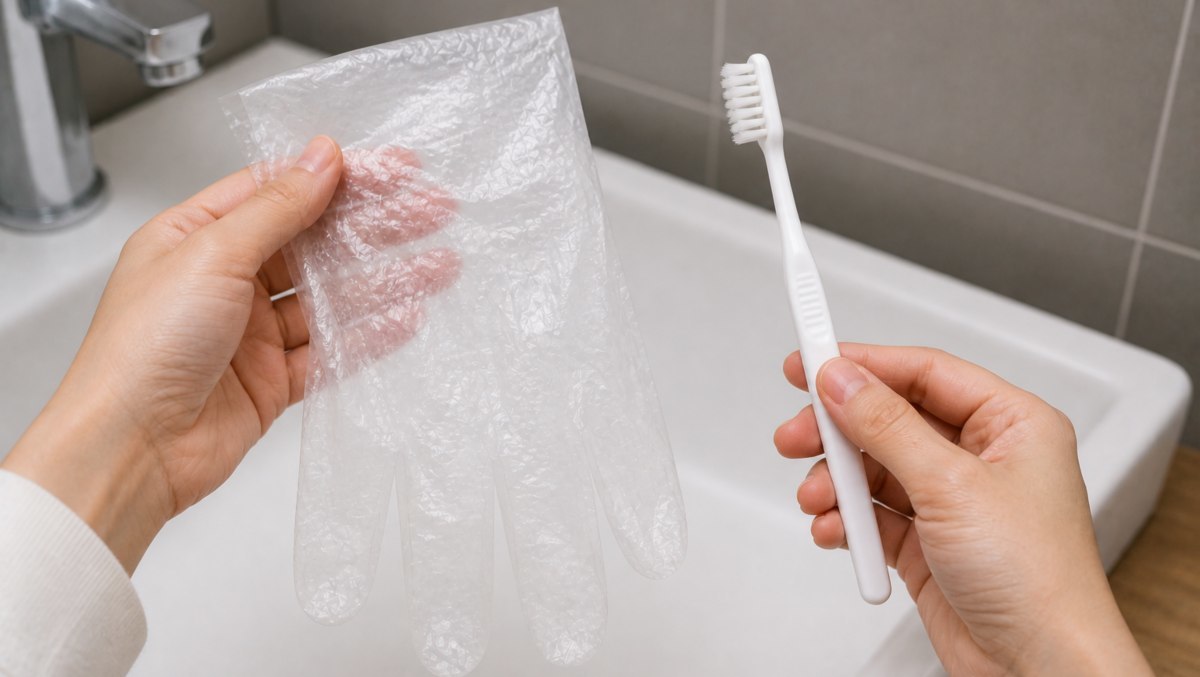
The same delicate brush that once scrubbed every corner of your mouth can do remarkable work on kitchen and bathroom fixtures and even refresh small appliances in the living room.
Repurposing discarded items into useful household tools not only stretches the household budget, it’s a simple, eco-conscious lifestyle choice. You don’t need complicated techniques — just wash an old toothbrush that’s been hiding in a drawer and put it to work.
If you’re thinking, “Will that really clean it?” set that doubt aside. Try it once, and you may wonder why you didn’t do it sooner. Start with an old toothbrush today.
How to disinfect a toothbrush
Before reusing a toothbrush, follow one essential step: thorough cleaning and disinfection.
Here are several ways to remove germs from a toothbrush. Using a pair of vinyl gloves you already have at home makes the process easy.
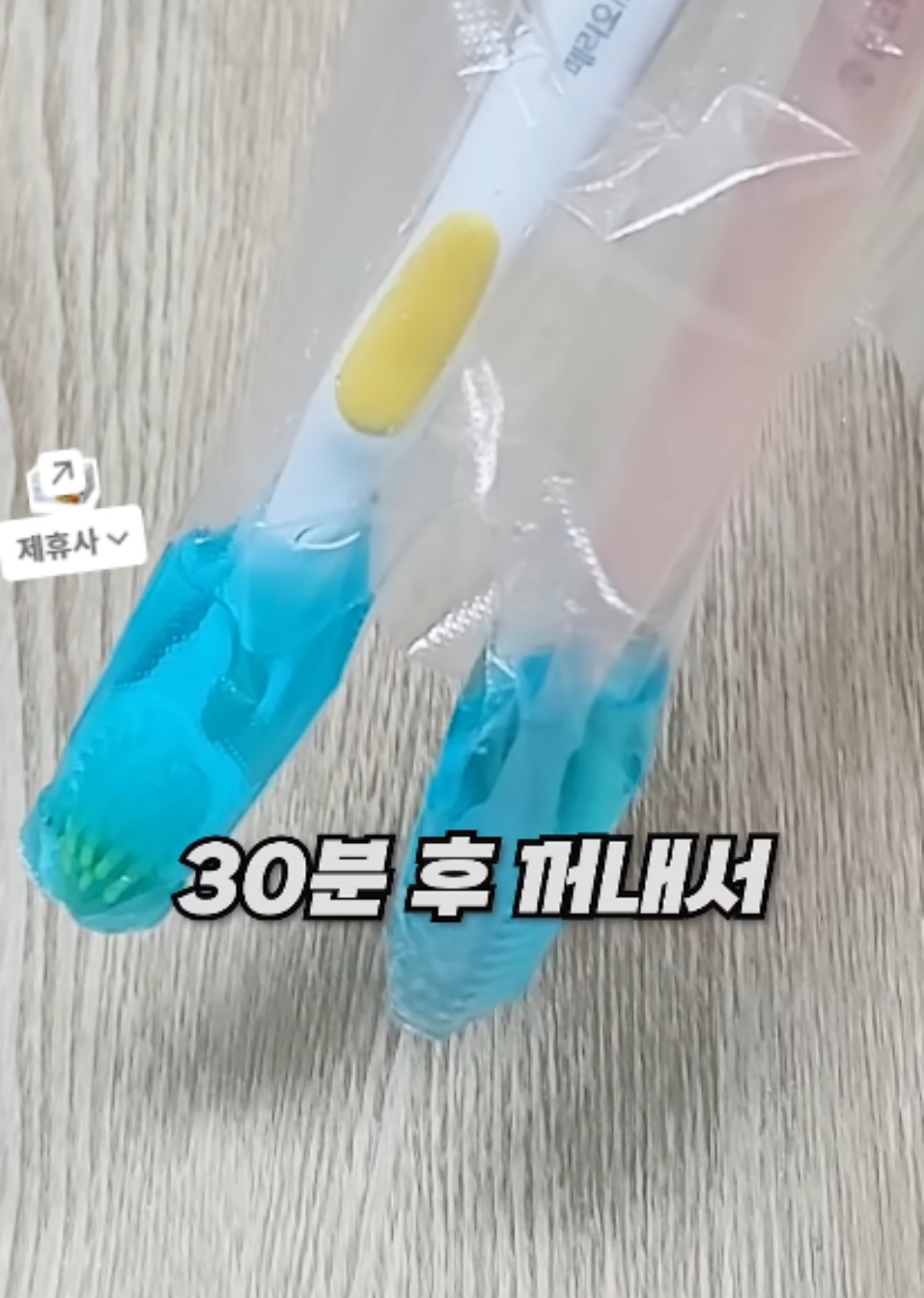
You can also use baking soda. Known for its cleaning power, baking soda works well for kitchen surfaces and toothbrush disinfection alike.
Mix 1 teaspoon of baking soda into a cup of warm water until it dissolves, then soak the toothbrush for 10–20 minutes. That both removes bacteria and lifts debris trapped in the bristles.
Vinegar is another option. Its acidity is effective against harmful bacteria such as E. coli and Staphylococcus aureus.
Either dilute vinegar with water at a 10:1 ratio or soak the brush briefly in undiluted vinegar. A short soak of around 5 minutes is usually sufficient. Because vinegar can leave an odor, rinse thoroughly with water after sanitizing.
You can also use a microwave — but only if the toothbrush is completely dry. Run the microwave for a short interval, 30 seconds to 1 minute. Don’t overdo it: excessive heat can deform the plastic handle or the bristles.
Use the microwave method once or twice a week. Proper toothbrush care depends on full drying: bacteria thrive in damp environments. More important than disinfection is drying the brush after use in a well-ventilated, sunny spot.
Avoid storing multiple brushes together in one cup where the bristles touch — that can cause cross-contamination. Use a divided holder or individual caps instead.
Even with good disinfection, worn bristles lose cleaning power. Replace your toothbrush every 2–3 months.
How to reuse a toothbrush around the house
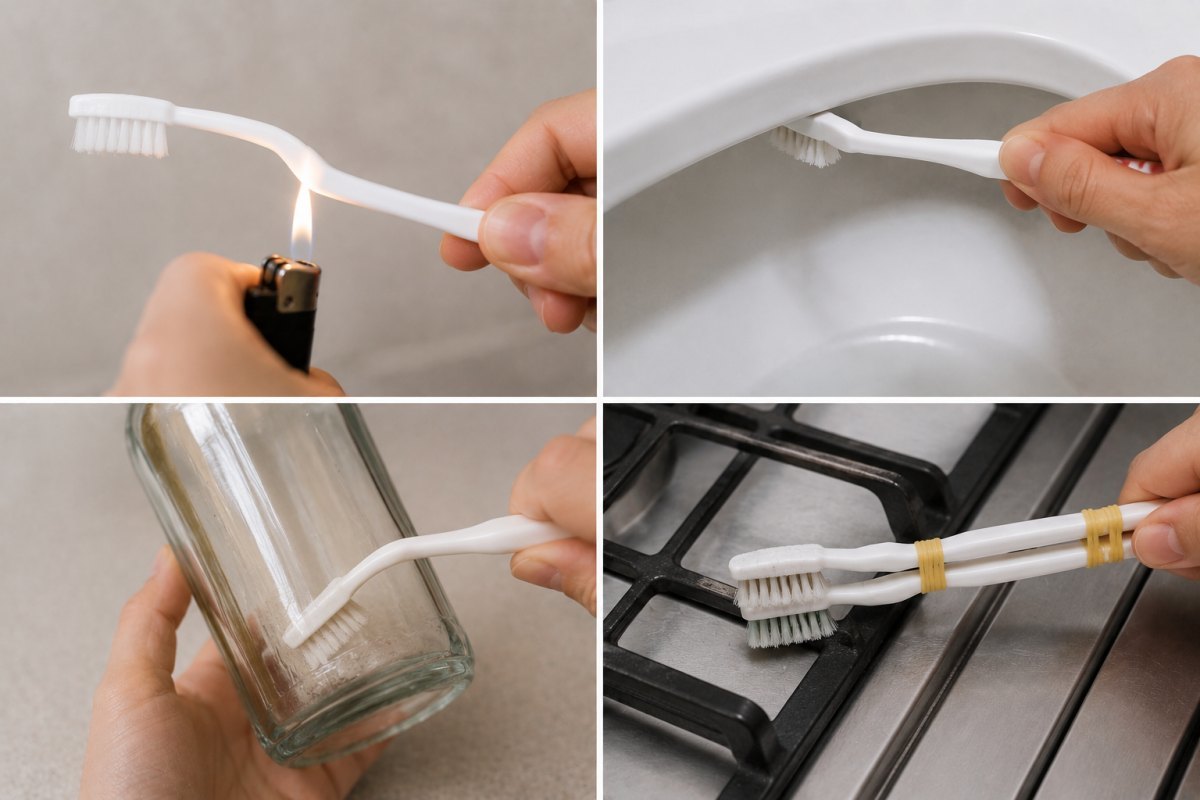
First, bend the brush into an L-shape. Briefly heat the neck just below the head with a lighter or soften the plastic by dipping the neck in boiling water for about a minute. Bend it to the desired angle and hold it until the plastic cools. The result is ideal for cleaning the inner rim of a toilet, the bottom of deep bottles, or window-frame corners.
You can also make a “double brush” clamp. Place two toothbrushes back-to-back and bind their handles tightly with a rubber band. This tweezer-like brush cleans both sides of grates, shoelaces, or stove-top burner covers at once, saving time.
Uses in the bathroom
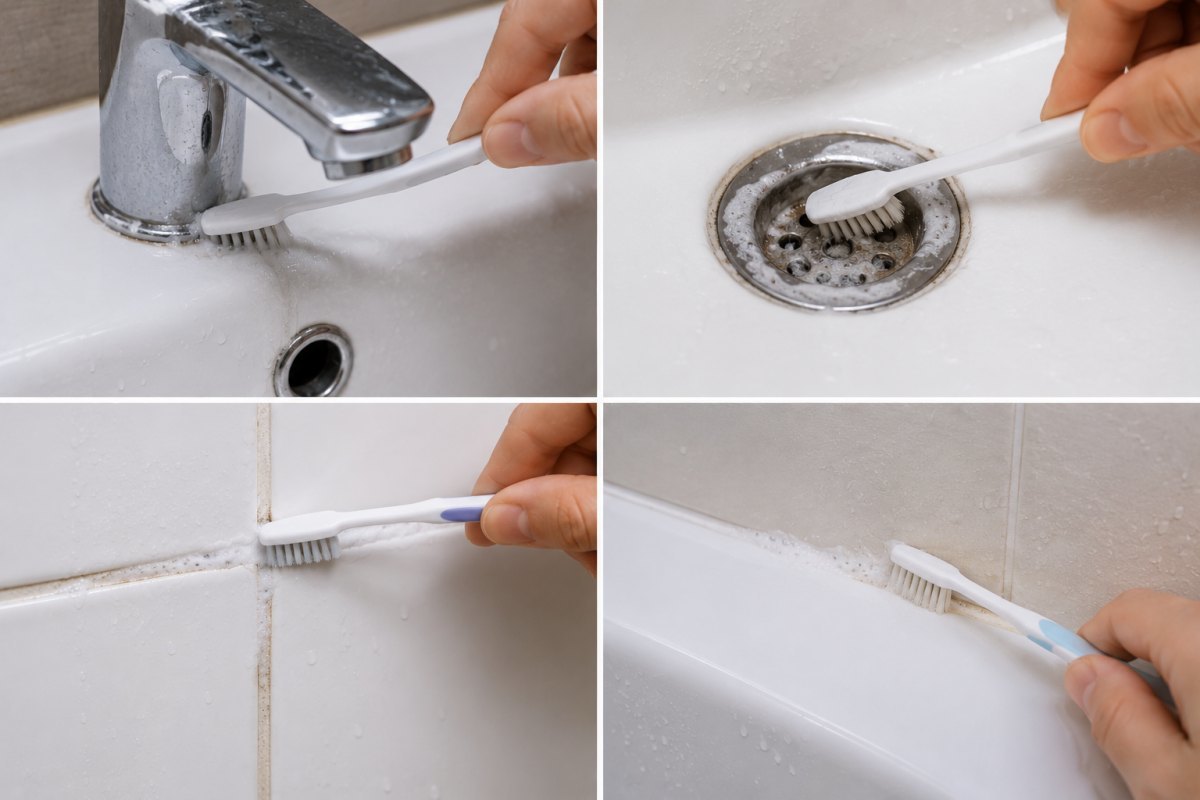
Areas behind sink faucets and around drain strainers collect stubborn residue that larger brushes can’t reach. Apply a small amount of toothpaste to an old toothbrush and scrub: the toothpaste’s mild abrasives remove buildup and help restore metal surfaces’ shine.
For tile grout, use a paste of baking soda on the toothbrush. The bristles reach deep into grout lines and scrape away embedded mold and grime for effective cleaning.
Uses in the kitchen
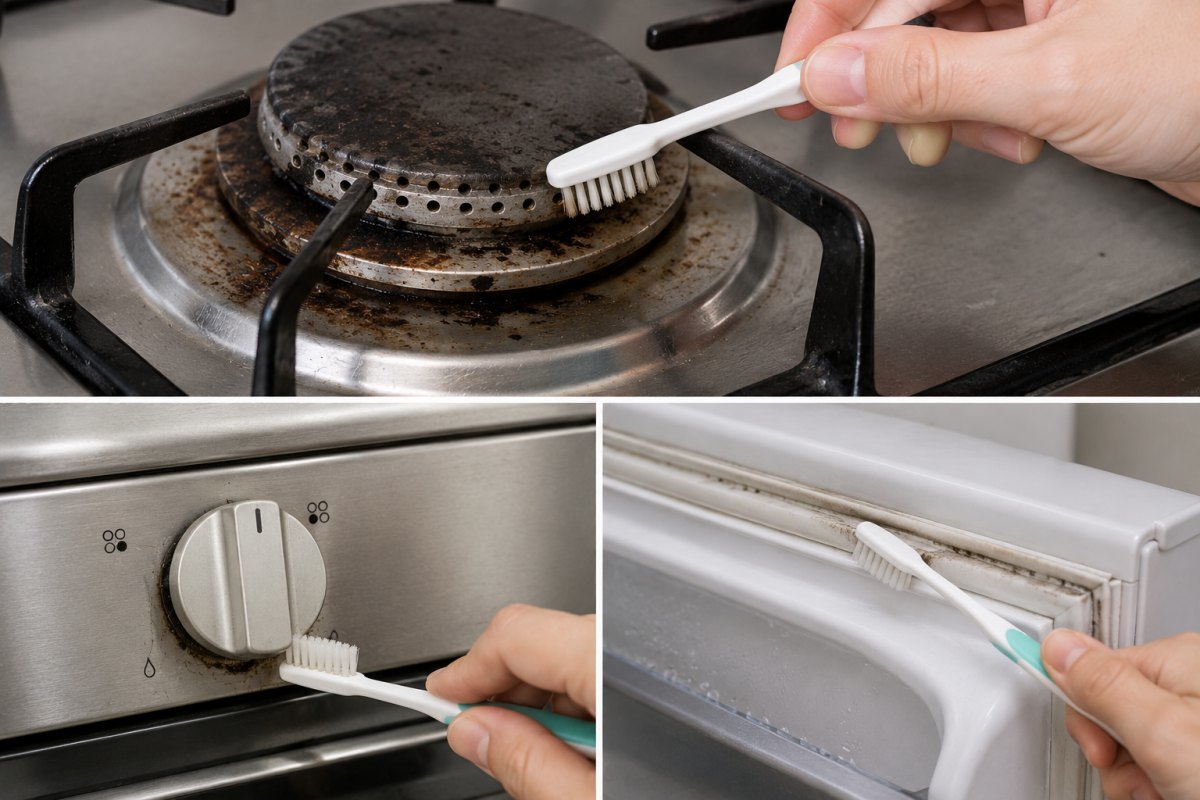
If gas stove burner ports clog, combustion becomes inefficient and you may notice odors. Use a dry toothbrush to dislodge debris from the ports so the flame can burn cleanly. For greasy knobs, dip the toothbrush in detergent and rotate it as you scrub to remove grime from tight gaps.
A toothbrush also helps clean refrigerator door gaskets. The rubber seals at the door’s edge trap food debris and are prone to mold. Mix soju (a Korean distilled spirit) with baking soda, apply the solution with a toothbrush, and scrub. The flexible bristles get into the gasket’s curving channels to clean and disinfect without damaging the rubber.
Precautions when reusing toothbrushes
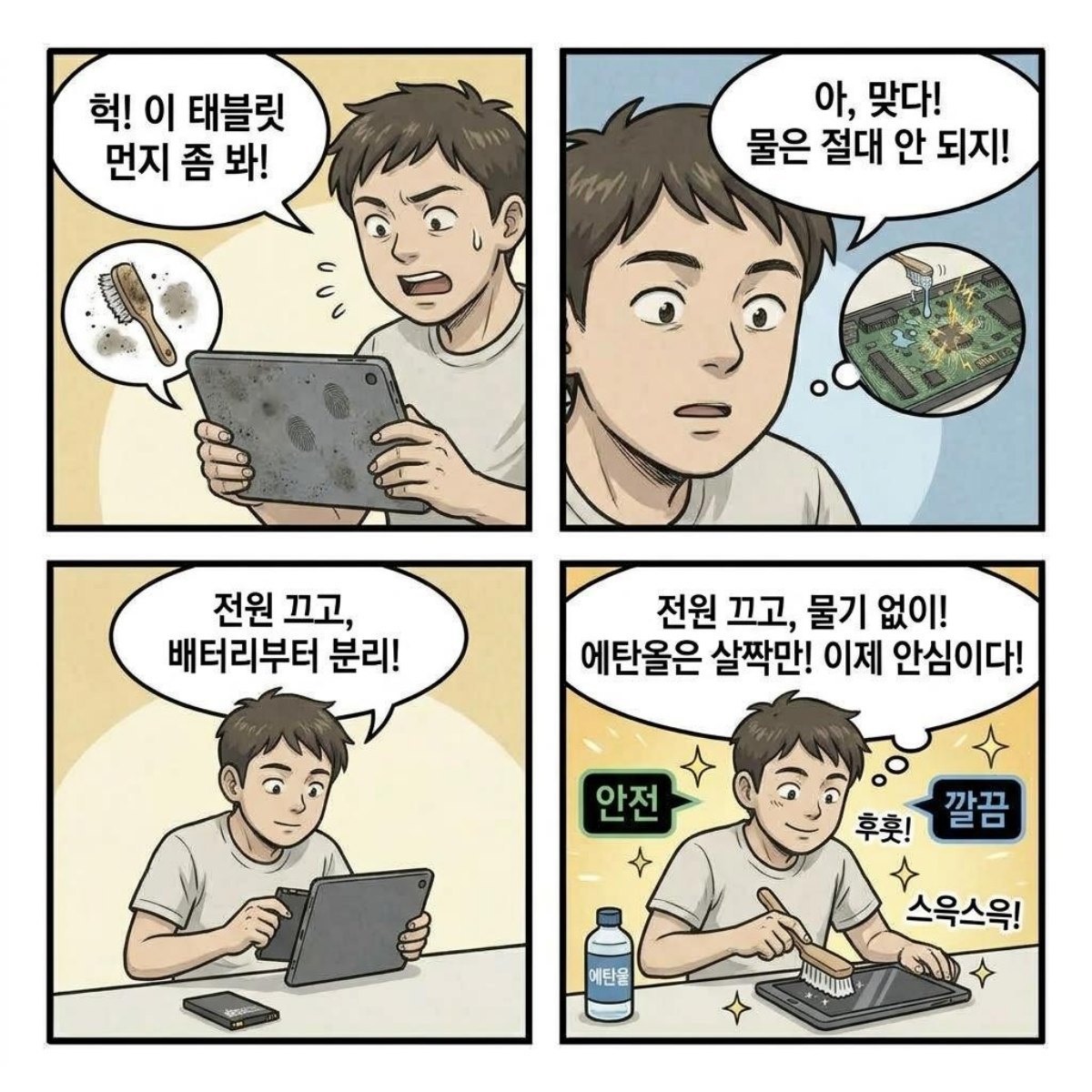 [Comic] One-panel cartoon based on the article / WikiTree
Label toothbrush handles with a permanent marker — “bathroom,” “kitchen,” “shoes,” etc. — or keep them in color-coded holders so they don’t get mixed up. Brushes used for food preparation must be kept completely separate from cleaning brushes.
When cleaning electronics or appliances, don’t soak the toothbrush in water or detergent.
Moisture carried into tight crevices by the brush can damage internal circuits and cause short circuits or malfunctions.
When wiping electronics, lightly dampen the toothbrush with ethanol or use it dry to dust off surfaces. Always power off devices and remove batteries before cleaning.
Also note that abrasives in cleaning agents (toothpaste, baking soda, etc.) and the bristle stiffness can scratch surfaces.
High-gloss furniture, coated frying pans, eyeglass lenses, and jewelry can lose their finish if scrubbed aggressively with a toothbrush. Use a soft-bristled brush, apply light pressure, and test on an inconspicuous spot first.