That sharp, telltale rip—the instant you hear a run start in a pair of stockings you carefully put on—can ruin your whole morning. When you paid good money and a fingertip-sized hole appears before the day’s over, you feel both unwilling to toss them and quietly irritated.
Stockings are, in many ways, one of the best household fabrics modern science has produced. Nylon’s tight, resilient weave is superb at trapping tiny particles, and the static that forms on its surface pulls invisible fine dust like a magnet.
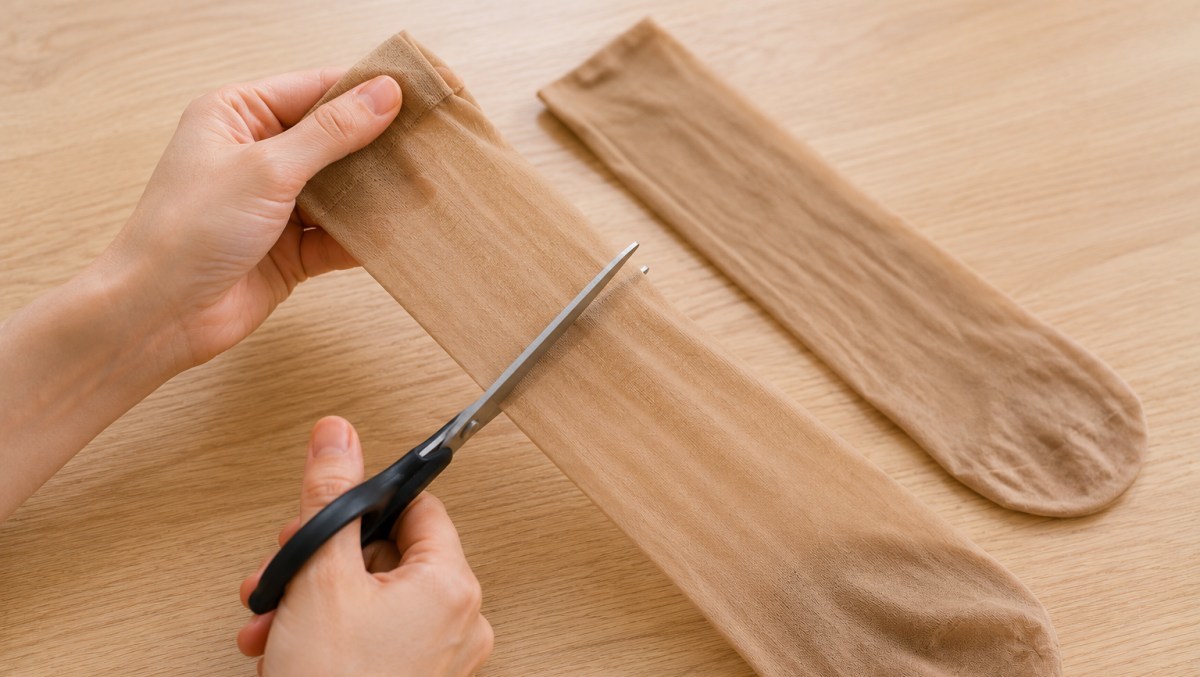
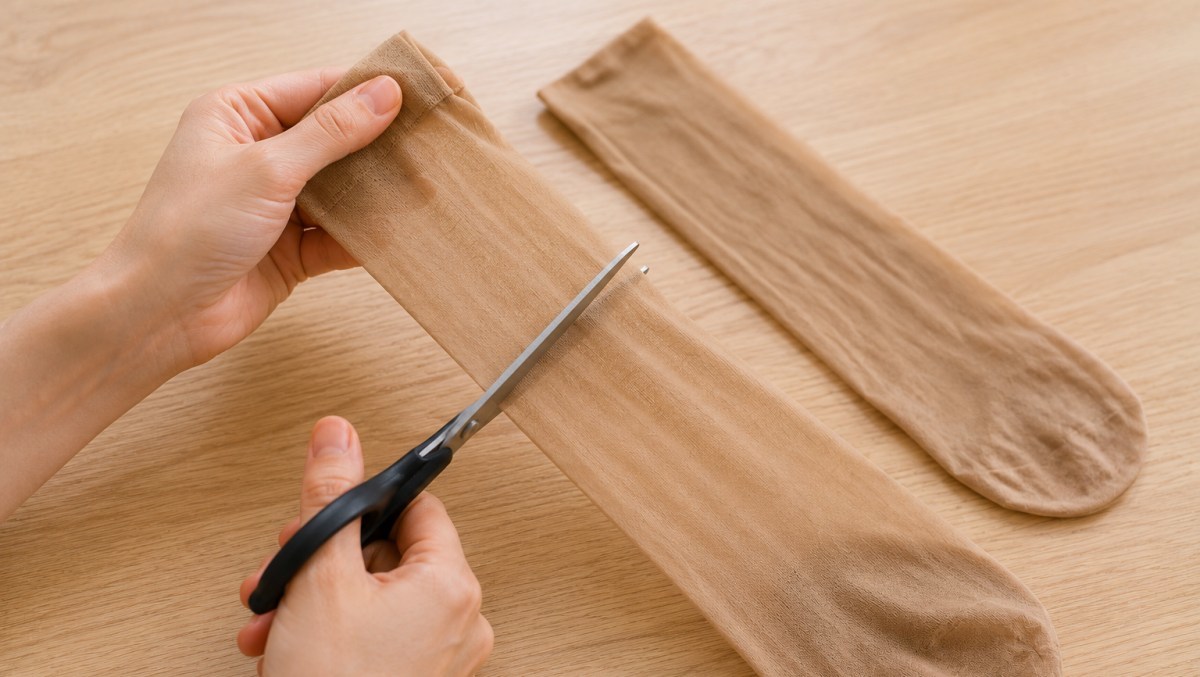
No need to overthink it. All you need is a pair of scissors. Cut a leg long to make a duster, trim the toe to fashion a filter—there’s a satisfying ease to improvising solutions. Instead of balling up a ripped stocking in annoyance, open it up and start imagining where it might help around your home.
Precautions When Reusing Stockings
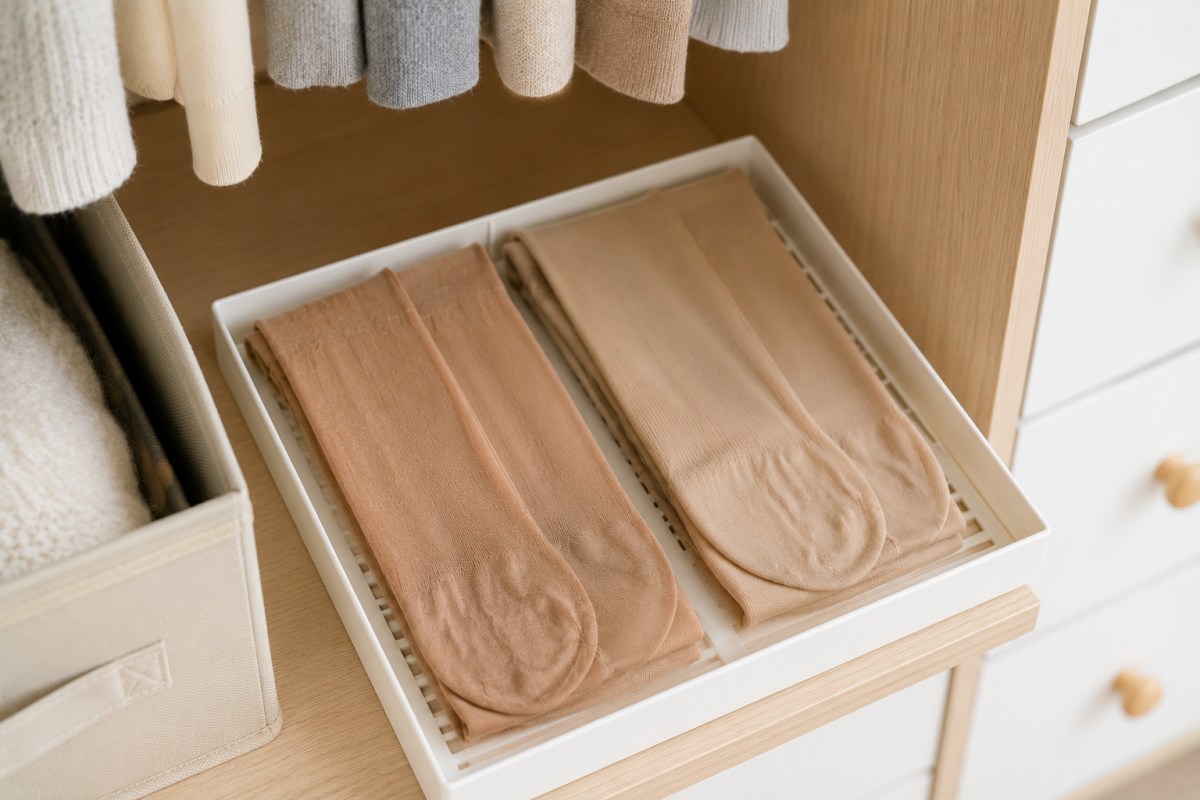
Also, nylon is a thermoplastic: expose it to high heat and it can melt, shrink or release toxic fumes. Never boil stockings or iron them. Avoid using them to scrub hot cookware or to strain just-cooked food; high temperatures can increase the risk of chemical exposure.
The very static that makes stockings useful can damage electronics. Wiping inside a computer case or across exposed circuits with a stocking can generate static that harms semiconductor chips and causes device failures. Limit stockings to dusting the exterior of electronics; for internal cleaning, use canned air or antistatic tools.
Use Them for Clothing Care
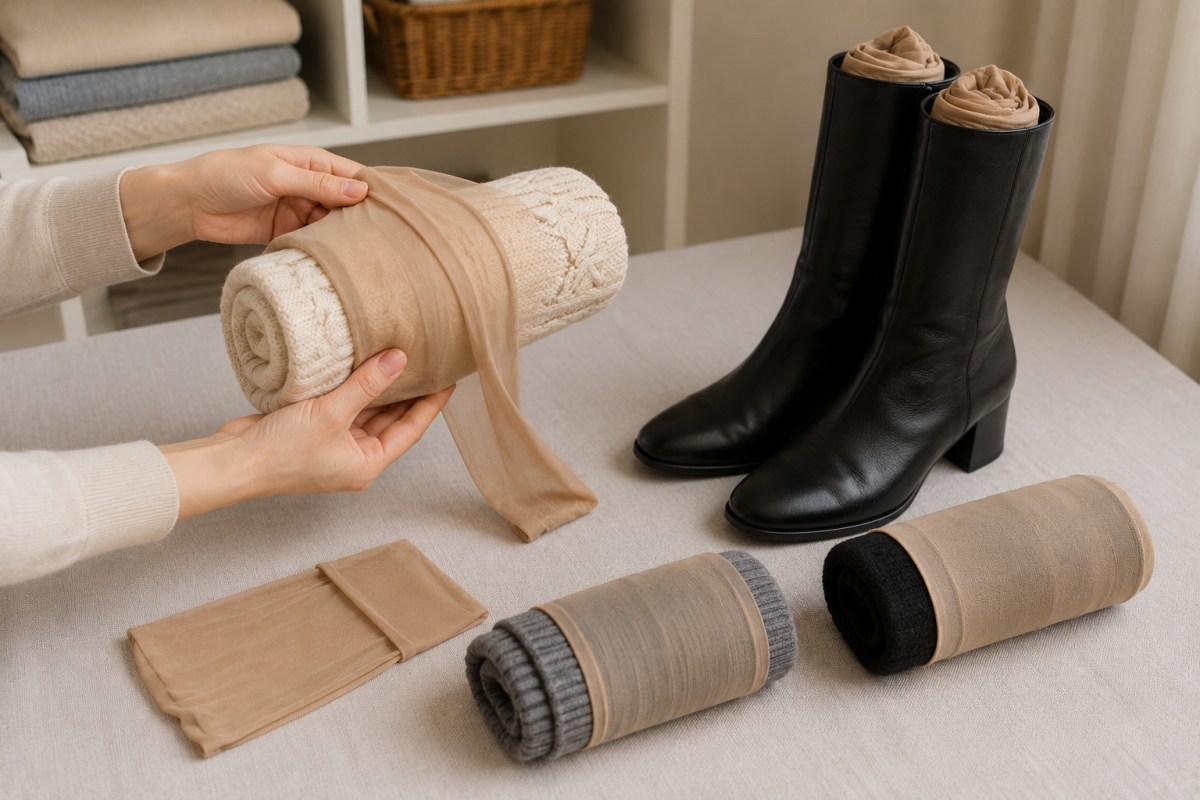
Stockings also work for preserving boots. Tall boots commonly crease at the shaft. Stuff a stocking leg tightly with crumpled newspaper, shape it into a column and insert it into the boot—an inexpensive stand-in for a shoe tree.
The newspaper absorbs moisture and odors while the stocking keeps everything in place. For leather boots, maintaining shape extends life, so this simple support helps preserve both look and value.
Use Them All Over the House
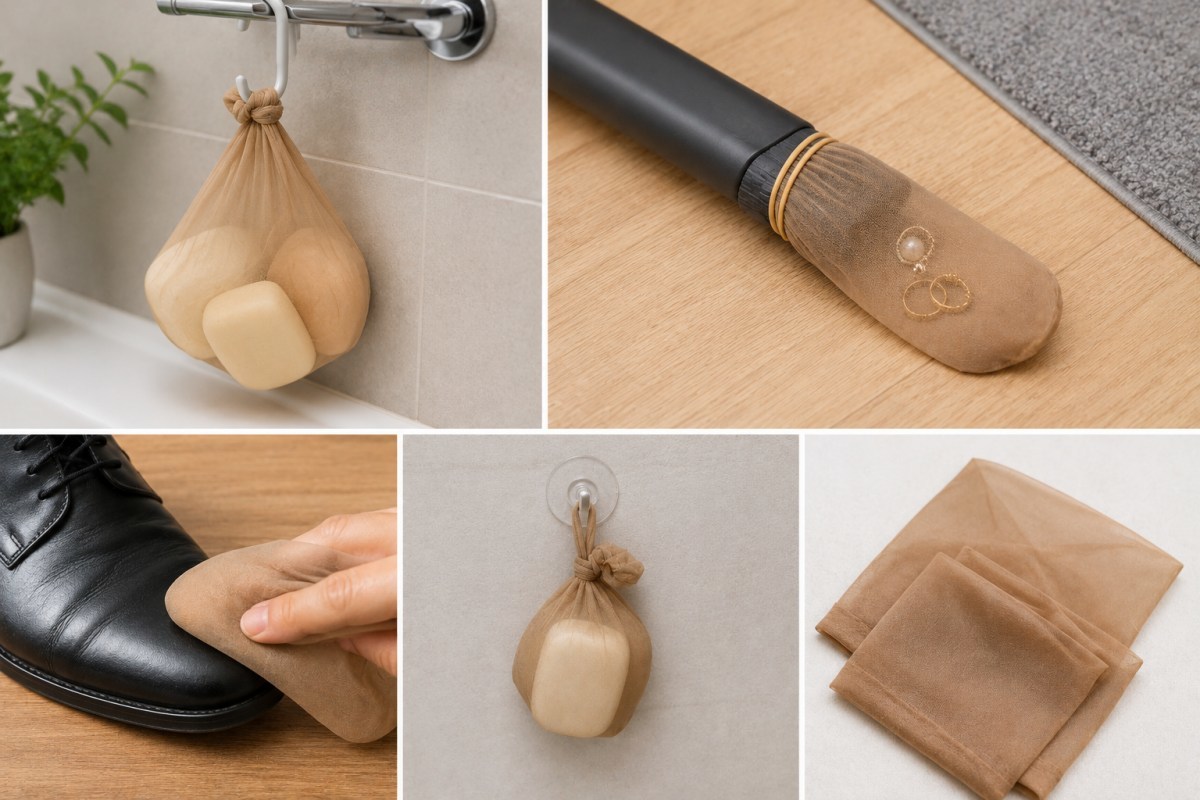
You can also use a stocking to retrieve lost small items. When a ring or earring slips under the bed or between furniture, slip a stocking over the vacuum nozzle, secure it with a rubber band, and turn the vacuum on. The stocking acts as a barrier: dust goes into the bin while the item sticks to the stocking’s surface. It recovers valuables safely without contaminating them.
Because stockings are soft, they won’t scratch leather while generating gentle friction. After applying shoe polish, buff shoes with a balled-up stocking for a deeper, subtler shine than many polishing cloths produce. The same trick works for leather sofas, bags and other goods.
Use Instead of a Drain Strainer
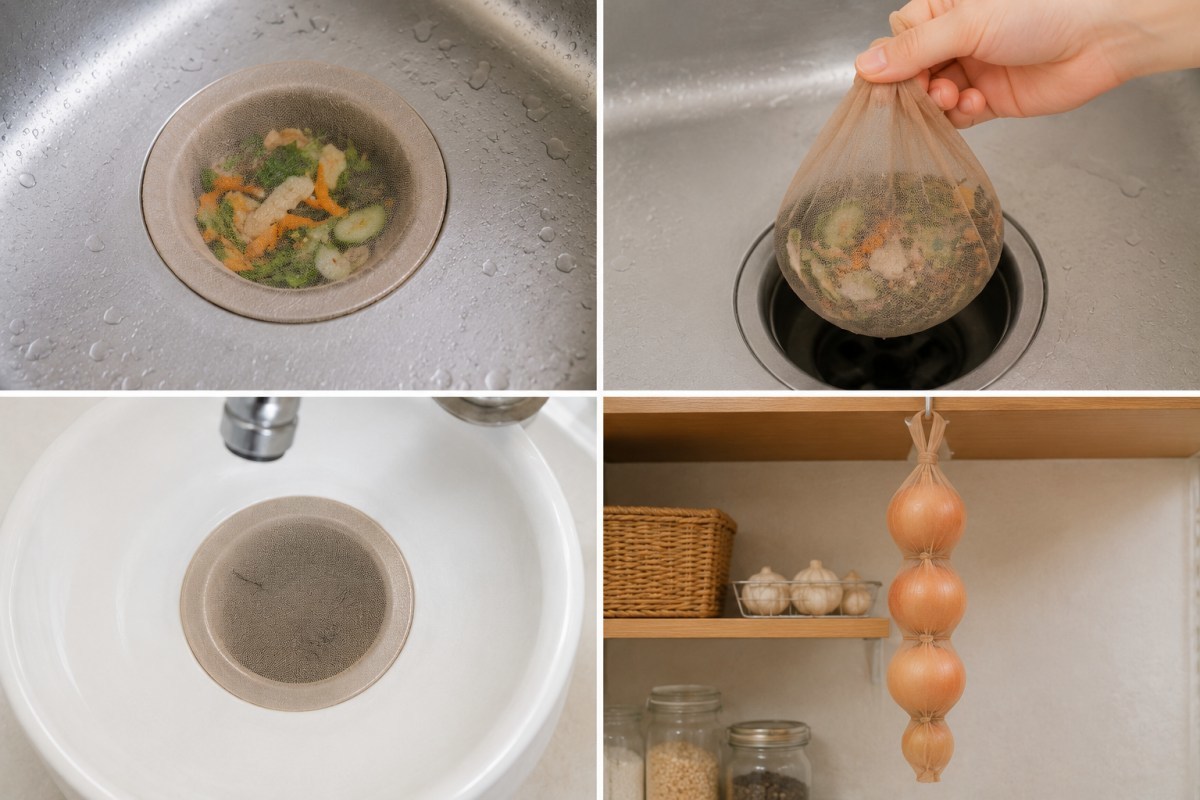
When it’s time to clean, simply peel off the stocking and discard it—no need to touch gross debris. It’s hygienic, cost-effective and helps prevent clogs before they start.
Stockings also make handy produce nets. If onions or garlic sit in poor airflow they rot or sprout quickly. Place an onion into one stocking leg, tie a knot, add another and hang the string in a cool spot so items don’t touch. Pull a knot when you need one. The stocking’s breathability extends freshness. Prefer undyed nude (apricot) or white stockings for food storage, and always confirm they’re safe for food contact before using them.
Use Them to Trap Fine Dust on Window Screens
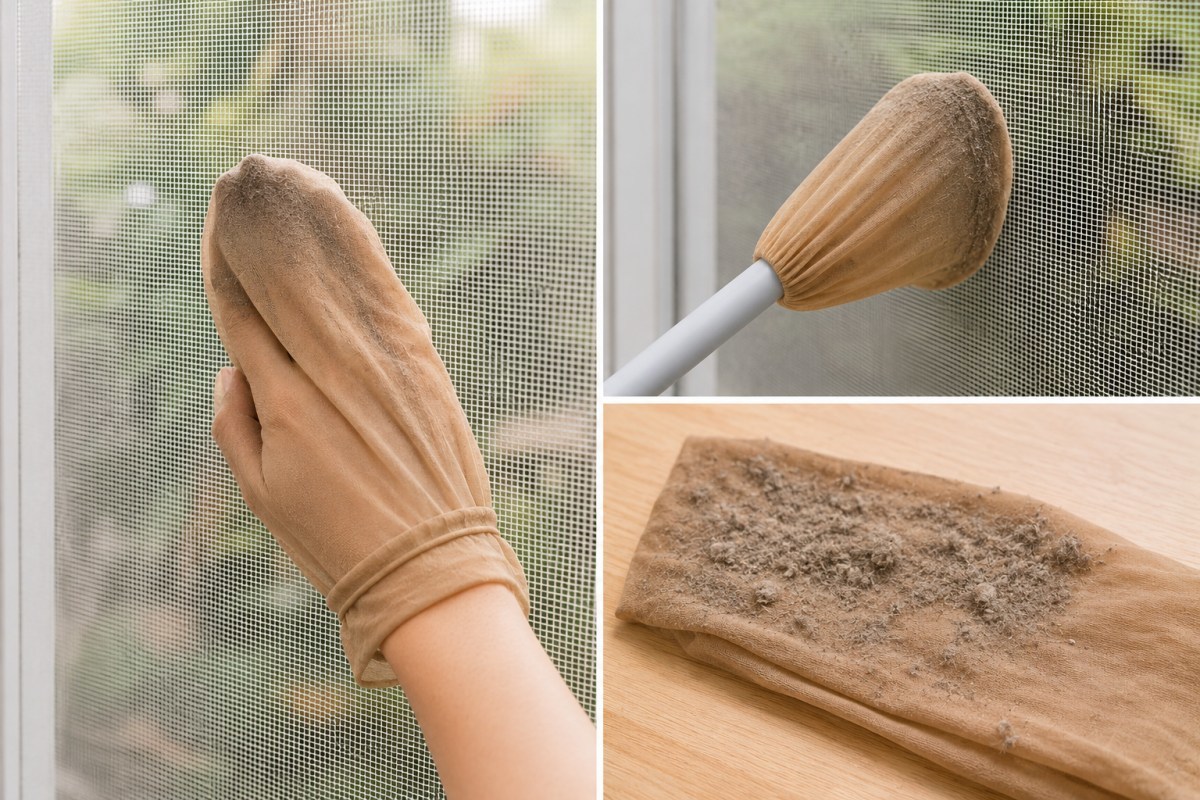
Using a stocking lets you clean screens thoroughly without water or dust clouds. The fabric’s natural friction removes dust with little effort and no mess.