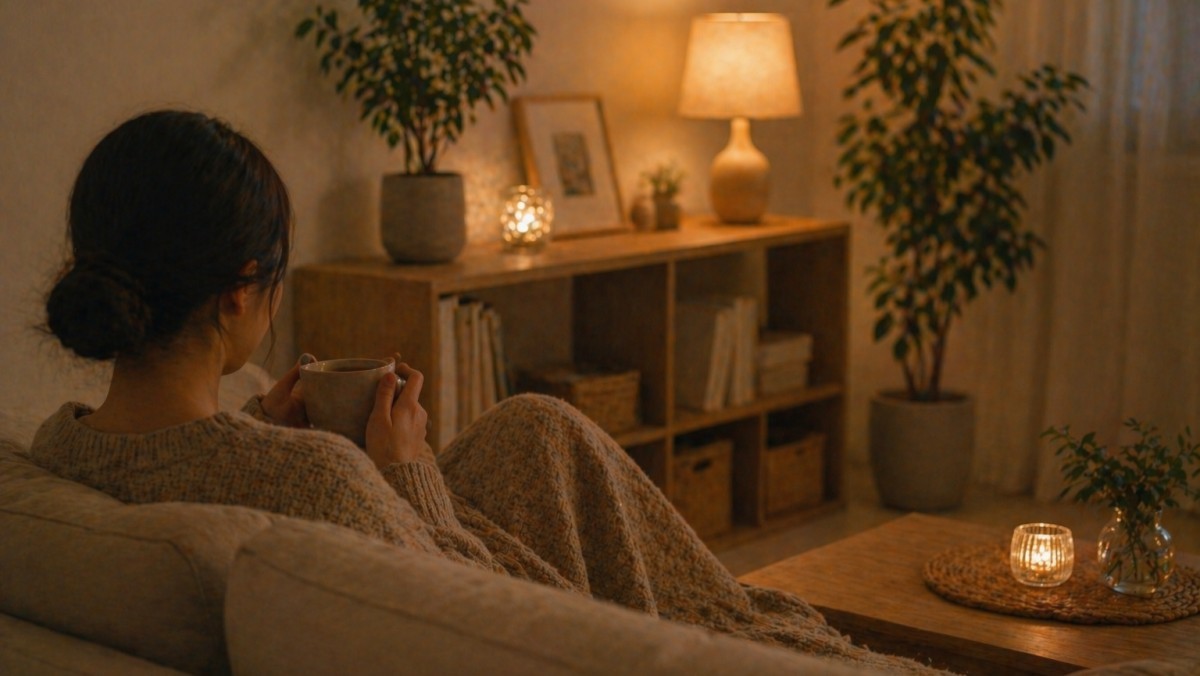
Have you ever felt your heart race over a minor upstairs noise or stayed up replaying an indifferent comment from your boss until your eyes hurt? If you pick up surrounding stimuli more sharply than others and absorb other people’s emotional shifts like a sponge, that isn’t a quirky personality trait — your neural antennae are simply far more finely tuned.
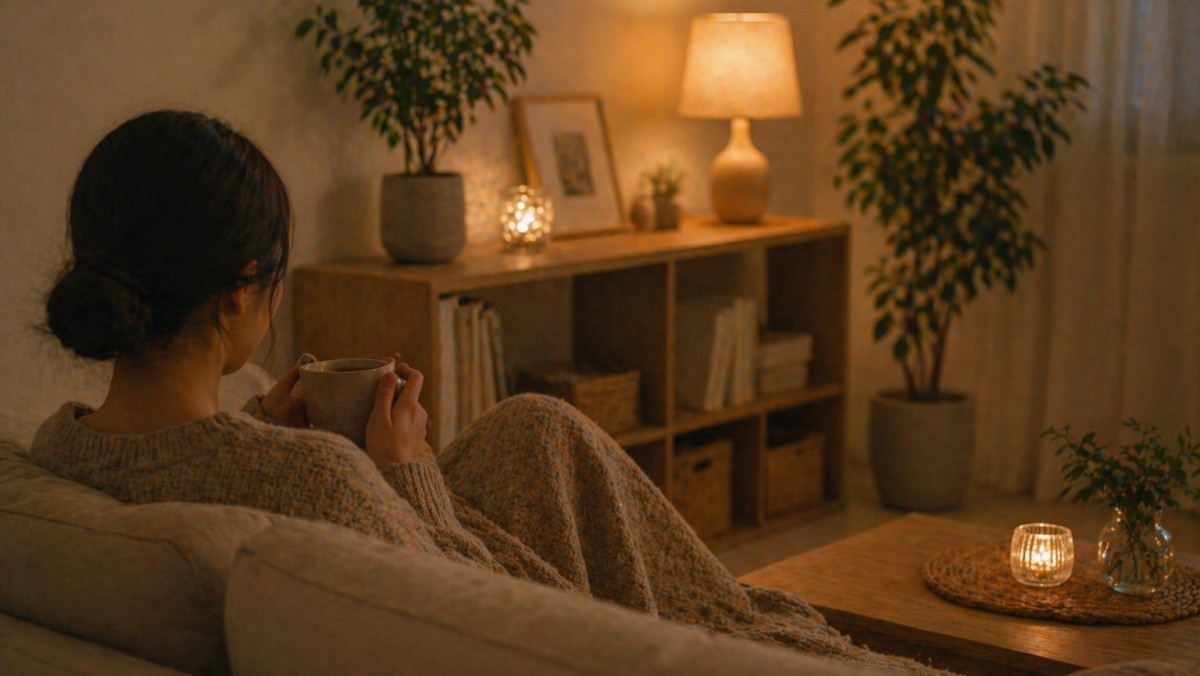
So what can sensitive, easily stressed people do at home to calm their nervous systems? You don’t need lengthy therapy sessions or expensive devices. Small changes to your environment and daily habits can prompt your brain to send the signal: “You’re safe now.”
When you stop treating sensitivity as a flaw to fix and start treating it as a trait to manage, your home becomes more than a place to live — it becomes a recovery room for a weary soul. Below are practical, science-backed “mental hygiene” habits you can do at home to raise your quality of life. They’re simple. Try them, and soon you’ll feel the tension ease from your shoulders.
Modern psychology labels people who take in external stimuli more intensely than others as HSPs. Their amygdalae are more easily activated, so they notice small noises, light changes, and emotional shifts in others more readily.
If the outside world constantly bombards you with stimuli, your home should be a place to recover. If you’re sensitive and prone to tension, try these at-home strategies.
Set up an environment that blocks sensory overload
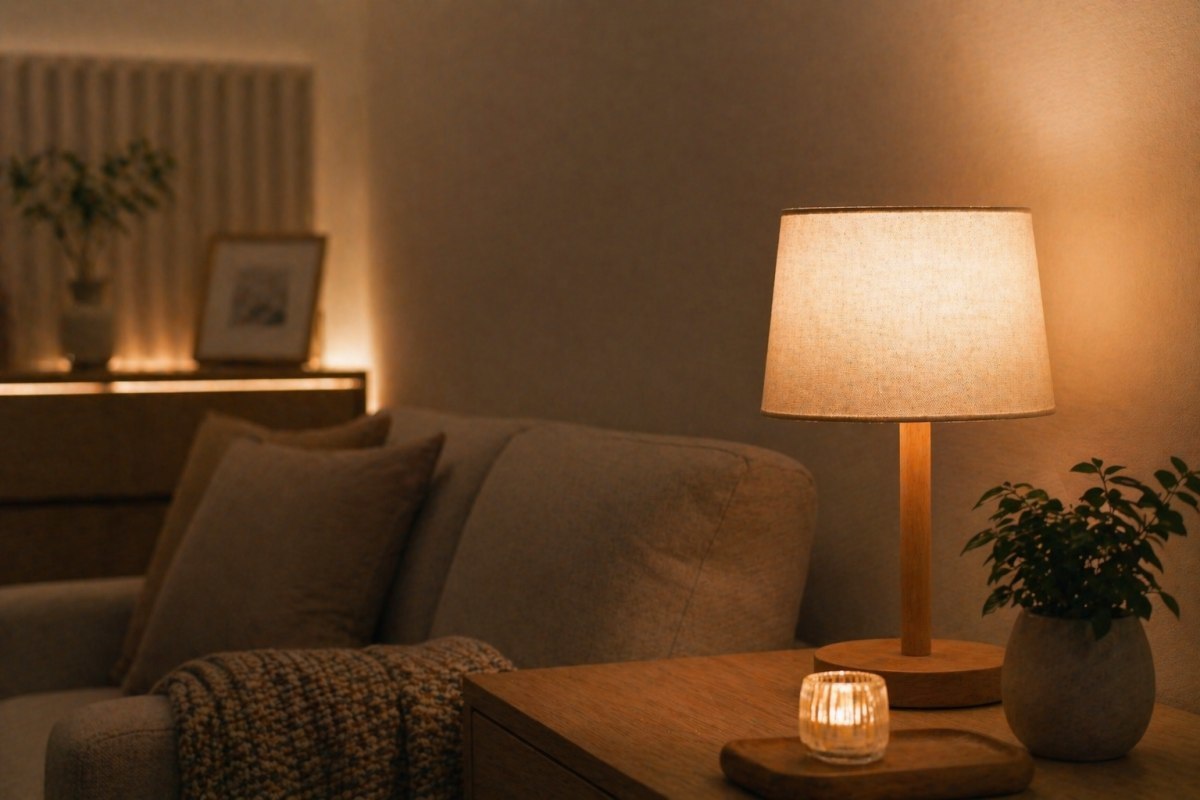
Because HSPs have high sensory-processing sensitivity, adjusting the physical environment at home alone can lower cortisol, the stress hormone.
Start with low lighting and indirect lamps. The subtle flicker of fluorescent lights and intense blue light from screens keep a sensitive brain on constant alert.
After 8 p.m., use table lamps or indirect lighting with a warm color temperature around 2700K–3000K; this encourages melatonin release and activates the parasympathetic nervous system.
Creating an auditory fortress matters, too. Sensitive people tire easily from apartment noise or the hum of appliances. Use a white noise machine to mask irregular external sounds, or put on noise-canceling headphones and give yourself a period of silence — both help the brain recover.
Tactile comfort is important as well. Try a weighted blanket equal to about 10% of your body weight. Deep-pressure stimulation boosts serotonin and dopamine, producing a hugged feeling that reduces anxiety and improves sleep quality, as if you’re inside your own protective shield.
Routines that calm the nervous system
First, relax tension in your brow and jaw. Many sensitive people unconsciously hunch their shoulders or clench their teeth, which keeps the brain in “threat” mode.
Try resting the tip of your tongue gently on the ridge behind your upper teeth. When your tongue contacts the palate, your jaw muscles relax and the vagus nerve is stimulated, producing a relaxation response.
Practicing the 4-7-8 breathing technique or diaphragmatic breathing helps, too. Deep breaths that fill the lower lungs stimulate the diaphragm.
Breathe in through your nose for 4 seconds, hold for 7, then exhale slowly through your mouth for 8 seconds. Extending the exhale is key to lowering heart rate.
Schedule regular digital-detox periods. Notifications, flashy videos, and endless information exhaust a sensitive brain.
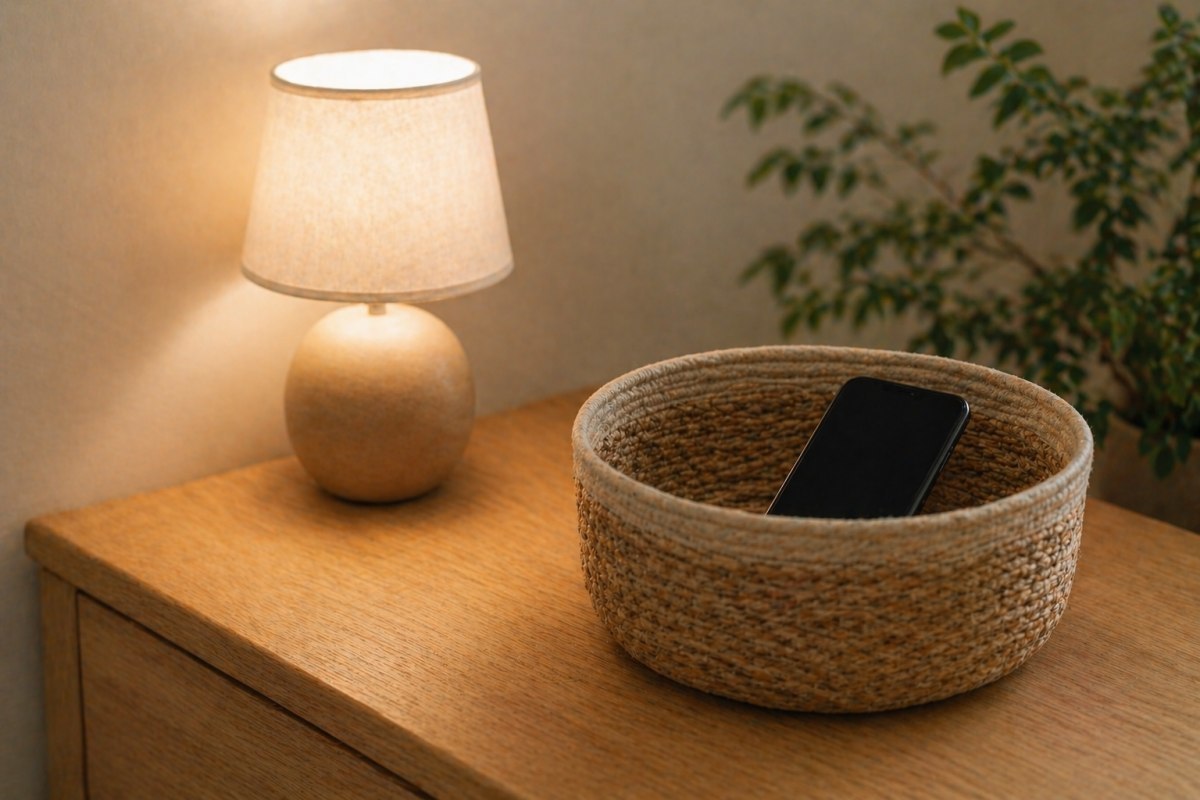
After you get home, put your phone in a separate basket out of sight for at least an hour. A “dopamine fast” can help relieve frontal-lobe fatigue.
Create psychological boundaries with spatial habits

Designate a favorite chair or corner, add a candle or a plant, and make a psychological rule: “When I sit here, I won’t be disturbed.” Then let yourself rest.
Sensitive people also tend to process even minor events deeply. If you keep everything in your head, it can lead to low mood.
Before bed, write down the emotions you felt today without censoring them. Journaling helps. Writing by hand stimulates the frontal lobe and strengthens emotion regulation. Moving negative feelings from your mind onto paper signals to your brain that the episode is “finished,” so it can enter rest mode.
Cut back on caffeine?

Taking a warm bath or a half-body soak helps, too. A soak in water slightly warmer than body temperature — about 38–40°C — improves circulation and physically releases muscle tension.
Turn sensitivity into an asset with creative activities
Sensitivity is a double-edged sword. It can cause pain, but it also allows you to notice details others miss.
At home, take up simple hobbies: plant care, puzzle-solving, coloring books, or knitting — activities that are repetitive, sensory, and calming. The small sense of accomplishment you get from finishing something rebuilds self-esteem.
The most important action for sensitive people at home is to stop denying that they are sensitive. Instead of blaming yourself for tiring more easily, accept that your more precise antennae require extra rest.
Being sensitive also means you can feel the world’s beauty more deeply than others. To keep your delicate antennae from draining, use the methods above to turn your home into the warmest, safest charging station.
The habits outlined above do more than provide comfort — they can bring an overactivated nervous system back toward a normal range. From today, lower your home’s lighting, practice deep breathing, and give your sensitive senses time to rest.