Most refrigerators have a stalwart tucked into a corner: doenjang — Korean fermented soybean paste that gives many dishes their savory depth. After a few batches of stew, the plastic tub often runs low and becomes inconvenient. Before you drop it in the recycling bin, take another look. It’s sturdy, seals nearly as well as commercial food containers, and its square shape stacks cleanly. Those are useful qualities to lose.
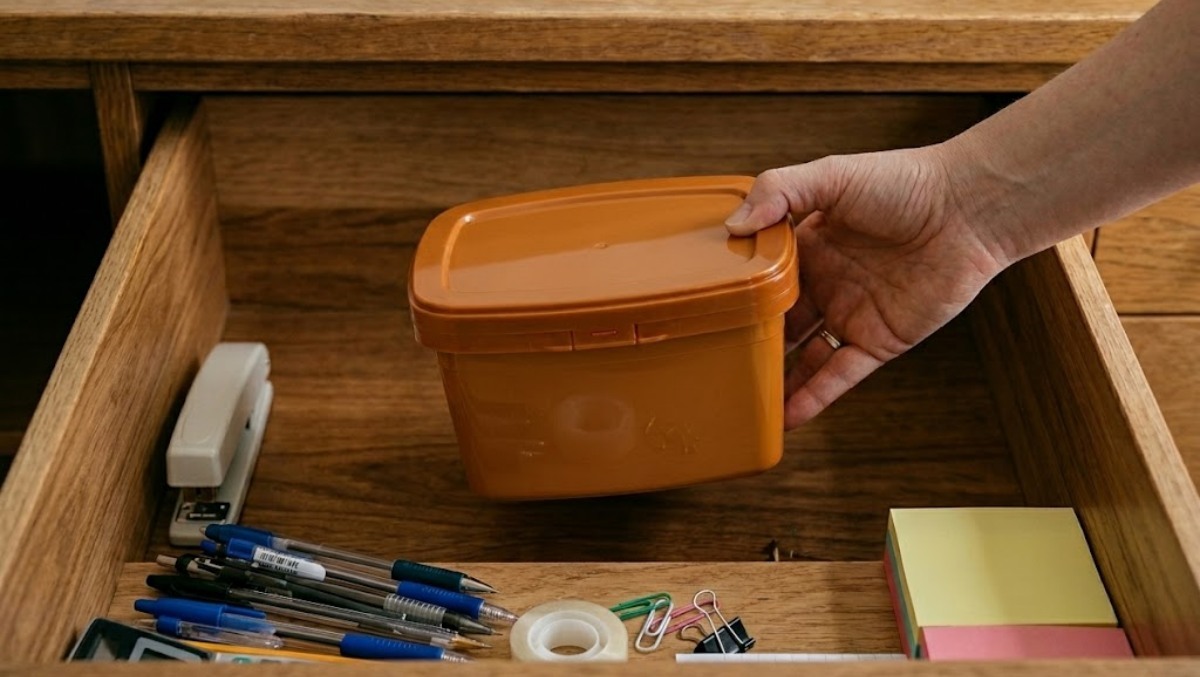
Before you run to the store to buy new organizers, try cleaning and repurposing used doenjang tubs. It’s an easy, economical recycling habit that helps the environment and your budget, and it starts with this humble container.
How to clean them thoroughly?
The first challenge in repurposing a plastic doenjang tub is removing deep stains and lingering odors. Ordinary dish soap often can’t reach odor molecules that have penetrated the microscopic pores of polypropylene (PP) plastic. You’ll need a more thorough approach.
Start by washing away residue with dish soap. Then place the tub — either damp or fully dry — on a sunny balcony or windowsill. Leave it in direct sunlight for about 1–2 days. Sunlight will fade the reddish stains and restore transparency without aggressive scrubbing. This method is more eco-friendly than heavy chemical cleaners and minimizes surface damage.
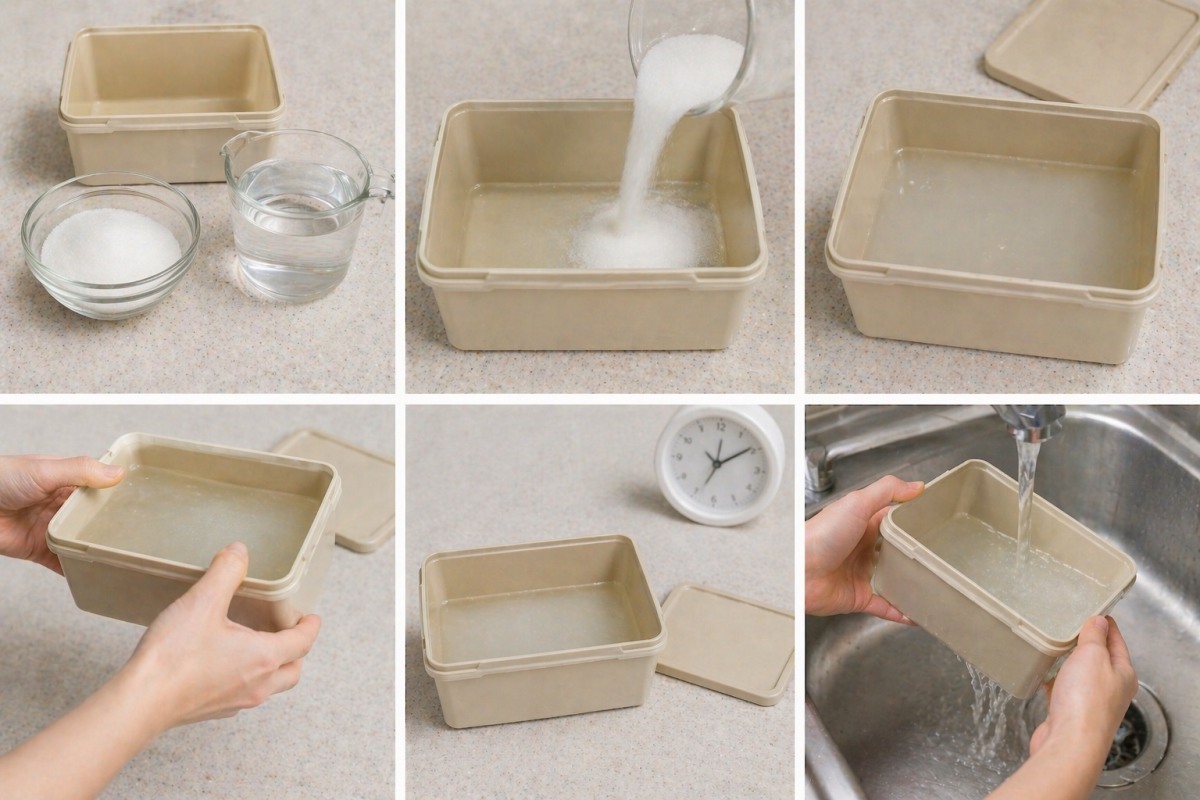
Because sugar water is denser and stickier than plain water, it pulls trapped organic matter and odor particles toward the surface. Shake the tub so the syrup coats the walls, then let it sit for at least half a day. The sugar molecules help encase and separate the odor compounds. Rinse thoroughly with clean water afterward, and you should find the container free of smell and residue.
You can also use rice-wash water. The starch in rice water and in flour acts as a natural adsorbent. Starch particles form a porous structure that attracts surrounding particles. Fill the tub with concentrated rice-wash water from rinsing rice, or mix a spoon or two of flour into lukewarm water to form a paste and let the container soak overnight. Flour’s gluten proteins help trap odor particles more effectively.
These approaches don’t just remove smell; they also strip fine oils from the plastic surface, restoring a clean, slightly squeaky feel after washing.
Note: if the interior shows deep scratches, bacteria can colonize those crevices, so it’s best not to reuse such containers for food storage. Even PP can weaken and generate microplastics after prolonged sun exposure, so inspect tubs regularly if you use them outdoors. Once they’re thoroughly cleaned, you can start putting them to work around the home.
Put them to use around the house!
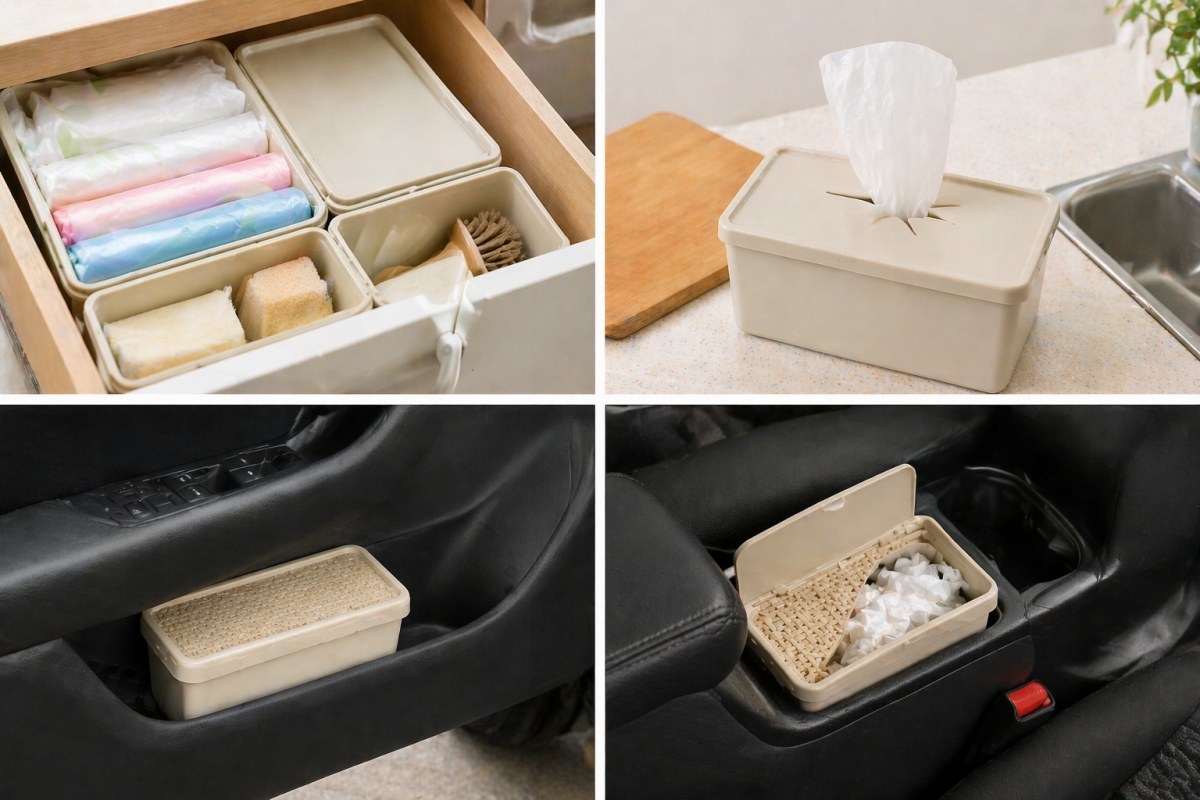
The tub also fits well in car door pockets or near cup holders. Use it to collect small trash — gum wrappers, receipts — and the lid keeps odors contained. Add fabric stickers or a rattan sheet to the exterior and it will blend into your car’s interior.
Use for gardening!
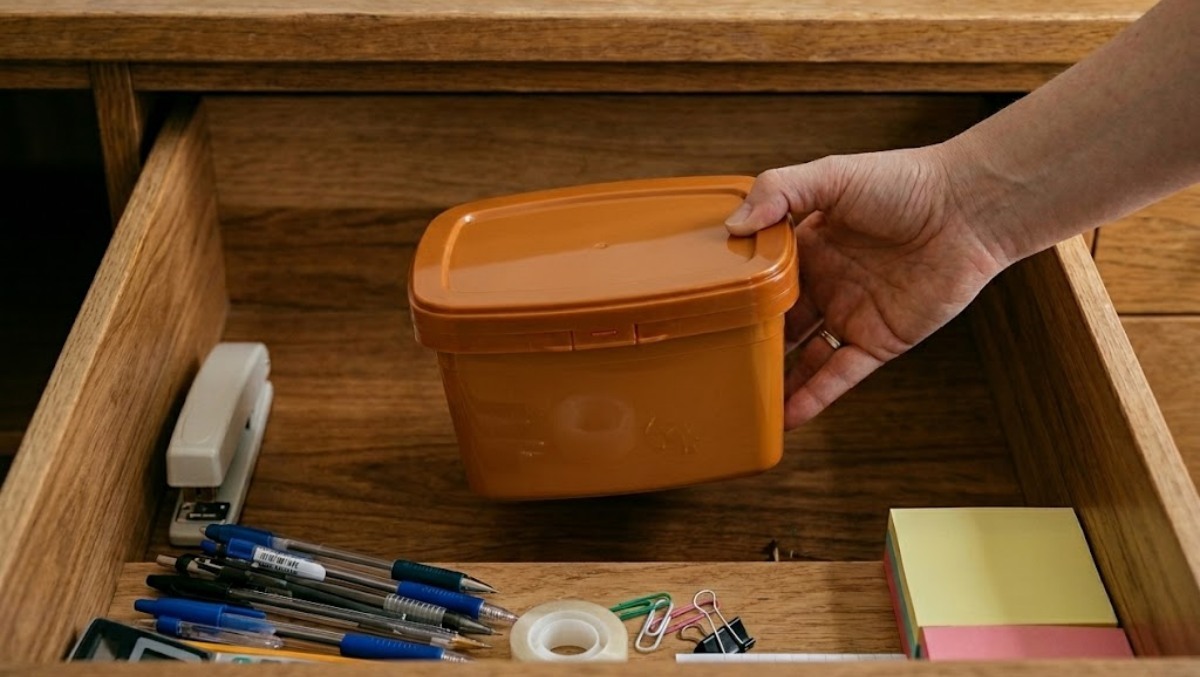
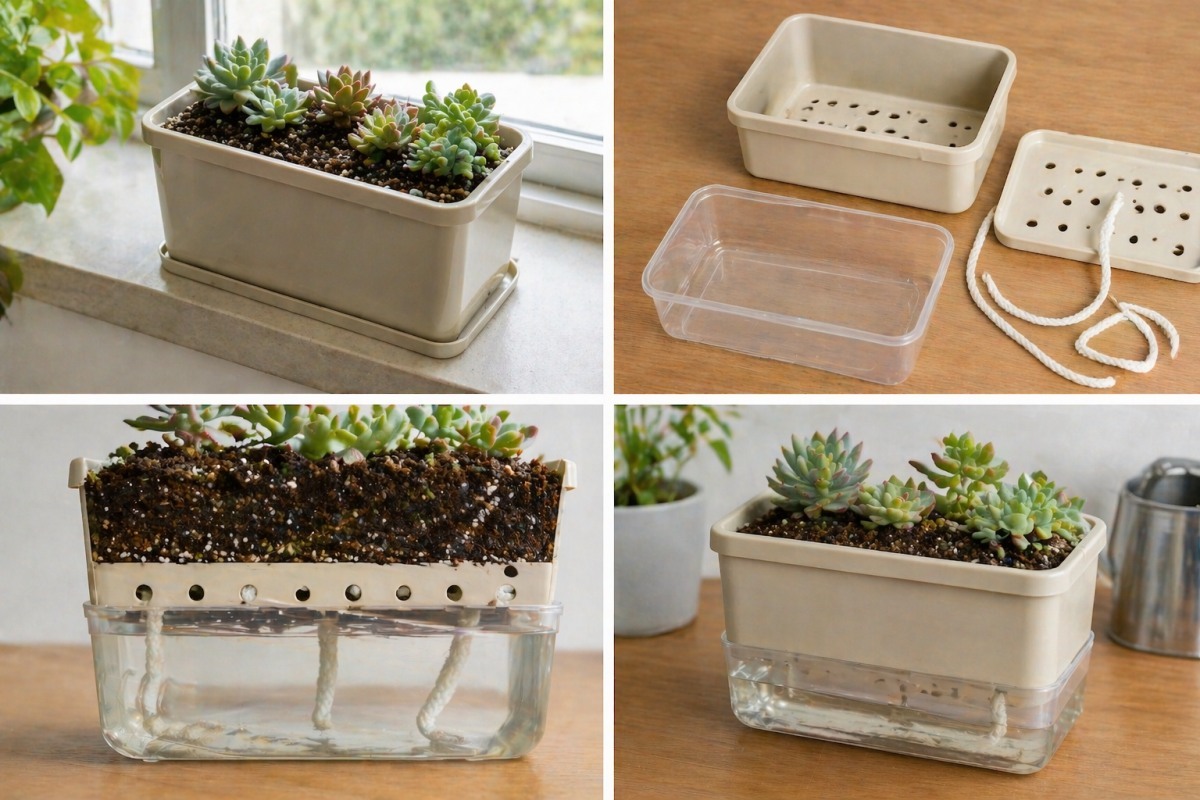 Doenjang container in use / AI-generated image based on the article
This setup is efficient for busy people: even if you miss a scheduled watering, plants can draw moisture up through the wick.
Use as office supplies!
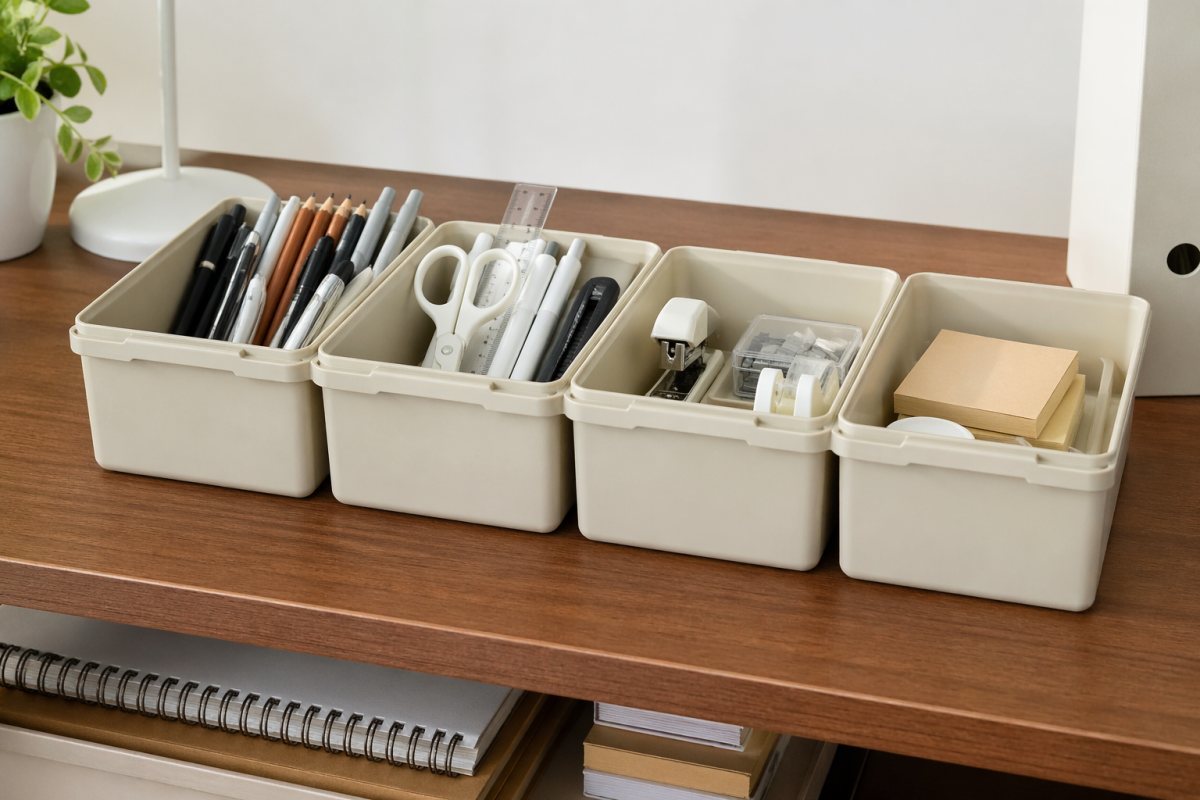
You can customize the exterior to suit your taste. A coat of matte white, metallic silver, or muted beige spray paint hides the cheap-plastic look and gives a cleaner, office-ready finish. Add typography labels such as “CABLE,” “STATIONERY,” or “ETC.” in a tasteful font to increase their appeal as decor pieces.
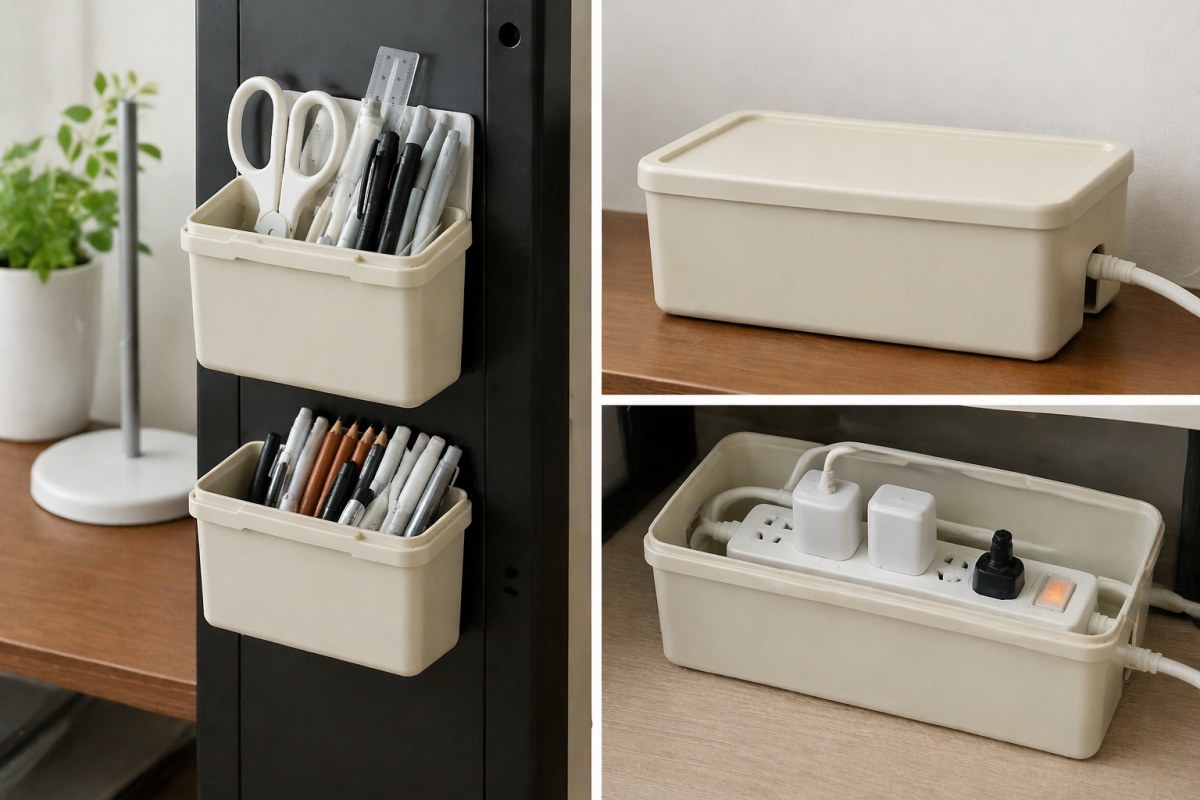
They’re useful as dust covers for power strips, too. Exposed power strips collect dust, which can pose a fire risk and looks untidy. Cut cable-sized notches in the sides, place the strip inside, and close the lid for a neat cable organizer. This prevents cord tangles and protects plugs from dust and moisture, helping extend device life.
Turn them into decor pieces!
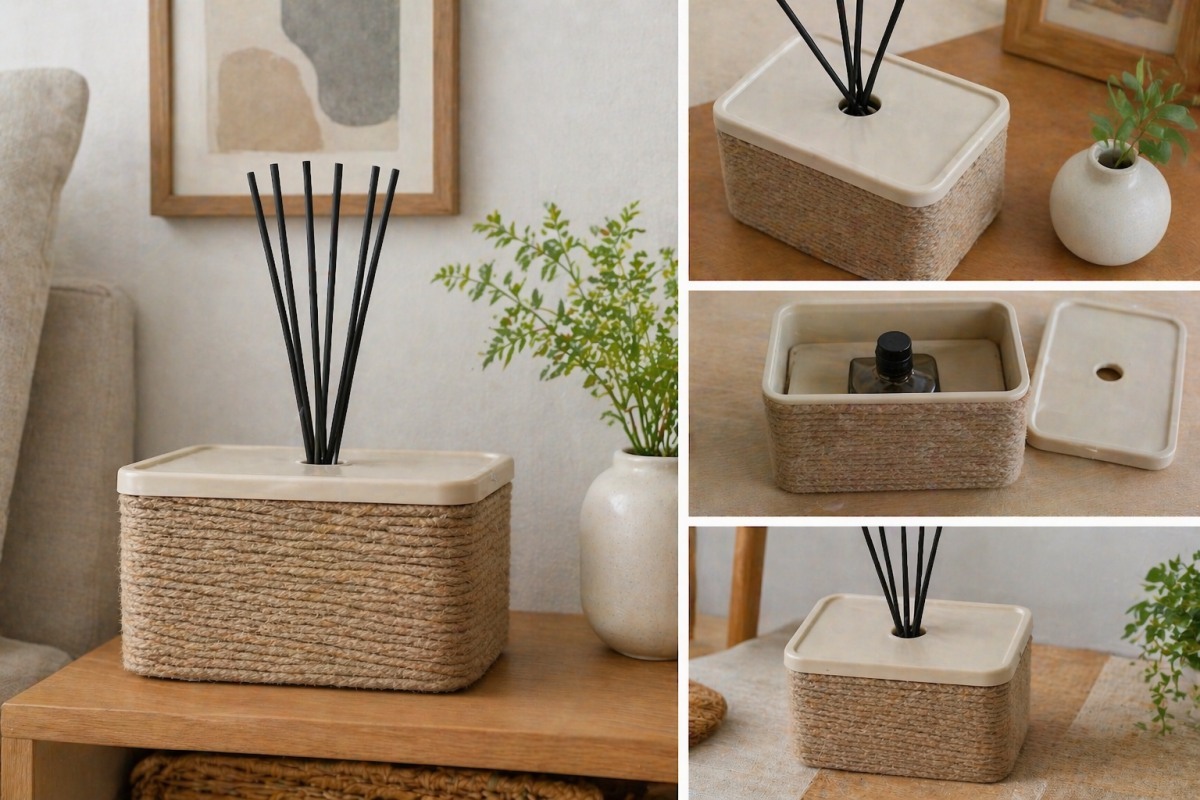
If a diffuser bottle clashes with your decor or you worry about kids or pets knocking it over, use a doenjang tub as a cover. Drill a hole in the lid for diffuser reeds and wrap the tub with twine or fabric. Place the diffuser bottle inside and close the lid — it’s less likely to spill if tipped, and it gives a warmer, more finished look.
What was once kitchen waste can find new life around the home. With a small mindset shift, everyday items can be transformed into practical household goods. It’s a smart way to save money and cut waste.