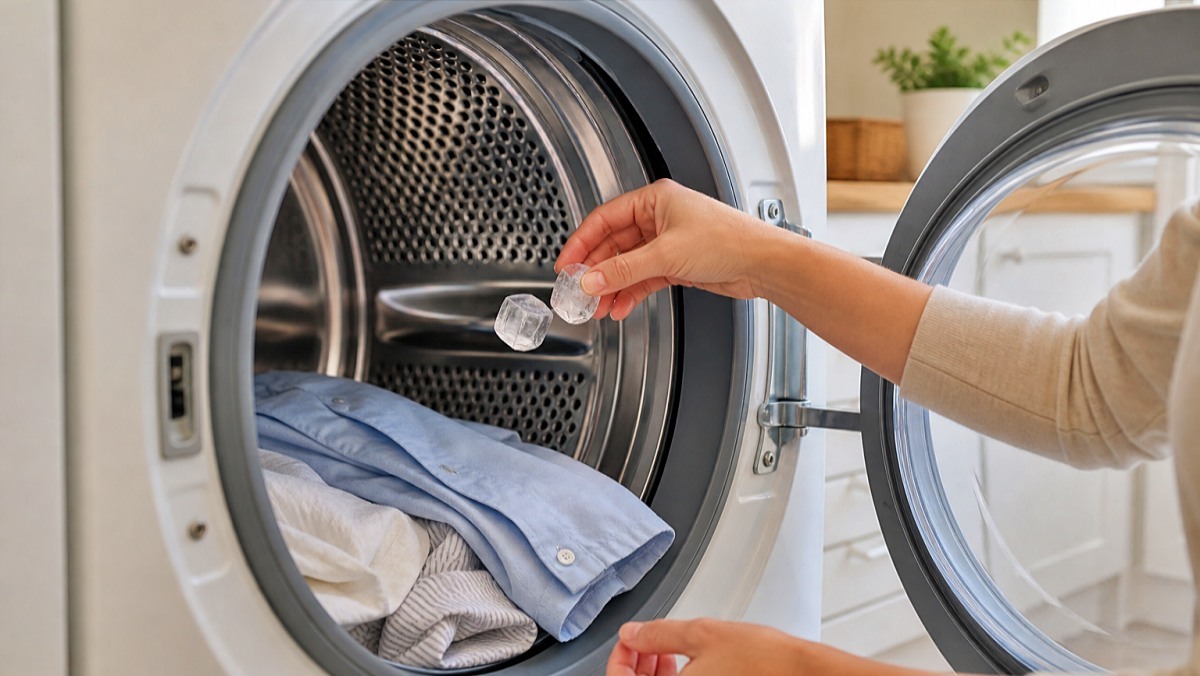
Finding wrinkles in your clothes just before you leave can be stressful. If digging out an iron feels like too much, try a quick trick: your dryer and a few ice cubes.
Put two or three ice cubes from the freezer into the dryer with the wrinkled garments and run a short cycle. As the ice melts, the moisture combined with the dryer’s heat helps relax the fabric and reduce creases. It won’t match the precision of a steam iron, but it’s a useful, fast fix for light wrinkles on shirts and T‑shirts.
How ice in the dryer reduces wrinkles
When you run the dryer with ice inside, the hot air meets the ice and creates moisture. The ice melts into water, and some of that moisture becomes steam under the dryer’s heat. That humidity soaks into the fabric and temporarily softens fibers that were stiffly folded. The drum’s tumbling then helps shake the garments free, allowing light wrinkles to relax.
Wrinkles form when fibers dry or are pressed while folded. When fibers absorb moisture, their structure briefly relaxes, and heat makes it easier for them to regain shape. The ice trick uses this basic principle. It can’t fully remove deep creases or heavy wrinkles in thick fabrics, so treat it as a quick, last-minute way to make clothes look neater before you leave.

Put in only a few items
This method works best when you don’t overload the dryer. Moisture and heat need room to circulate between garments. If you cram too many clothes in, they’ll tangle and remain creased. Leave space inside the drum. It’s ideal for a small load — one or two shirts or a few thin T‑shirts.
Don’t stuff the clothes in; give them a light shake before adding them. If sleeves or hems are tucked in, those areas may come out still folded. For shirts with many buttons, fasten a few to help the garment hold its shape and reduce twisting. If a section is heavily wrinkled, smooth it by hand before tossing it in for a cleaner result.
Two to three ice cubes are enough
Usually two to three ice cubes will do. Adding too much ice can over‑wet the clothes and lower the dryer’s internal temperature, which lengthens the cycle. The goal is not to soak garments but to create a brief burst of humidity that softens fibers. Standard tray-sized ice cubes work better than large blocks.
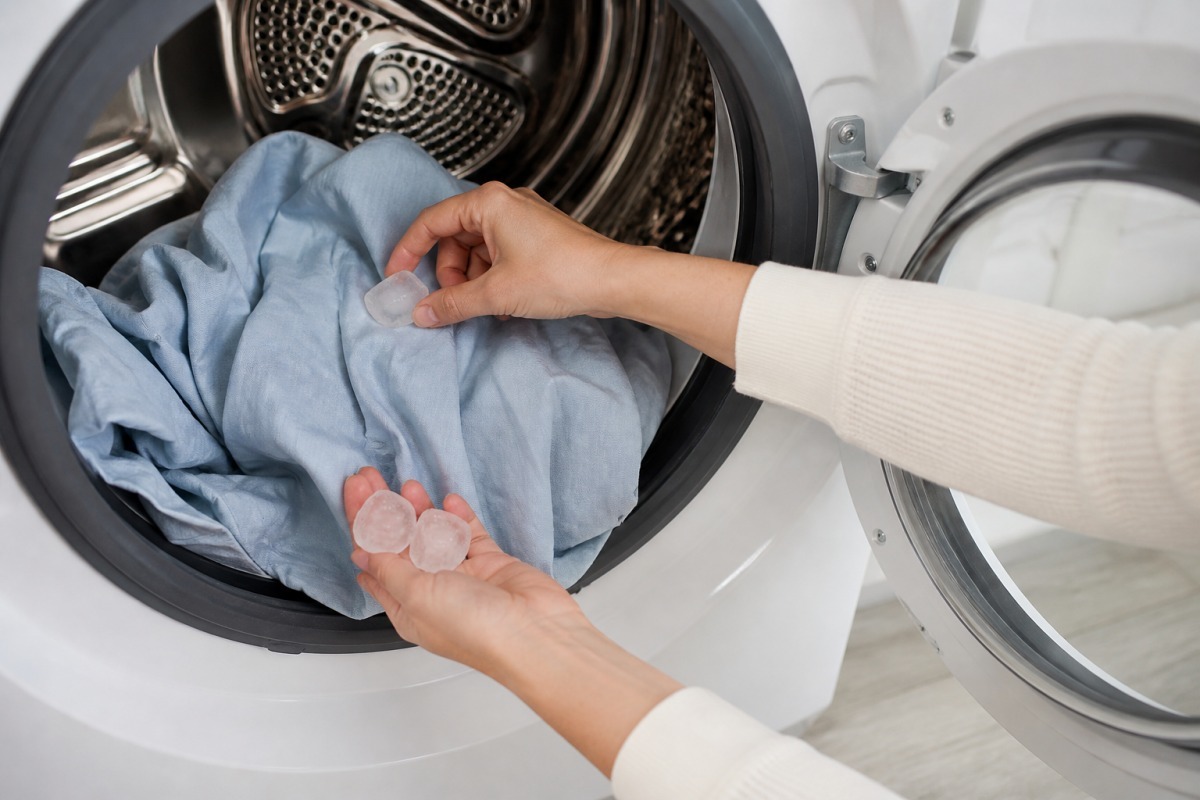
Set the dryer to a warm setting if possible, but check the care label first — high heat can damage some fabrics. Cotton shirts and T‑shirts that are dryer‑safe usually tolerate this method. For heat‑sensitive synthetics, embellished garments, or items prone to shrinking, choose a lower temperature or a different approach.
Keep the cycle short
Run the dryer for about 10–15 minutes. Too short and the ice may not melt or the moisture may not reach the fabric; too long and clothes can dry out again and form new wrinkles. If it’s your first time, try 10 minutes, then add 3–5 minutes if needed.
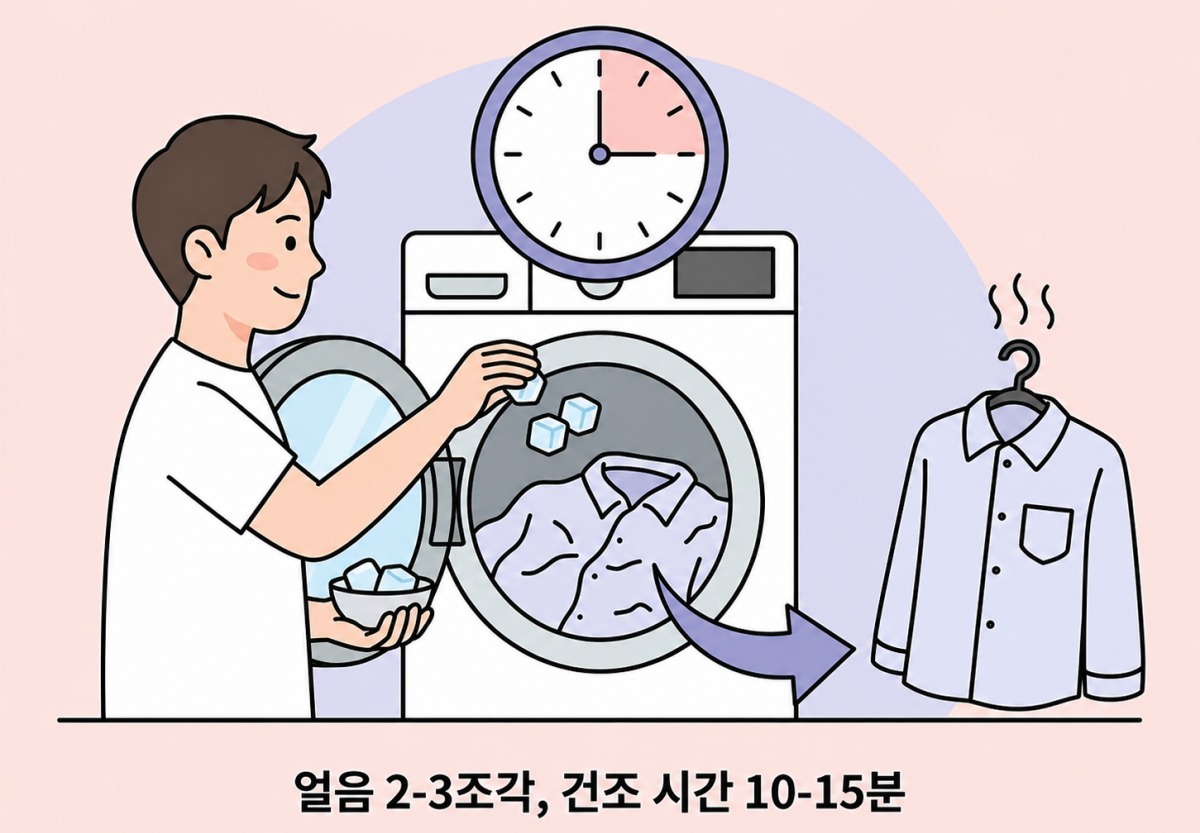
Take the clothes out immediately when the cycle ends. Leaving warm garments in the dryer lets them press against each other and form new wrinkles. Hang items on hangers right away, align the shoulder seams, and smooth wrinkled areas with your palms. Run your hands once over visible spots like the shirt front or sleeve cuffs for a neater look. Use hangers that match the shoulder width to help preserve shape.
Use a damp towel if you don’t have ice
If you don’t have ice, a damp towel can work. Wet a clean towel, wring it until it stops dripping, and put it in the dryer with your clothes. The towel releases moisture inside the drum similar to ice. For loads of three items or more, or for slightly thicker garments like cotton pants, a damp towel can outperform ice.
Don’t over‑saturate the towel — it can make the clothes too wet. Aim for a towel that feels damp but doesn’t drip. Avoid using dark-colored towels with light garments if the towel might bleed. For white shirts or light clothing, use a white towel to be safe.
Spritz only the wrinkled areas
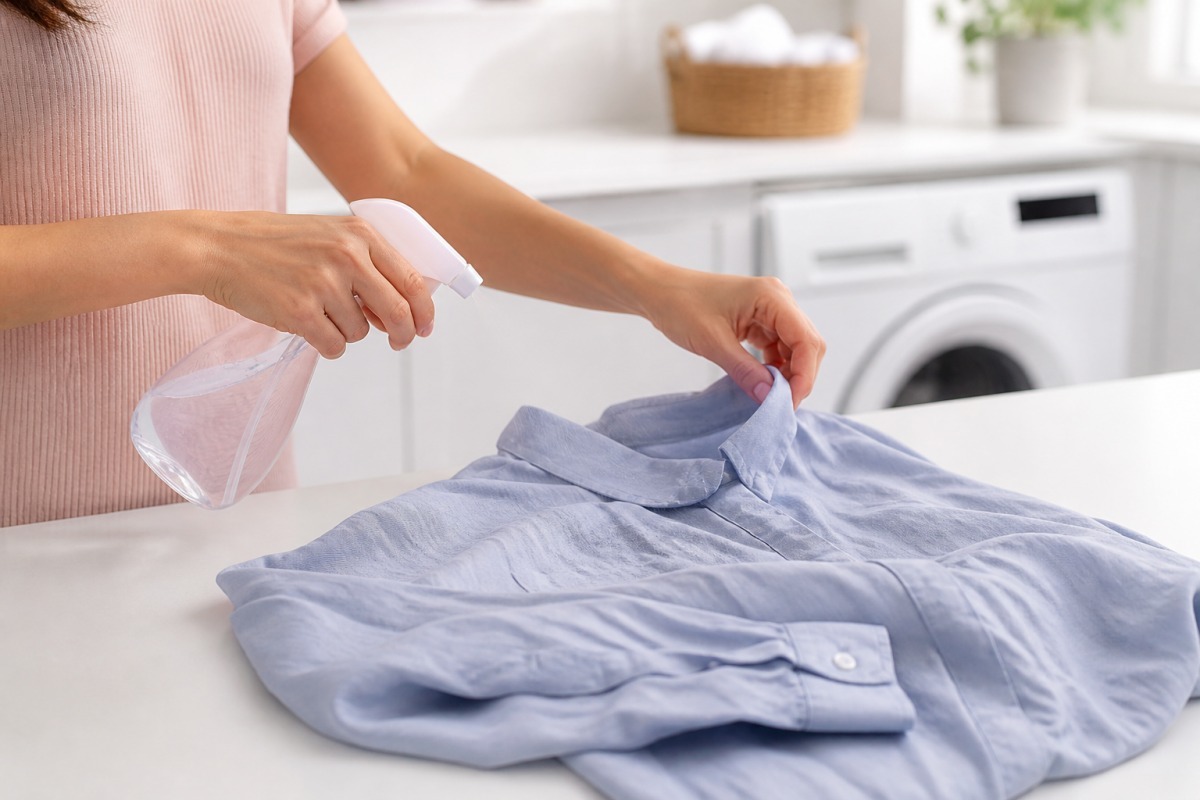
For heavily wrinkled spots, use a spray bottle. Lightly mist areas with strong folds — cuffs, collars, hems, or the backs of knees — before putting the item in the dryer. You only need a surface-level dampness; don’t soak the fabric.
Test the fabric first when using a spray. Materials prone to water spots or delicate weaves are best checked on an inconspicuous area. Silk, wool, and rayon react poorly to heat and moisture; a steam iron or professional cleaning is often safer. Even a simple life hack isn’t right for every garment.
The role of dryer balls and tennis balls
Dryer balls or clean tennis balls help prevent clothes from tangling. As they bounce inside the drum, they create space between garments and lightly tap fabrics. Adding a ball when drying towels or bulky items reduces clumping and improves airflow.
But balls alone won’t iron out wrinkles. They work best combined with the moisture from ice or a damp towel, plus the dryer’s heat and tumbling. They can be noisy, so avoid using them late at night. If you use tennis balls, make sure they’re clean and won’t transfer color.

How to reduce static
Static can make clothes stick together and increase wrinkling. Synthetics especially build up static during drying. Dryer sheets or wool dryer balls can help cut static. Some people crumple aluminum foil into a ball as an alternative, but consider potential effects on your dryer and use caution.
More important than fighting static is avoiding over‑drying. Running garments too long strips them of moisture, making fibers stiff and increasing static. To minimize wrinkles, stop the cycle just before clothes are bone‑dry — when they’re still warm and slightly soft — then hang them up.
Adjust by fabric type
The ice method works well for cotton shirts and T‑shirts. Cotton absorbs moisture, softens, and responds to the dryer’s tumbling. Check labels for shrinkage risk before using high heat on 100% cotton. Garments that have been laundered several times typically pose less shrinkage risk.
Blends with polyester resist wrinkles but may not smooth out stubborn fold marks in one go. Run them at a medium temperature for a short time. Linen naturally wrinkles, but if it’s badly creased you can run it 5–10 minutes with a damp towel and then hang it immediately, smoothing by hand. Running it until fully dry can set wrinkles instead of removing them.
Garments that shouldn’t go in the dryer
This method doesn’t suit every item. Skip it for dry‑clean‑only pieces, items labeled “do not tumble dry,” and heat‑and friction‑sensitive fabrics like silk and wool. Knits can shrink or lose shape in the dryer. Items with beads, prints, glued decorations, or lace can suffer heat damage, so use caution.
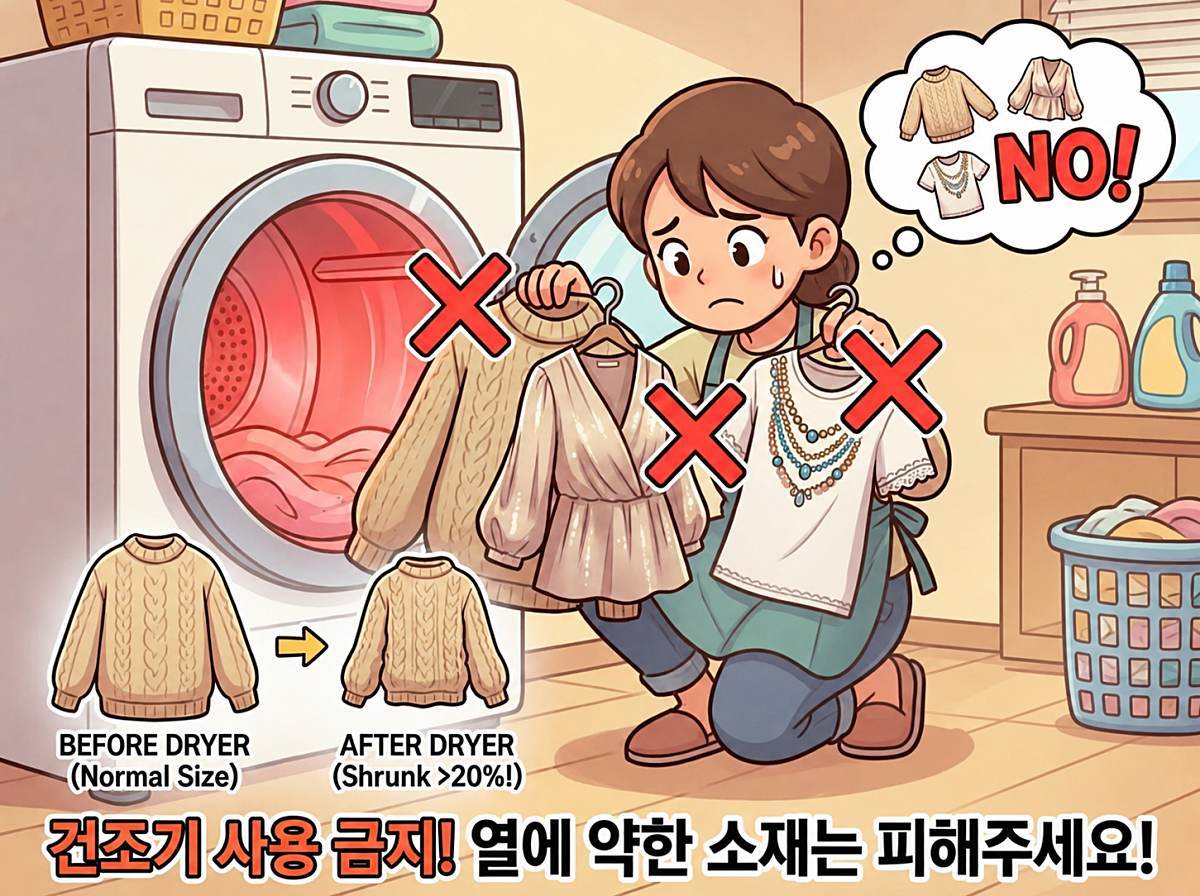
Be extra careful with new or expensive clothing. Even if the label says tumble‑dry safe, test on low heat and a short cycle first. Shrinkage or texture changes are often irreversible. When you’re in a rush, confirm the method suits the fabric before trying it.
Keep your dryer well maintained
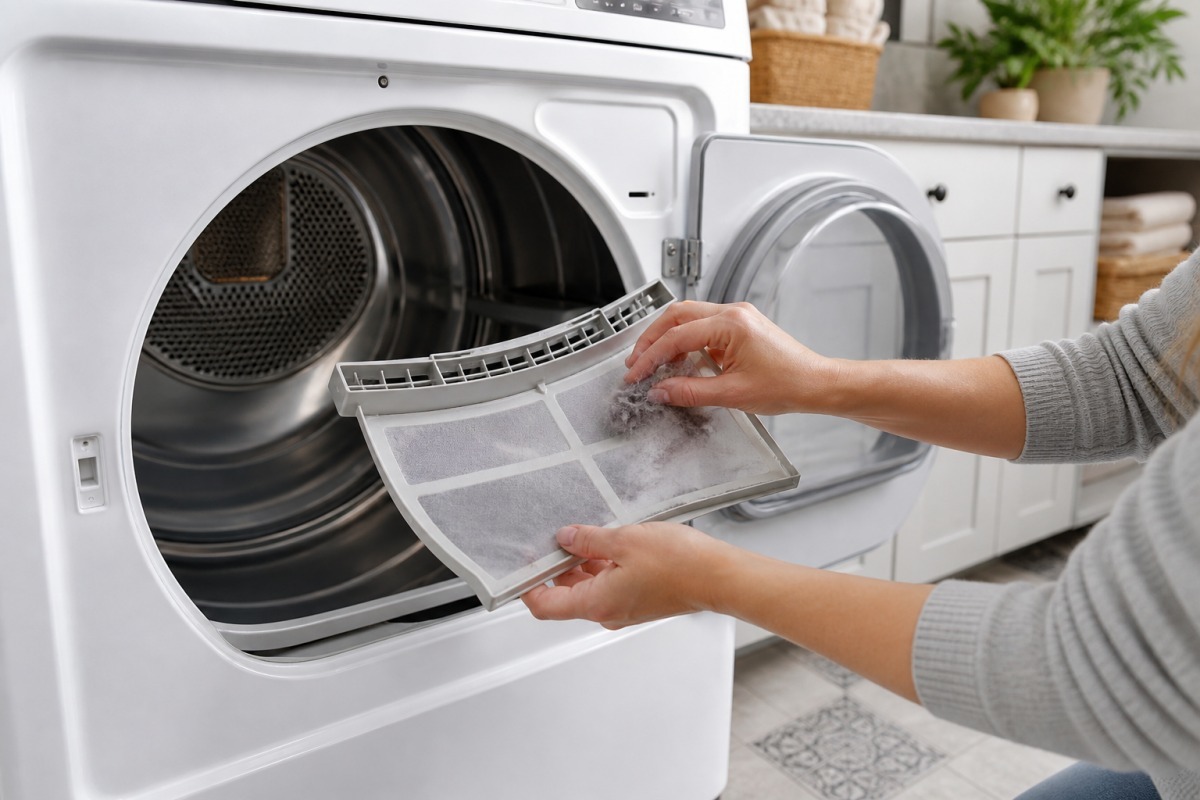
Good air circulation in the dryer improves the ice or damp‑towel trick. If the lint filter clogs, heat and airflow won’t distribute evenly and clothes won’t tumble properly. Empty the filter before each use and check the drum for lint or debris. Cleaning the filter helps both wrinkle control and drying efficiency and reduces fire risk.
If the dryer smells, garments can pick up odors. Because this method intentionally adds moisture to the drum, keep it clean. Letting wet laundry sit before drying can also cause smells. If you plan to use the dryer for wrinkle control, pay attention to interior cleanliness and ventilation.
Quick wrinkle fixes before you leave
The two- or three-ice-cube method is handy for busy mornings. When you don’t have time to set up an ironing board, it quickly tidies light wrinkles on shirts or T‑shirts. Use a small load, add a few ice cubes, and hang garments right away when the cycle finishes. Those three steps cut the chance of a poor outcome.
Remember, this isn’t a full substitute for ironing. For sharp creases in slacks, stiff shirt cuffs, or deep folds, an iron is better. Treat the dryer-and-ice trick as a practical life hack for quick touch-ups. Check fabric labels and use the method briefly and appropriately to make your outfit look noticeably neater before you head out.