|
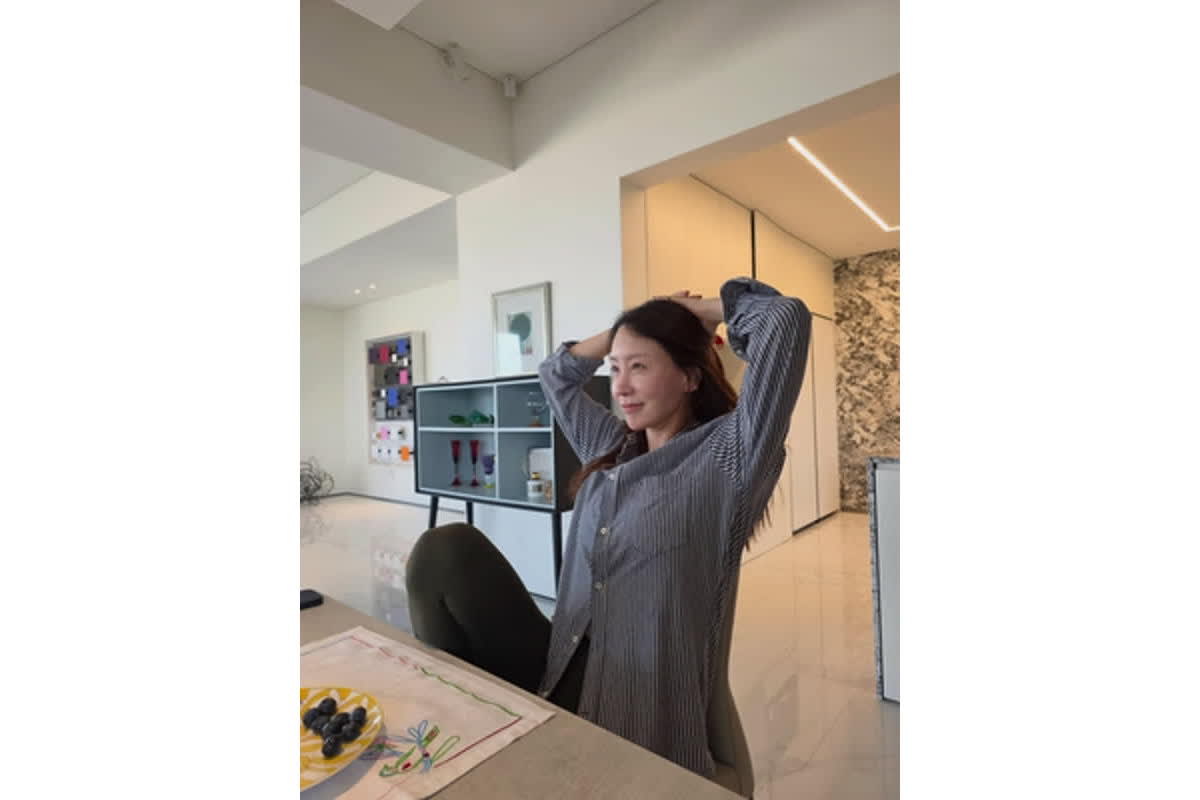
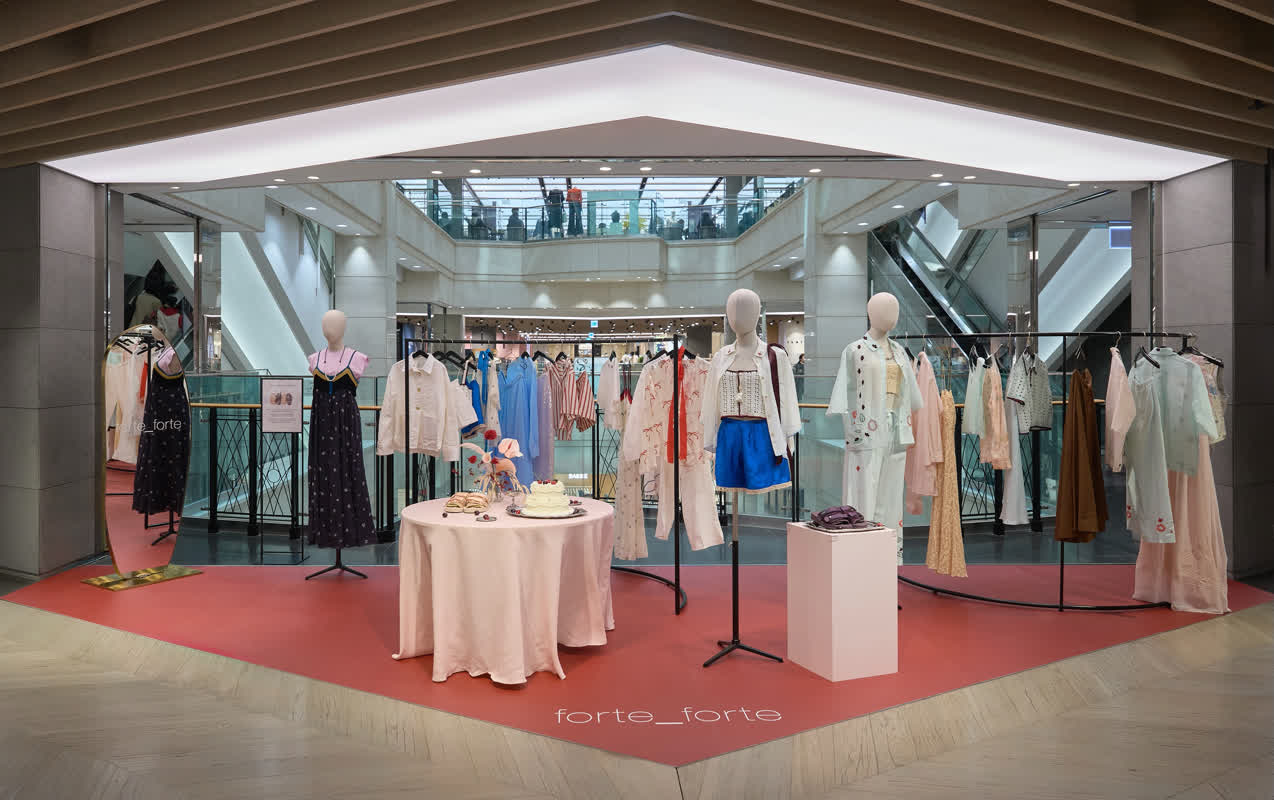
This moment says a lot about Jo’s obsession with detail. Fashion insiders told reporters on the 23rd that Jo, known for his reserved manner, lifts the company’s quality not with grand gestures but with the precise, refined instincts of a fashion student. That meticulous touch shows up wherever he’s involved — from brick-and-mortar store design to the way products are merchandised.
◇ From a sneaker-obsessed teen to K-fashion’s detail-driven disruptor
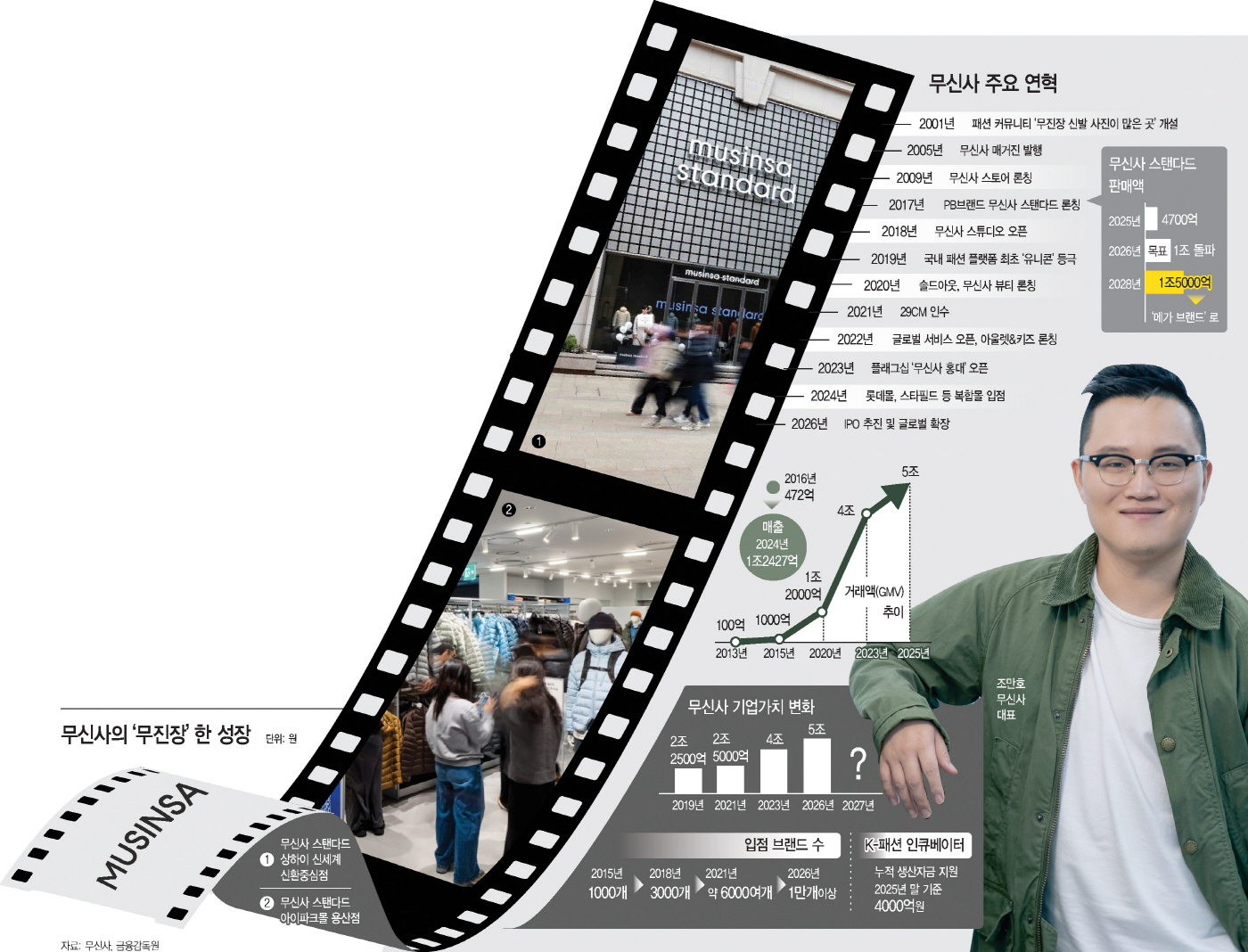
Musinsa started as the pure hobby of a high school student. In 2001, when Jo was a senior, he created a Freechal community called “a place with tons of shoe photos (Musinsa).” What began as a hub for sneakerheads sharing tips on Nike and Adidas evolved: the site launched its own homepage in 2003 and debuted Musinsa Magazine in 2005, growing into a full-fledged fashion-content platform.
Jo personally roamed Seoul’s style hotspots — Sinchon, Ewha, Garosu-gil — with a digital camera, capturing street fashion as it happened. He watched emerging designers with talent fade away because they lacked funding and marketing to break into established retail channels like department stores.
That awareness led to the 2009 launch of the Musinsa Store. At a time when online fashion still faced skepticism, Musinsa positioned itself as a trustworthy place to buy authentic goods and formally added e-commerce. The marketplace expanded rapidly: from about 1,000 brands in 2015 to roughly 10,000 today. Industry observers say Musinsa helped move Korea’s fashion distribution center online and became the first unicorn in the fashion-platform space.
◇ The sneakers he sold to pay server bills grew into a 400 billion KRW (about $300 million) seed fund for shared growth
Musinsa’s early years were marked by tight budgets and operational strain. With no steady revenue, Jo sold a cherished pair of sneakers secondhand to cover mounting server costs and keep the site alive. The story resurfaced in 2020 when the buyer posted proof online; Musinsa later reissued the same model and gifted it back, creating a viral moment and cementing Jo’s warm, approachable image as “Man-ho hyung.”
Having been through those struggles himself, Jo didn’t turn a blind eye to the challenges faced by brands on his platform. The interest-free production loan program launched in 2015 is a clear example. Understanding that fashion brands need sizable upfront capital before sales begin, Musinsa began offering no-interest loans — a policy Jo proposed after hearing new designers describe even considering private, high-interest loans. By the end of 2025, cumulative support topped 400 billion KRW (about $300 million), providing crucial seed funding for K-fashion names like Thisisneverthat, Koor, and Andersson Bell.
Since 2022, Jo has also run the Musinsa Next Fashion Scholarship, which has supported more than 100 fashion scholars so far and invests in training aspiring designers. The initiative aims to nurture young talent passionate about fashion and to energize the industry by discovering fresh voices. An industry insider noted, “What began as a college student’s passion project 20 years ago has grown into Musinsa, which now actively plants seeds through social contribution programs to help build the foundation for Korea’s fashion industry.”