More efficient than 10,000 steps: Four at-home exercises that burn calories
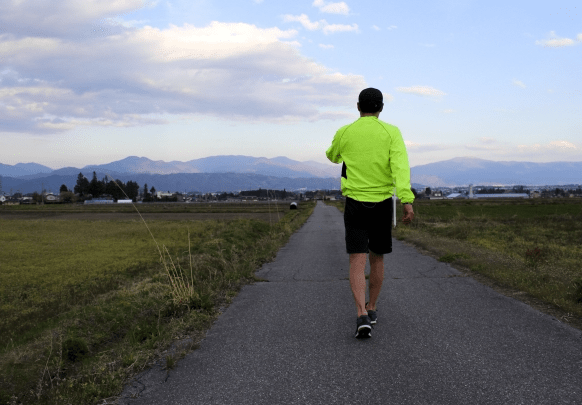
When people start exercising, walking is often the first thing they think of. The daily 10,000-step goal has become a de facto baseline. But measured by time, short home workouts that combine strength and core work can burn more calories. Bird-dogs, crunches, planks and lunges are compact, full-body moves that require little space and deliver big results.
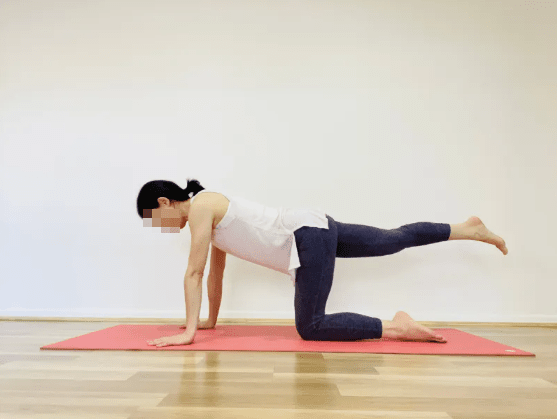
Bird-dog bolsters core stability and balance
The bird-dog requires lifting opposite arms and legs while holding a steady torso. It looks simple, but the core muscles that center the body remain active throughout the movement. The exercise effectively engages the abs and back together without placing excess strain on the lower back.
“Isn’t this move too easy?”
The pattern is straightforward, but precise form matters. Your deep stabilizers keep working as you maintain a steady center to prevent the lower back from wobbling. Ten to 15 repetitions per side for about three sets provides ample stimulus.
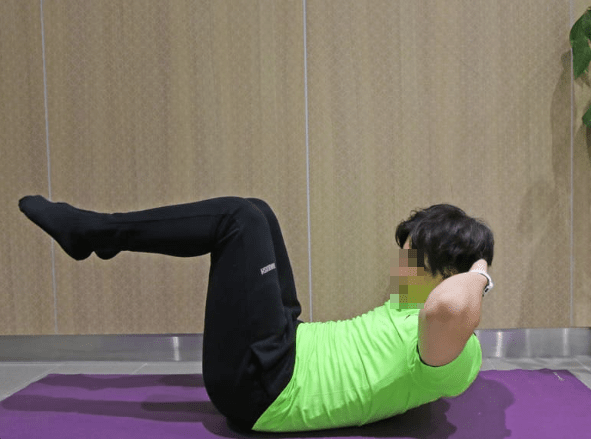
Crunches target the abs and support fat loss
Crunches are a classic exercise that contracts the abdominal muscles. They place less stress on the lower back than full sit-ups while delivering focused work to the abs. Because you can rack up repetitions quickly, crunches are efficient for calorie burn in short sessions.
“Don’t ab workouts take forever to show results?”
Fat loss happens systemically, but crunches increase abdominal tension and improve overall workout efficiency. Aim for 15–20 reps for 3–4 sets, emphasizing slow, controlled repetitions rather than speed.
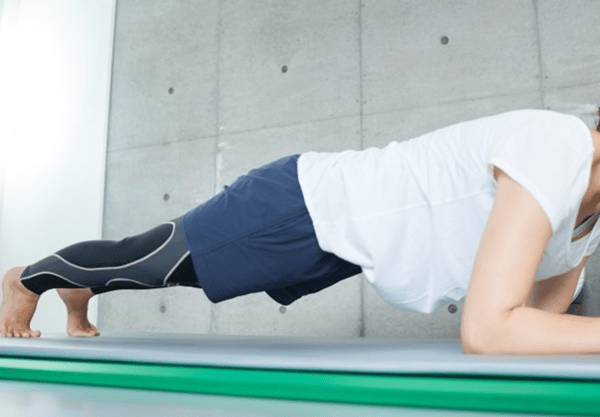
Planks are an isometric move that taxes the whole body
Planks involve little visible movement but keep many muscles under sustained tension. They’re particularly effective at strengthening the core that links the abs, shoulders and lower back, and they can produce significant energy expenditure in a short time.
“Can holding still really burn many calories?”
The key is maintaining muscle engagement in that static position. Energy is consumed continuously as you hold steady and prevent shaking. Start at 30 seconds and build to one minute, repeating for 3–5 sets.
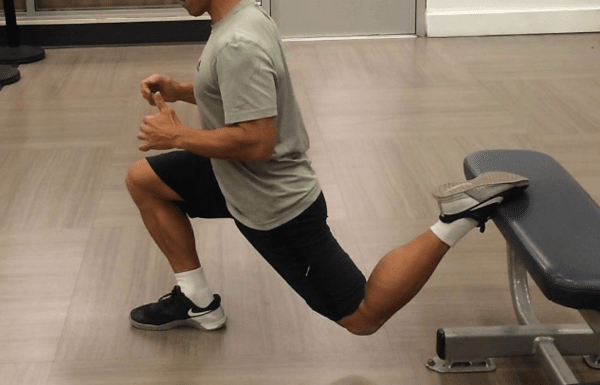
Lunges recruit the large muscles of the lower body, so they burn more
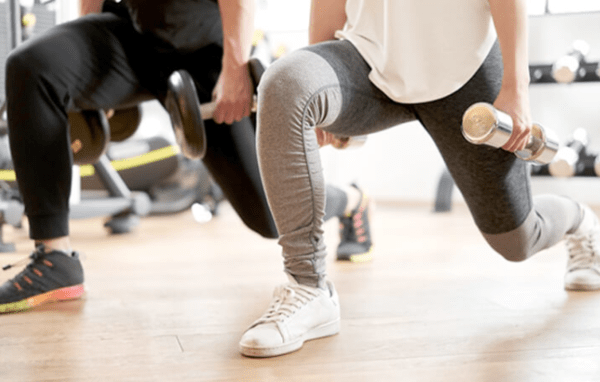
Lunges work the legs and glutes simultaneously. Because the lower body contains the body’s largest muscle groups, the harder you challenge them, the greater the calorie burn. Balancing through the movement also engages your core.
“Lower-body work is so tough I can’t stick with it.”
That difficulty usually means higher energy expenditure. Ten to 15 reps per leg for about three sets delivers a strong stimulus. As you adapt, hold dumbbells or even filled water bottles to increase intensity.
Effectiveness depends on combination and duration
Each of these exercises plays a distinct role, but put together they form a full-body routine. Balancing core, abdominal and lower-body work lets you achieve high efficiency even in short sessions.
“How much should I do each day to see results?”
Build a complete routine around 20–30 minutes. Cycle through the moves for 3–4 sets and you can match or exceed the energy burn of a 10,000-step walk. The key is consistent practice, not one prolonged workout.
The bottom line: short, intense and consistent
Walking is useful for maintaining base fitness, but if your goal is fat loss and strength gains together, these compound home exercises are generally more efficient. They fit easily into daily life because they require little space or time.
“Do at-home workouts really work as well?”
If you keep up intensity and repetitions, location matters less. Being able to exercise consistently at home often makes the biggest difference. Even brief sessions done with correct form and steady repetition can change results.