How to Clean and Maintain Your Sneakers: Essential Tips for Longevity and Comfort

Wikitree. | 2026.04.20

Translation result

Anyone who splurged on a new pair of shoes knows the sting of watching them get grimy or the soles wear down in just a few months.
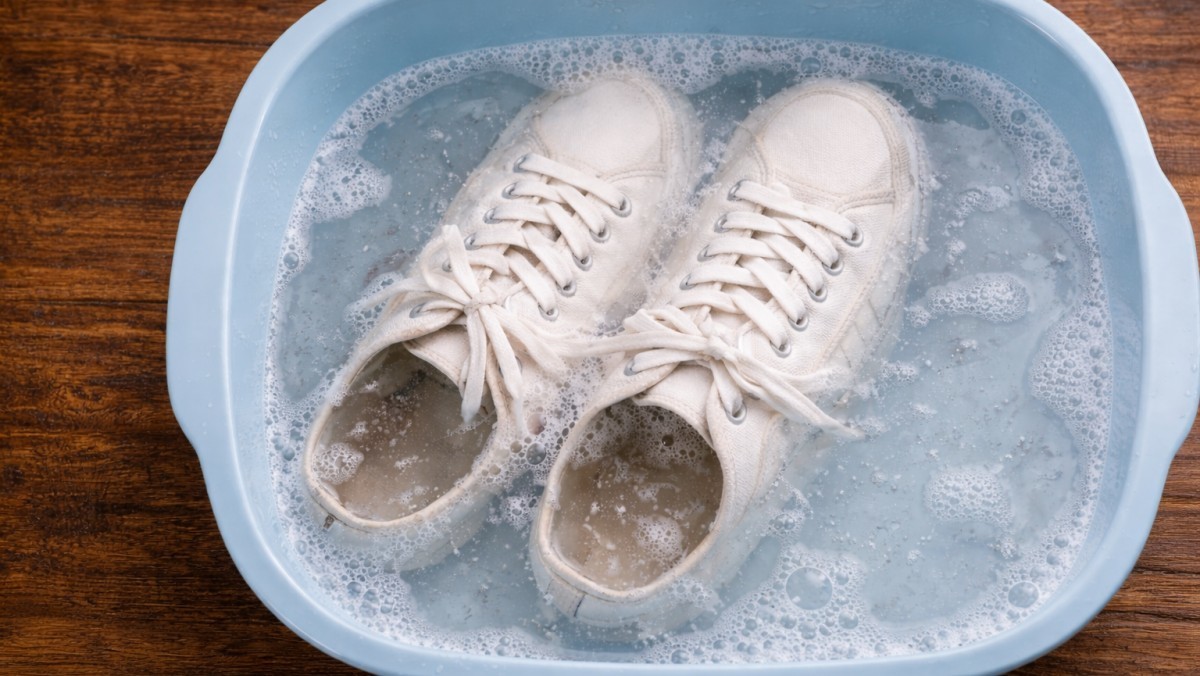
Cleaning shoes / AI-generated image based on the article
With a little attention and the right care, though, the sneakers in your closet can easily last twice—or even three times—as long.

Maintaining your shoes is more than a way to save money. It’s a practical habit that protects the environment and preserves foot health.

Cutting down on discarded shoes and keeping your sneakers’ cushioning springy and comfortable can raise your everyday quality of life. Starting today, consider giving the shoes that carry you a bit more rest and care.

A YouTube channel called 'Real Tips' recommends slipping an unused sock over the insole. Remove the insole, tuck it into the sock, then put it back into the shoe to prevent the insole from shifting. This improves fit by increasing the contact between foot and shoe, and it helps stop the heel from folding or the inner lining from wearing when you slip shoes on and off—preserving the shoe’s shape for longer.
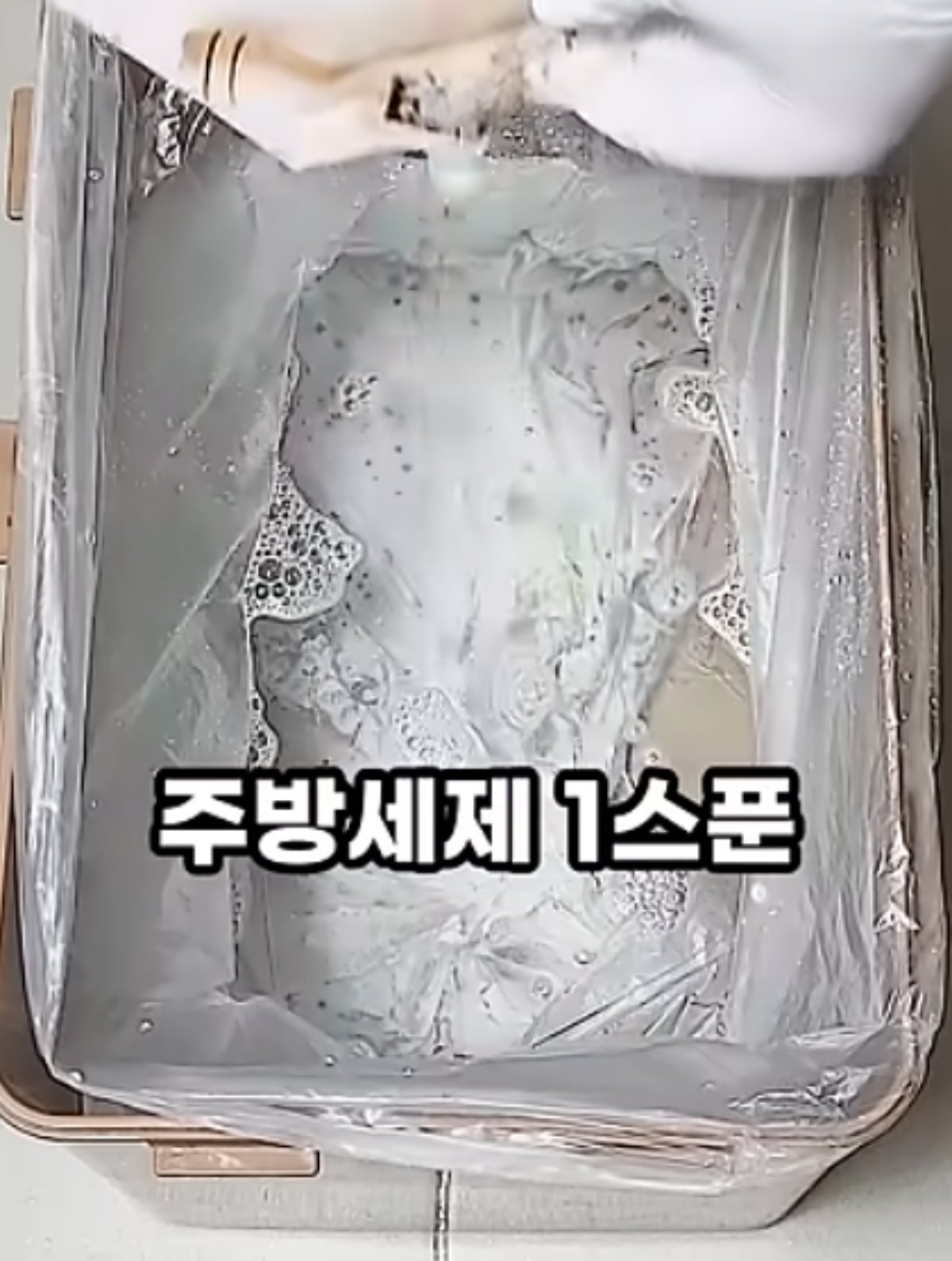
Cleaning sneakers / YouTube channel 'Real Tips'
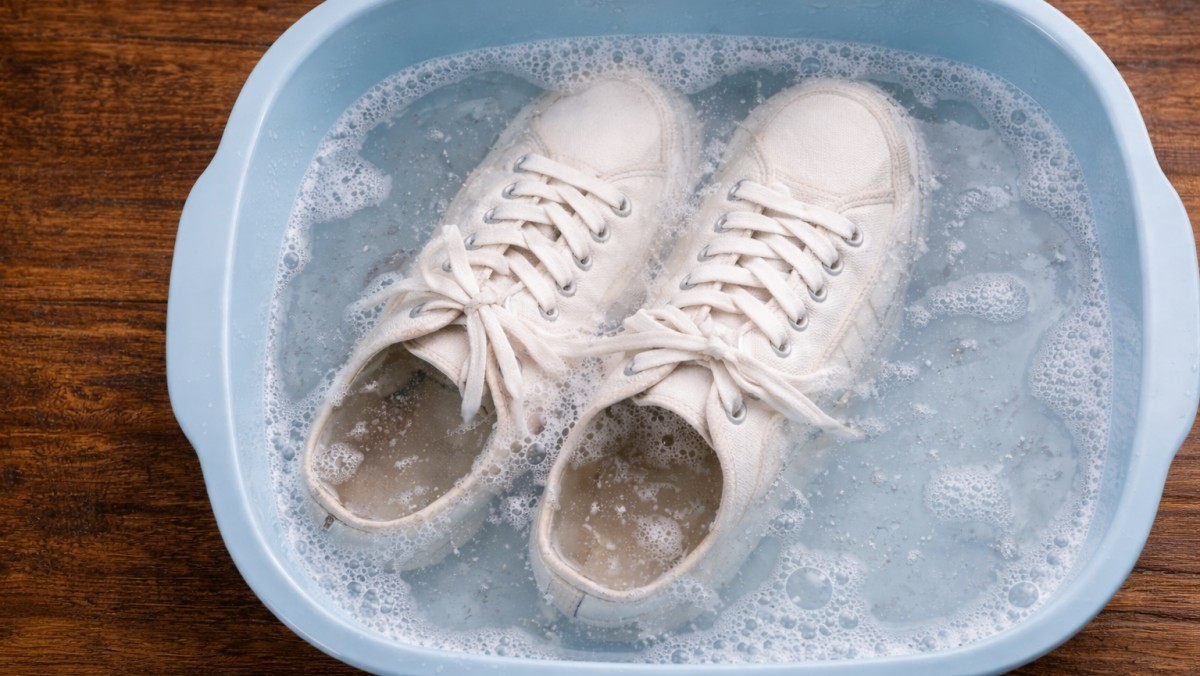
Here’s a reliable method for washing sneakers. How you clean them has a major impact on their lifespan, so it’s worth learning this approach. Fill a container with water, add 2 tablespoons of sodium percarbonate and 1 tablespoon of dish soap, then fully submerge the sneakers and enclose them in a sealed plastic bag. Sodium percarbonate offers strong bleaching and disinfectant effects, while the dish soap helps lift grease and grime from the shoe surface.

After soaking the shoes in the solution, place them inside a plastic bag and seal the opening tightly. Trapping the warm, humid air helps the cleaner penetrate deep into the fibers. Let them sit for about 20 minutes, then remove the shoes and gently scrub with a soft brush—the dirt should come off with minimal effort.

Rinse briefly with water, then do one more rinse in water mixed with 1 tablespoon of citric acid to remove odors. The citric acid neutralizes any alkaline detergent residue, which prevents yellowing during drying and eliminates musty smells at their source.
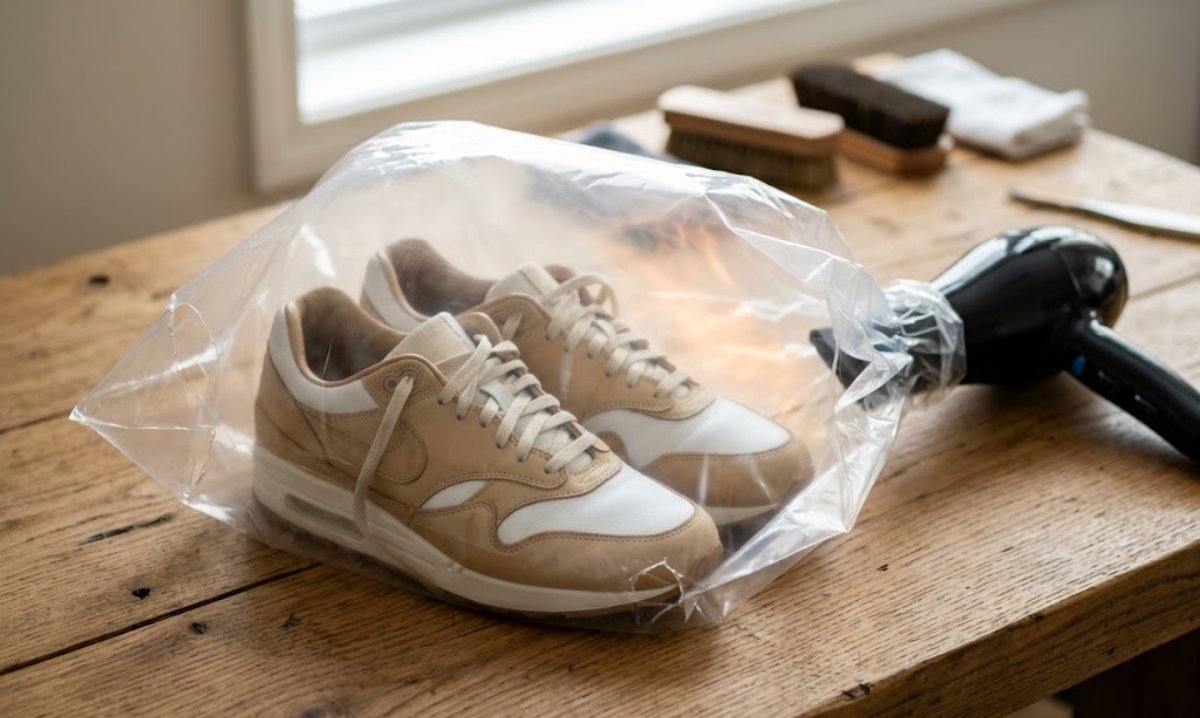
Drying sneakers / AI-generated image based on the article
Drying is as important as cleaning. If shoes stay wet too long, bacteria can multiply and adhesives can weaken, which may cause the sole to separate.

Snip small air holes at both ends of the plastic bag with scissors, place the shoes inside, and hold a hair dryer at the bag’s opening. The heated air will circulate through the holes and dry the interior more quickly. Avoid pressing the dryer directly against the shoe; instead, focus on gently warming the air inside the bag.

Other ways to care for sneakers?
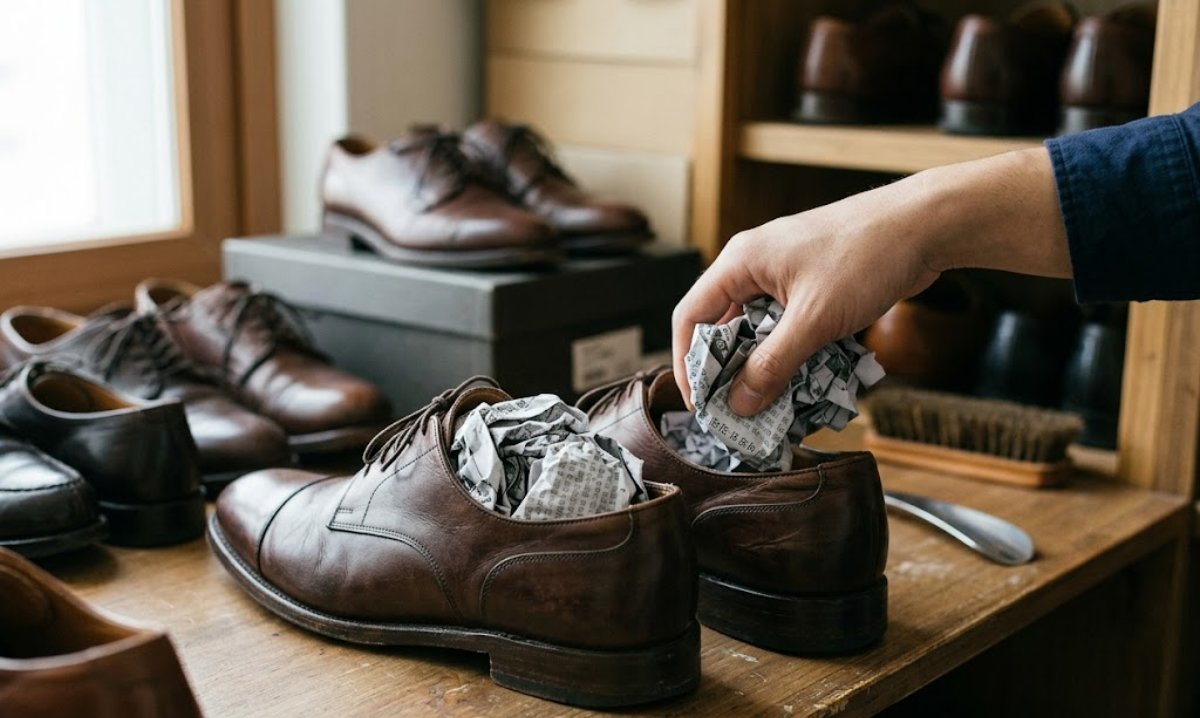
Newspaper stuffed into a sneaker / AI-generated image based on the article
The simplest trick is to use old newspapers. Even without an expensive shoe tree, stuffing crumpled newspaper into shoes when they’re not being worn works wonders. Newspaper absorbs interior moisture, prevents odors, and helps maintain the shoe’s overall shape. The ink can even provide mild insect-repellent and antibacterial effects.

Also, avoid wearing the same pair every day—rotate them in a zigzag pattern. Daily wear doesn’t give shoes enough time to dry, which accelerates midsole cushioning loss. Rotating at least two to three pairs gives each pair time to dry and allows compressed cushioning to recover, significantly improving durability.
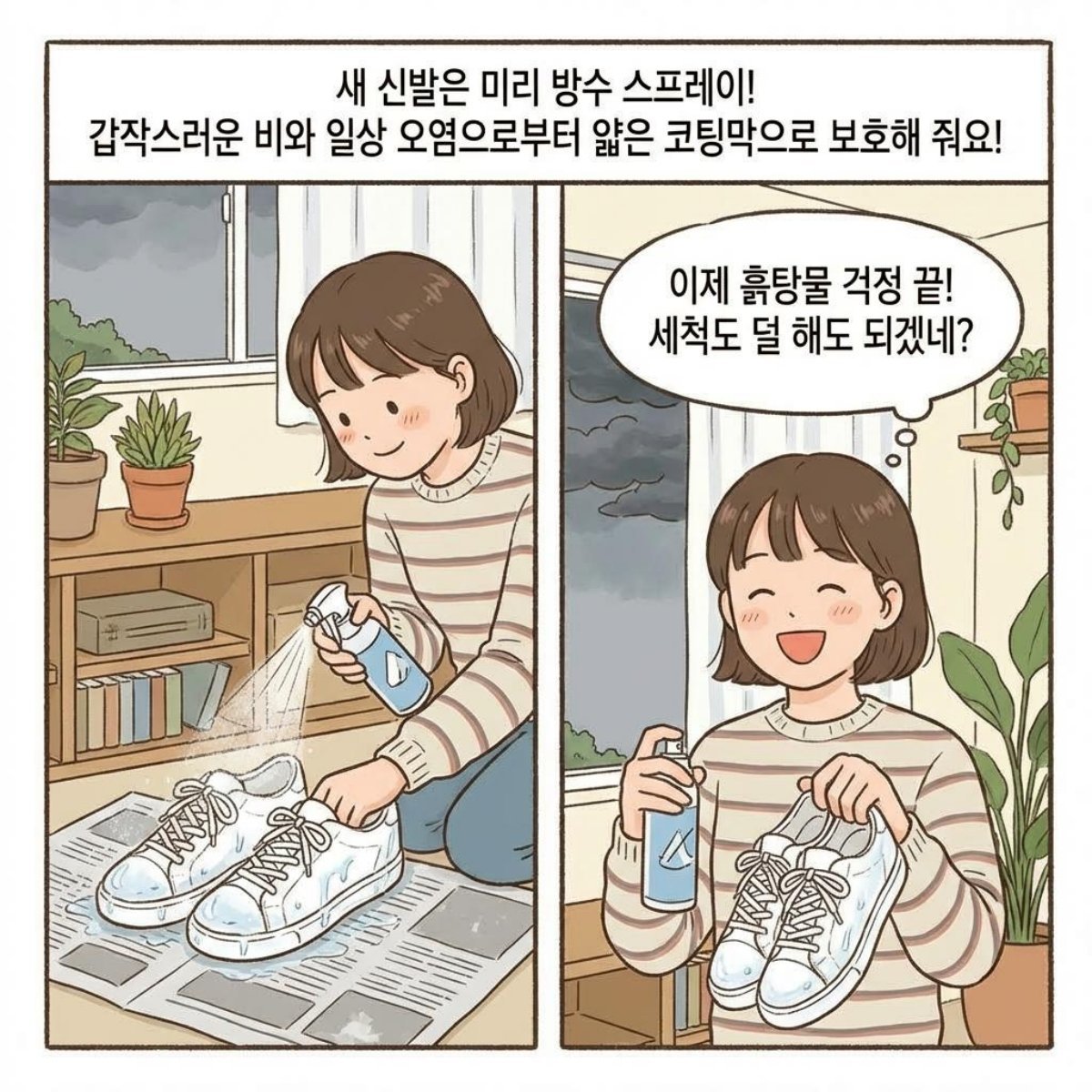
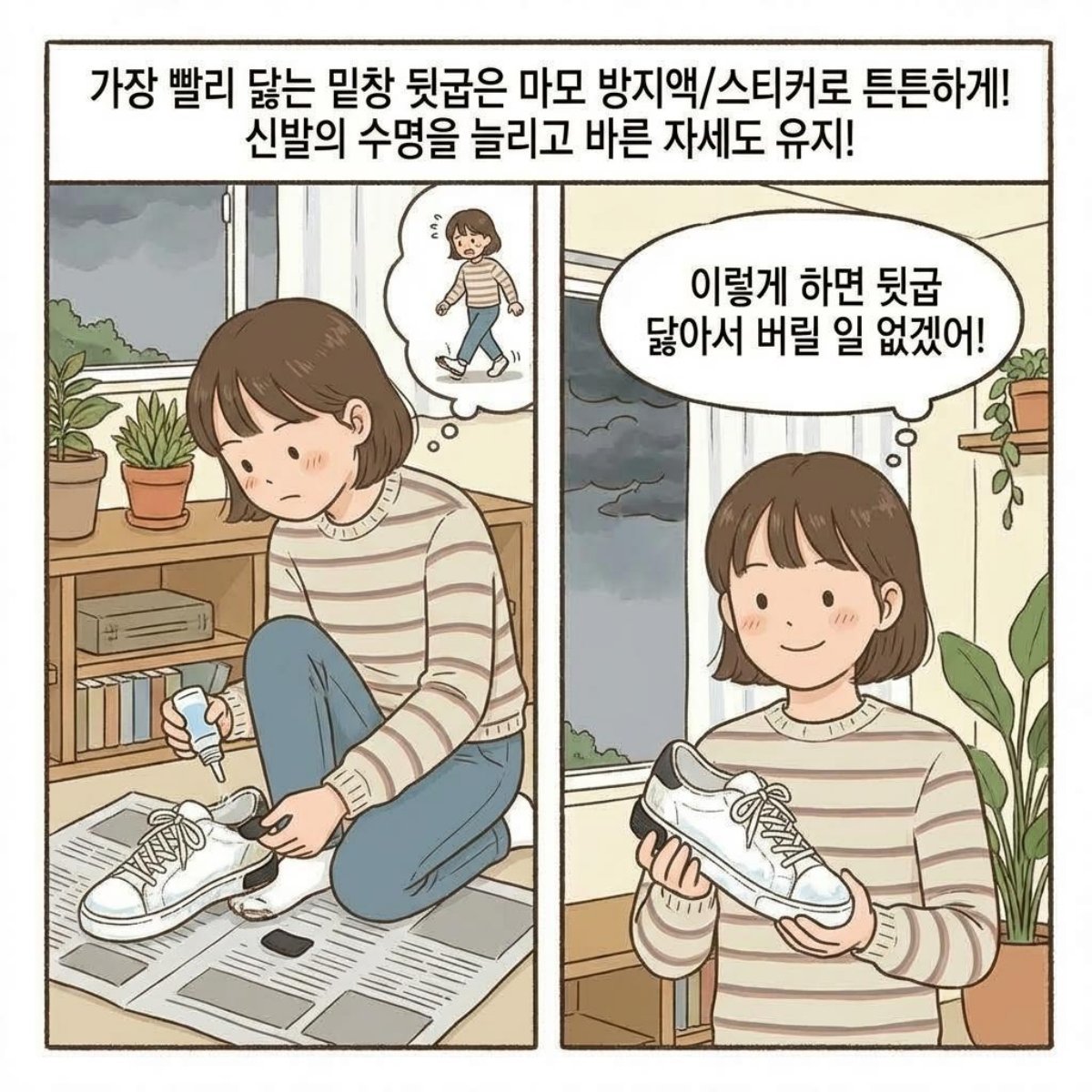
[Cartoon] One-panel comic based on the article / Wikitree
Creating a protective barrier is also important. When you buy new shoes or after they’ve fully dried from cleaning, spray them with a waterproofing product to form a thin coating. That layer helps keep shoes from soaking in sudden rain and prevents everyday dirt and food from embedding into the fibers. As a result, you can stretch out cleaning intervals and reduce damage from frequent washing.
[Cartoon] One-panel comic based on the article / Wikitree
Finally, protect the heel area of the outsole—the part that wears fastest. Even if the rest of the shoe looks clean, a worn heel creates imbalance and can force you to discard the shoes. Applying a wear-resistant coating before use or attaching wear-prevention stickers will help preserve the sole’s original thickness.