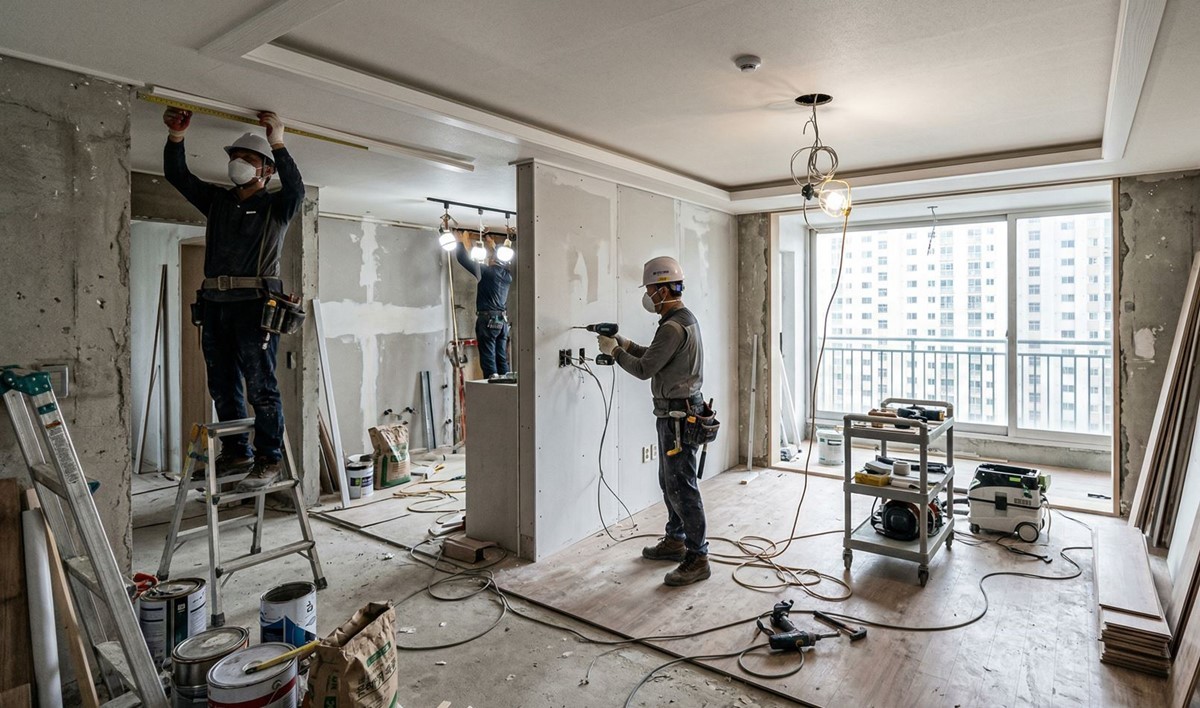
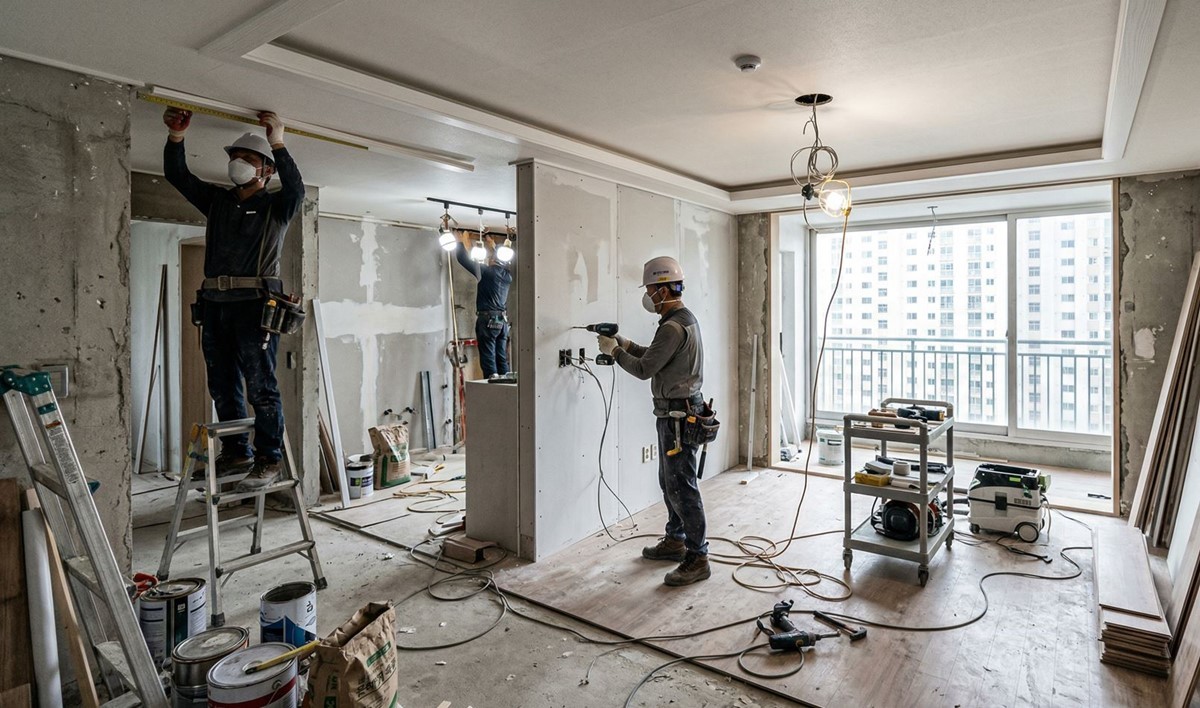
One of the most persistent regrets after completing an apartment renovation often starts with the flooring. You can swap lighting, wallpaper or furniture later, but once flooring is installed, changing it is difficult.
Flooring is the surface you look at and touch most. It helps define a home’s overall mood. Still, many people choose it based on color or a first impression. Later, common complaints emerge: it feels colder than expected, maintenance is a headache, it doesn't feel safe for children, or everyday noise seems amplified. Flooring is more than a finish—it's a decision that shapes daily life.
Be deliberate when choosing apartment flooring
Flooring so often leads to regret because replacing it is more disruptive than most other renovations. Wallpaper can be redone while you move furniture; curtains and fixtures can be swapped easily. Flooring requires removing the old surface, and depending on the condition, sanding or repairs. The work generates a lot of dust and noise.
You usually have to clear out the space completely, and if you already live there the renovation can upend daily life. That’s why a poor flooring choice is seldom easy to correct. What seems like a minor annoyance at first can grow into a daily source of frustration in a space you walk on every day.
The common mistake is choosing flooring mainly on how it looks. Design matters—it shapes first impressions and the sense of a finished room.
But flooring isn’t just visual. Consider how it feels under bare feet, how quickly it warms up, how it handles moisture and scratches, marks left by moving furniture, and whether it’s safe for children and pets. A floor that photographs as luxurious can disappoint if it doesn’t suit your lifestyle.
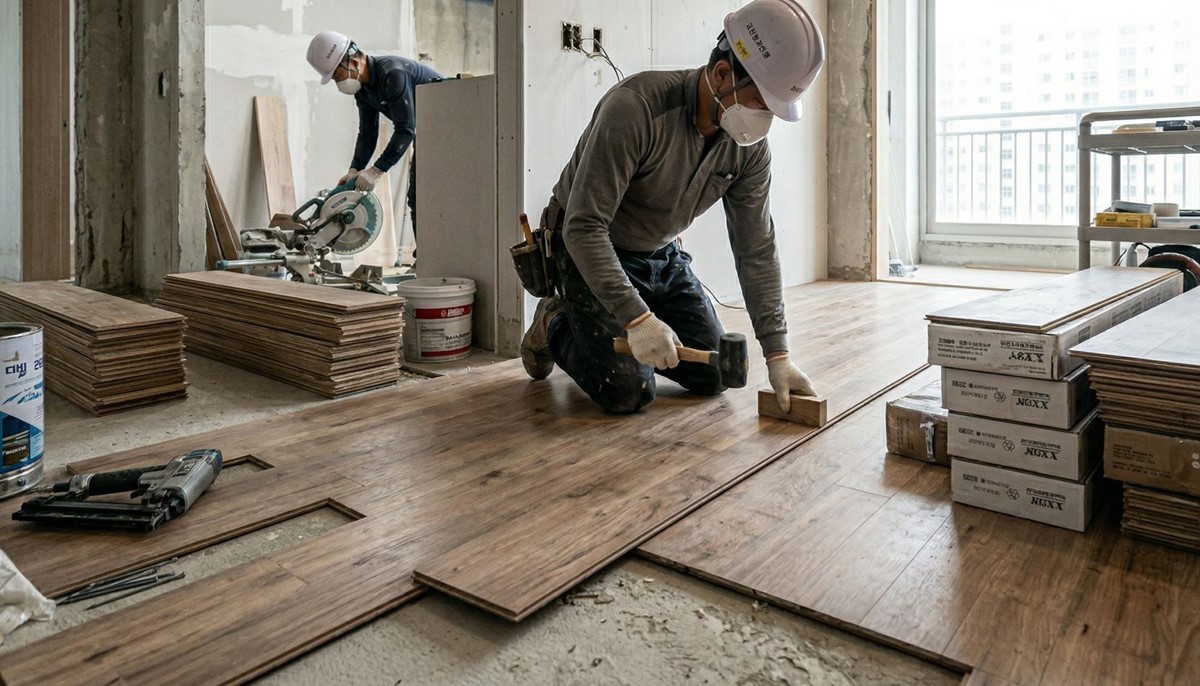
For example, hardwood floors are a broadly popular, reliable choice, but their character varies by type. Solid wood offers clear advantages in feel and atmosphere: it adds natural warmth, a sense of quality, and is pleasant underfoot. Those benefits come with upkeep, though. Solid wood is sensitive to water and humidity and shows everyday scratches, so it requires more care over time.
Engineered wood or laminate-style planks are more practical for many households. They capture some of the wood look while improving durability and typically cost less. That makes them a common choice, but they’re not a one-size-fits-all solution. For some homeowners they are the right compromise; for others they feel like an unsatisfying middle ground.
Which is best: solid wood, engineered, tile or vinyl?
Tile is another option that can lead to regret. At first glance it looks sophisticated and complete. It can make large rooms feel clean and resists scratches and dents, keeping a “new” appearance longer. It also warms quickly with radiant heat and feels cool in summer.
But in daily life tile behaves differently. Because it’s hard, it doesn’t absorb impact, which can pose risks in homes with children or older adults. Wet tile can be slippery, and its cold surface bothers people who are sensitive to temperature. Factor in grout maintenance, higher installation costs, and the greater expense for large-format tiles—choosing tile for its upscale look alone can bring trade-offs.
Vinyl flooring is often dismissed as cheap, and that can lead to regret. Some still think of it as a low-end option, but it offers clear strengths in ease of care and practical living. It’s easy to clean, and thicker products improve how it feels underfoot and help dampen noise. Homes that mop regularly or prioritize functionality often rate vinyl highly.
Still, vinyl has limits: lower durability and vulnerability to dents, marks from heavy furniture, and scratches. Even as designs improve, it’s hard for vinyl to match the depth and presence of wood or tile. So while initial savings and low maintenance may please you, the look can feel lacking over time. Vinyl isn’t a flawless, maintenance-free choice either.
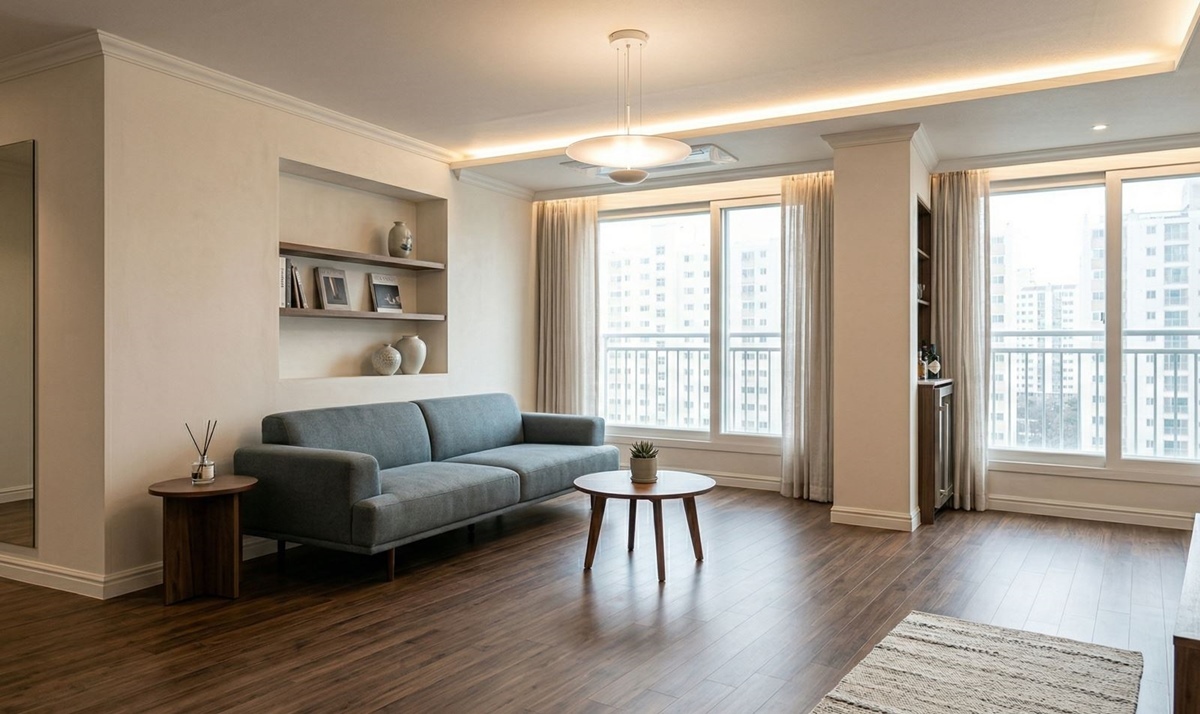
No single flooring material is universally superior or guaranteed to prevent regret. The real problem isn’t that people fail to choose a “good” floor—it’s that they don’t choose the floor that fits their home.
Your choice should reflect how you live. Do you wear slippers indoors? Do you spend time sitting on the floor? Do you have children or pets? Is heating efficiency important? How often do you clean? If you ignore those realities and chase style or trends, you’re more likely to end up with inconvenience rather than satisfaction when the work is done.
Once you pick the wrong flooring, it's hard to change
Ultimately, flooring is the biggest source of regret in apartment renovations for a simple reason: it covers the largest area, you interact with it most often, and once installed it’s difficult to replace. Start the decision by asking, What kind of life will this home support? rather than Which floor looks best? An attractive floor isn’t always a comfortable one. Flooring makes clear that true satisfaction in interior design comes not from how a room photographs but from how well it supports everyday life.