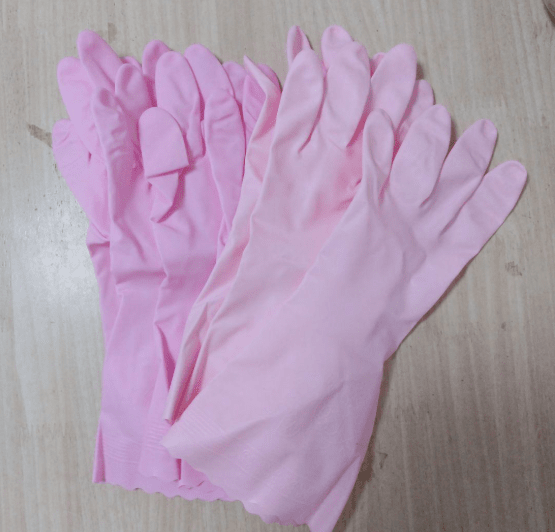
Why smelly rubber gloves can be cleaned with one simple ingredient: vinegar
Rubber gloves used for dishes or cleaning often provide an unexpectedly hospitable environment for bacteria. Trapped moisture and the warmth from your hands encourage mold and odor to develop. Even when the outside appears fine, the interior is frequently already contaminated.
The inside of gloves traps both moisture and heat
When you wear gloves, sweat from your hands remains inside. Combined with body heat, that creates an ideal environment for bacteria to multiply.
Isn’t it okay if I only wear them briefly?
Even short, repeated use lets moisture accumulate. If gloves don’t dry properly, those conditions persist.
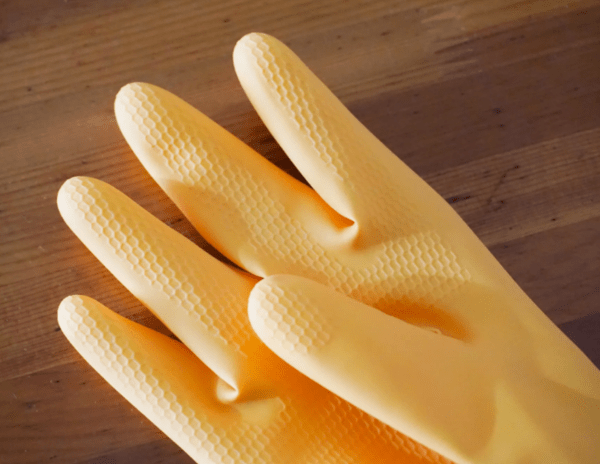
If you don’t turn them inside out, contamination keeps accumulating
Washing and drying only the exterior leaves internal contamination untouched. You should pay special attention to the inner surface that contacts your skin.
Is a clean exterior enough?
The part that touches your skin is the interior. Proper care of the inside matters more.
Vinegar suppresses bacterial growth with its acidity
The acidity in vinegar helps limit the growth of bacteria and mold. You don’t need a harsh detergent to keep gloves sanitary.
Doesn’t it just mask the smell?
Vinegar does more than deodorize: it reduces the conditions that allow microbes to thrive.
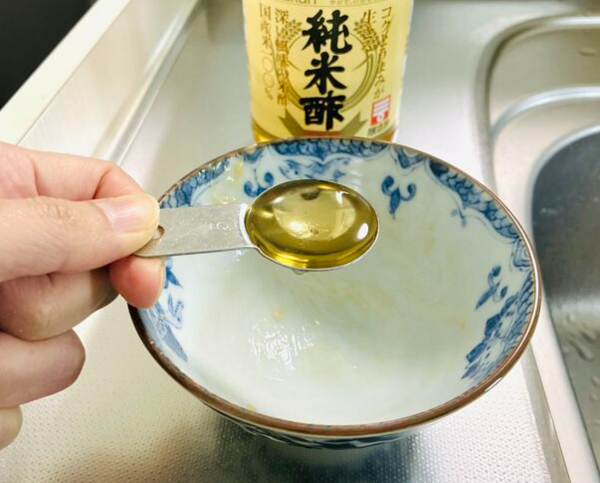
A 4:1 water-to-vinegar ratio is effective without causing irritation
Too much vinegar can damage glove material. Diluting it to the proper ratio is important.
Is the ratio really that important?
If the solution is too strong, the smell can be overpowering and the material may degrade. A moderate concentration is key.
Soak for about 20 minutes to let the solution penetrate
Rather than a quick dip, give the vinegar time to work its way inside the glove.
Would soaking longer be better?
There’s no need to soak excessively. About 20 minutes is sufficient.
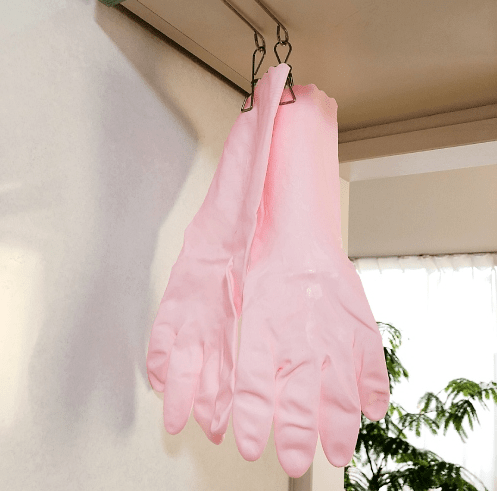
Thorough drying after cleaning is most important
If moisture remains after a vinegar treatment, the same problems will return. Always turn gloves inside out and dry them completely.
Is air-drying enough?
Air-drying works if you choose a well-ventilated spot. The crucial point is that the interior must dry completely.
Regular care keeps the results consistent
One treatment helps, but routine maintenance is necessary to continually suppress bacterial growth.
How often should you do this?
Doing it about once a week makes a noticeable difference.
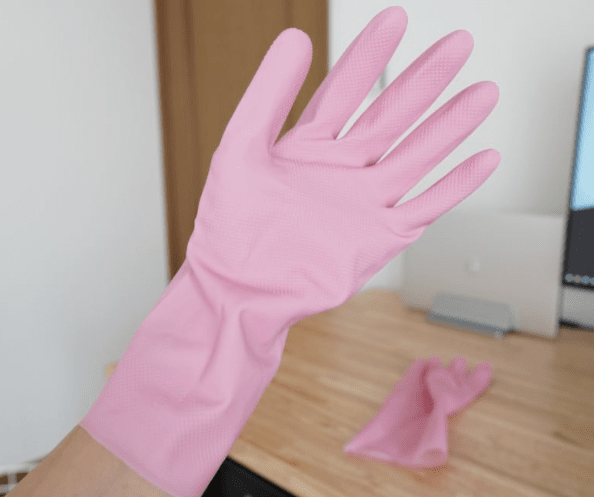
In short: eliminate internal moisture and manage acidity
The interior of rubber gloves, not the exterior, is the main problem. Reducing moisture and removing conditions that allow microbes to grow is what matters most.
I’m going to try this right away.
The method is simple and effective. Small changes in how you care for gloves can significantly improve hygiene.