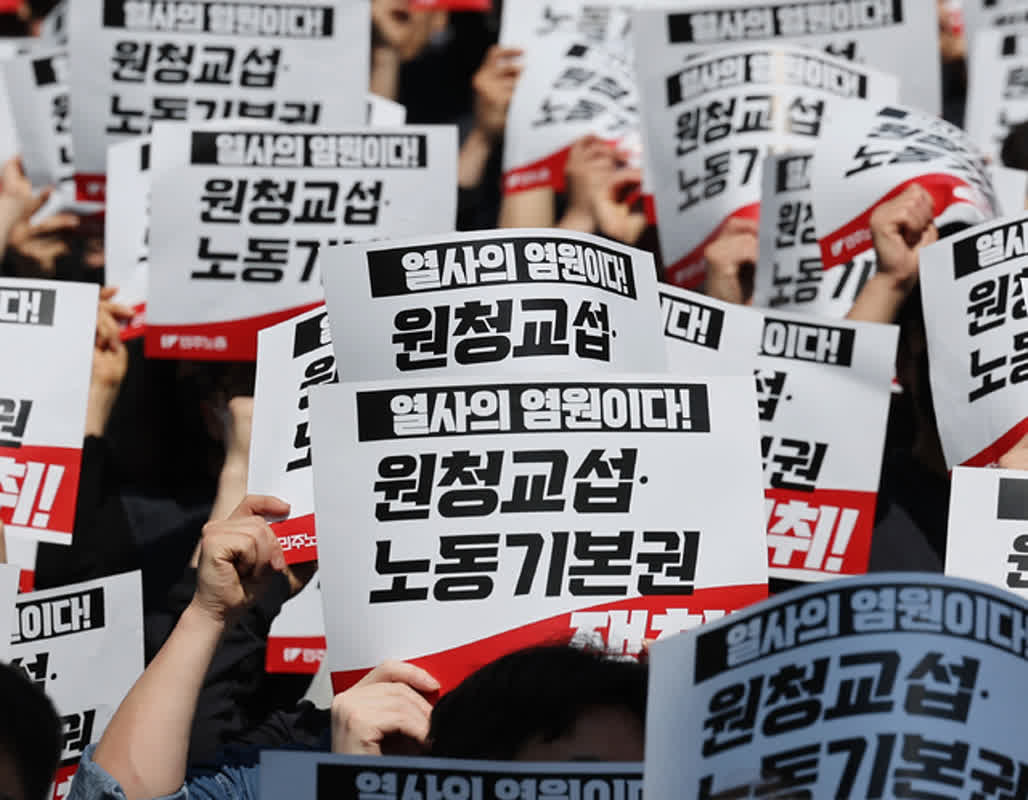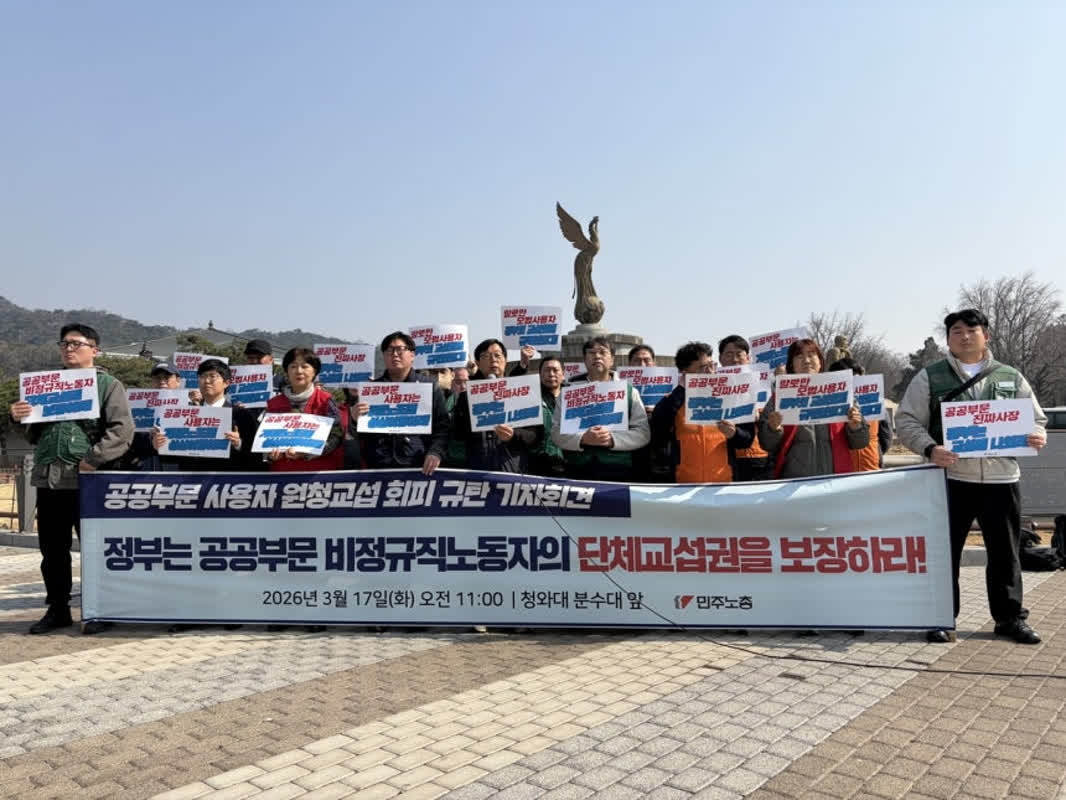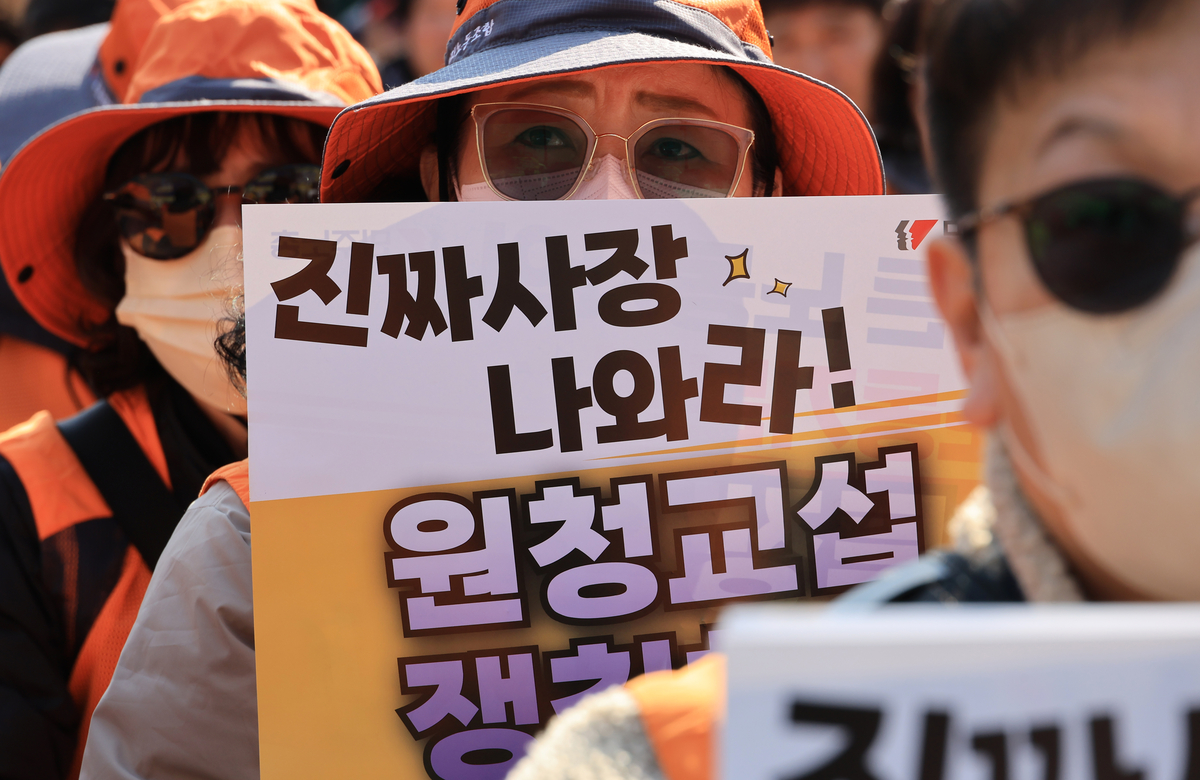
As business groups warned, the more prime contractors tighten safety measures for subcontracted workers, the more those actions can be read as evidence of “de facto control,” producing the paradox now unfolding. It is highly likely that subcontractor unions will concentrate their claims on safety and related matters to press employer-status arguments. And this confusion is only beginning. Regional labor commissions nationwide have already received roughly 65 inquiries about employer-status determinations. Decisions on whether to separate bargaining are queued for major workplaces next week, including Incheon Airport Corporation, KB Kookmin Card, Hana Bank, and Coupang CLS. POSCO is also facing arbitration over whether it must negotiate separately with each subcontractor union. If prime contractors are required to sit down separately with scores of subcontractor unions, routine business operations will inevitably shrink.
Our economy is in a state of emergency: the war in the Middle East is pushing up oil prices, inflation, and exchange-rate volatility, while supply-chain pressures intensify. In that environment, stoking labor uncertainty by litigating “who is really the boss” is nothing short of self-inflicted harm. The Yellow Envelope Law was rammed through by the ruling party despite predictable flaws — expanding the scope of who may be treated as an employer, restricting damages claims for strikes, and broadening the range of disputes covered. If the government proceeds as planned with a Labor Day (May 1) measure to introduce a “presumption of employee” for special employment categories, the burden on industry will only grow. Lawmakers must move quickly to pass corrective legislation that mitigates the law’s unintended consequences and establish clearer criteria before indiscriminate bargaining demands push labor relations into an irreparable morass.