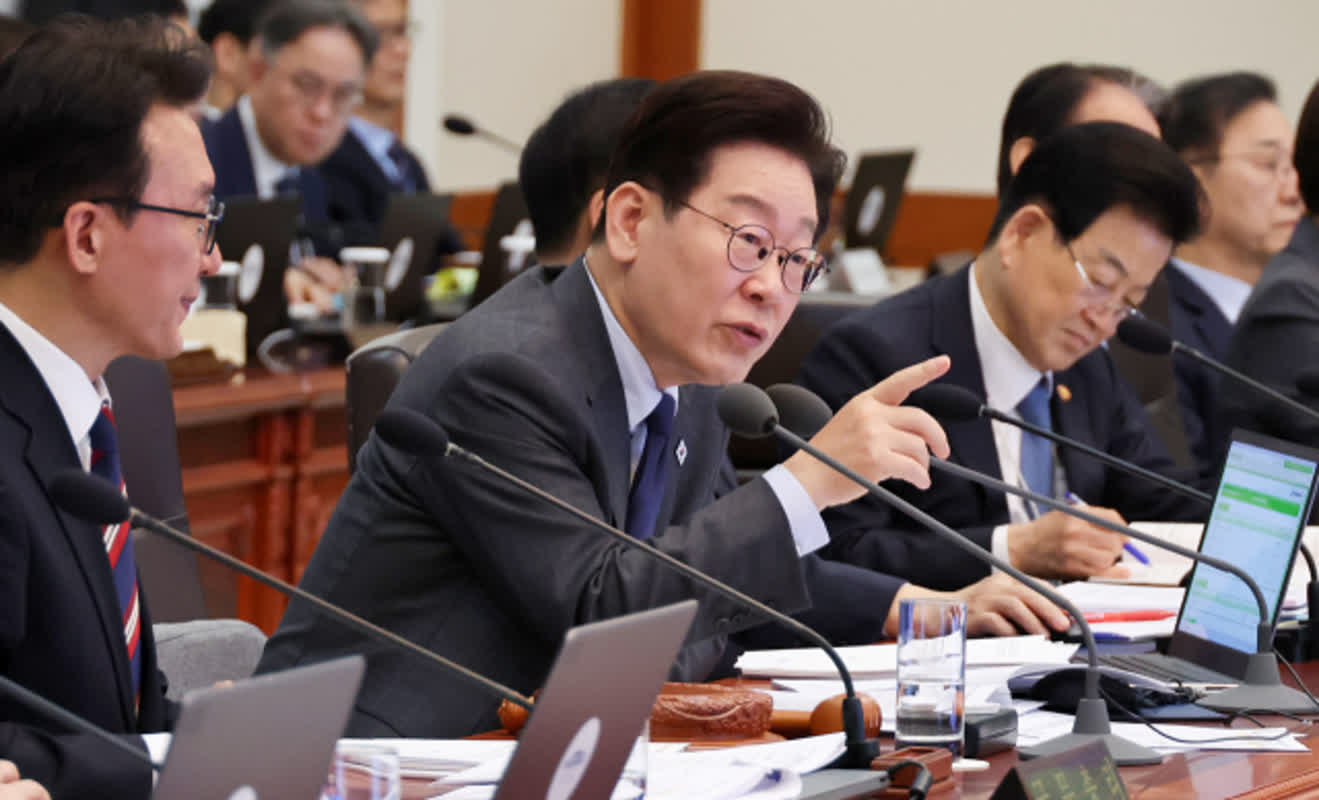
[Inews24 reporter Jang Moon-won] On March 16, President Lee Jae-myung clarified his position on prosecutorial reform, drawing a line under disputes within the ruling party and prompting a range of interpretations across the political landscape. Some analysts say he sought to avoid getting mired in peripheral issues—such as renaming the Prosecutor General—which could have derailed the core reform to separate investigation from prosecution. Others argue his statement preempted a split of forces within the ruling party over the reform debate.
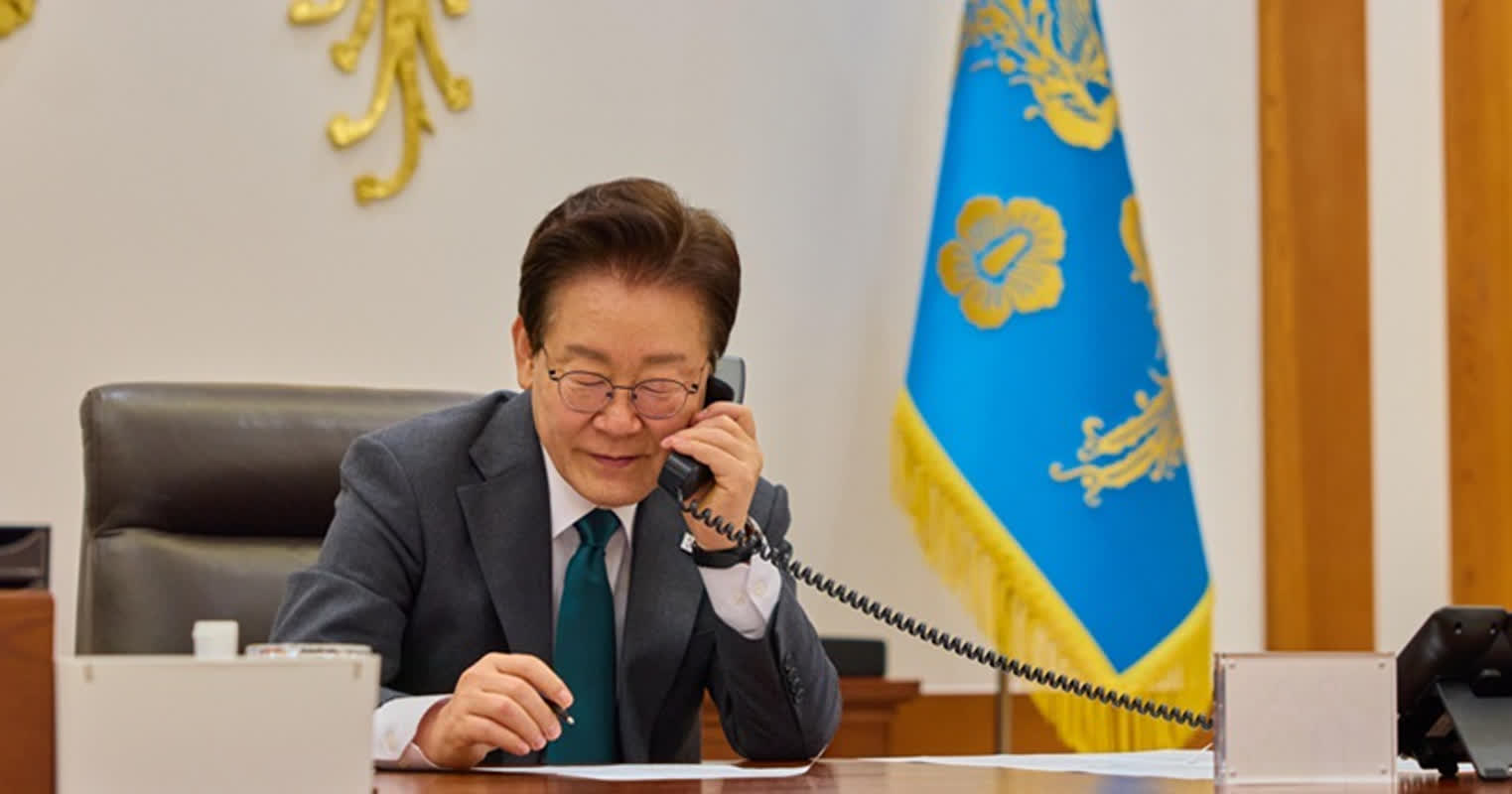
![President Lee Jae-myung at an emergency economic inspection meeting on the Middle East situation at the Blue House, March 9, 2026. [Photo=Yonhap News]](https://contents-cdn.viewus.co.kr/image/2026/03/CP-2023-0087/image-8e509e10-3437-4f68-9850-f443e4482524.jpeg)
In a post on X (formerly Twitter), the president wrote that the core of prosecutorial reform is to separate investigation from prosecution and remove prosecutors' investigative powers. He warned that excessive purity contests or unnecessary measures that stray from the reform’s core could give entrenched interests—those that should be dismantled—a pretext and an opportunity to regroup.
He also said he sees no reason to insist on changing the title of the Prosecutor General to "Director of the Public Prosecution Office" if that change would invite constitutional controversy and provide an opening for a counterattack. He noted the Constitution designates prosecutors as the actors in prosecutorial affairs and the Prosecutor General as the chief official; calling the agency the "Prosecutors' Office" is, he argued, common sense. Renaming the agency to "Public Prosecution Office" and then insisting that the Prosecutor General and prosecutors be retitled accordingly, he said, is excessive.
Political commentator Choi Yo-han told Inews24 that, in a 1,840-character post on X, the president made his view clear: the core issue must not be lost, and there is no need to give opponents of reform a reason to regroup around peripheral matters.
Choi added that the president warned against grandstanding or pursuing goals unrelated to the reform. Lee’s pragmatism, he said, was evident: the president made it plain that the central aim—separating prosecution from investigation—must remain the focus.
Choi Jin, director of the Presidential Leadership Institute, echoed that assessment. He said the president delivered a firm, unequivocal message to hardline reformers: stop competing over purity or pushing personal agendas and follow the president’s plan. The issues of the Prosecutor General’s title or prosecutors’ status are side issues, Choi said, and should not be used as points of contention when the core reform matters most.
The party leadership faction, led by Jeong Cheong-rae, takes a hardline stance, demanding a full removal of prosecutors' investigative powers. By contrast, the emerging "New Lee Jae-myung" camp—the anti-leadership faction—argues that they should not saddle the president with a divisive reform fight.
Um Kyung-young of the Time Spirit Research Institute said Lee tried to persuade the party with a consistent position, but as opposition voices grew and began to organize, the president likely decided he could not leave the issue unaddressed. He probably feared it could flare into a power struggle between the New Lee faction and the party leadership after the local elections, Um said.
Um added that prosecutorial reform favors the party leadership and resonates with calls for clarity, so Lee seemed intent on nipping the dispute in the bud before it became uncontrollable.
![Yeoui View — Political news with a great view. [Photo=Cho Eun-su]](https://contents-cdn.viewus.co.kr/image/2026/03/CP-2023-0087/image-381801c1-e329-45e5-84ff-a50686d7d902.jpeg)