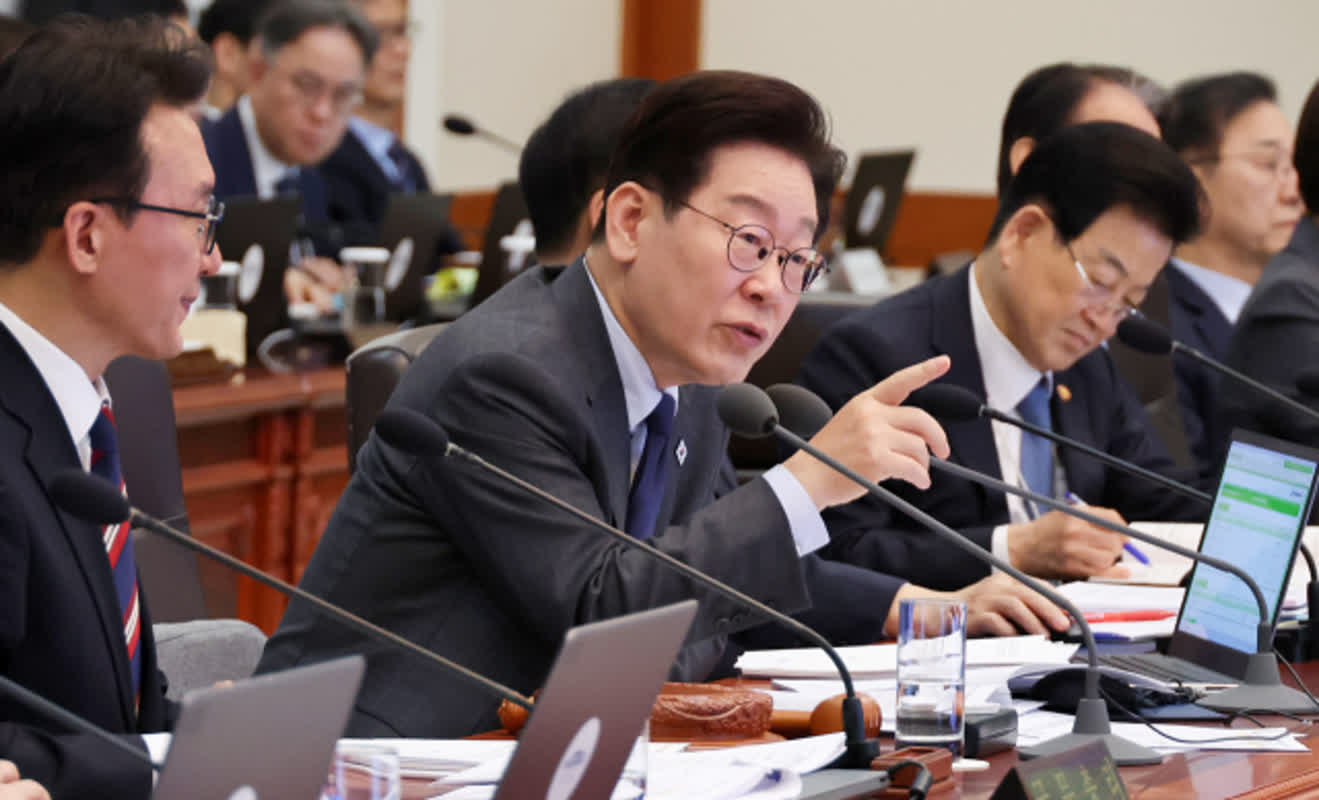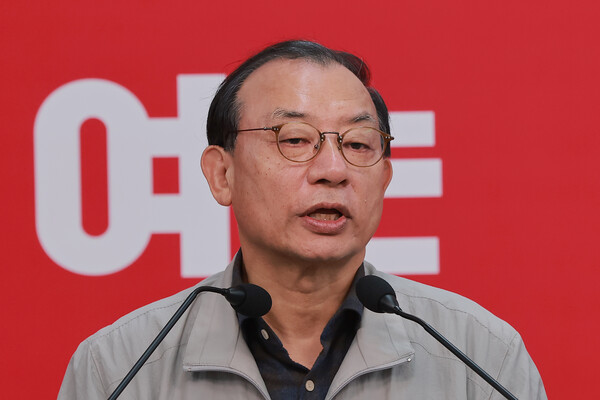
[The Public=Reporter Choi Eol] The People Power Party has adopted the so-called \"Korean Series\" primary system to choose its nominee for the June 3 gubernatorial election in North Gyeongsang Province, but critics say the format risks strengthening the incumbent’s advantage.
Under the \"Korean Series\" approach, all challengers except incumbent Governor Lee Cheol-woo first compete in a preliminary contest to produce a single challenger, who then faces Lee in a one-on-one final primary.
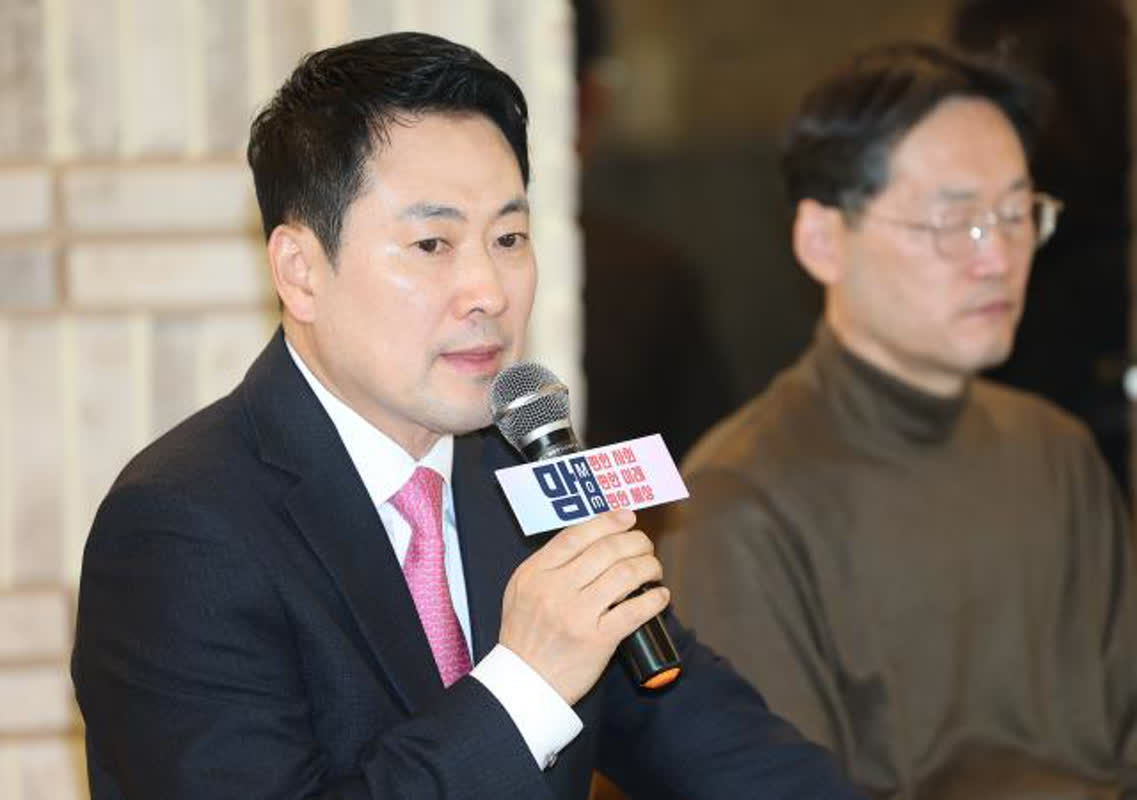
Lee Jeong-hyun, chair of the party’s nomination committee, explained the system at a March 12 briefing at party headquarters in Yeouido, describing it as a fair competition designed to present the strongest candidate to voters.
The party says six candidates entered the North Gyeongsang race: incumbent Lee Cheol-woo; Supreme Council member Kim Jae-won; former lawmaker Baek Seung-ju; former Pohang Mayor Lee Gang-deok; Rep. Im E-ja; and former Deputy Prime Minister for Economic Affairs Choi Kyung-hwan (listed alphabetically). The five non-incumbents will contest a preliminary round to select one challenger for the final primary against the incumbent.
Party officials said they will not impose an early cutoff on preliminary candidates. The non-incumbent preliminary round will weight delegate votes at 70% and public opinion polling at 30%, with voting scheduled for March 18–19 to pick one candidate. The final primary phase includes candidate debates from March 21–25, campaigning from March 26–28, and a final decision based on delegate votes (50%) and public polling (50%) on March 29–30.
Officials defended the format as analogous to playoff systems in sport: a competitive process that first identifies the strongest contender and then resolves the final contest. They said the aim is to give challengers a fair opportunity to overcome the incumbent premium.

When asked whether Governor Lee could influence the preliminary contest to produce a favorable challenger, party officials dismissed the concern. “If anyone tried that, reports would come in quickly,” the party said. “With more than a million party members, such manipulation would be difficult to carry out.”
Still, some voices inside the party question whether the format truly neutralizes the incumbent advantage in a conservative stronghold like North Gyeongsang.
“Among these candidates, who has greater name recognition among North Gyeongsang residents than Governor Lee Cheol-woo?” one party official asked. “Given that this region is a party stronghold, putting the incumbent and the challenger on identical final-round terms still effectively benefits the incumbent.”
The official proposed measures to reduce the incumbent premium, such as awarding bonus points to the preliminary winner in the final tally or requiring the incumbent to participate in the first-round vote so they do not bypass early-stage scrutiny.
AI analysis offered a similar assessment. ChatGPT identified the risk that the \"Korean Series\" format could reinforce an incumbent premium arising from unequal name recognition. It suggested several mitigations: expand mandatory debate participation in the final primary, give challengers bonus points, or require incumbents to enter the first-round vote.
“While the 'Korean Series' method may be effective at vetting candidates and generating voter interest, its structure can create perceptions of unfairness,” ChatGPT noted, arguing that safeguards are needed to reduce controversy.