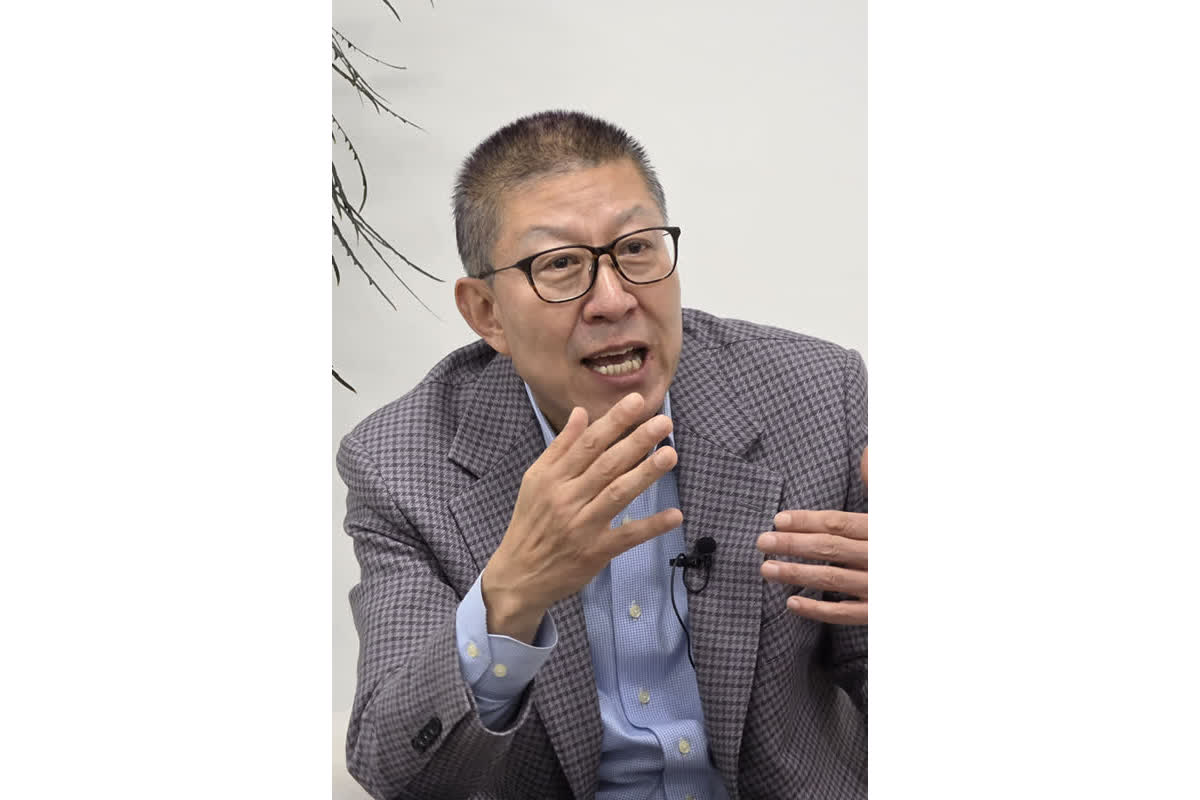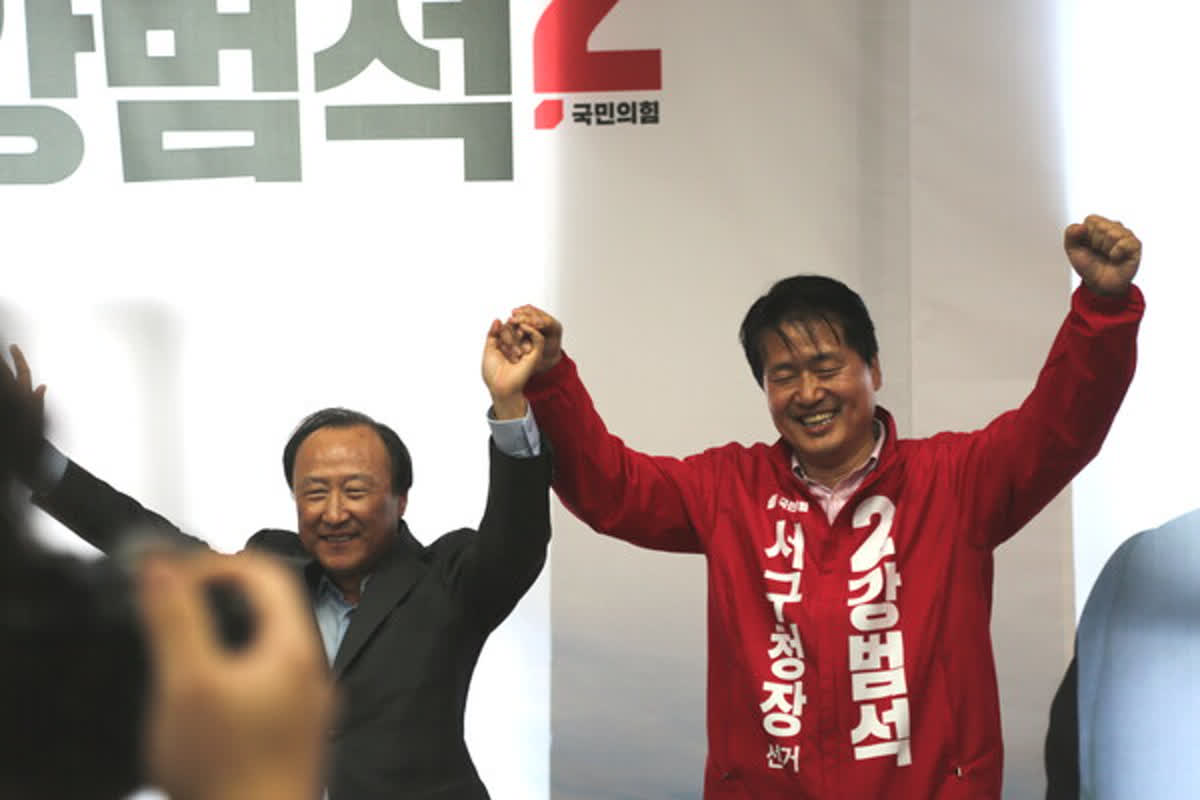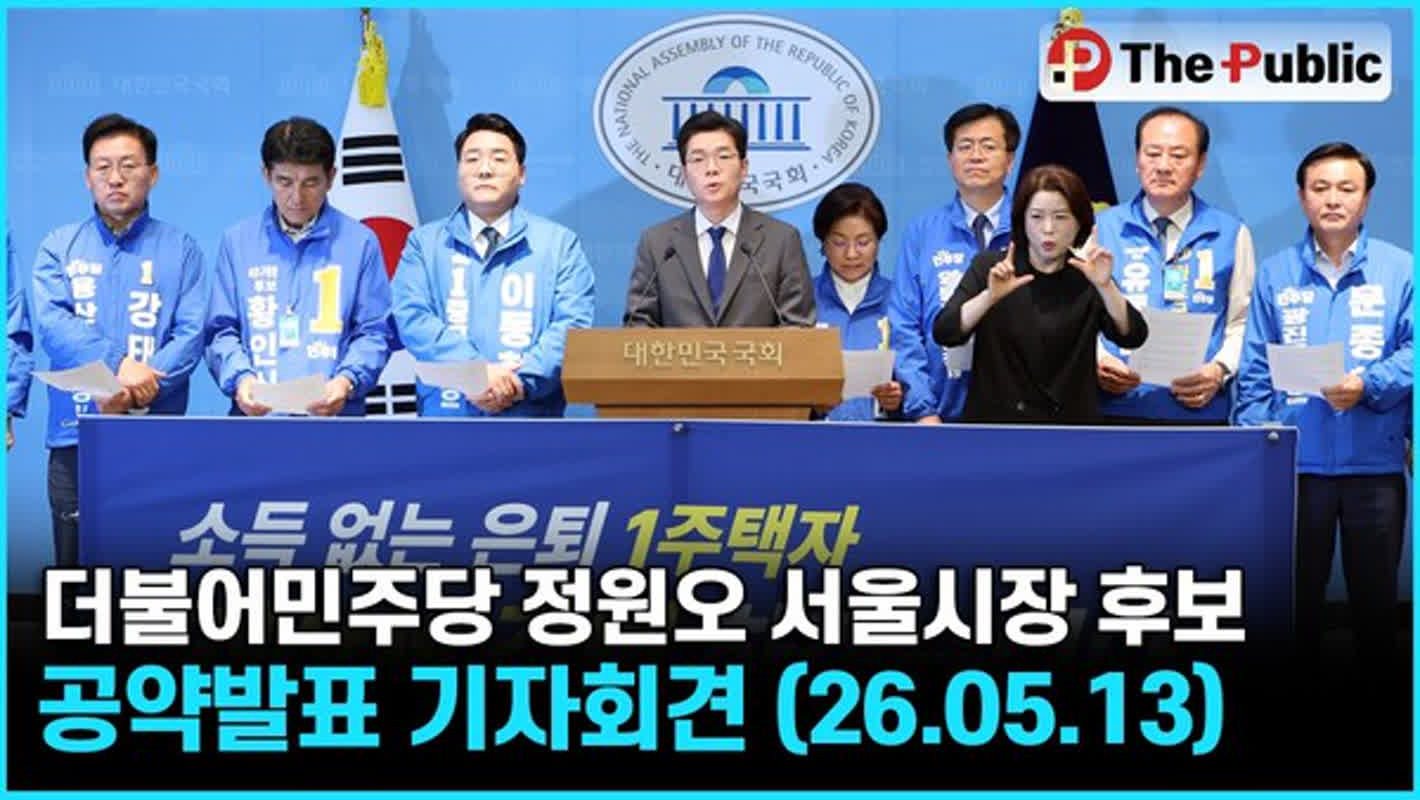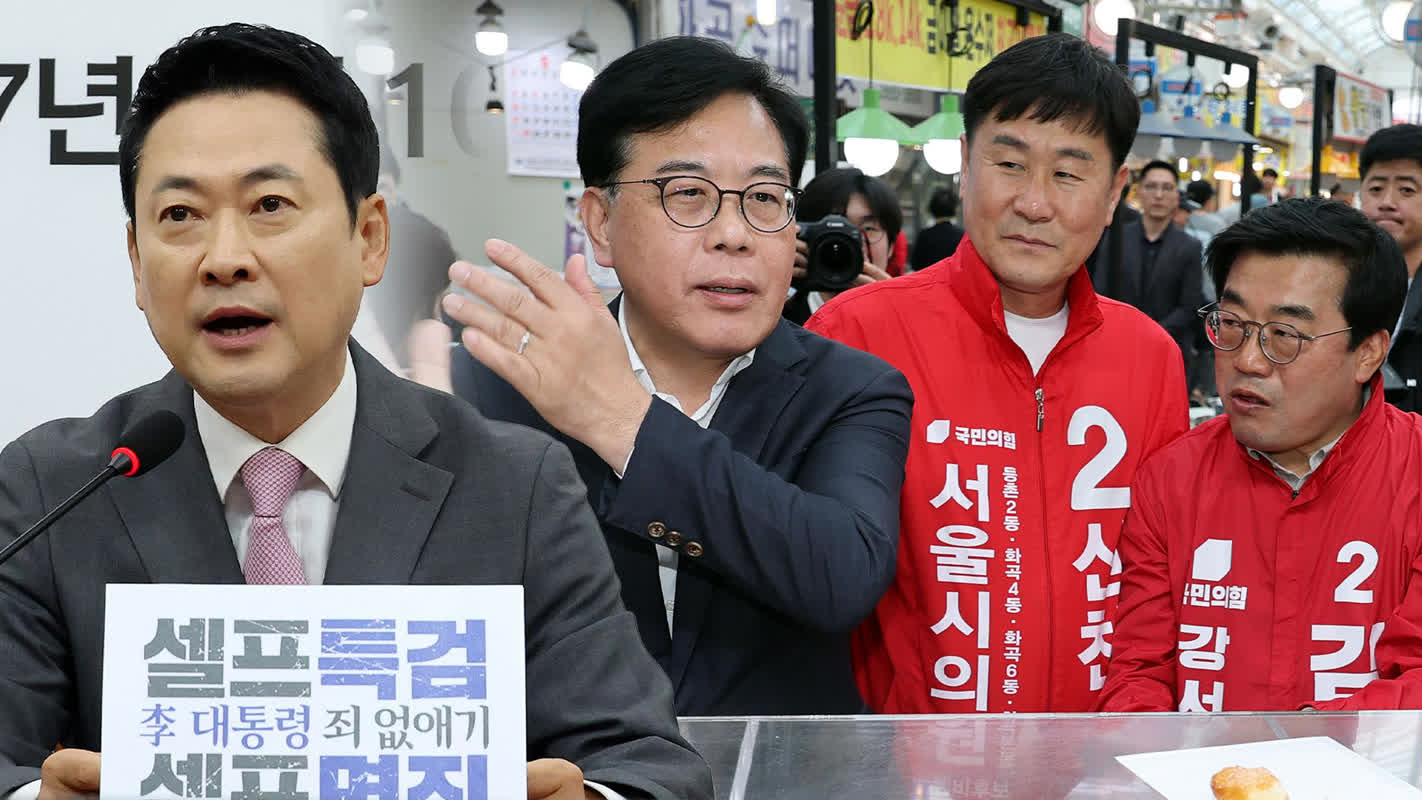
The June 3 local election for Yongin’s special-status mayor has crystallized into a head-to-head contest between Democratic candidate Hyun Geun-taek and incumbent Mayor Lee Sang-il of the People Power Party.
Political observers argue the race is more than a partisan contest: it will determine Yongin’s path at a pivotal moment as the city confronts major shifts in the semiconductor sector and its urban infrastructure.
On the ground, the Yongin national semiconductor industrial complex, the SK Hynix cluster, the Platform City project and the regional transportation network are tightly interlinked policy challenges.
These initiatives are not limited to attracting factories. They demand comprehensive urban restructuring: reliable power and water supplies, expanded transit connections, housing, schools and healthcare facilities, and the fair compensation and relocation of existing residents.
With the next four years set to move many plans from design into implementation, the stakes in this election are unusually high.
After securing the primary, Hyun has promoted a “central government–Gyeonggi Province–Yongin” cooperation model and placed rapid semiconductor development at the top of his agenda. He has pursued a field-oriented campaign—visiting Samsung’s Pyeongtaek campus, the Yongin complex and the SK Hynix cluster—and proposed an administrative support framework to tackle key tasks such as power and water provisioning, shortening site-preparation timelines, and resident compensation and relocation measures.
That cooperative blueprint, however, is politically framed; successful implementation will depend on negotiations and coordination among the central government, Gyeonggi Province and agencies such as LH.
Mayor Lee has leaned on the advantages of incumbency, highlighting four years of municipal work. He points to steps his administration took to lay the groundwork for major projects—loosening regulations in the Songtan water-source protection zone, advancing Platform City plans, expanding rail networks and attracting the national semiconductor complex—and stresses continuity and stability for initiatives already underway.
Yet many projects remain in progress, and critics argue Lee still needs to translate those efforts into visible, everyday improvements that residents can feel.
At its core, the contest comes down to one question: who can convert the semiconductor build-out into tangible improvements in citizens’ lives? In Cheoin District, the priorities are compensation, relocation and expanded transportation; in Giheung District, proximity between jobs and homes and enhanced daily infrastructure; in Suji District, easing congestion and restoring urban competitiveness. Analysts say the decisive factors will be policy designs that coherently link these three living zones and the capacity to execute them.
Yongin stands at the threshold between a city of promise and a city that must now deliver measurable results.
This election is not a competition over the size of pledges. It is a choice about who can weave scattered plans into a unified reality and who can endure the lengthy process of implementation.
Over the next four years, voters will be testing not just Yongin’s speed but its completeness.