Revised eligibility rules for farmer status are poised to directly affect livelihoods across rural North Jeolla Province. The impact will be most pronounced in areas where dependence on farming is high and seasonal off-farm work is routine.
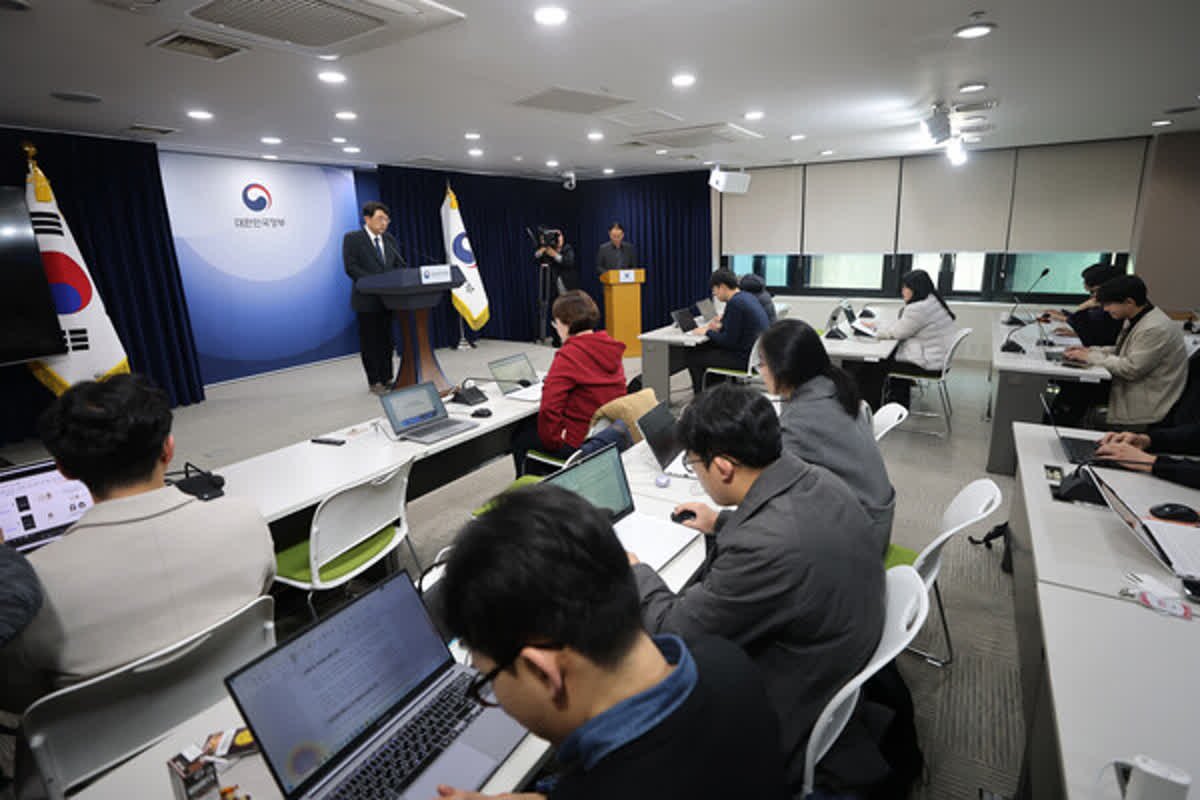
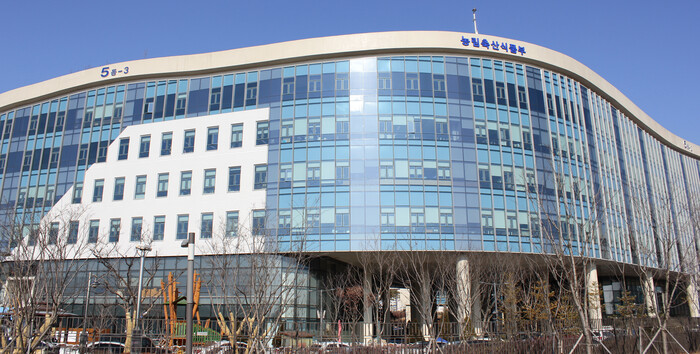
The Ministry of Agriculture, Food and Rural Affairs amended the Regulations on Issuing Farmer Certification and put the changes into effect on the 30th. Under the new rule, the spouse of a farm operator who takes temporary employment can retain farmer status if they meet specified conditions.
Dual-employment arrangements are already widespread in North Jeolla’s countryside.
During the off-season, many households supplement farm income with public work projects, local day labor, or jobs in small-scale manufacturing. Historically, however, families frequently lost official farmer status when a spouse moved to employer-based insurance.
In rural areas adjacent to the Jeonju–Wanju–Iksan commuter zone, combining farming with short-term work has become a typical livelihood strategy, yet policy did not adequately reflect that reality.
Local women farmers’ organizations have long criticized the rules, arguing that rigid criteria ignore practical circumstances and curtail farmers’ rights.
The revised criteria are straightforward.
Those who engage in farming for at least 90 days per year and whose earned income from secondary employment is under 20 million KRW (about USD 15,000) will retain farmer status. The change also makes them eligible to register as agricultural operators.
A significant share of North Jeolla households is likely to meet these criteria. The effects will be felt most strongly by older households, small-scale farms, and families in which the spouse supplies a large portion of the labor.
Administrative processing will be handled by the National Agricultural Products Quality Management Service and local offices. Applicants must submit proof of health insurance payments for the past 12 months and a farming-activity verification; officials will then review earned-income records and conduct field inspections before final registration is approved.
To minimize confusion during the initial rollout, dedicated field-response teams will be deployed.
The revision also reflects broader structural shifts in North Jeolla’s agricultural policy.
Importantly, it recognizes agriculture not solely as a full-time occupation but as an economic activity often supported by mixed income streams.
Nonetheless, clear implementation challenges remain.
Questions over the practicality of the 20 million KRW (about USD 15,000) earned-income threshold, the risk of formalistic assessments of farming activity, and the administrative burden of field inspections could all become points of contention during implementation.
In regions such as North Jeolla—where population decline and aging occur simultaneously—the extent to which this policy will act as a buffer to preserve farms and incomes, rather than another procedural hurdle, will depend on the precision and capacity of policy execution.
Ultimately, the revision marks a starting point for broadening who is recognized as a farmer. Given its direct implications for the sustainability of North Jeolla’s rural communities, the direction of follow-up policy and implementation will be decisive.