|
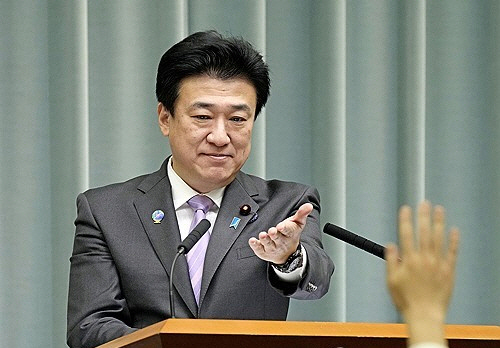
At a regular press briefing on April 7, Chief Cabinet Secretary Minoru Kihara said the Japanese embassy in Iran confirmed that one Japanese national detained by Iranian authorities in January had been released on bail on April 6 local time. He added that the Japanese ambassador in Iran, following a meeting with the individual, reported no major concerns about the person’s health or safety.
According to a Japanese government official, the individual remains under protection in Iran but cannot depart the country without permission from Iranian authorities. Japan said it is taking all possible measures to secure an early release and will continue to provide diplomatic and consular support throughout any subsequent legal proceedings.
For privacy reasons, the government has not formally disclosed the detainee’s identity or affiliation and did not name the person or state their position. Japanese media, however, report the detainee is likely Shinnosuke Kawashima (川島信之介), NHK’s Tehran bureau chief. Japanese and international outlets say Kawashima was detained by Iranian authorities in January on allegations related to anti-government protests, though Iran has not publicly specified formal criminal charges. Some reports suggest he was detained while reporting during the authorities’ crackdown on demonstrations.
◇Foreign outlets: NHK bureau chief held at Evin Prison
Foreign and Japanese media report that Kawashima was transferred to Tehran’s Evin Prison after the crackdown on protests. Iran has not officially acknowledged the transfer, but Radio Free Europe/Radio Liberty (RFE/RL) and Japanese outlets cited multiple sources reporting the move.
|
On March 6, the Japanese government told a press briefing that two Japanese nationals were detained in Iran and that one of them appears to be the NHK Tehran bureau chief arrested by local authorities in January. The government added that this information was based on foreign media reports and had not been officially confirmed by Tokyo.
Later, Foreign Minister Toshimitsu Motegi told the Lower House’s foreign affairs committee that officials had confirmed the safety of the two detained Japanese nationals and had strongly urged Iranian authorities to secure their early release. The Foreign Ministry and the Japanese ambassador in Iran continue to press Iran’s foreign ministry through diplomatic and consular channels to ensure the detainees’ safety and return.
After Tokyo officially confirmed the bail release in April, Japanese media, including NHK, credited the outcome to Japan’s diplomatic efforts. The government has, however, favored quiet diplomatic and consular engagement—mindful of energy and economic links and regional security—rather than publicly condemning Iran on human rights and press freedom grounds.
Diplomatic sources say Iran tightened surveillance and control over foreign journalists following the anti-government protests, and they view the bail as the result of Japan’s diplomatic pressure combined with international media attention. Observers note that Tokyo has largely refrained from public confrontation while maintaining steady diplomatic contact, mindful of Iran’s internal dynamics and bilateral relations.