Even motorists with a decade of accident‑free driving often do a double take when they get their auto insurance bill at age 65.
Insurers begin treating age itself as a risk factor, so premiums can change even when a driver’s record is spotless.
But instead of fearing a vague “surcharge,” experts say older drivers should actively pursue discounts tailored to seniors to offset increased costs.
Age you can’t avoid even with a clean record: the truth about the 65+ rate
The rumor that everyone sees a flat 300,000 KRW (approximately $225) jump in premiums at age 65 is inaccurate.
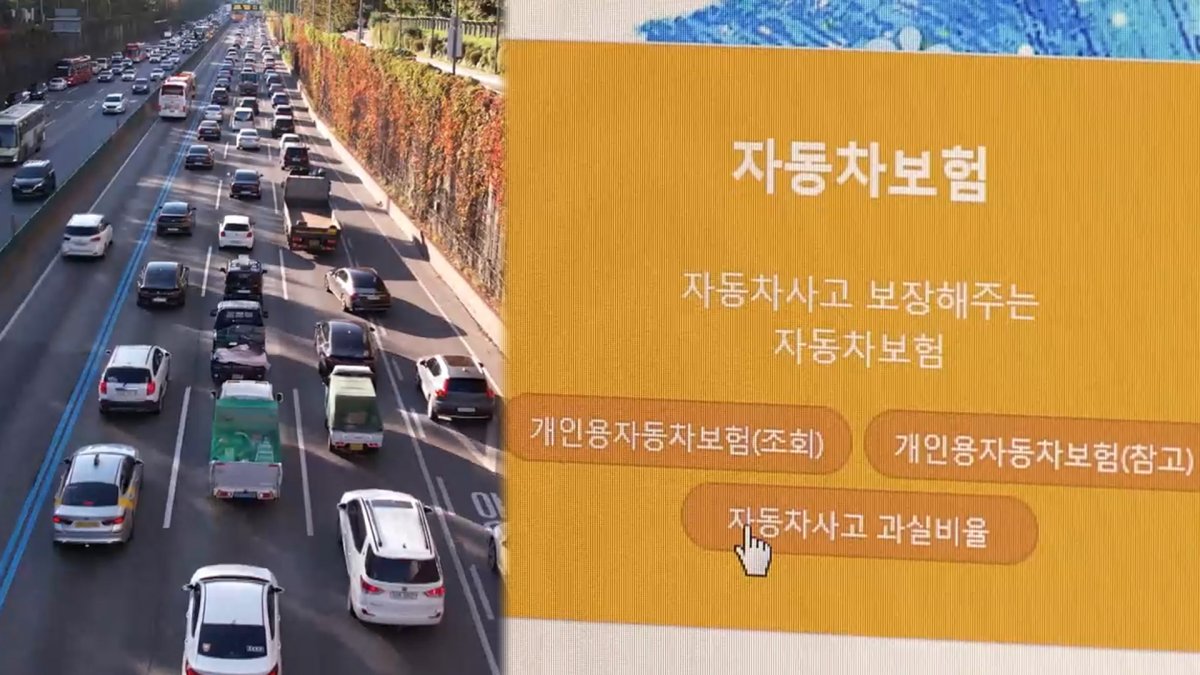
That said, the Insurance Development Institute’s reference rate table shows insurers use narrower age brackets from 65 onward—often in 2‑ to 5‑year bands—which tends to put upward pressure on premiums.
Data bear this out: drivers 65 and older have an accident rate of 4.57%, compared with 4.04% for drivers under 65.
Insurers price to that increased statistical risk, so policyholders generally feel more of a hit as they move from middle age into their early 70s.
But increases are not uniform. How much you actually pay depends on your vehicle, the coverages you choose, annual mileage and other individual factors.
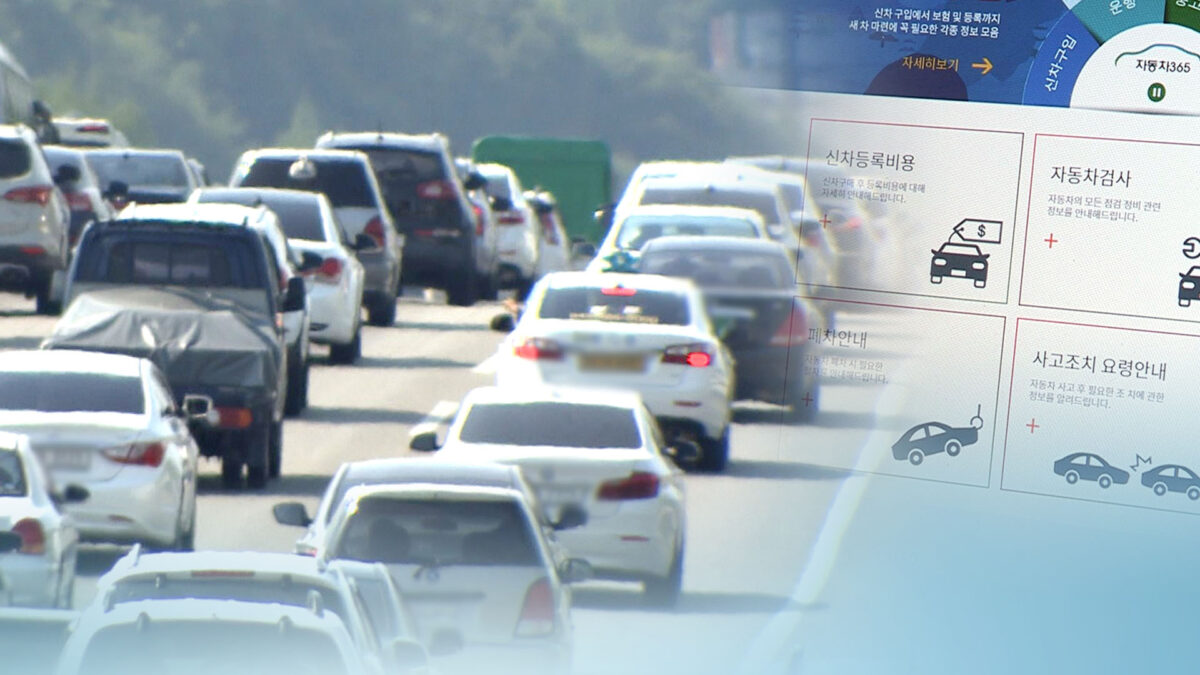
Importantly, multiple policy discounts exist that can more than offset age‑related increases—if drivers know how to stack them.
“Skip the child-name trick—use endorsed riders”: practical ways to save
Some people try to avoid age surcharges by registering a car in a child’s name, but that can trigger coverage disputes after an accident and is risky.
A safer approach is to use the financial regulator’s expanded driving‑history recognition program to legally credit a spouse’s or family member’s clean driving record.
There are also programs and discounts available only to drivers aged 65 and over.

If a driver completes the Korea Road Traffic Authority’s senior safety course, many insurers offer an annual premium discount—typically between 3.6% and 5.0%.
Retirees who drive less should also consider a mileage‑based policy. If annual mileage falls below 5,000 km (about 3,107 miles), several insurers provide double‑digit refunds, although the exact rate varies.
Industry specialists advise that rather than blaming age, drivers should proactively combine available discounts—such as for dashcams and advanced driver‑assistance systems—to reduce out‑of‑pocket costs.