Ferrari Reverts to Physical Buttons, Ditches Touch Controls
Cheaper but Inconvenient — Even Manufacturers Admit It
Change Starts with Luxury Cars
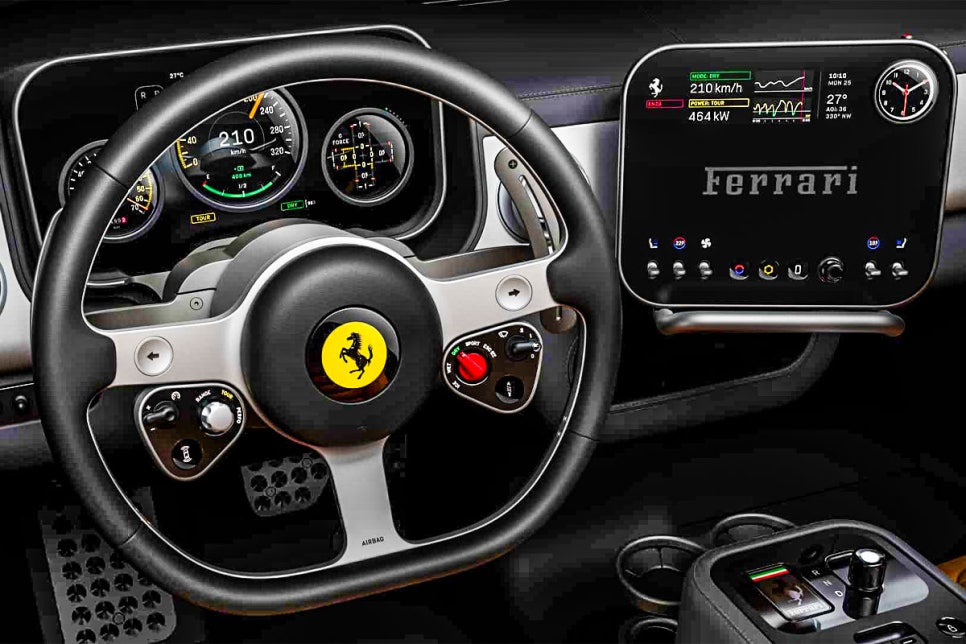
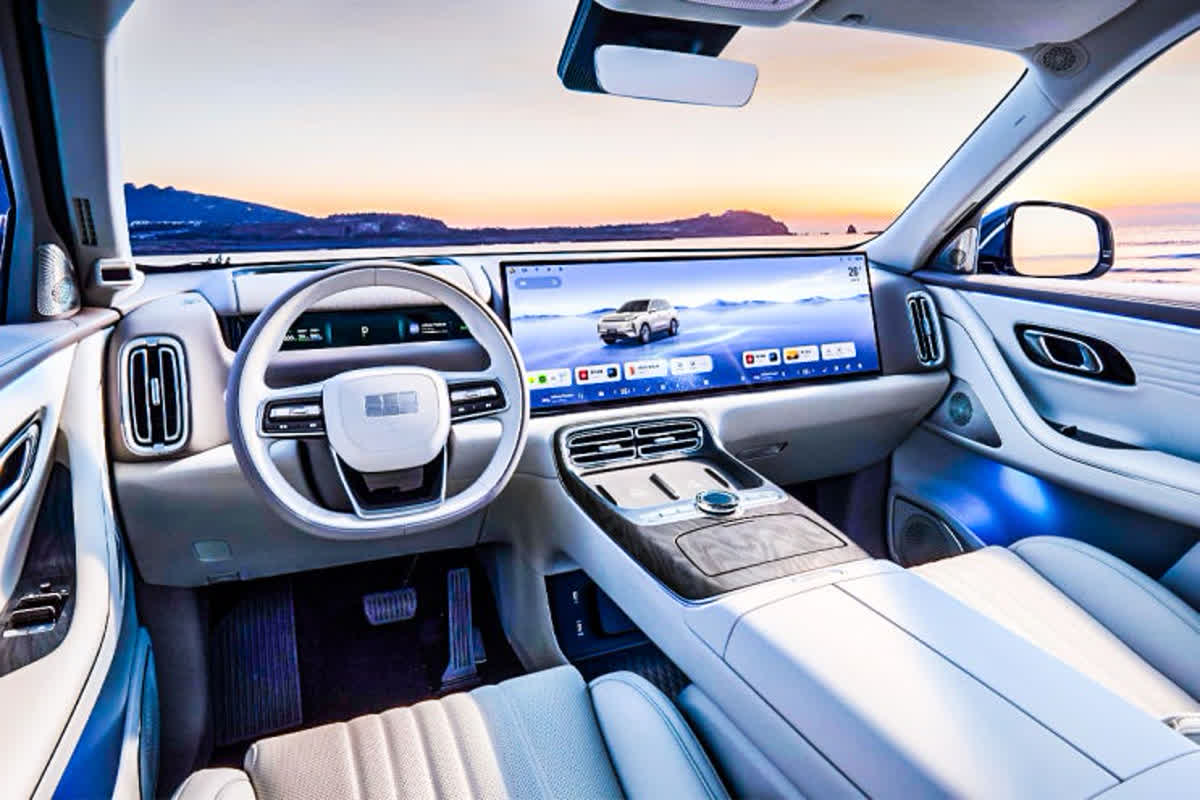
Luce interior — Source: Ferrari
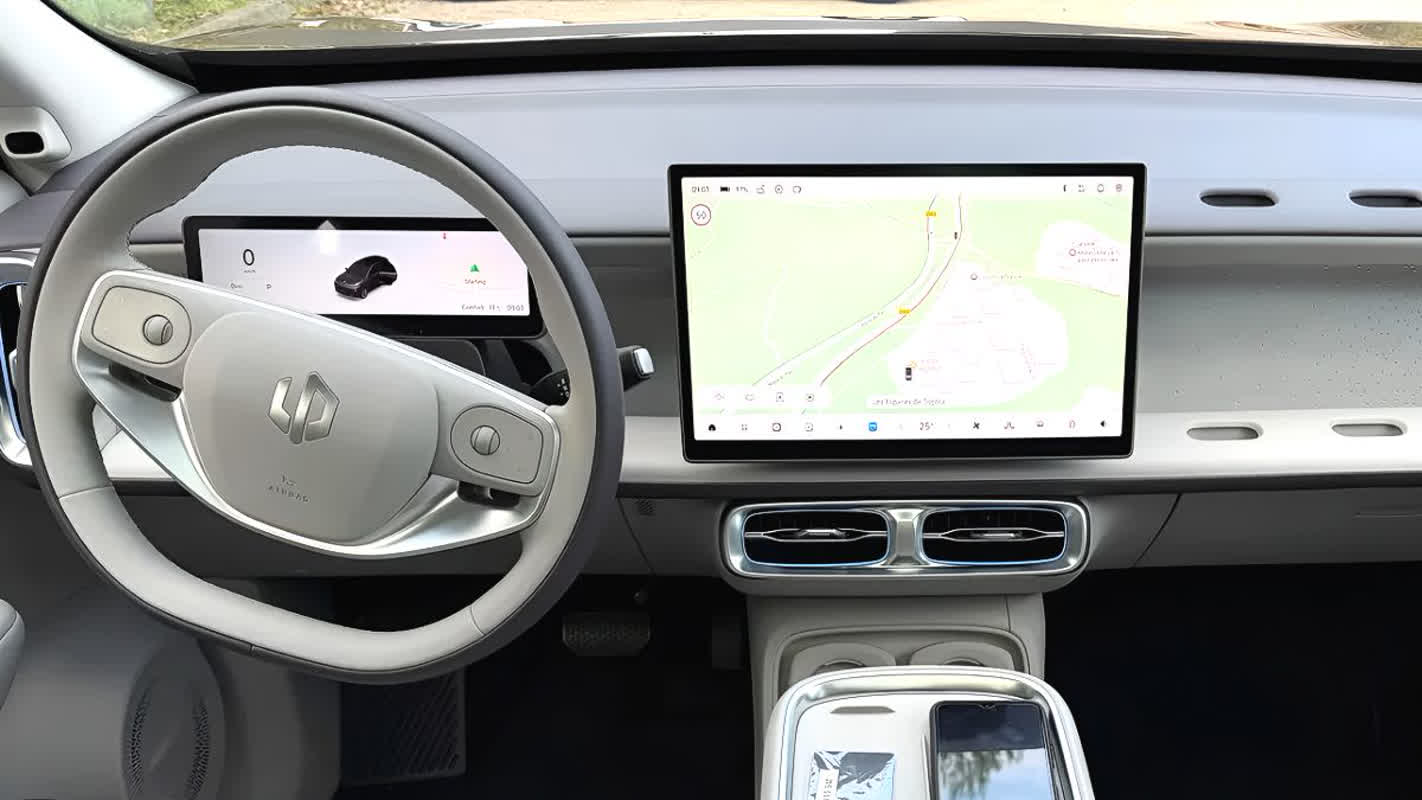
Touch-sensitive buttons, once hailed as the cockpit interface of the future, are steadily disappearing from new cars. Automakers are increasingly reverting to conventional physical switches.
Ferrari is leading that shift. The marque has acknowledged the limitations of the touch controls it fitted to steering wheels and plans to offer a retrofit program to replace those controls with physical buttons on existing vehicles.
Industry observers say the move is more than a cosmetic change; it reflects a broader rethink of in-car interface philosophy.
Touch Buttons Are Cheap but Uncomfortable
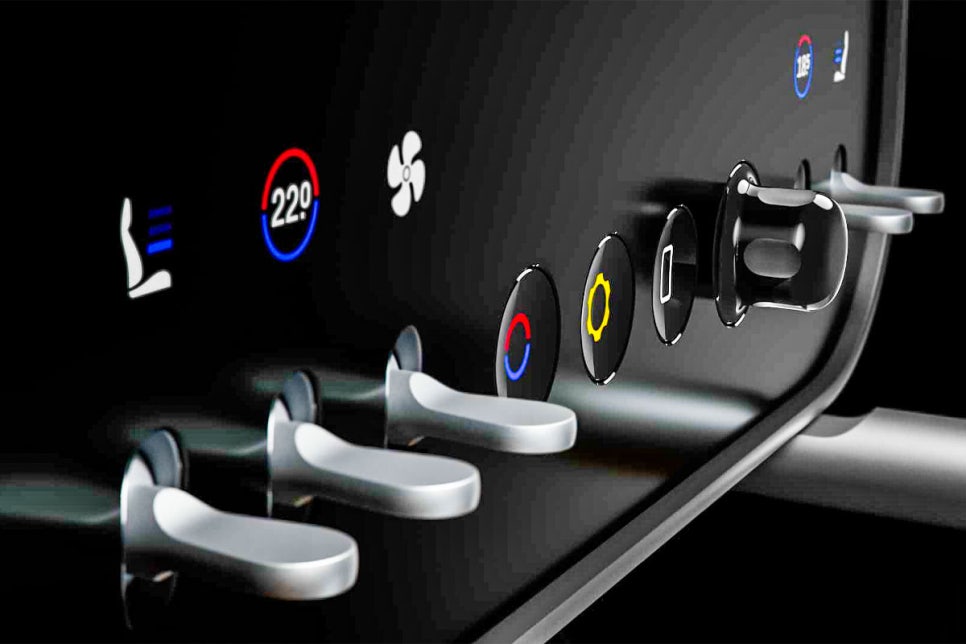
Luce interior buttons — Source: Ferrari
In an interview, Ferrari’s CEO said touch controls cost about 50% less to produce than traditional mechanical buttons.
Put simply, the touch approach was often chosen for cost savings rather than driver convenience.
In practice, touch panels provide little tactile feedback and make precise inputs harder while driving, prompting steady consumer complaints.
Ferrari has acknowledged those shortcomings and, in effect, reversed its earlier stance, saying the touch-first approach tended to benefit suppliers more than drivers.
Luxury Brands Lead Return to Physical Buttons
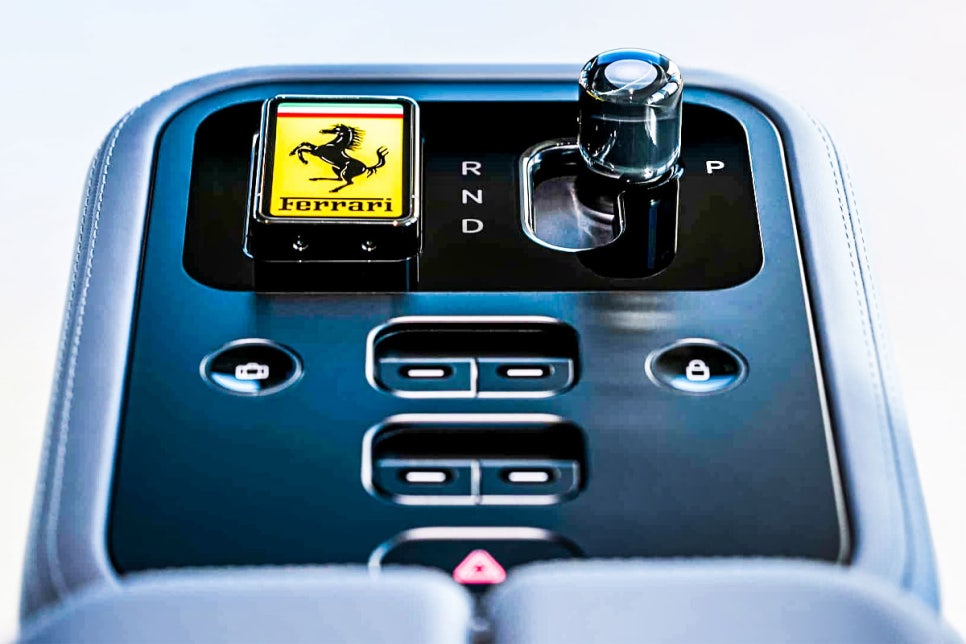
Luce shifter area — Source: Ferrari
Ferrari is actively promoting the change, offering owners of models such as the Purosangue and its 12-cylinder cars the option to swap touch controls for physical buttons.
On new models, the company is cutting back on touch-driven controls and increasing the proportion of mechanical switches. The upcoming electric Luce is being designed with a mix of physical buttons and a digital interface.
Manufacturers are prioritizing dedicated controls for core functions such as climate systems to improve usability and reduce distraction.
Even in the Electric Car Era
'Analog Feel' Still Necessary
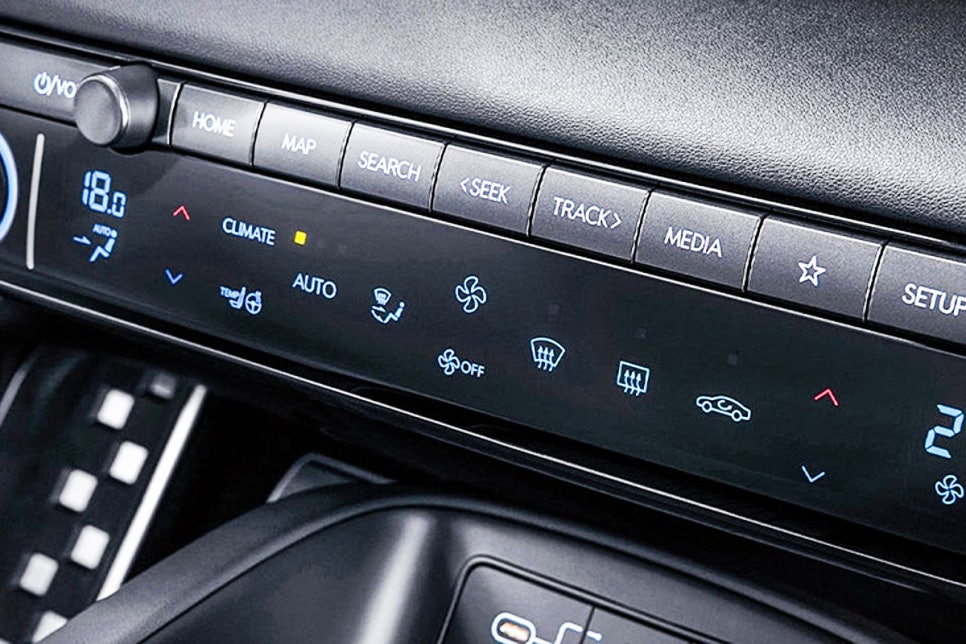
Interior buttons — Source: Hyundai Motor Company
The trend extends beyond Ferrari. Major automakers including Volkswagen, Hyundai, Kia and Toyota are dialing back touch-centric cabin designs and reintroducing more physical controls.
The move underscores that even in an EV-dominated era, driver experience still hinges on intuitive operation and safety.
Analysts say interior design, which swung toward minimalism and full digitalization, is now seeking balance.
Because cars are more than consumer electronics, interfaces that enable quick, accurate control while driving are reemerging as a core competitive advantage.