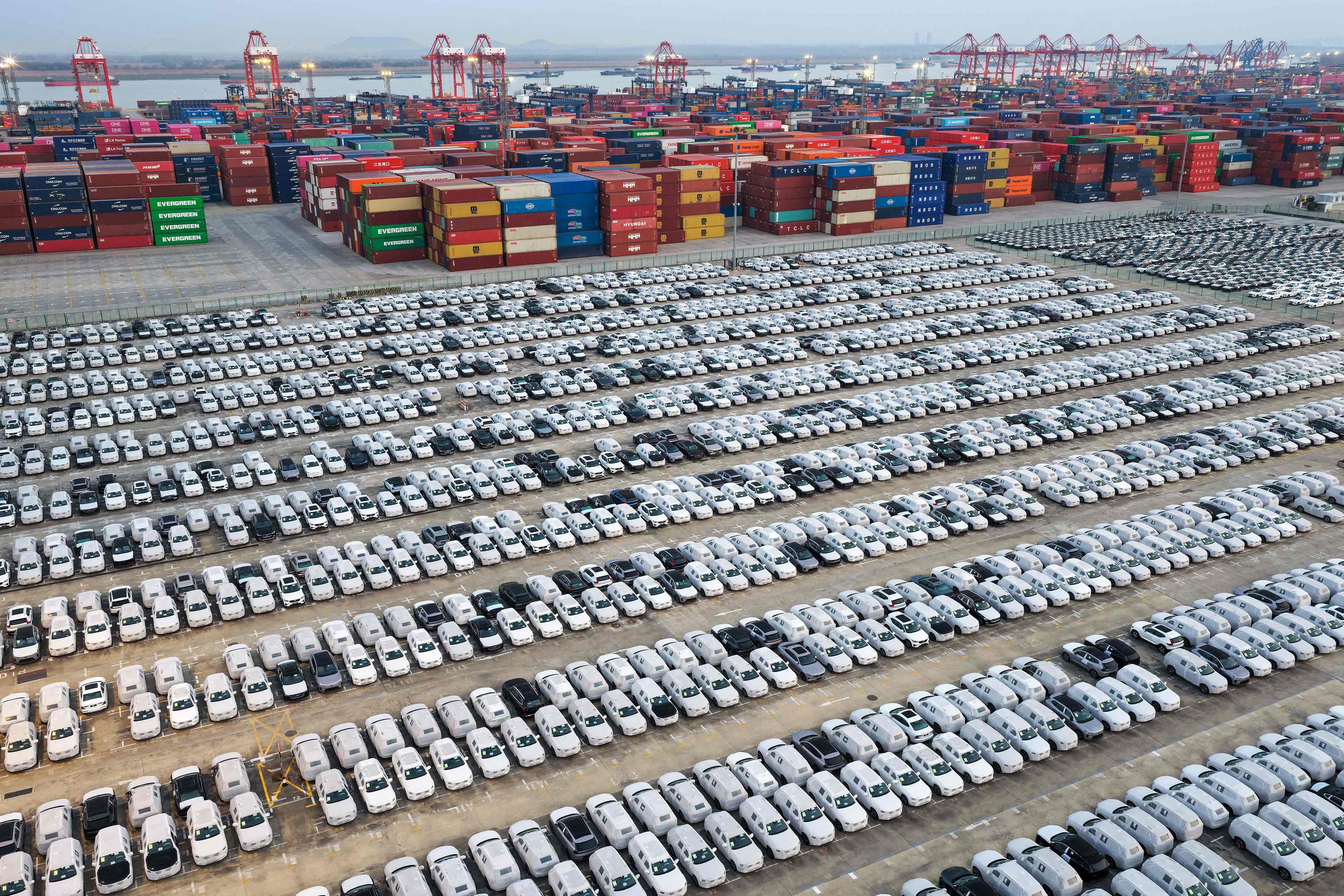
China’s vehicle exports have jumped more than 50% year-to-date as automakers—both domestic and foreign—redirect inventory overseas amid weak domestic demand. With new markets opening rapidly across South America, Europe and Africa, competition in the global auto market is poised to intensify.
On the 12th, the China Association of Automobile Manufacturers reported that February auto exports reached 672,000 units, up 52.4% year on year. Cumulative exports for January–February totaled 1,352,000 units, a 48.4% increase from the same period a year earlier.
China exported 5,859,000 vehicles in 2024, a 19.3% rise. The figure a year earlier was 708,000 units, when the growth rate expanded to 21.1%.
The export surge largely reflects weak domestic sales. China’s February vehicle sales fell to 1,133,000 units, down 32.9% year on year. Combined January–February sales dropped 23.1% to 2,799,000 units.
Passenger-car demand showed particular weakness: February passenger-car sales fell 34.2% to 950,000 units. The association attributed the decline to a mix of factors, including policy adjustments (the phased removal of subsidies), the Lunar New Year holiday and weak consumer buying intent.
Global automakers have felt the impact. Volkswagen said on the 10th (local time) that operating profit plunged 53.5% to €8.868 billion (about $9.49 billion), approximately 15.1 trillion KRW (about $11.33 billion), citing U.S. tariffs and softness in the Chinese market.
Porsche AG CEO Michael Leiters said on the 11th the company will carry out additional headcount reductions. The market noted Porsche’s China deliveries fell 26% last year and are expected to decline by roughly one-third this year to about 30,000 units.
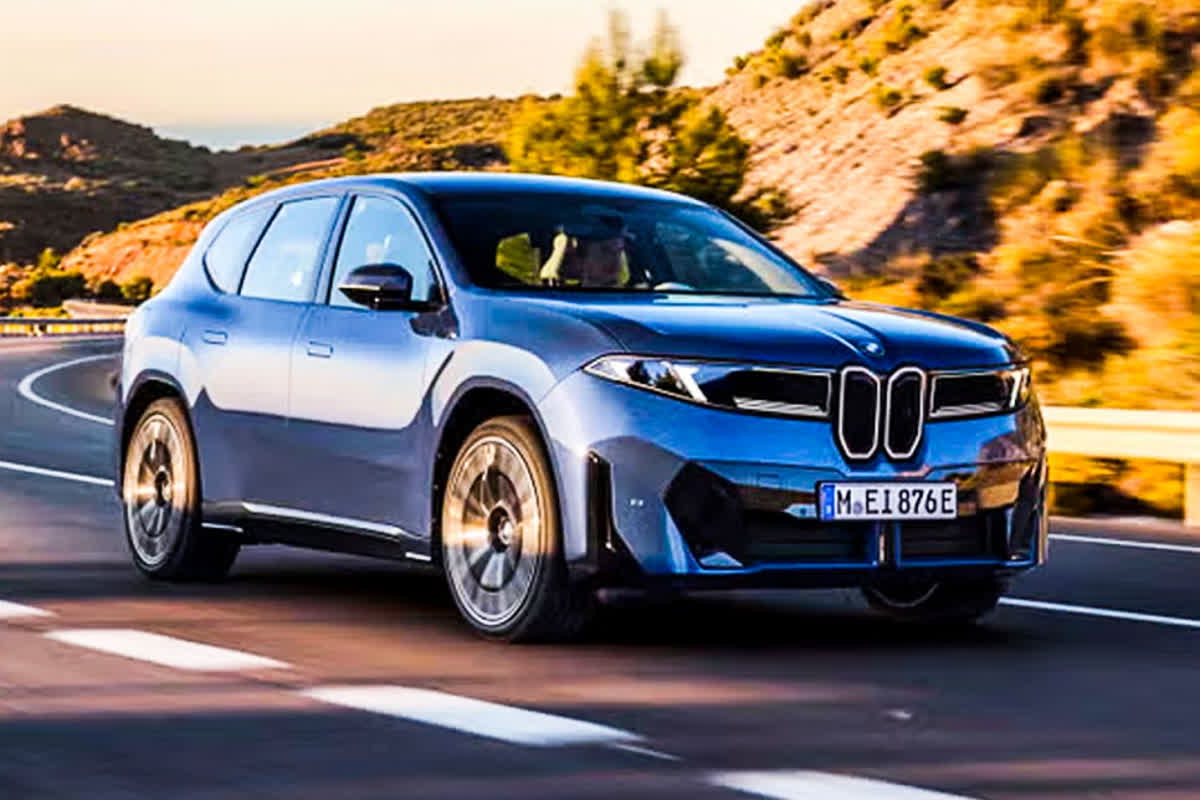
Manufacturers operating in China are shifting production and exports abroad. Tesla exported roughly 20,000 vehicles from China in February, a 4.2-fold increase from a year earlier. Honda is exploring importing China-made cars into Japan—a first for a Japanese automaker. Volkswagen recently secured an EU exemption from an additional 20.7% tariff on its China-made Cupra Tavascan.
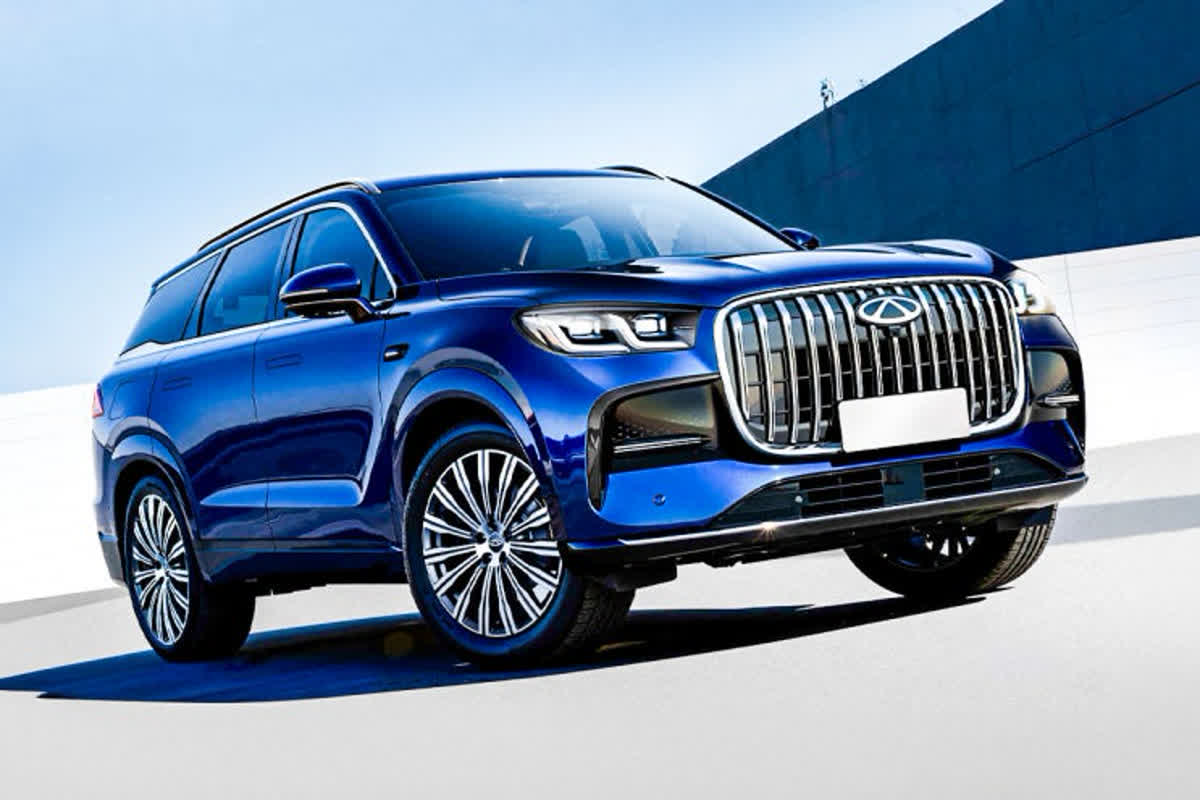
Chinese automakers are stepping up export efforts. Chery exported 243,000 vehicles in January–February, a 45.6% increase year on year. Geely sold 156,000 vehicles overseas, a 1.5-fold increase from the prior year. BYD exported 201,000 units and SAIC about 91,000 units, with most manufacturers posting double-digit export growth.
Imports of Chinese cars into South Korea are rising quickly. The Korea Imported Motor Vehicle Association reports that Chinese passenger-car registrations in January–February totaled 2,304 units, accounting for 4.8% of the imported-car market. Last year’s total registrations were 6,107 units (a 2.0% share), meaning manufacturers sold roughly one-third of last year’s total in just the first two months of this year.
That trend could sharpen competition worldwide outside the U.S. Bloomberg reported that BYD is expanding into South America and the U.K., while Geely entered 13 new markets last year, including Brazil and South Africa.
Great Wall Motors is reportedly considering sharing Mercedes‑Benz’s factory in South Africa. GWM South Africa said the company continues to explore ways to expand its local presence.
Still, demand for low-priced Chinese cars is limited, so the effect on Korean automakers may be constrained.
Haneul, an analyst at NH Investment & Securities, said Chinese automakers are selling well globally, but their European market share has stabilized around 20–25% and hasn’t expanded much. “The pool of buyers attracted to low-cost cars appears to be about that size,” the analyst said, adding that competitive pressure on Korean and Japanese automakers should ease somewhat starting this year.