[Sankyeong Today — Park Tae-jin]
High fuel prices, driving restrictions and improved affordability have combined to make electric vehicles the focal point of demand in the used-vehicle market.
Analysts say this trend goes beyond a short-term rebound and signals a structural shift in how consumers buy cars.
On March 28, industry sources reported that the share of electric vehicles in the used-vehicle market has risen noticeably. Rising global oil prices and urban driving restrictions have together underscored EVs’ cost advantage over internal-combustion models.
The price competitiveness of used EVs is a key driver of growing demand.
With more listings reflecting depreciation from new-vehicle prices, upfront costs have fallen, drawing buyers who want to try an EV for the first time. What was once a market driven largely by subsidies is expanding into a full life-cycle market that includes used vehicles.
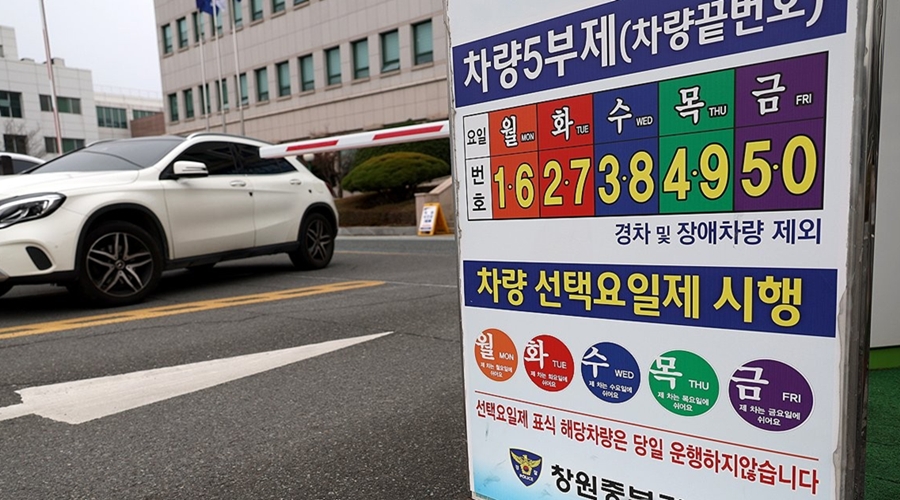
Policy shifts are also supporting EV uptake. Because public-sector driving restrictions commonly exempt electric vehicles, EVs offer greater practical convenience. Several private companies have voluntarily adopted similar policies, reinforcing preference for electrified models.
Prolonged uncertainty in global energy markets could structurally raise fuel costs, making the operating-cost advantages of EVs attractive well beyond short-term oil price spikes.
The new-vehicle market reflects the same momentum. EVs already make up a meaningful share of total auto sales, and electrification is progressing even faster in the import segment. Price competition and broader model lineups are widening consumer choice.
Industry insiders say the EV market has moved past subsidy dependence and is shifting toward self-sustaining demand. As charging infrastructure, technology and policy support align, EVs are expected to establish themselves more quickly as a primary means of transport.
An auto industry official said, “Rising oil prices and changing regulations have highlighted EVs’ real advantages,” adding, “Demand that has spread into the used-vehicle market will form a stable foundation for future growth in the EV sector.”