2026 Ford Ranger Raptor: Performance and Price Analysis of the New Model
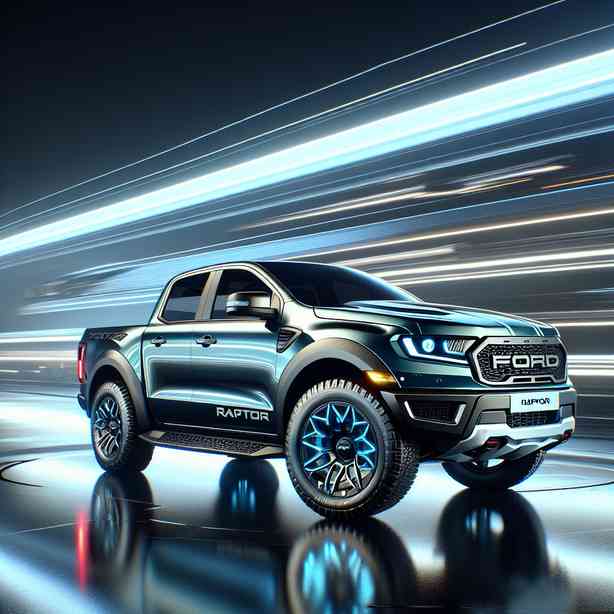
The 2026 Ford Ranger Raptor reinforces Ford’s position in the mid-size pickup segment by combining serious off-road capability with modern technology and polished on-road manners. The newly unveiled model pairs a potent powertrain with a calibrated chassis, comprehensive driver-assist systems, and a broad list of comfort and safety equipment. Below is a detailed look at its performance, features and pricing.
Potent powertrain and performance
The headline for the 2026 Ranger Raptor is its class-leading powertrain. A 3.0L twin-turbo V6 produces 405 hp and 59.5 kg·m of torque (about 583 Nm / 430 lb-ft). A 10-speed automatic transmission is tuned for smooth, responsive shifts and immediate throttle response. That package delivers strong on-road acceleration and confident torque distribution in challenging off-road conditions.
The Ranger Raptor is standard with four-wheel drive and features electronic front and rear differential locks to maximize traction and recovery on difficult trails. Trail Control (off-road cruise control) and multiple drive modes—Normal, Sport, Slippery, Mud/Sand, Rock Crawl and more—help tailor the truck’s behavior to the terrain. Raptor-specific FOX racing shocks and a reinforced suspension give the truck exceptional off-road compliance and durability.
A high-strength frame and reinforced body structure resist twist under load, while an aluminum hood and doors and a lightened chassis design cut weight without sacrificing strength. Those engineering choices support both on-road stability and off-road longevity.
Advanced driver-assistance systems
Ford equips the 2026 Ranger Raptor with a wide array of driver-assist technologies. Standard features include adaptive cruise control, lane-keeping assist, automatic emergency braking, blind-spot warning and rear cross-traffic alert. A 360-degree surround-view camera aids situational awareness during tight trail maneuvers as well as urban parking.
Trail-focused tools—such as a remote trail view that helps drivers spot rocks, obstacles and narrow passages—reduce the risk of damage when navigating confined routes. Trail Assist and automatic parking aids add utility in both city and off-road settings. These technologies collectively push the Ranger Raptor toward the top of its class for safety and usability.
Interior and convenience features
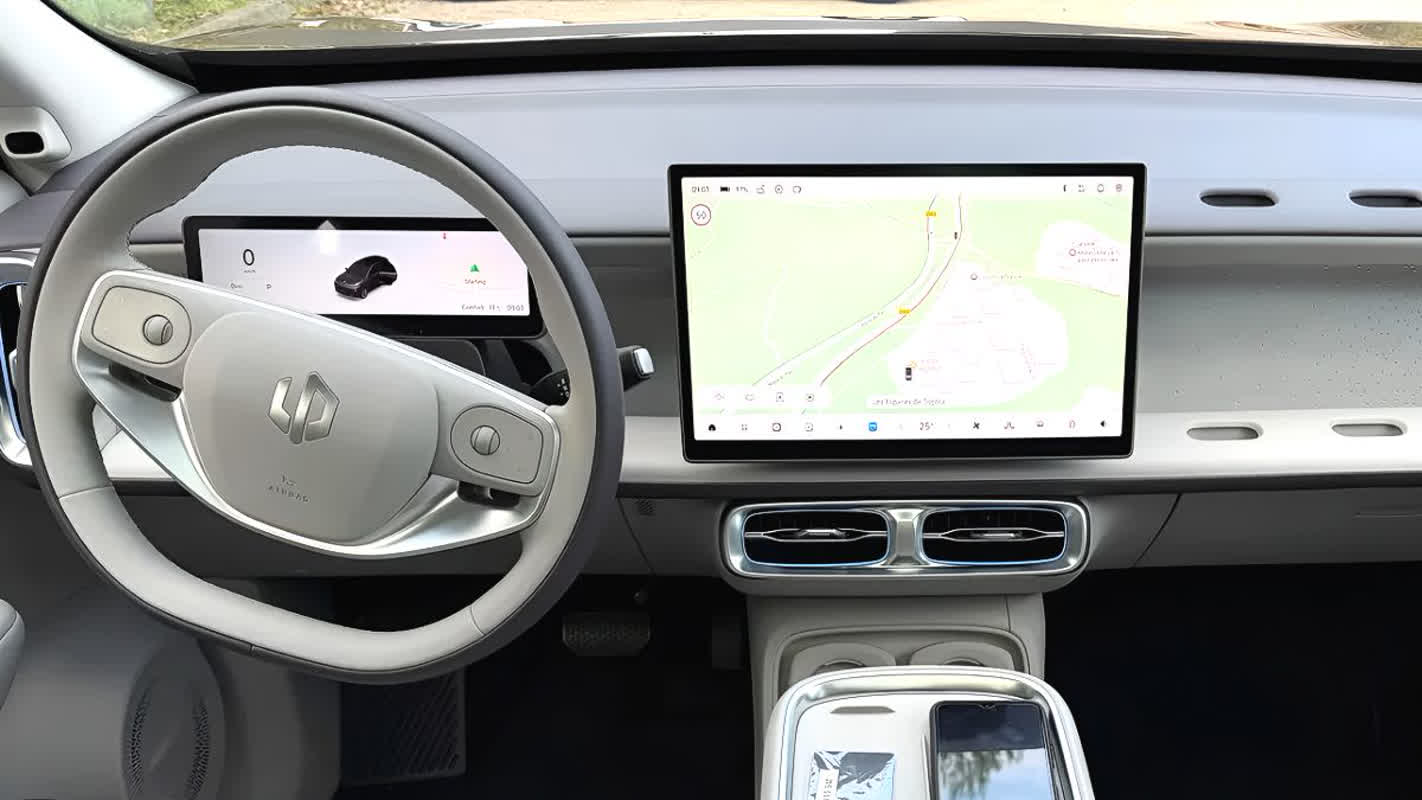
The Ranger Raptor’s cabin blends robust materials with modern design. Raptor sport seats deliver firm support and long-distance comfort, with leather and Alcantara accents that convey a premium feel. A 12.4-inch digital instrument cluster pairs with a 12-inch vertical touchscreen infotainment system for intuitive control and connectivity.
Ford’s SYNC 4 supports wireless Apple CarPlay and Android Auto and can receive OTA (over-the-air) updates to keep systems current. Available creature comforts include a Bang & Olufsen premium audio system, wireless charging, power-adjustable steering, ventilated and heated seats and dual-zone automatic climate control, creating a comfortable environment for driver and passengers.
Rear seating provides generous legroom and headroom for the mid-size class. The bed is equipped with practical details—power roll cover, LED bed lighting and 12V/220V outlets—tailored to outdoor and recreational use.
Off-road capability and driving characteristics
Hardware for off-road use is extensive: 33-inch all-terrain tires mounted on 17-inch Raptor wheels, off-road bumpers and skid plates to protect the underbody. Minimum ground clearance measures 273 mm (about 10.75 in). Approach, departure and breakover angles are 32°, 24° and 24°, respectively—values tuned for serious trail work.
The suspension employs a double-wishbone front setup and a multi-link rear to balance wheel travel and ride comfort. FOX 2.5-inch Live Valve dampers adjust damping in real time to match surface conditions, maintaining composure in extreme situations. Those calibrations help the Ranger Raptor retain its reputation as a leading off-road truck in the segment.
Practical capability numbers reinforce its utility: 850 mm (about 33.5 in) of wading depth, a towing capacity up to 3,500 kg (≈7,716 lb) and a payload around 1,000 kg (≈2,205 lb). That hardware makes the Ranger Raptor well suited for outdoor adventure, camping and heavy-duty trail use.
Fuel economy and ownership costs
Ford balanced performance with efficiency measures. Combined fuel economy is roughly 8.2–8.7 km/L (about 19.3–20.5 mpg US), with city/highway estimates around 7.2 km/L (≈17.0 mpg) and 10.0 km/L (≈23.5 mpg), respectively. Systems such as stop/start, electronic throttle control and adaptive shift strategies help improve everyday fuel economy.
Routine maintenance and consumable costs are generally lower than full-size pickup equivalents, and Ford’s global service network facilitates parts availability and after-sales support. Those factors make the Ranger Raptor appealing as both a high-performance truck and a practical ownership proposition.
Pricing and competitor comparison
The 2026 Ranger Raptor starts at about $62,000 (U.S. MSRP) for the entry-level Raptor and climbs to roughly $68,000 for a fully equipped example. In South Korea, pricing is estimated in the range of ₩85,000,000–₩92,000,000 (approximately $63,750–$69,000, depending on taxes and options). At that level, the Ranger Raptor competes directly with the Toyota Tacoma TRD Pro and Chevrolet Colorado ZR2, offering a compelling mix of performance and equipment.
Unique attributes—such as the V6 twin-turbo, FOX racing suspension, comprehensive driver-assist suite and an upscale interior—separate the Ranger Raptor from its rivals. When judged on performance, features and brand credibility, the 2026 Ranger Raptor offers a differentiated value proposition in the mid-size pickup market.
Key specs and price comparison table
| Item | 2026 Ford Ranger Raptor | Toyota Tacoma TRD Pro | Chevrolet Colorado ZR2 |
|---|---|---|---|
| Engine | 3.0L V6 twin-turbo | 2.4L turbo (hybrid) | 2.7L turbo |
| Max power | 405 hp | 326 hp | 310 hp |
| Max torque | 59.5kg·m (≈583 Nm, ≈430 lb-ft) | 63.5kg·m (≈624 Nm, ≈460 lb-ft) | 59.3kg·m (≈582 Nm, ≈429 lb-ft) |
| Transmission | 10-speed automatic | 8-speed automatic | 8-speed automatic |
| Drivetrain | 4WD | 4WD | 4WD |
| Suspension | FOX 2.5-inch Live Valve | FOX QS3 | Multimatic DSSV |
| Minimum ground clearance | 273mm (about 10.75 in) | 287mm (about 11.30 in) | 259mm (about 10.20 in) |
| Towing capacity | 3,500kg (≈7,716 lb) | 2,950kg (≈6,504 lb) | 2,767kg (≈6,100 lb) |
| Combined fuel economy | 8.7 km/L (≈20.5 mpg) | 9.2 km/L (≈21.6 mpg) | 8.2 km/L (≈19.3 mpg) |
| Price (U.S.) | $62,000–$68,000 | $56,000–$61,000 | $49,000–$54,000 |
The table highlights the Ranger Raptor’s stronger engine output, dedicated off-road hardware and richer feature set versus rivals. Its price sits at the upper end of the segment, but the performance and technology it offers justify the premium for buyers seeking a capable, well-equipped mid-size off-road truck.
Reliability and brand value
Ford’s Ranger Raptor benefits from the brand’s longstanding reputation for durability and field-proven engineering. Off-road competition results and owner feedback point to solid reliability, and Ford’s production and quality controls help ensure dependable performance across diverse conditions.
Ford’s mainstream pickup brand recognition also supports resale value, service access and parts availability—practical advantages for buyers. That brand trust remains a meaningful factor in many purchasing decisions for this segment.
Overall assessment and buying considerations
The 2026 Ford Ranger Raptor pairs a high-output powertrain, class-leading off-road capability, a comprehensive safety and convenience feature set, and a practical interior layout to deliver broad competitiveness in the mid-size pickup class. Although it sits near the top of the price ladder, its capabilities and equipment deliver proportional value.
For buyers who want serious on- and off-road performance, modern driver aids and a premium feel—backed by a trusted brand—the 2026 Ford Ranger Raptor is a compelling choice. Prospective buyers should weigh the truck’s real-world advantages against their intended use to determine if it meets their needs.