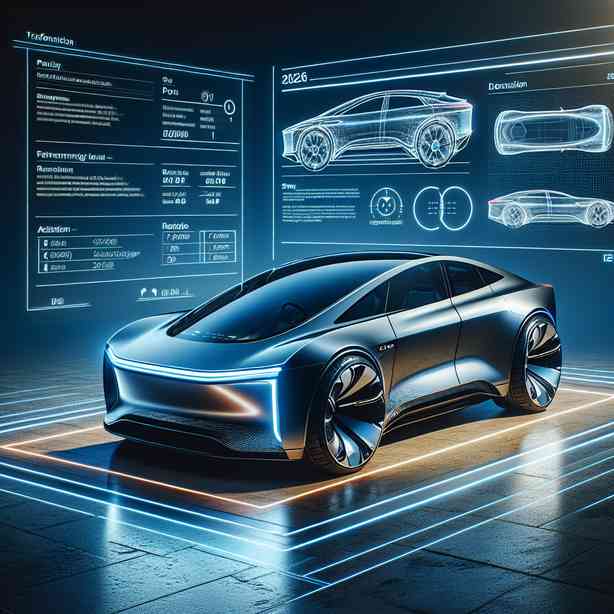
2026 BMW i7 M70: a bold evolution of the luxury electric sedan
The 2026 BMW i7 M70 stakes its claim at the top of BMW’s electric-sedan lineup with a sharper design, advanced tech and serious performance. From its exterior and cabin to the powertrain, the updated i7 M70 refines what a flagship EV can be—pairing electrification with M-badged performance, advanced safety systems and premium comfort that aim to reset expectations in the luxury EV segment.
Latest design and exterior changes on the BMW i7 M70
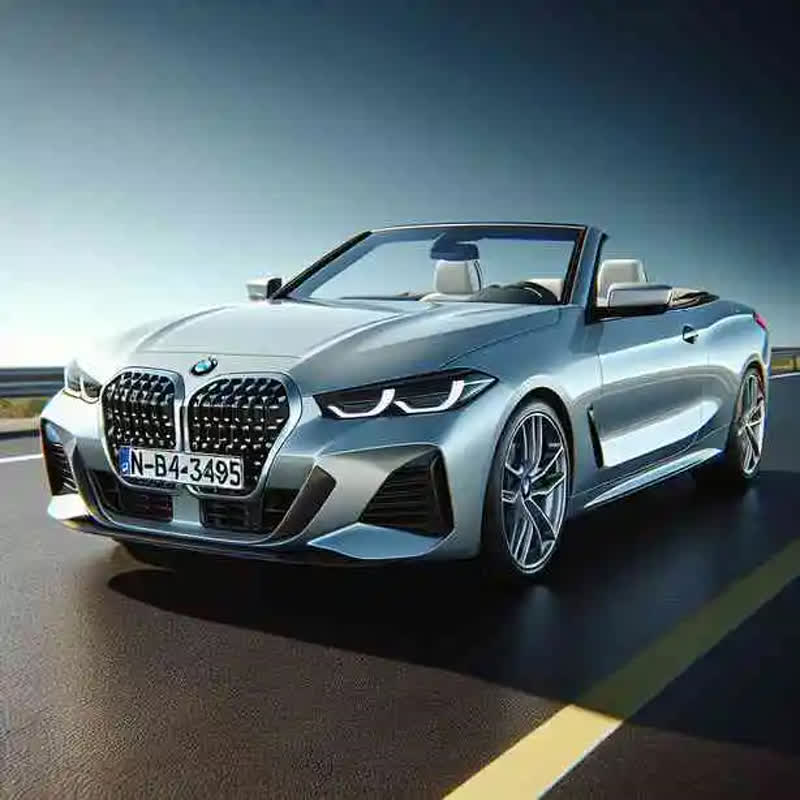
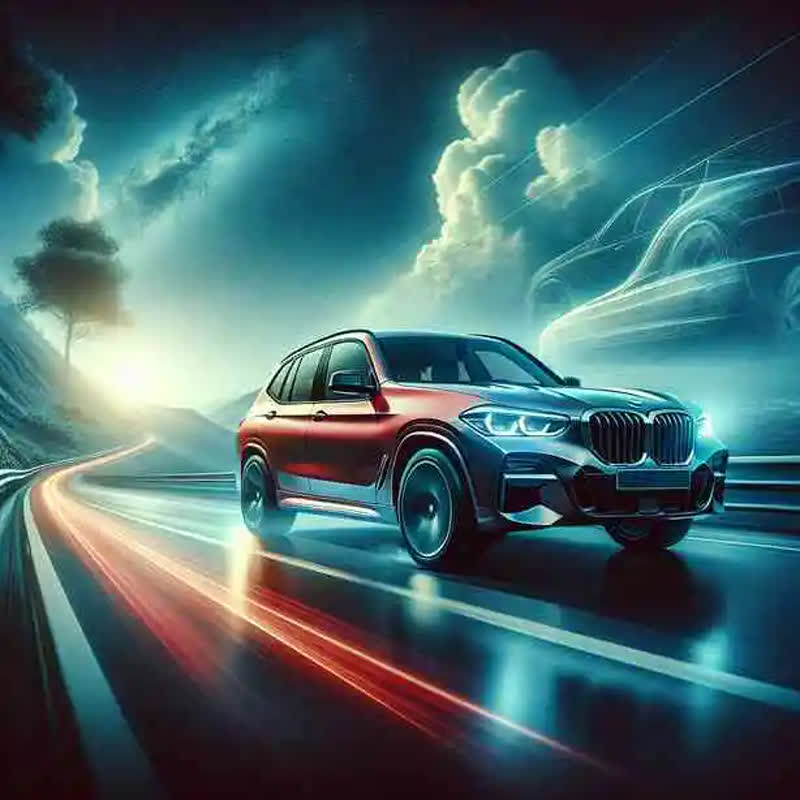
Compared with the standard 7 Series, the i7 M70 adopts a more assertive design language. A large, illuminated kidney grille dominates the front fascia, giving the car a strong nighttime presence. Slim headlamps employ LED and laser elements to improve visibility while sharpening the car’s profile. A stretched body and extended wheelbase produce a more elegant, executive silhouette.
The structure mixes aluminum, high-strength steel and carbon to reduce weight without sacrificing stiffness, and BMW says the drag coefficient is best in class. At the rear, narrow, elongated OLED taillamps lend a modern look while preserving BMW’s family identity. Overall, the i7 M70 balances luxury and forward-looking design cues.
Interior space, advanced materials and digital innovation
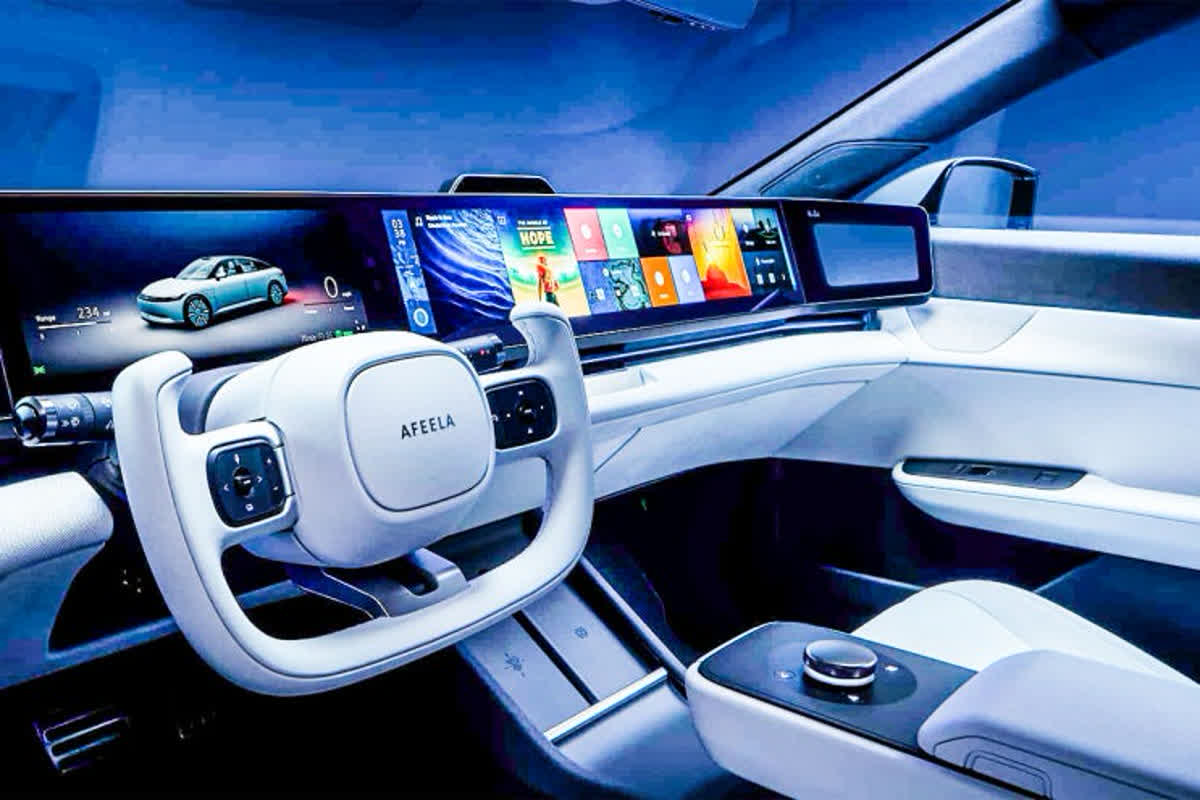
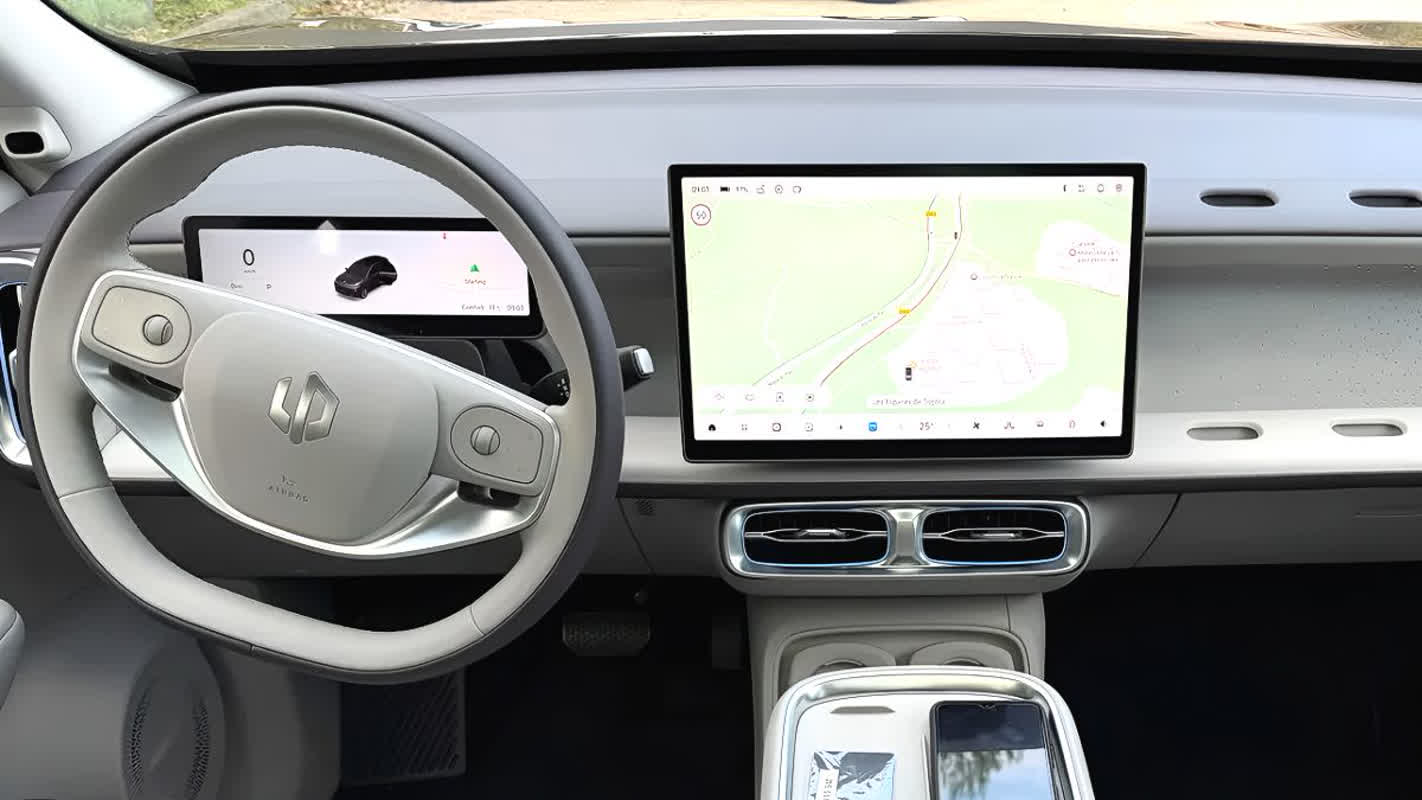
Inside, the i7 M70 blends state-of-the-art digital systems with high-grade materials. A sweeping panoramic curved display spans the dash to deliver information intuitively to both driver and front passenger. The digital cluster and infotainment run BMW’s latest OS and support touch, gesture and voice controls for flexible, intuitive operation.
Premium materials—leather, wool and fine wood trims—are used liberally, and an Executive Lounge rear-seat option offers chauffeur-style comfort. Rear occupants can opt for a 31-inch panoramic cinema screen and a Bowers & Wilkins surround audio system, underscoring the model’s positioning as a true premium electric sedan.
Powertrain and performance: potent M Performance
The i7 M70 pairs two electric motors in an AWD configuration, delivering roughly 660 horsepower (489 kW) and nearly 1,100 N·m (about 811 lb-ft) of torque. BMW quotes a 0–100 km/h (0–62 mph) time of about 3.7 seconds, putting M-level acceleration squarely into flagship territory.
Adaptive M suspension, integral active steering and drive-mode–dependent chassis tuning combine with advanced driver-assist systems to offer controlled, composed handling at speed while preserving ride comfort for daily use. That combination of outright power and refined dynamics defines the i7 M70’s competitive edge in the luxury EV market.
Battery efficiency, range and charging performance
The i7 M70 uses a large lithium-ion battery pack rated at about 560 km (WLTP) — roughly 348 miles — on a single charge. BMW’s battery-management strategy focuses on efficiency and long-term durability, and the car can recover more than 170 km (about 106 miles) of range with roughly 10 minutes of high-power charging.
Built on an 800V electrical architecture, the i7 M70 supports public DC charging above 200 kW. Standard AC chargers for home and office use provide reliable, efficient overnight or daytime charging to minimize real-world convenience issues for owners.
Advanced driver assistance and safety features
The 2026 i7 M70 ships with a broad ADAS suite to improve safety and lessen driver workload. A semi-autonomous system that leverages high-resolution cameras, lidar and radar is standard, handling lane-keeping, adaptive distance control and stop-and-go traffic functions on highways and in city driving.
Object detection for pedestrians and cyclists is significantly improved, and safety systems include automatic emergency braking, intersection-collision mitigation and rear cross-traffic alerts. BMW also uses over-the-air updates to refine these systems over time.
Pricing, trim lineup and options
As the top trim in BMW’s flagship EV range, the i7 M70 is positioned as a benchmark for premium electric sedans. BMW lists a base price near 193.6 million KRW (about $145,200), reflecting the model’s advanced tech, luxury appointments and high performance.
Available trims include a base model, a performance package and a luxury package, with differences in interior materials, wheel designs, screen specifications and audio systems. Options include the rear-seat Executive Lounge, panoramic glass roof, Bowers & Wilkins Diamond surround system, premium ceramic interior panels and advanced driver-assist packages.
Final pricing depends on selected options and bespoke specifications, allowing buyers to tailor the car to their needs—a flexible approach that helps the i7 M70 deliver differentiated value in the premium EV segment.
Competitors and the i7 M70’s strengths
The flagship electric-sedan field includes the Mercedes‑Benz EQS AMG, Audi e‑tron GT RS and Porsche Taycan Turbo S. The i7 M70 distinguishes itself with M Performance–level power delivery, a modern digital experience and a fresh interior and exterior design language.
Reviewers highlight the i7 M70’s roomy cabin, superior rear-seat entertainment, premium audio and high-grade materials as advantages over rivals. Combined with BMW’s characteristic driving dynamics adapted for electrification, the result is a distinct driving experience that stands apart in the segment.
Environmental responsibility and sustainability
BMW designed the i7 M70 with lifecycle sustainability in mind. Production increasingly relies on renewable energy, and recycled materials are used where possible in aluminum and plastics. BMW is pursuing lower-carbon battery production and has systems in place for end-of-life battery recycling to support sustainable mobility.
On the road, the zero-emission powertrain eliminates tailpipe pollutants, aligning the model’s luxury credentials with environmental responsibility.
Key specifications of the BMW i7 M70
Here are the i7 M70’s main specifications.
| Item | Details |
|---|---|
| Overall length | 5,400mm (about 213 in / 17.7 ft) |
| Overall width | 1,950mm (about 77 in / 6.4 ft) |
| Overall height | 1,545mm (about 61 in / 5.07 ft) |
| Wheelbase | 3,215mm (about 126.6 in / 10.55 ft) |
| Curb weight | 2,700kg (about 5,952 lb) |
| Drivetrain | All-wheel drive (AWD) |
| Battery capacity | 105.7 kWh |
| Maximum power | 660 hp (489 kW) |
| Maximum torque | 1,100 N·m (about 811 lb‑ft) |
| 0–100 km/h acceleration | 3.7 seconds (0–62 mph) |
| Top speed | 250 km/h (about 155 mph; electronically limited) |
| Rated range (WLTP) | 560 km (about 348 mi) |
| Fast charging (10–80%) | Approximately 34 minutes |
| Fast charge power | Up to 200 kW or more |
These numbers make clear why BMW positions the i7 M70 as a leading contender in the luxury electric-sedan segment.
The i7 M70’s showy transformation, consumer value and market outlook
The i7 M70 packs the essential traits of a premium electric sedan—comfort, advanced tech, strong performance and sustainability—into a single package. High-quality materials and finishes, a sophisticated digital interface and an M-derived driving character offer buyers a distinct, high-value proposition.
Market demand should include loyal flagship-sedan buyers as well as customers who expect elite standards from EVs. As the luxury EV market grows and regulations push for cleaner mobility, the i7 M70’s strategic position looks set to strengthen.
Summary and conclusion
The 2026 BMW i7 M70 represents a notable evolution in the flagship electric-sedan class. It delivers competitive specs across design, performance, safety, convenience and sustainability, and its pricing reflects that positioning. The i7 M70’s bold reinvention signals a new chapter in luxury electric vehicles and should keep the model in focus across the premium EV market.