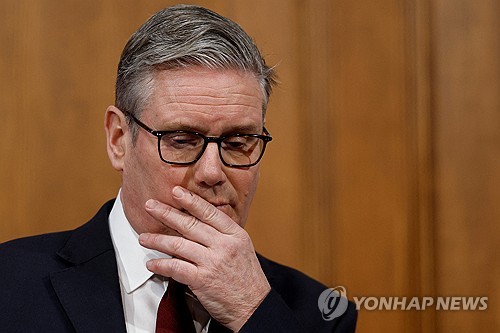
Prime Minister Keir Starmer declined to commit after U.S. President Donald Trump urged the UK to deploy warships to the Strait of Hormuz.
In a speech at the Prime Minister’s office on Downing Street in London on the 16th (local time), Starmer said the Strait of Hormuz must be reopened to guarantee stability in the oil market, but that doing so would not be straightforward. “We are working with all our allies, including our European partners, to develop a practical, collective plan to restore freedom of navigation in the region as quickly as possible and to mitigate the economic shock,” he said.
“To be clear: this will not be a NATO mission, and it has never been presented as one,” he added.
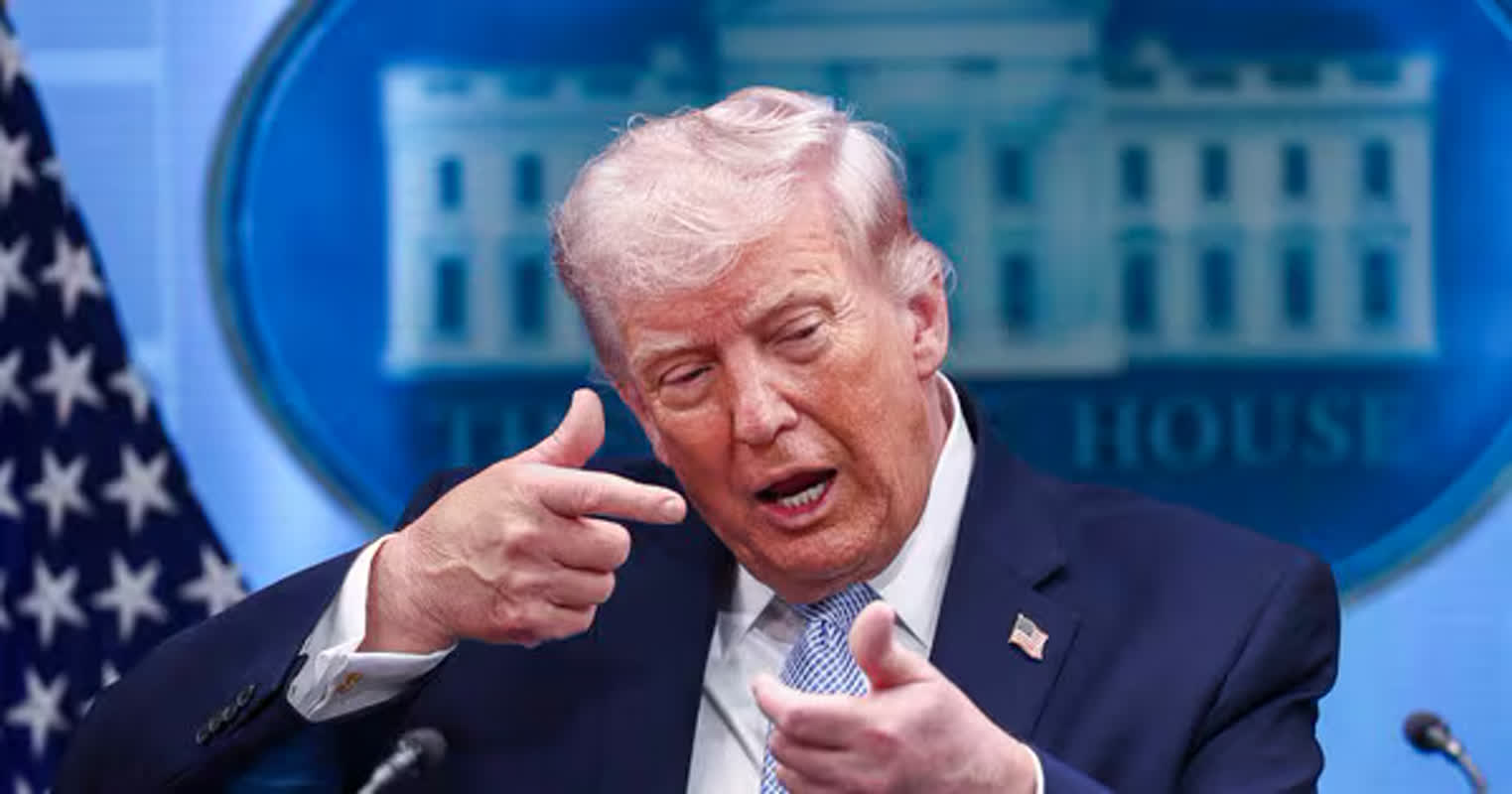
Earlier, President Trump called on major countries to send warships to the Strait and warned on the 15th that a lack of response or negative replies would have “a very bad impact” on NATO’s future.
Starmer said he spoke with Trump on the night of the 15th to discuss the importance of reopening the strait.
When pressed by reporters on whether he opposed sending the Royal Navy to the Strait of Hormuz, Starmer said only that he had discussed the issue with Trump and that talks were ongoing about a feasible plan.
He acknowledged that deciding whether to deploy forces is one of the hardest choices a prime minister faces, and stressed, “Whatever pressure we face, it’s important we stand firm for Britain’s interests.”
In the same speech, Starmer outlined a three-part security approach: first, protecting British nationals in the region; second, taking the measures necessary to protect the UK and its allies while avoiding escalation into a wider war; and third, working swiftly to restore regional security and stability and to deter Iran’s threats to neighboring states.
The address also served as the government’s package of measures in response to an oil shock.
Starmer announced £53 million in support for vulnerable households that rely on heating oil — roughly $70.35 million — and said the government will introduce an energy price cap through the end of June to save the average household about £117 (about $154). Vulnerable households will receive an additional £150 (about $201) reduction in heating costs.
He added that the temporary cut to fuel duty will be extended through September and warned energy companies not to profiteer from wartime price spikes.
#Trump #Hormuz #UK #Starmer
Yonhap News TV inquiries and tips: KakaoTalk/Line jebo23
Lee Ji-yoon (easyun@yna.co.kr)