Pocheon, long accustomed to daily disruption from firing ranges and other military facilities, is repositioning itself as a K-Defense test city by prioritizing defense artificial intelligence (AI) and manned-unmanned teaming (MUM-T).
City officials have begun implementing a concrete strategy to convert the burden of hosting military facilities into industrial and technological opportunity.
On April 22, the city said Mayor Baek Young-hyun signed a memorandum of understanding with the Special Land Operations Research Association (LANDSOC-K) in his City Hall office to formalize cooperation on defense matters.
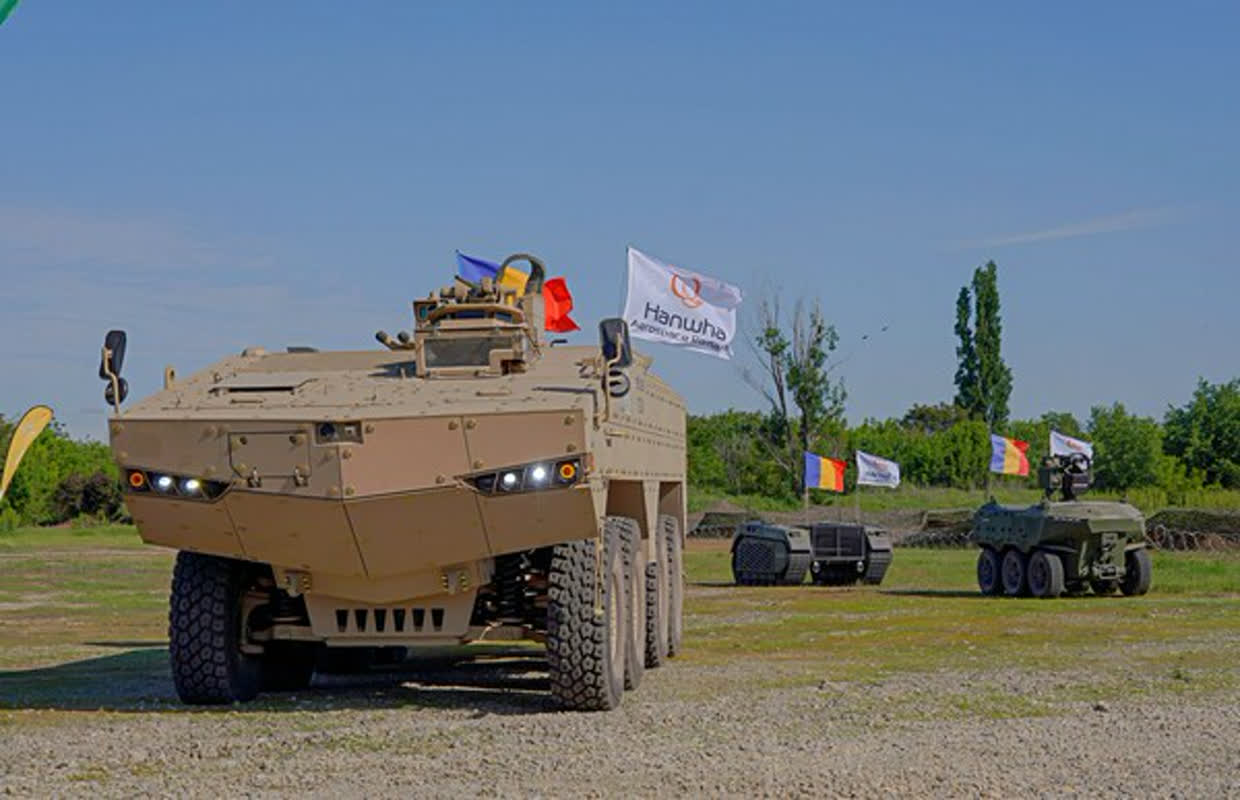
The agreement establishes a cooperative framework across technologies applied to special land operations — including defense AI, digital transformation (AX), and manned-unmanned composite systems (MUM-T) — with the goal of growing the defense industrial base and creating new jobs.
The MOU also includes collaborative research with the Ministry of Defense and government-funded research institutes, and it provides technical advice and policy consulting on defense AI, AX, and MUM-T tactics.
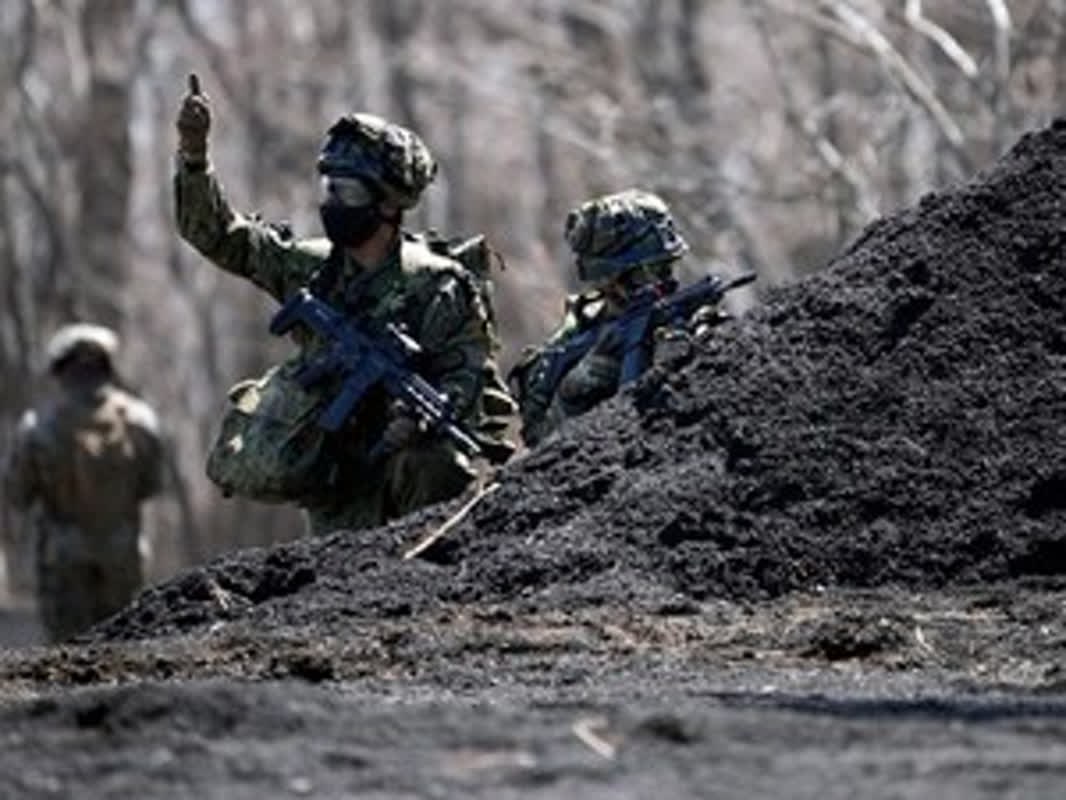
Partners will build a structure to integrate unmanned systems such as drones with manned forces, conduct tactical application research, and carry out field demonstrations. They will also develop supporting infrastructure and work to ensure interoperability between systems.
Notably, the Special Land Operations Research Association functions as a defense think tank that combines former military officers with defense industry and technical personnel.
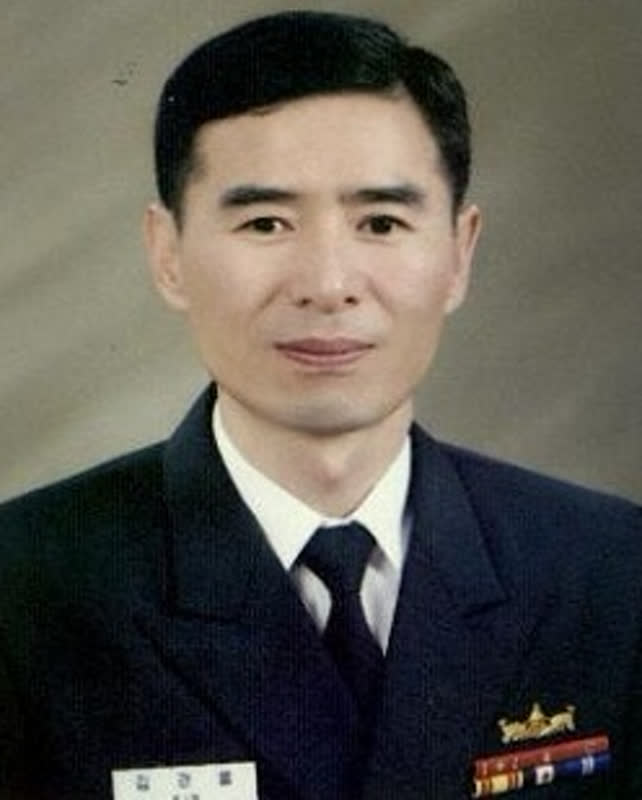
Chairman Kim Jong-moon is a retired army major general who served as a policy adviser to the Joint Chiefs of Staff and as chief representative to the United Nations Command Military Armistice Commission, giving him experience in both operations and policy.
Pocheon’s dense concentration of ranges and training grounds offers a realistic operational environment, making the city well suited for validating research and testing systems in the field.
The agreement increases the likelihood that Pocheon will serve as a testbed for defense-technology demonstrations and trials.
Building on this cooperation, the city plans to attract defense companies, expand demonstration projects, and develop an industrial ecosystem that includes civil-military cooperation training and workforce development.
“This MOU marks a turning point for Pocheon’s transition from a city defined by military facilities to a hub for the future defense industry,” Mayor Baek said. “We will create a structure that allows the defense sector and the local community to grow together.”