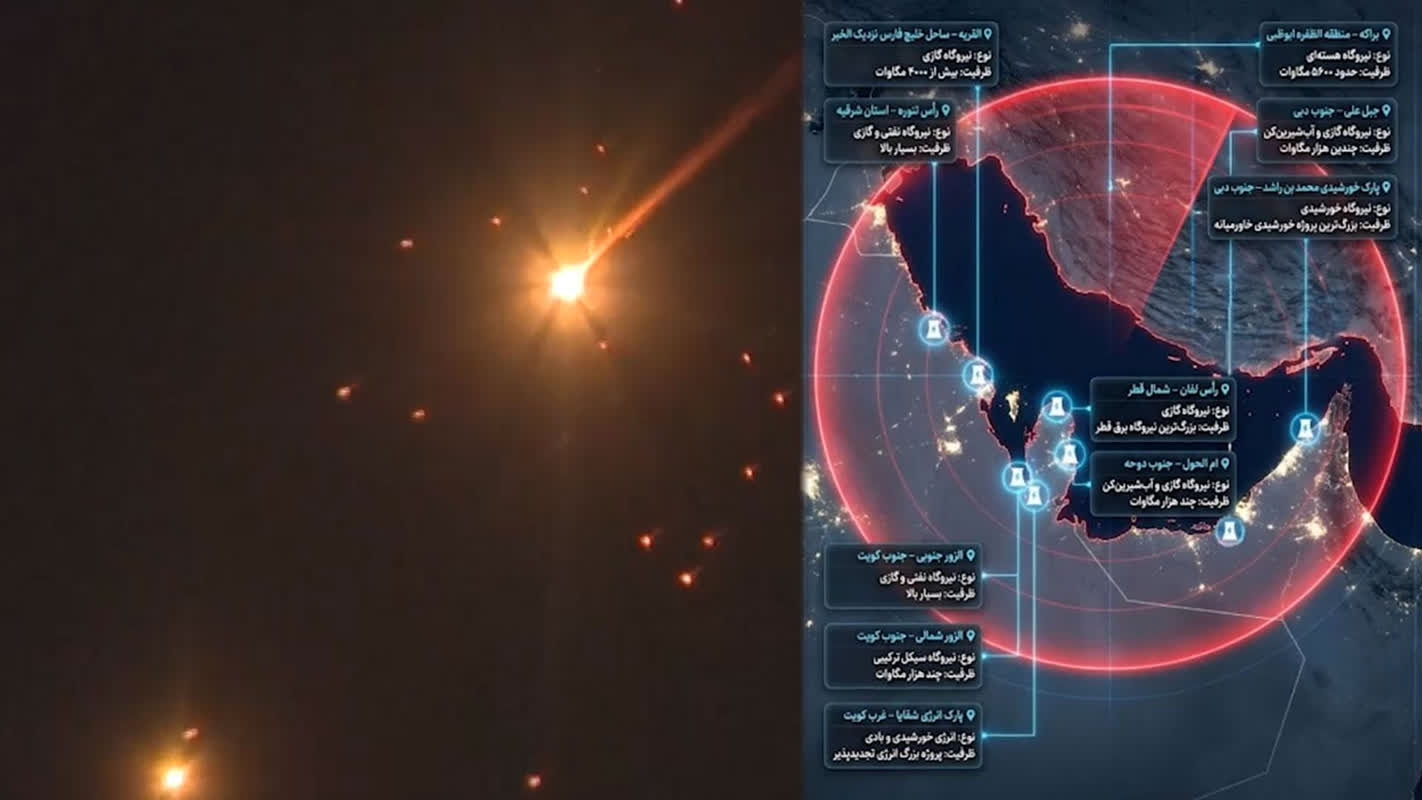
U.S.-Israel–Iran military clashes that have closed Middle Eastern air routes for an extended period are dealing a direct blow to passenger services and air cargo linking the region with Incheon.
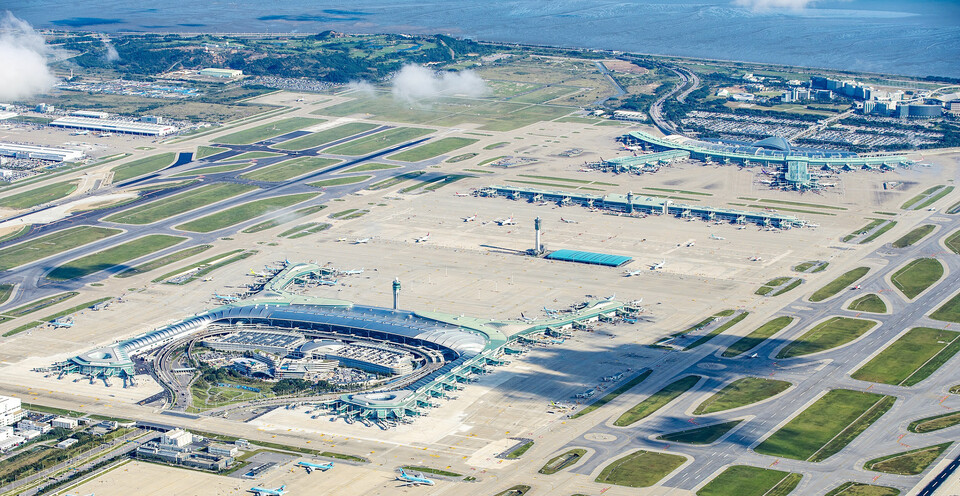
As of March 25, Korean Air, Emirates, Etihad and Qatar Airways have suspended passenger flights on Middle East routes serving Incheon Airport. Operations have effectively halted after the airspace of six Gulf countries was closed.
Since Feb. 28, those four carriers have stopped the passenger services they operated to the Middle East (Tue/Thu/Sat: 8 weekly flights; Mon/Fri/Sun: 14 weekly flights). Qatar Airways has also suspended its dedicated freighter service, which flew four times weekly.
The prolonged confrontation is disrupting passenger transport, air cargo, export‑import trade and overseas travel at the same time. A sharp rise in fuel surcharges is also expected, putting pressure on international travel markets, including Europe.
Key hubs tied to Incheon—Dubai, Abu Dhabi and Doha—cannot be resolved simply by rerouting around closed airspace. That reality has transformed a service interruption into a complex crisis that is hitting passengers, cargo and trade simultaneously.
Unless Gulf airspace is fully reopened, airlines will struggle to maintain existing network structures. Passenger traffic, cargo flows and freight rates are likely to suffer cascading, structural effects.
The impact already appears in Incheon Airport’s traffic figures. The Middle East handles roughly 200,000 t (about 220,462 short tons) of annual air cargo, equal to roughly 7–8% of Incheon Airport’s total throughput of 2.95 million t (about 3,251,817 short tons) in 2025. With those supply lines blocked, the airport’s role as a mid‑hub linking Europe and Africa is at risk.
Extended closures threaten core trade sectors tied to the Middle East, including energy, large-scale plant projects and the defense supply chain.
Incheon Airport Corporation said it cannot predict when the four carriers will resume normal service while airspace restrictions remain. The corporation warned that a military-driven spike in fuel surcharges would further weigh on passenger travel and Middle East air‑cargo operations.
By Ki‑sung Kim audisung@incheonilbo.com